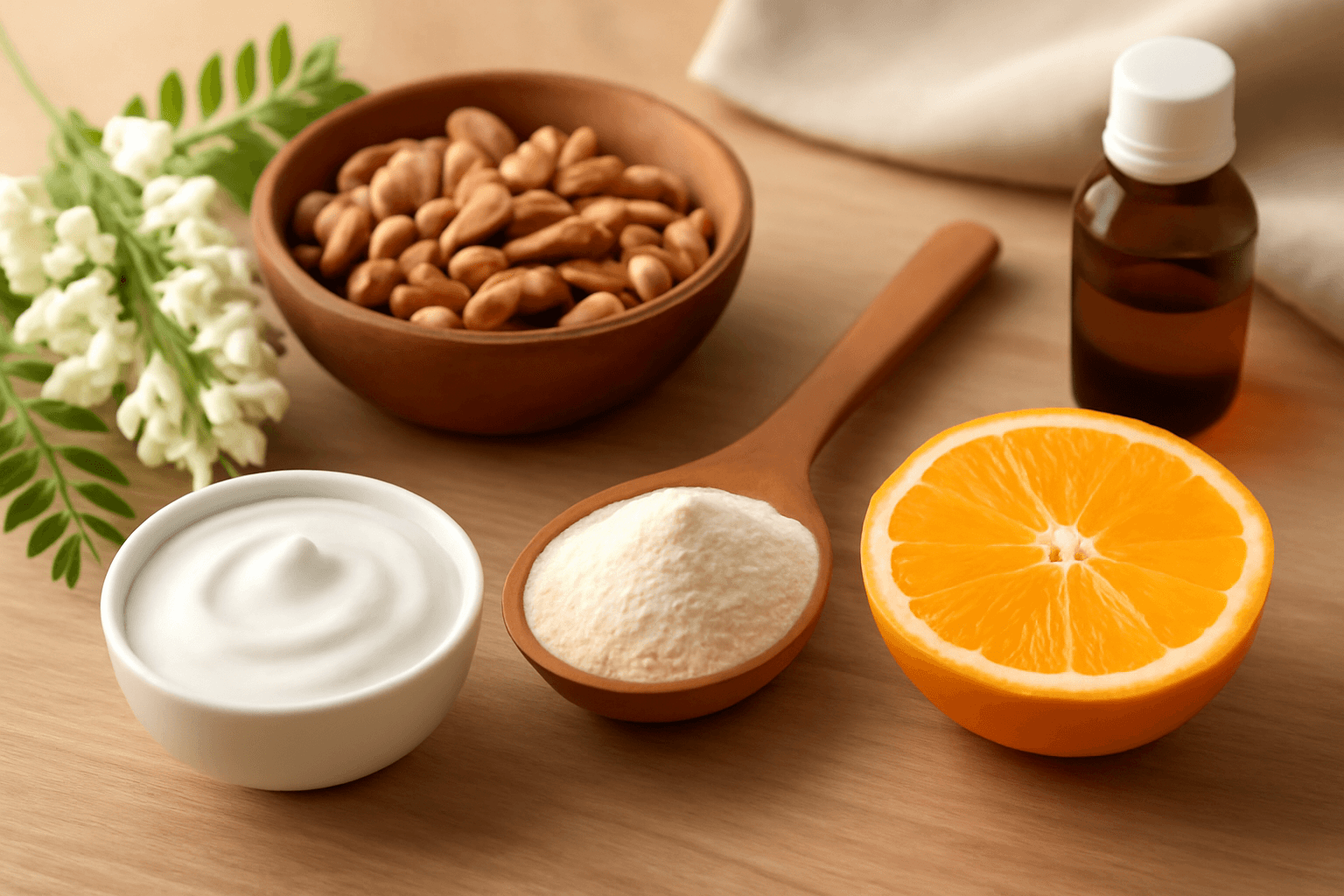
Acacia is a legume native to Africa and Australia. Acacia gum, extracted from its seeds, is a natural prebiotic that is effective for digestive health, blood sugar management, and immune enhancement. This article comprehensively covers what acacia is, scientifically-backed health benefits, proper usage, and precautions to consider.
What is Acacia?
Acacia (Acacia senegal) is a plant native to the Sahara Desert and the Arabian Peninsula, with a history of use in traditional medicine and the food industry for thousands of years. In particular, acacia gum obtained from the sap of acacia is also called "Gum Arabic" and is recognized as a natural substance by the Codex Alimentarius Commission (CODEX) as a food additive.
Acacia gum is primarily composed of arabinogalactan, a complex polysaccharide that is a type of soluble fiber. Due to its small molecular weight, it dissolves well in water and has low viscosity, making it easy to add to beverages and foods. Additionally, it maintains stability for extended periods when refrigerated, which is why it is widely used for industrial applications.
Health Benefits of Acacia
1. Improving Gut Microbiota as a Prebiotic
The most notable benefit of acacia gum is its role as a prebiotic. Prebiotics serve as food for beneficial bacteria (probiotics) in our gut, promoting their growth. According to a study published in the Journal of Nutrition in 2019, participants who consumed 10-15g of acacia gum daily showed significant increases in Bifidobacterium and Lactobacillus levels in their intestines.
The proliferation of these beneficial bacteria promotes the production of short-chain fatty acids (SCFA), with butyrate particularly serving as an energy source for intestinal epithelial cells and strengthening intestinal barrier function. As a result, you can expect reduced intestinal inflammation and improved digestive function.
2. Improved Digestive Health and Constipation Relief
As a soluble fiber, acacia gum appropriately regulates transit time through the colon. Unlike insoluble fiber, soluble fiber absorbs water in the intestines to increase stool volume while softening it, helping promote natural bowel movements. A clinical trial published in the African Journal of Nutrition in 2016, conducted over 4 weeks with 60 patients with chronic constipation, showed that the group consuming 10g of acacia gum daily experienced a 35% increase in bowel frequency compared to the placebo group.
Additionally, acacia gum produces relatively less gas in the intestines, so people with sensitive digestive systems can consume it with relatively few side effects.
3. Blood Sugar Control and Insulin Sensitivity
Prebiotic consumption is effective at lowering the glycemic index and maintaining satiety. In a randomized controlled trial published in the Journal of Nutrition and Metabolism in 2018, 45 prediabetic patients with type 2 diabetes were given 15g of acacia gum daily for 12 weeks. Results showed an average 8.3% decrease in fasting blood glucose and significant improvement in the HOMA-IR index, which indicates insulin resistance.
This is believed to be because acacia gum slows the rate of nutrient absorption in the small intestine, and butyrate produced by beneficial gut bacteria contributes to regulating insulin secretion.
4. Enhanced Immunity
A healthy gut microbiota enhances the function of gut lymphoid tissue, where 70% of the immune system is concentrated. The proliferation of beneficial bacteria from acacia gum promotes the differentiation of regulatory T cells, which maintain normal immune responses while suppressing excessive inflammatory responses.
A study published in the International Journal of Nutrition in 2017, in which 30 healthy adults consumed 10g of acacia gum daily for 4 weeks, showed approximately 23% increase in serum IgA concentration, strengthening mucosal immune function.
5. Cholesterol Reduction
The prebiotic effect of acacia gum improves bile acid metabolism, leading to reduced LDL cholesterol. A meta-analysis published in the Journal of Nutrition in 2015 showed that soluble fiber consumption lowered LDL cholesterol by an average of 2.2mg/dL, and prebiotics like acacia gum further enhance this effect.
6. Improved Sleep and Stress Relief
According to the gut-brain axis concept, a healthy gut microbiota promotes the production of the neurotransmitters serotonin and GABA. These neuroactive molecules are transmitted to the brain, affecting sleep quality and mood improvement. Metabolites produced by beneficial gut bacteria are known to cross the blood-brain barrier and regulate nervous system function.
Potential Side Effects of Acacia Gum
Generally, acacia gum is recognized as a safe food additive, but excessive consumption can cause several side effects. The most common are digestive symptoms such as abdominal bloating, gas, and diarrhea. This occurs because gases are produced when acacia gum is fermented by intestinal bacteria.
The generally recommended daily intake is 10-15g, but for first-time users, it is best to start with 3-5g and gradually increase over 2-3 weeks. This is called the "fiber adaptation period," and following this process minimizes side effects for most people.
Though rare, some individuals may develop acacia allergies. Symptoms may include oral itching, lip swelling, and wheezing. People with legume allergies should consult with a healthcare professional before deciding whether to consume acacia gum.
Additionally, people suffering from irritable bowel syndrome (IBS) or inflammatory bowel diseases like Crohn's disease should consume acacia gum cautiously under medical supervision, as it may worsen symptoms in some patients.
How to Use Acacia Gum
Everyday Food Addition
Since acacia gum dissolves well in water, it can be easily mixed into beverages. Simply add 1-2 tablespoons (approximately 10-15g) of powder to warm water or tea and stir. It has almost no taste and a slightly bland flavor, making it compatible with most drinks.
Consuming it on an empty stomach in the morning can maintain satiety throughout the morning, while taking it in the evening helps prevent nighttime blood sugar spikes. However, rather than consuming a high dose at once on an empty stomach, it is better to divide your daily goal into 2-3 servings to reduce digestive burden.
With Yogurt
Consuming yogurt rich in probiotics together with acacia gum (a prebiotic) can produce synergistic effects. Mixing 5g of acacia gum powder into 100ml of plain yogurt increases the survival rate and proliferation of probiotics, maximizing the benefits for gut health.
Smoothies and Beverages
Adding acacia gum to smoothies containing bananas, berries, and ginger allows you to gain digestive health and anti-inflammatory benefits simultaneously. In particular, ginger helps relieve nausea and promote digestion, helping to offset the gas production from acacia gum.
Baking and Cooking
Acacia gum's basic structure is not damaged at high heat, so it can be added to baked goods or soups. However, if cooked at high temperatures for extended periods, some beneficial components may be lost, so it is best to add it at the end after cooking is complete.
Various Applications of Acacia Fiber
Weight Management Programs
Acacia gum's high viscosity and water absorption capacity extend digestion time in the stomach, providing prolonged satiety. A study in the Journal of Obesity in 2014, in which 50 obese adults consumed 15g of acacia gum daily for 12 weeks, showed an additional 2.1kg average weight loss compared to the placebo group. This result cannot be explained by calorie restriction alone and indicates the appetite-suppressing effect of acacia gum.
Sports Nutrition and Exercise Recovery
Athletes tend to experience disruption of gut microbiota balance during intensive training. Consuming acacia gum can alleviate increased intestinal permeability caused by exercise and maintain immune function. Additionally, increased butyrate production can promote muscle recovery and reduce inflammation.
Alleviating Medication Side Effects
Antibiotic and steroid medications cause severe damage to the gut microbiota. During this period, concurrent consumption of prebiotics like acacia gum can promote the regeneration of beneficial bacteria, preventing antibiotic-associated diarrhea and alleviating medication side effects.
Metabolic Syndrome Management
The characteristics of metabolic syndrome—elevated blood sugar, high blood pressure, abnormal lipids, and abdominal obesity—are all associated with gut microbiota imbalance. A multi-center clinical trial published in the Diabetes Research Journal in 2019, in which 120 metabolic syndrome patients consumed 15g of acacia gum daily for 12 weeks, showed significant improvements in fasting blood glucose, triglycerides, and abdominal circumference.
Women's Health
Particularly in postmenopausal women, the composition of gut microbiota changes due to decreased estrogen. By increasing beneficial gut bacteria through acacia gum, you can restore the function of the "estrobolome," which normalizes estrogen metabolism, potentially helping alleviate postmenopausal symptoms such as hot flashes and mood changes.
Summary
As a natural prebiotic, acacia gum promotes the growth of beneficial gut bacteria and is effective for digestive health, blood sugar control, immune enhancement, cholesterol reduction, and improved sleep. The recommended daily intake is 10-15g, and you should start with a small amount and gradually increase it.
The most important points are as follows:
- Gradual consumption: Start with 3-5g for the first 2-3 weeks and gradually increase to the recommended amount
- Combined with probiotics: Effects are enhanced when consumed with lactic acid foods like yogurt
- Adequate hydration: Drink at least 2L of water daily
- Individual consultation: Essential to consult with a healthcare professional if you have chronic digestive disorders or allergies
Recommendation to Consult a Healthcare Professional: This information is general health information only. If you have a specific condition or are taking medications, please consult with a doctor or pharmacist to determine whether to consume acacia gum and the appropriate dosage. Particularly careful consideration is necessary in cases of immune disorders, inflammatory bowel disease, or pregnancy.