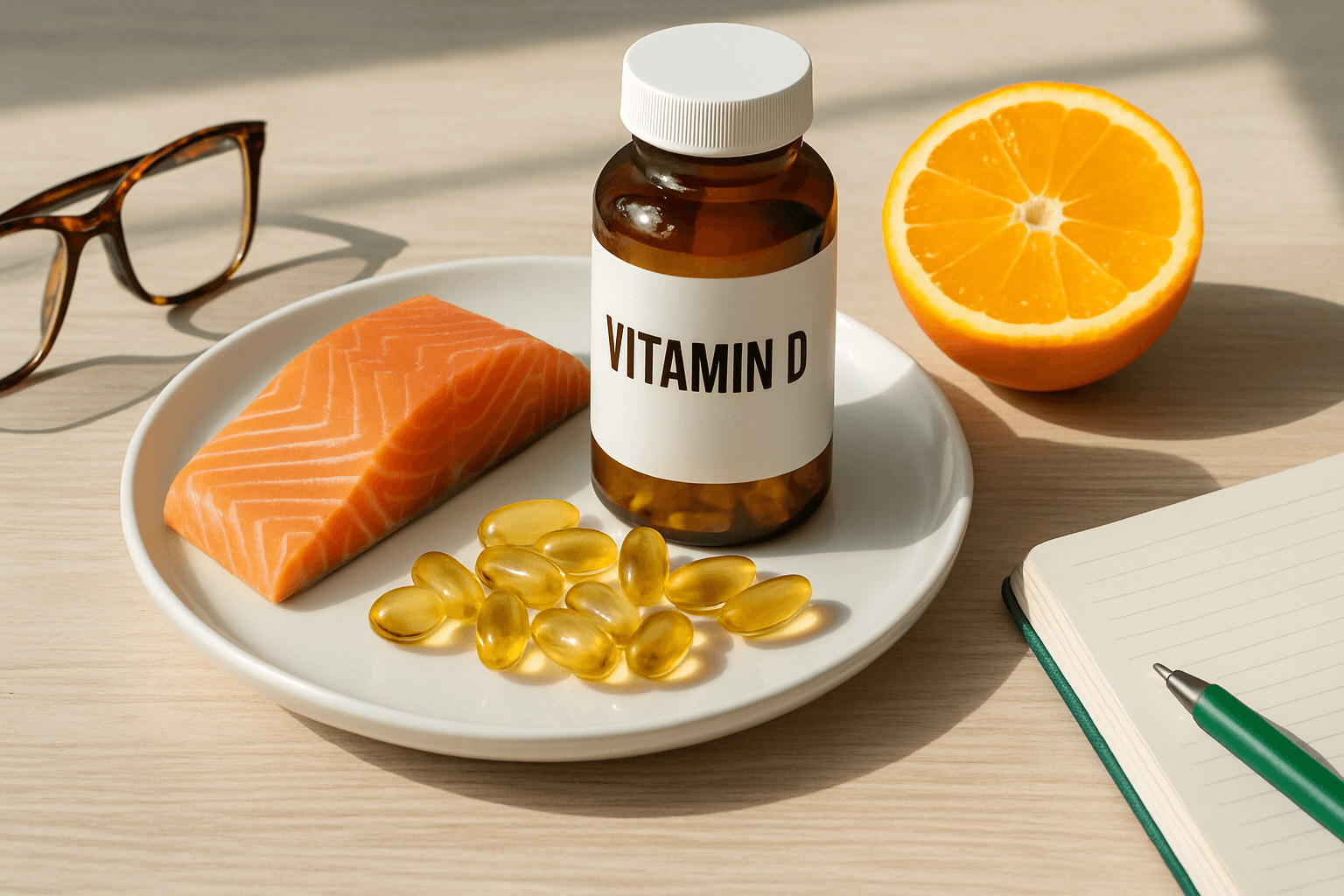
Understanding Vitamin D and Its Critical Role in Immunity
Vitamin D, often called the "sunshine vitamin," is far more than just a nutrient that supports bone health. Recent scientific research has revealed that this fat-soluble vitamin plays a crucial role in regulating immune function, with deficiency linked to increased susceptibility to infections and autoimmune diseases. According to the WHO, approximately one billion people worldwide have inadequate vitamin D levels, making it one of the most common nutritional deficiencies globally.
Unlike other vitamins obtained primarily through diet, vitamin D is uniquely synthesized by your body when skin is exposed to ultraviolet B (UVB) radiation from sunlight. The liver and kidneys then convert it into its active form, calcitriol, which facilitates calcium absorption and—importantly—regulates immune cell function. Despite its availability through sun exposure, seasonal changes, geographic location, and lifestyle factors mean that deficiency remains remarkably prevalent even in developed nations.
How Vitamin D Deficiency Weakens Your Immune Response
Your immune system relies on vitamin D to function optimally at multiple levels. The nutrient acts as both an immune modulator and a direct antimicrobial agent, influencing the behavior of white blood cells including T cells, B cells, and macrophages. When vitamin D levels drop below 20 ng/ml (50 nmol/L)—the threshold for deficiency according to the NIH—your immune system's ability to mount an effective response to pathogens becomes compromised.
Research published in major immunology journals has demonstrated that vitamin D deficiency increases the expression of pro-inflammatory cytokines while reducing the production of anti-inflammatory compounds. This imbalance can lead to chronic inflammation, paradoxically making your body simultaneously less able to fight infections while remaining in a heightened inflammatory state.
- Reduced T cell production: Vitamin D is essential for the activation and differentiation of T lymphocytes, which are central to fighting infections and regulating immune tolerance
- Impaired antimicrobial peptides: Vitamin D regulates the production of cathelicidins and defensins—natural antibiotics produced by your body to combat pathogens
- Weakened barrier function: The vitamin supports the integrity of physical barriers like mucous membranes and skin, your body's first line of defense
- Increased autoimmune risk: Low vitamin D levels are associated with dysregulated immune tolerance, increasing susceptibility to autoimmune conditions
The Connection Between Vitamin D Deficiency and Common Infections
Multiple epidemiological studies have established a clear link between low vitamin D status and increased rates of respiratory tract infections, including influenza and COVID-19. A systematic review analyzing data from over 11,000 participants found that individuals with vitamin D levels below 20 ng/ml had a 40% higher risk of respiratory infection compared to those with sufficient levels above 30 ng/ml (75 nmol/L).
The mechanism behind this association involves vitamin D's role in enhancing innate immune defenses—your body's first responder system. When vitamin D is adequate, your cells produce increased amounts of antimicrobial proteins that directly attack bacteria and viruses. Additionally, vitamin D promotes the production of interferon-gamma, a signaling molecule crucial for coordinating immune responses against intracellular pathogens.
"Vitamin D deficiency is associated with increased susceptibility to infection and increased autoimmunity, which suggests an optimal vitamin D status could be beneficial for immune function," according to research from major immunology institutions worldwide.
Studies specifically examining tuberculosis, a disease caused by Mycobacterium tuberculosis, have shown that adequate vitamin D levels significantly improve treatment outcomes and reduce disease severity—a finding that has led some researchers to recommend vitamin D supplementation as an adjunct therapy.
Vitamin D Deficiency Risk Factors You Should Know
While anyone can develop vitamin D deficiency, certain populations face significantly higher risk. Understanding your risk profile helps you take proactive steps to maintain optimal levels.
- Geographic location: People living at latitudes above 35°N (or below 35°S) receive insufficient UVB radiation during winter months to produce adequate vitamin D
- Darker skin pigmentation: Melanin reduces UVB penetration, meaning individuals with darker skin require 3-6 times longer sun exposure to produce equivalent vitamin D
- Age: Adults over 65 years old have reduced capacity for vitamin D synthesis in skin and decreased kidney function for converting it to active forms
- Limited sun exposure: Indoor occupations, use of sunscreen (SPF 15+ blocks approximately 93% of UVB rays), and covering clothing all reduce vitamin D production
- Digestive disorders: Conditions like celiac disease, Crohn's disease, and cystic fibrosis impair fat-soluble vitamin absorption
- Kidney or liver disease: These organs are essential for converting vitamin D to its active form
- Dietary restrictions: Vitamin D occurs naturally in few foods, primarily fatty fish like salmon and mackerel, making vegans and those avoiding these foods at higher risk
Optimizing Your Vitamin D Status: Practical Strategies
Maintaining adequate vitamin D levels involves a multi-pronged approach combining sensible sun exposure, dietary sources, and potentially supplementation. The NIH recommends daily intake of 600-800 IU (International Units) for most adults, though some experts argue these recommendations are too conservative given widespread deficiency.
Natural Sunlight Exposure
Exposing your skin to direct sunlight for 10-30 minutes several times per week can maintain adequate vitamin D synthesis for most individuals, depending on skin tone, geographic location, and season. Midday sun (between 10 AM and 3 PM) contains the most UVB radiation. However, this approach isn't reliable for those in higher latitudes during winter months or individuals with limited outdoor access.
Dietary Sources
While food sources cannot single-handedly meet vitamin D needs for most people, they contribute meaningfully. Fatty fish like wild salmon (approximately 600-1000 IU per 100g serving), mackerel (approximately 400 IU per 100g), and sardines are excellent sources. Egg yolks contain about 40 IU per egg, while mushrooms exposed to sunlight can provide up to 2000 IU per 100g. Many countries fortify milk (typically 100 IU per cup), orange juice, and breakfast cereals with vitamin D.
Supplementation
For those unable to obtain adequate vitamin D through sun exposure and diet, supplementation is often necessary. Vitamin D supplements come in two forms: D2 (ergocalciferol, typically of plant origin) and D3 (cholecalciferol, from animal sources or algae). Research suggests D3 is more effective at raising blood levels. Supplements typically range from $8-25 for monthly supplies of basic formulations.
The optimal supplementation dose varies by individual. Most experts recommend targeting a blood level of 30-50 ng/ml (75-125 nmol/L) for immune function, requiring 1000-2000 IU daily for most adults, though some individuals—particularly those with dark skin tone living in northern climates—may require 3000-4000 IU daily. A blood test measuring 25-hydroxyvitamin D is the gold standard for determining your status.
Testing and Monitoring Your Vitamin D Levels
A simple blood test measuring serum 25-hydroxyvitamin D concentration is the most accurate way to assess your vitamin D status. The interpretation follows these NIH guidelines:
- Below 20 ng/ml (50 nmol/L): Deficient—associated with increased infection risk and bone health problems
- 20-29 ng/ml (50-74 nmol/L): Insufficient—suboptimal for immune function
- 30-100 ng/ml (75-250 nmol/L): Sufficient—optimal range for most health outcomes
- Above 100 ng/ml (250 nmol/L): May indicate excessive supplementation; prolonged levels above 150 ng/ml (375 nmol/L) can cause hypercalcemia
Testing costs approximately $30-60 out-of-pocket, though many insurance plans cover it when ordered by a physician. If you fall into a high-risk category—including older adults, those with limited sun exposure, or individuals with digestive disorders—discuss regular testing with your healthcare provider, ideally once annually or before implementing supplementation.
Vitamin D and Specific Immune Conditions
Emerging research reveals vitamin D's particular importance in managing specific immune-related conditions. Individuals with asthma, for example, show significantly better lung function and fewer exacerbations when maintaining optimal vitamin D status. Studies of people with seasonal affective disorder have found vitamin D supplementation reduces both depression and upper respiratory infection incidence during winter months.
For those with autoimmune conditions like rheumatoid arthritis, multiple sclerosis, and type 1 diabetes, vitamin D's immune-modulating effects are particularly relevant. While vitamin D supplementation is not a cure for these conditions, maintaining adequate levels may help reduce disease activity and flare frequency. Individuals with autoimmune diseases should work with their healthcare team to establish appropriate vitamin D targets, as needs may differ from the general population.
Summary
Vitamin D deficiency represents a significant public health challenge affecting immune function globally. This nutrient plays irreplaceable roles in activating immune cells, producing antimicrobial compounds, and maintaining immune tolerance—meaning deficiency undermines your ability to fight infections while simultaneously increasing autoimmune disease risk.
With approximately one billion people affected worldwide, vitamin D deficiency is particularly prevalent among those with limited sun exposure, darker skin tone living in northern climates, older adults, and individuals with digestive disorders. The good news is that addressing deficiency is straightforward through a combination of sensible sun exposure, consuming vitamin D-rich foods like fatty fish and fortified products, and—when necessary—supplementation with vitamin D3.
Testing your vitamin D status through a simple blood test and maintaining levels between 30-50 ng/ml (75-125 nmol/L) can meaningfully strengthen your immune system's ability to protect you against infections. Given the low cost of supplementation and the substantial evidence supporting its immune benefits, optimizing your vitamin D status represents one of the most cost-effective health investments available.
Frequently Asked Questions
How much sun exposure do I need to maintain adequate vitamin D levels?
Most people require 10-30 minutes of direct midday sun exposure on exposed skin several times per week to maintain adequate vitamin D synthesis. However, this varies significantly based on skin tone (individuals with darker skin require 3-6 times longer exposure), geographic latitude, season, and time of day. During winter months in northern climates, sun exposure alone cannot generate sufficient vitamin D, making dietary sources or supplementation necessary.
Can I get too much vitamin D from supplementation?
While vitamin D toxicity is relatively rare because the body tightly regulates vitamin D metabolism, it is possible with excessive supplementation. Sustained intake above 4000 IU daily can potentially lead to elevated blood calcium levels (hypercalcemia) in susceptible individuals, causing symptoms like nausea, weakness, and kidney damage. The FDA recognizes an upper limit of 4000 IU daily for adults as safe for long-term use, though some experts argue higher amounts are safe under medical supervision. Having your vitamin D levels tested ensures you're not over-supplementing.
Is vitamin D2 or D3 supplementation better for immune function?
Research consistently demonstrates that vitamin D3 (cholecalciferol) is more effective than vitamin D2 (ergocalciferol) at raising blood vitamin D levels and maintaining them. This is why most experts recommend D3 supplementation. However, both forms are converted to the same active metabolite in your body, and either can be effective. D3 supplements derived from algae are available for vegans and vegetarians, making supplementation accessible to all dietary preferences.
If I have an autoimmune disease, is it safe to supplement with vitamin D?
Yes, vitamin D supplementation is generally safe and often beneficial for people with autoimmune conditions. Adequate vitamin D actually helps regulate immune tolerance and may reduce disease flares. However, since individual needs can vary and some autoimmune conditions may have specific considerations, it's important to discuss vitamin D supplementation with your healthcare provider who understands your specific condition. They can help determine the appropriate dosage and monitor your vitamin D levels as part of your overall treatment plan.
How long does it take to correct vitamin D deficiency with supplementation?
The timeline for correcting deficiency depends on how deficient you are and your supplementation dose. Generally, daily supplementation of 2000-4000 IU can raise vitamin D levels by approximately 10-20 ng/ml per month. Most people achieve sufficient levels (above 30 ng/ml) within 2-4 months of consistent supplementation. Having your blood levels tested 8-12 weeks after beginning supplementation helps confirm whether your current dose is adequate or requires adjustment.