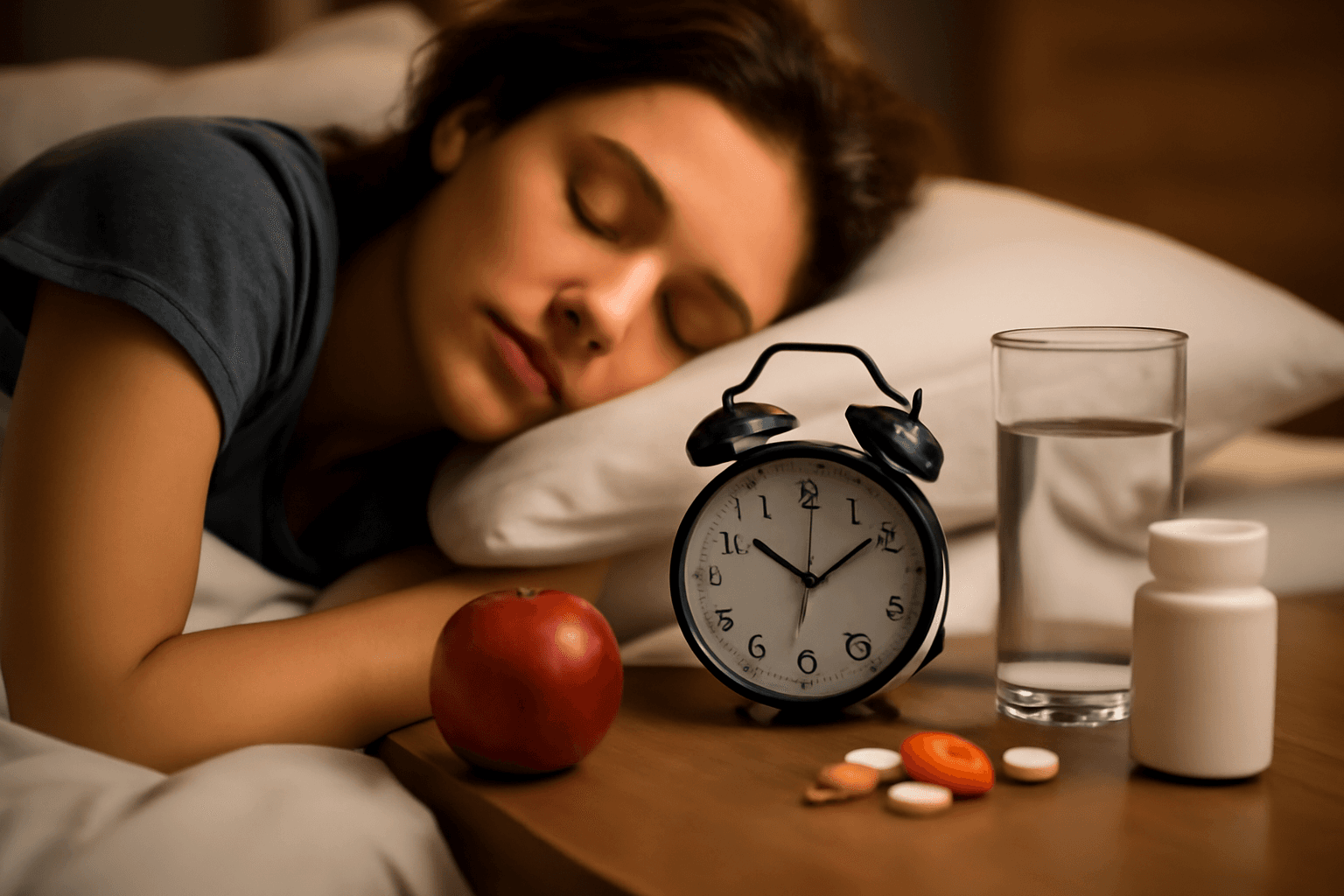
Sleep is not merely rest. Seven to eight hours of quality sleep per night is an essential physiological activity that regulates your body's hormonal balance, strengthens your immune system, stabilizes blood sugar levels, and relieves stress. However, 30-50% of modern adults suffer from insomnia, which can progress beyond simple fatigue into chronic disease. This article scientifically analyzes the causes of insomnia and presents practical solutions ranging from lifestyle improvements to natural supplements.
Four Reasons Why You Need to Improve Sleep Quality
First, decreased ability to regulate blood sugar. During sleep deprivation, insulin sensitivity decreases by 20-30%. This causes post-meal blood sugar to rise 15-20mg/dL higher than normal and increases the risk of developing diabetes by threefold. Sustained sleep of less than six hours severely damages glucose metabolism and can progress to metabolic syndrome.
Second, immunity drops dramatically. During sleep, your body activates NK cells (natural killer cells) and T cells to fight viruses and bacteria. People who sleep five hours or less are 4.5 times more likely to catch a cold than those who sleep seven hours or more, and vaccine effectiveness also decreases by more than 50%.
Third, stress hormones increase. During insomnia, cortisol (stress hormone) rises to 2-3 times normal levels, while relaxation hormones like serotonin and melatonin drop sharply. This triggers a chain reaction of anxiety, depression, and metabolic decline.
Fourth, antioxidant capacity decreases. During sleep, your body removes free radicals and repairs cells. When insomnia disrupts this process, oxidative stress accumulates, increasing the risk of skin aging, inflammatory diseases, and cardiovascular disease.
Insomnia Treatment
Insomnia treatment varies depending on the cause. Medically, it is divided broadly into pharmacological and non-pharmacological treatment.
Pharmacological treatment includes benzodiazepines, non-benzodiazepines (Z-drugs), and melatonin receptor agonists. While these medications are effective in the short term (2-4 weeks), long-term use can cause dependence and tolerance. The American Academy of Sleep Medicine recommends cognitive behavioral therapy over medication.
Cognitive Behavioral Therapy for Insomnia (CBT-I) is a treatment that corrects faulty thinking about insomnia and normalizes the sleep-wake cycle. When received under expert guidance for eight weeks, 60-80% of patients experience improvement. This has superior long-term effects compared to medication.
Sleep Restriction Therapy adjusts the time spent in bed to match actual sleep time. For example, for a patient sleeping only four hours, you would first restrict bed time to four and a half hours, then increase it by 15 minutes once sleep efficiency reaches 85% or higher.
Medical Note: If insomnia persists or worsens for more than two weeks, you must consult a sleep specialist or psychiatrist. Insomnia can be a symptom of underlying conditions such as thyroid dysfunction, sleep apnea, or depression.
Eight Lifestyle Factors That Affect Sleep
1. Caffeine intake timing
Since caffeine has a half-life of 5-6 hours, avoid caffeine after 2 p.m. A cup of coffee consumed at 7 p.m. still remains 50% in your system at midnight, disrupting sound sleep. People with the CYP1A2 gene variant—"slow caffeine metabolizers" (approximately 50% of the population)—have twice the caffeine sensitivity and need extra caution.
2. Dinner time and content
Digestion should be complete three hours before sleep for restful sleep. Avoid high-fat and high-protein foods due to longer digestion times, but consume tryptophan-rich foods (milk, cheese, eggs, nuts) 1-2 hours before sleep. Falling asleep in a low blood sugar state increases nighttime awakenings, so eating too lightly is also undesirable.
3. Screen exposure time
Blue light from smartphones, tablets, and TVs suppresses melatonin secretion. Using screens one hour before bed can reduce melatonin levels by up to 55%. Stopping screen use 60 minutes before bed or using blue light filters improves sleep quality by 20-30%.
4. Bedroom environment
The ideal sleep environment has a temperature of 16-19°C and light level of 0-5 lux. In reality, sleep disruption increases with each 1°C rise in bedroom temperature. A dark environment promotes melatonin secretion, making blackout curtains or sleep masks effective.
5. Exercise timing and intensity
Regular exercise improves sleep quality, but timing matters. Evening exercise, especially high-intensity workouts, activates the sympathetic nervous system, making sleep difficult. The parasympathetic nervous system needs at least three hours after exercise to become dominant. Morning or exercise before 3 p.m. is ideal.
6. Alcohol consumption
While alcohol induces initial drowsiness, it suppresses the central nervous system and severely disrupts sleep structure. Even one drink at midnight will cause you to wake at 2-3 a.m. and prevent falling back asleep. Limit consumption to one drink daily for women and two for men, and avoid alcohol four hours before sleep.
7. Sleep schedule irregularity
"Social jet lag"—sleeping two or more hours later on weekends—increases Monday morning fatigue. Since your circadian rhythm demands consistency, it's important to sleep and wake at the same time all seven days. Sleep time variability of two hours or more doubles the risk of metabolic disease.
8. Lack of stress management
Chronic stress elevates cortisol and is a major cause of insomnia. Mindfulness meditation, diaphragmatic breathing, and progressive muscle relaxation are scientifically proven stress reduction techniques. Just 10-15 minutes of daily meditation improves insomnia symptoms by 30%.
Natural Supplements to Improve Insomnia
Melatonin
Melatonin is a natural hormone produced by the pineal gland in the brain that regulates the sleep-wake cycle. Taking 0.5-5mg thirty minutes before bed shortens sleep onset time by an average of 15 minutes. However, long-term use exceeding three months may cause your body to reduce its own melatonin production, so a cycle of four weeks on and 1-2 weeks off is recommended.
Magnesium
Magnesium is a mineral that promotes nerve relaxation and lowers cortisol. Seventy percent of insomnia patients are magnesium deficient. Magnesium Glycinate has high absorption and minimal digestive side effects. Daily intake of 300-400mg improves sleep quality by 30%, and research showed a 15% increase in REM sleep time.
L-Theanine
L-Theanine is an amino acid abundant in green tea that increases alpha brain waves and induces a relaxed state. At 50-200mg doses, it shortens sleep onset time by 20 minutes without the alerting effects of melatonin. Since it's safe to take with caffeine, it can be consumed in the afternoon.
Probiotics from fermented foods
Neurotransmitters produced by gut microbiota regulate sleep. Since 90% of serotonin is produced in the gut, probiotics in fermented foods like yogurt, miso, kimchi, and kombucha increase production of GABA and serotonin, sleep-inducing substances. Research shows that daily consumption for eight weeks increases sleep efficiency by 25%.
Valerian root
Valerene, an active compound in valerian, acts on GABA receptors to produce a nerve-calming effect. Taking 400-900mg two hours before bed reduces insomnia symptoms by an average of 44%. However, there is an initial 3-4 day adaptation period to the aroma, and pregnant and nursing women should avoid it.
Chamomile and passionflower
The apigenin flavonoid found in chamomile tea acts directly on sleep receptors. People who drink chamomile tea every evening experienced a 21% improvement in sleep quality. Passionflower leaf extract has also been shown to reduce anxiety and improve sleep efficiency.
Chromium and inositol for blood sugar stabilization
Large blood sugar fluctuations cause frequent nighttime awakenings. Chromium and Inositol improve insulin sensitivity and stabilize blood sugar. Taking 200mcg chromium and 2000mg inositol in the evening reduces nighttime blood sugar fluctuation by 30%.
Important caution: Always consult your doctor before taking supplements. This is especially important if you're taking existing medications, are pregnant or nursing, or have liver or kidney disease. Supplements are not medications, and individual responses vary greatly, so effects should be evaluated after at least 4-6 weeks of continuous use.
Summary: Key Points for Improving Insomnia
First, sleep is the foundation of health. Blood sugar regulation, immunity, stress management, and antioxidant capacity all stem from adequate sleep. Sacrificing sleep for short-term productivity gains is a loss of long-term health.
Second, lifestyle habits are more powerful than medication. Limiting caffeine, maintaining consistent sleep times, restricting screens, optimizing bedroom environment, and regular exercise are more effective long-term than medication.
Third, natural supplements have proven effectiveness. Melatonin, magnesium, and probiotics from fermented foods have sufficient scientific evidence and high safety profiles. However, since individual responses vary greatly, effects should be evaluated after 4-6 weeks.
Fourth, professional consultation is essential. If insomnia persists for more than two weeks, accurate diagnosis and treatment from a doctor is more important than self-treatment. Underlying conditions may be present.
Insomnia is a common condition in modern adults but is treatable. A stepwise approach starting with lifestyle improvements, adding natural supplements if needed, and seeking professional consultation if not improved after four weeks is effective. Starting today, make your bedroom sleep-friendly, reduce evening screen time, and begin exercising regularly. Quality sleep is an investment.