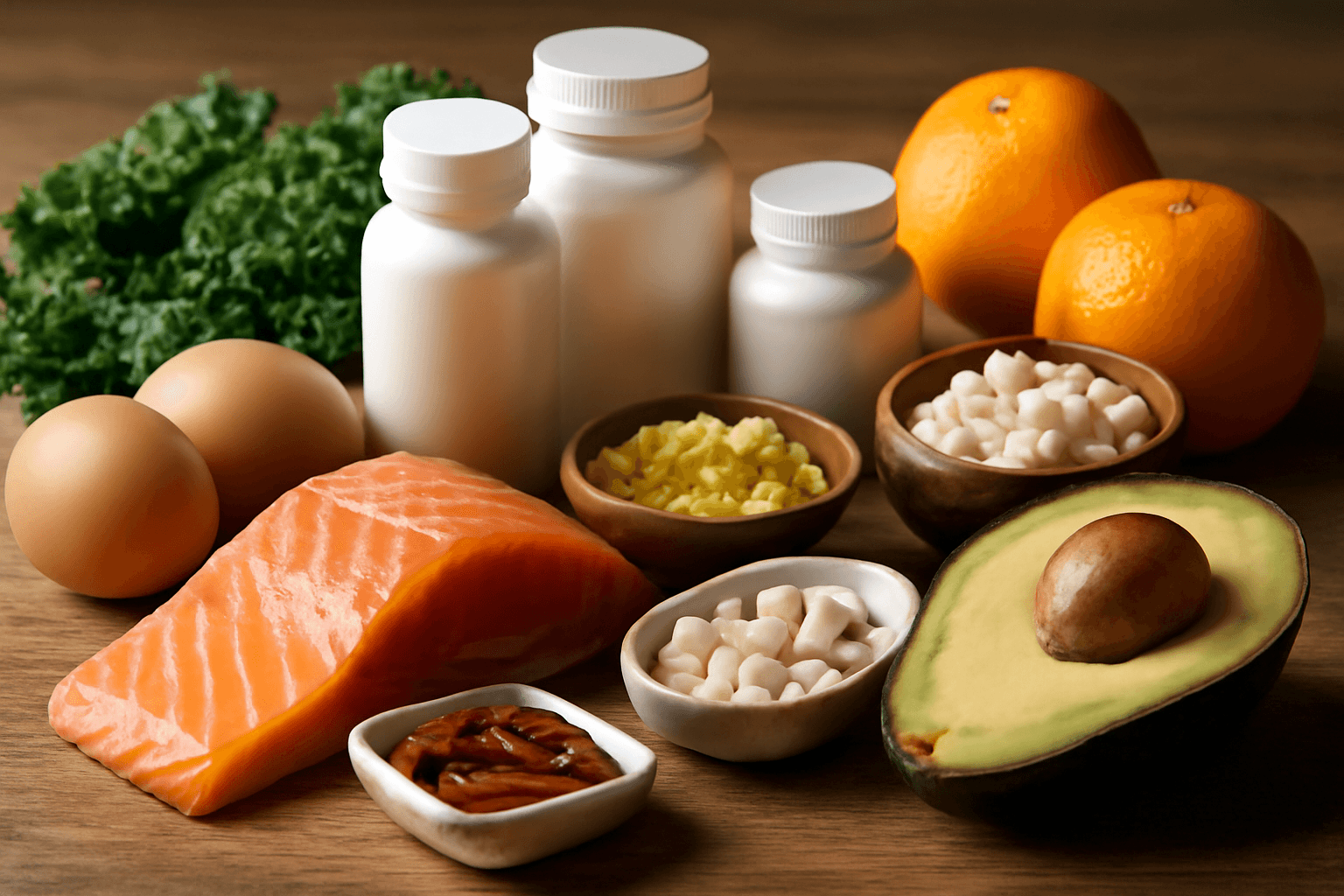
The ketogenic diet is a dietary approach that severely restricts carbohydrate intake and uses fat and protein as primary energy sources. Through this diet, the body enters a metabolic state in which it produces ketone bodies. During this process, more micronutrients are needed compared to a typical low-carbohydrate diet. In particular, deficiencies in iron, magnesium, B vitamin complex, omega-3 fatty acids, vitamins A, C, D, and calcium can occur. This article provides practical information on essential foods and supplements, starting from the principles of the ketogenic diet.
The Origins of the Ketogenic Diet
The ketogenic diet was developed in the United States in the 1920s for the treatment of epilepsy. Doctors at Johns Hopkins School of Medicine devised a dietary approach that severely restricted carbohydrates to reduce the frequency of seizures in epilepsy patients, and discovered that this method could reduce seizures without taking medication.
In the 1960s, Dr. Robert Atkins popularized this diet, and from the early 2000s onward, it began to be widely practiced with the goals of weight loss and metabolic improvement. What initially began as a medical treatment has now evolved into a practice for various purposes, including health management, energy enhancement, and improved mental focus.
Examples of Foods Allowed in the Ketogenic Diet
The core of the ketogenic diet is restricting net carbohydrate intake (carbohydrates minus dietary fiber) to 20-50g per day. Generally, the macronutrient distribution is 70-75% of daily calories from fat, 20-25% from protein, and 5-10% from carbohydrates.
Primary allowed foods:
- High-fat meats: beef, pork, lamb (especially fatty cuts like chuck and pork belly)
- Seafood: salmon, mackerel, sardines (types rich in omega-3)
- Eggs: complete protein and choline
- Cheese and full-fat dairy products: butter, cream, cheese
- Low-carb vegetables: broccoli, spinach, kale, avocado
- Nuts and seeds: macadamia, pecans, almonds, sesame
- Oils: olive oil, coconut oil, avocado oil
The Body's Glucose Metabolism Process
In a typical diet, carbohydrates are broken down into glucose through the digestive process, and this glucose is absorbed into the bloodstream. When blood sugar rises, the pancreas secretes insulin to transport glucose into cells. The glucose absorbed into cells is used for energy production (ATP generation), stored as glycogen in the liver and muscles, or the remainder is converted to fat and accumulated in adipose tissue.
Normal blood glucose levels are 70-100 mg/dL and should remain below 140 mg/dL two hours after eating. As this process repeats, insulin resistance can develop, which increases the risk of progression to type 2 diabetes. The ketogenic diet works by eliminating this glucose-insulin cycle, thereby maintaining stable blood sugar levels.
How Does the Ketogenic Diet Work?
When carbohydrate intake is severely restricted, the body's primary energy source shifts from glucose to fat. The process of breaking down fatty acids in the liver to produce ketone bodies (acetoacetate, beta-hydroxybutyrate, and acetone) is called ketosis.
It typically takes 3-7 days to enter a state of ketosis. During this period, the body depletes stored glycogen and begins using fat for energy while minimizing muscle breakdown. According to research, a body in ketosis can burn 60-75g of fat per day, which is more than three times higher than a standard low-fat diet.
Additionally, ketone bodies act as an alternative fuel for the brain, enhancing mental focus and reducing energy crashes and lethargy caused by blood sugar fluctuations. Many practitioners report that the afternoon slump phenomenon after 3 PM has disappeared.
Essential Foods in the Ketogenic Diet
Fat sources: The most important element in the ketogenic diet is the selection of healthy fats. A balance between saturated and unsaturated fats is important. Olive oil (contains oleic acid), avocado oil (contains lutein), and coconut oil (contains medium-chain triglycerides) each provide different health benefits. Daily calorie intake from fat should be approximately 1,400-1,800 calories.
Protein sources: Adequate protein intake is essential for muscle maintenance. Generally, protein intake of 1.2-1.6g per kilogram of body weight is recommended (84-112g for a 70kg person). Animal proteins such as eggs, mackerel, beef, and organic chicken are excellent because they contain all essential amino acids.
Low-carb vegetables: Avocado is rich in potassium (485mg/100g) and magnesium (29mg/100g), while broccoli contains vitamin C (89mg/100g) and vitamin K. Spinach is rich in iron (2.7mg/100g) and lutein, supporting eye health.
10 Important Supplements for the Ketogenic Diet
1. Magnesium
Approximately 70% of ketogenic diet practitioners experience magnesium deficiency. Magnesium is involved in over 300 enzyme reactions and is important for relieving muscle cramps, improving sleep quality, and regulating blood pressure. The daily recommended amount is 400mg for adult males and 310mg for females. Magnesium glycinate has high bioavailability and causes minimal digestive upset.
2. Electrolytes (Sodium, Potassium, Chloride)
In a state of ketosis, the body rapidly excretes water and electrolytes. If these are not replenished, symptoms of keto flu may appear. Daily sodium intake of 2,300-5,000mg and potassium of 2,600-3,400mg is appropriate. These can be replenished through Himalayan pink salt or electrolyte supplements.
3. B Vitamin Complex
In particular, B1 (thiamine), B5 (pantothenic acid), B6 (pyridoxal), and B12 (cobalamin) are essential for energy production and nerve function. B12 exists only in animal foods, so vegetarian ketogenic practitioners must take supplements. B12 deficiency can cause anemia, neuropathy, and reduced cognitive ability. The daily recommended amount of B12 is 2.4mcg.
4. Omega-3 Fatty Acids (EPA/DHA)
Omega-3 is important for inflammation regulation, heart health, and improved brain function. Although abundant in fatty fish like mackerel, salmon, and sardines, daily EPA/DHA intake may be insufficient. The recommended amount is 1,000-2,000mg per day. Fish oil supplements help suppress inflammatory responses by regulating the balance with omega-6.
5. Vitamin D
Vitamin D deficiency appears in 25-40% of ketogenic diet practitioners. Vitamin D is essential for calcium absorption, immune function, and mood regulation. The daily recommended amount is 20mcg (800IU), but many experts recommend 2,000-4,000IU intake. It is ideal to maintain blood 25-hydroxyvitamin D levels of 30ng/mL or higher.
6. Calcium
There is a risk of calcium deficiency in the ketogenic diet as dairy product intake may be limited. The recommended daily calcium intake for adults is 1,000-1,200mg. Calcium citrate is absorbed even in acidic environments, making it suitable for people with low stomach acid. Excessive intake increases the risk of kidney stones, so caution is necessary.
7. Iron
Vegetarian ketogenic practitioners are at particularly high risk of iron deficiency anemia. The daily recommended iron intake is 8mg for adult males and 18mg for premenopausal females. It is important to regularly check hemoglobin and ferritin levels. Iron excess causes oxidative stress, so indiscriminate supplementation without test results should be avoided.
8. Vitamin A
Vitamin A is a fat-soluble vitamin important for retinal health, immune function, and skin health. The daily recommended amount is 900mcg for adult males and 700mcg for females. Animal-derived vitamin A (retinol) is abundant in dairy products, egg yolks, and liver. Excessive intake can cause birth defects, requiring special attention during pregnancy.
9. Vitamin C
There is a risk of vitamin C deficiency in the ketogenic diet when low-carb fruit intake is restricted. The daily recommended amount is 90mg for adult males and 75mg for females. Vitamin C is essential for collagen synthesis, immune function, and antioxidant action. It can be supplemented through low-carb foods such as rosehips, black currants, and kale.
10. Sphingosine Base
Recent research has revealed that practitioners of high-fat diets are at risk for decreased sphingosine-1-phosphate (S1P) levels. This is associated with increased intestinal barrier permeability (leaky gut). Mushroom polysaccharide (beta-glucan) supplements help support gut microbiota diversity and normalize sphingosine levels.
Summary
Key points:
- The ketogenic diet induces a state of ketosis through carbohydrate restriction, promoting fat burning (60-75g fat burned daily).
- Electrolyte supplementation, including magnesium, potassium, and sodium, is essential and helps alleviate keto flu symptoms (headaches, fatigue, muscle cramps).
- B12, vitamin D, and iron deficiencies are common problems for ketogenic diet practitioners, so regular monitoring through blood tests is necessary.
- Supplementation with omega-3 fatty acids (1,000-2,000mg/day), calcium (1,000-1,200mg/day), and magnesium (310-400mg/day) is important for long-term health maintenance.
- Medical considerations: Consult with a doctor and nutritionist before starting the ketogenic diet and every 6 months thereafter. Especially if you have a history of diabetes, cardiovascular disease, kidney disease, or liver disease, proceed under medical supervision. This diet is not recommended if you are pregnant or breastfeeding. When taking supplements, always check for interactions with existing medications.