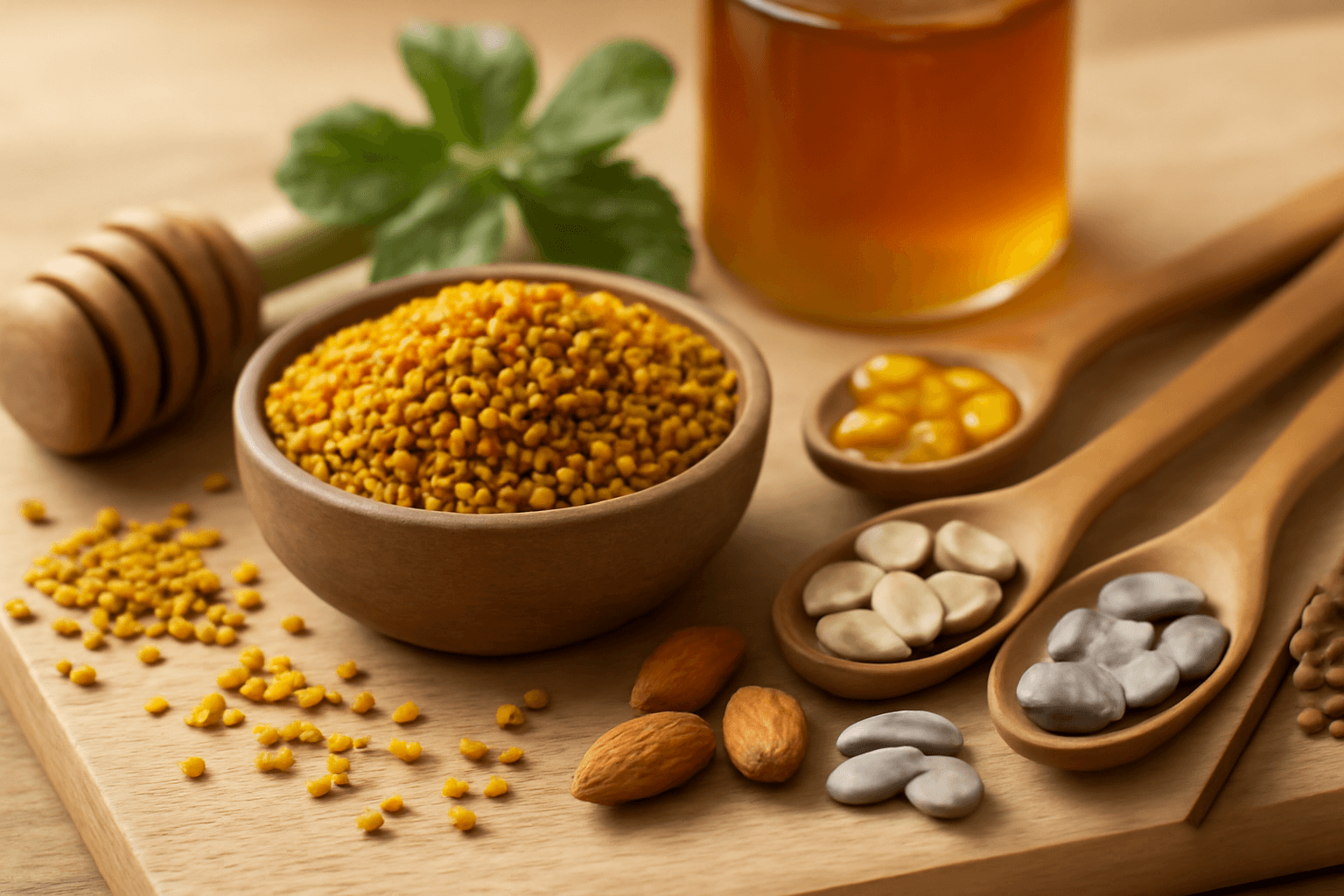
Bee pollen is a food created when honeybees collect pollen from flowers and store it in their hives—a complete nutritional package as a gift from nature. It is rich in essential minerals like iron, zinc, and magnesium, as well as B-complex vitamins, omega-3 fatty acids, and antioxidants, offering diverse health benefits including immune system enhancement, energy replenishment, and inflammation reduction. This article will explain in detail the nutritional value of bee pollen, its scientifically proven health benefits, and safe consumption methods.
What is Bee Pollen?
Bee pollen refers to pollen collected in the pollen baskets on the hind legs of honeybees. After collecting pollen from flowers, honeybees mix it with saliva secretions and honey, then store it in the hive as a primary protein source and essential food for raising young bees. Bee pollen consumed by humans refers to this stored pollen harvested from beehives.
The composition of bee pollen varies depending on the plants in the collection area, but generally contains 20-40% protein, 40-50% carbohydrates, and 5-15% fat. Particularly noteworthy are the antioxidant compounds in bee pollen such as flavonoids, phenolic acids, and carotenoids, which play an important role in preventing cell damage and preventing chronic diseases.
Traditional medicine has used bee pollen for a long time, and modern science is now verifying its nutritional value. Some studies have reported that bee pollen exhibits antibacterial, anti-inflammatory, and anti-cancer properties. However, since bee pollen is classified as a food, it cannot be used as a treatment for specific diseases and should be consumed for supplemental nutritional purposes.
What are the Health Benefits of Bee Pollen?
1. Strengthening Immunity with Iron and Zinc
Bee pollen contains approximately 2-3mg of iron per 100g, which can help prevent iron-deficiency anemia. Iron is essential for oxygen transport, energy metabolism, and cognitive function, and is a nutrient that women in particular—who lose significant iron through menstruation—must consume in adequate amounts. Since the iron in bee pollen is plant-based iron (non-heme iron), it is recommended to consume it with vitamin C-rich foods to increase absorption rates.
Zinc is an essential mineral for immune cell formation, antibody production, and wound healing. Bee pollen contains an appropriate amount of zinc, which can help prevent seasonal illnesses and support faster recovery. In particular, zinc depletion increases during stress or fatigue, so regular bee pollen consumption can contribute to strengthening the immune system.
2. Managing Muscle and Nerve Health with Magnesium
The magnesium content in bee pollen is approximately 10-15mg per 100g, which can supplement part of the daily recommended intake (320-420mg). Magnesium plays an important role in muscle contraction, nerve signal transmission, and energy production. Magnesium deficiency can result in symptoms such as muscle cramps, headaches, fatigue, and anxiety.
Bee pollen can be particularly useful for people who exercise frequently, modern individuals under stress, and those experiencing sleep issues. Since magnesium promotes the production of the sleep hormone melatonin and calms the nervous system, consuming it in the evening can also help improve sleep quality.
3. Promoting Energy Metabolism with B-Complex Vitamins
Bee pollen evenly contains B1 (thiamine), B2 (riboflavin), B3 (niacin), B5 (pantothenic acid), B6, and B12 vitamins. These vitamins are directly involved in converting carbohydrates, fats, and proteins into energy, so they can be helpful for people with chronic fatigue or low-energy states.
In particular, vitamin B12 is a nutrient difficult to obtain from plant-based foods, though trace amounts have been detected in some bee pollen products. B-complex vitamins are also important for nervous system health, stress management, and mental health maintenance. Therefore, vegetarians or people with irregular eating habits can improve their energy levels by consuming bee pollen.
4. Promoting Cardiovascular Health with Omega-3 Fatty Acids
Bee pollen contains a small amount of omega-3 fatty acids (ALA, alpha-linolenic acid). Omega-3 helps regulate inflammatory responses, improve blood clotting, and maintain blood vessel elasticity. While bee pollen alone cannot meet the daily omega-3 recommendation (1.1-1.6g), it can contribute as part of an overall diet.
In particular, polyunsaturated fatty acids such as linoleic acid found in bee pollen can help improve total cholesterol and LDL cholesterol levels. This leads to reduced cardiovascular disease risk and improved blood vessel health.
5. Preventing Aging and Alleviating Inflammation with Antioxidants
The flavonoids and polyphenols abundant in bee pollen act as powerful antioxidants. They can neutralize free radicals, prevent cell damage, and slow the aging process. One study reported that bee pollen extract inhibited cancer cell growth and demonstrated anti-inflammatory effects.
Chronic inflammation can be the root cause of diabetes, heart disease, and autoimmune diseases, and the anti-inflammatory compounds in bee pollen can help alleviate this. In particular, people with arthritis or in a state of chronic inflammation may experience symptom improvement with regular bee pollen consumption.
6. Protecting Vision with Vitamin A and Carotenoids
The carotenoid content in bee pollen (lutein, zeaxanthin, and beta-carotene) is essential for eye health. These compounds help prevent macular degeneration of the retina and alleviate eye fatigue. They are particularly useful for protecting the vision of modern individuals who spend long hours looking at screens.
The vitamin A found in bee pollen helps with vision adaptation in dark environments and protects eye tissue through antioxidant action. Regular bee pollen consumption can also contribute to preventing age-related vision decline.
7. Preventing Infection with Vitamin C and Antibacterial Compounds
Bee pollen contains vitamin C and antibacterial compounds such as flavonoids, which can help prevent bacterial and viral infections. Some studies have reported that bee pollen extract inhibited the growth of harmful bacteria such as E. coli and Staphylococcus aureus.
Since vitamin C enhances immune cell function and promotes antibody production, bee pollen consumption during cold and flu season can be a natural immune-boosting strategy. However, bee pollen should not be used as a substitute for antibiotics, and serious infections require medical treatment from a healthcare professional.
8. Promoting Calcium Absorption with Vitamin D
Bee pollen contains small amounts of vitamin D and calcium. Vitamin D is essential for promoting calcium absorption and maintaining bone health. In particular, people with limited sun exposure during certain seasons or those who spend much time indoors can partially supplement vitamin D deficiency by consuming bee pollen.
Bone health becomes increasingly important with age, and the mineral content in bee pollen can contribute to maintaining bone density and preventing osteoporosis. It can be particularly helpful for managing bone health in postmenopausal women.
Is Bee Pollen Good for Your Health?
Scientific Evidence and Research Results
Scientific research demonstrating the health benefits of bee pollen continues to be published. A study published in the International Journal of Nutrition in 2019 reported that bee pollen has very high antioxidant capacity, with bee pollen from Eastern regions showing particularly high flavonoid content. Another study showed that bee pollen consumption helped with blood sugar control and improved insulin sensitivity.
Research in Korean traditional medicine and pharmacy has also confirmed the anti-inflammatory, anti-cancer, and antioxidant effects of bee pollen, with particularly promising results in animal cell studies. However, since most of these results are based on test-tube or animal experiments, more large-scale clinical trials in humans are needed.
Realistic Expected Effects and Limitations
Bee pollen is certainly a nutritious food, but it must be clear that it is not a cure-all. Without fundamental lifestyle habits such as healthy eating, regular exercise, adequate sleep, and stress management, the effects of bee pollen are limited.
The realistic role of bee pollen is to serve as a supplementary food in an overall diet. By consistently consuming the recommended daily intake of 1-3 tablespoons (15-30g), you can expect the following effects:
- Improved everyday fatigue (noticeable changes within 1-2 weeks)
- Increased energy levels (with continued consumption)
- Strengthened immunity and reduced frequency of colds (with consistent consumption for 3-6 months)
- Improved digestive function (increased beneficial gut bacteria)
- Improved skin condition (cumulative effects of antioxidants)
- Alleviated chronic inflammation (consumption for 3+ months)
Effects by Target Group
1. Athletes and Fitness Enthusiasts
The rich protein and amino acid content in bee pollen promotes muscle recovery. Consumption within one hour after exercise can promote protein synthesis and accelerate muscle damage recovery.
2. Menopausal Women
The phytoestrogens in bee pollen (dietary flavonoids) can help alleviate menopausal symptoms. However, if there is a history of hormone-sensitive cancer, consultation with a specialist is essential.
3. People with Digestive Health Issues
The probiotic compounds and dietary fiber found in bee pollen improve gut health. People experiencing irregular bowel movements, abdominal bloating, or irritable bowel syndrome symptoms may experience improvement with consumption.
4. Allergy Sufferers
Some research suggests that bee pollen alleviates allergy symptoms. Particularly for those with pollen allergies, it is important to start with a small amount (1 tablespoon) and observe body response before increasing consumption. However, caution is necessary since bee pollen itself can be an allergen.
Precautions and Side Effects
While bee pollen is generally a safe food, you should consult with a healthcare professional before consumption in the following cases:
- Bee Product Allergies: If you are allergic to honey or propolis, bee pollen may also trigger allergic reactions. If symptoms such as hives, itching, or difficulty breathing occur, immediately stop consumption and visit a medical facility.
- During Pregnancy and Breastfeeding: Since the safety of bee pollen has not been completely established, pregnant or breastfeeding women should consult with a doctor before consumption.
- Taking Blood Thinners: The anticoagulant compounds in bee pollen may interact with certain medications, so consultation with a doctor is necessary if you are taking warfarin or other anticoagulants.
- Taking Diabetes Medications: Since bee pollen may lower blood sugar, blood sugar monitoring is necessary if you are taking diabetes medications.
- Taking Immunosuppressants: The immune-boosting effects of bee pollen may reduce the efficacy of certain medications.
Proper Consumption Method
Recommended Intake: For healthy adults, 1-3 tablespoons (15-30g) per day is recommended. For first-time consumers, it's best to start with 1/2 tablespoon, observe body response, and gradually increase the amount.
Time of Consumption: Consumption on an empty stomach in the morning or after exercise ensures higher absorption rates. Consuming late in the evening should be avoided as stimulating compounds may interfere with sleep.
Consumption Methods:
- Mix with honey or yogurt and consume
- Mix in warm water or milk (avoid temperatures above 50°C as high heat can destroy nutrients)
- Sprinkle on smoothies or cereal
- Direct consumption (chew slowly as it may cause throat irritation)
Storage Method: Bee pollen is sensitive to moisture and heat, so it should be stored in the refrigerator (2-4°C) in an airtight container. Storing at room temperature for extended periods causes oxidation and reduces effectiveness. It is generally recommended to consume within 2-3 months after opening.
Importance of Quality Selection
The effectiveness of bee pollen is greatly influenced by its quality. It's best to select products based on the following criteria:
- Check Origin: Choose products harvested from reputable apiaries
- Pesticide Testing: Choose organic-certified products or those tested for pesticide residues
- Check Additives: Choose products without artificial coloring, preservatives, or added sugar
- Certification Marks: Choose products approved by the Food and Drug Administration or international certification agencies
- Freshness: Check the harvest date or expiration date
Conclusion
Bee pollen is nature's gift of nutritional treasure. With its simultaneous content of essential minerals like iron, zinc, and magnesium, along with B-complex vitamins and antioxidants, it excels at supplementing nutritional deficiencies caused by modern people's irregular eating habits.
Key Summary
Main Health Benefits of Bee Pollen:
- Immune System Strengthening: Iron and zinc promote immune cell formation and antibody production.
- Improved Energy Metabolism: B-complex vitamins assist in converting carbohydrates and fats into energy.
- Anti-Inflammatory and Antioxidant: Flavonoids and polyphenols prevent cell damage and alleviate chronic inflammation.
- Cardiovascular Health: Omega-3 fatty acids and essential minerals enhance blood vessel health.
- Vision Protection: Carotenoids and lutein protect eye health.
- Bone Health: Calcium and vitamin D help maintain bone density.
Guide for Safe Consumption:
- Daily Intake: 1-3 tablespoons (15-30g) for healthy adults
- First-time consumers should start with 1/2 tablespoon and gradually increase
- Refrigerate (2-4°C) to prevent oxidation
- Consume within 2-3 months after opening
- Prohibited if you have bee product allergies
- Essential to consult with a doctor if taking certain medications or if pregnant
Final Note: Bee pollen is a supplementary food, not a treatment. If you have a specific disease or symptoms persist, do not rely solely on bee pollen consumption and be sure to consult with a healthcare professional. Maximum health benefits from bee pollen can be expected when it is used as a supplementary food alongside healthy eating habits, regular exercise, adequate sleep, and stress management.


