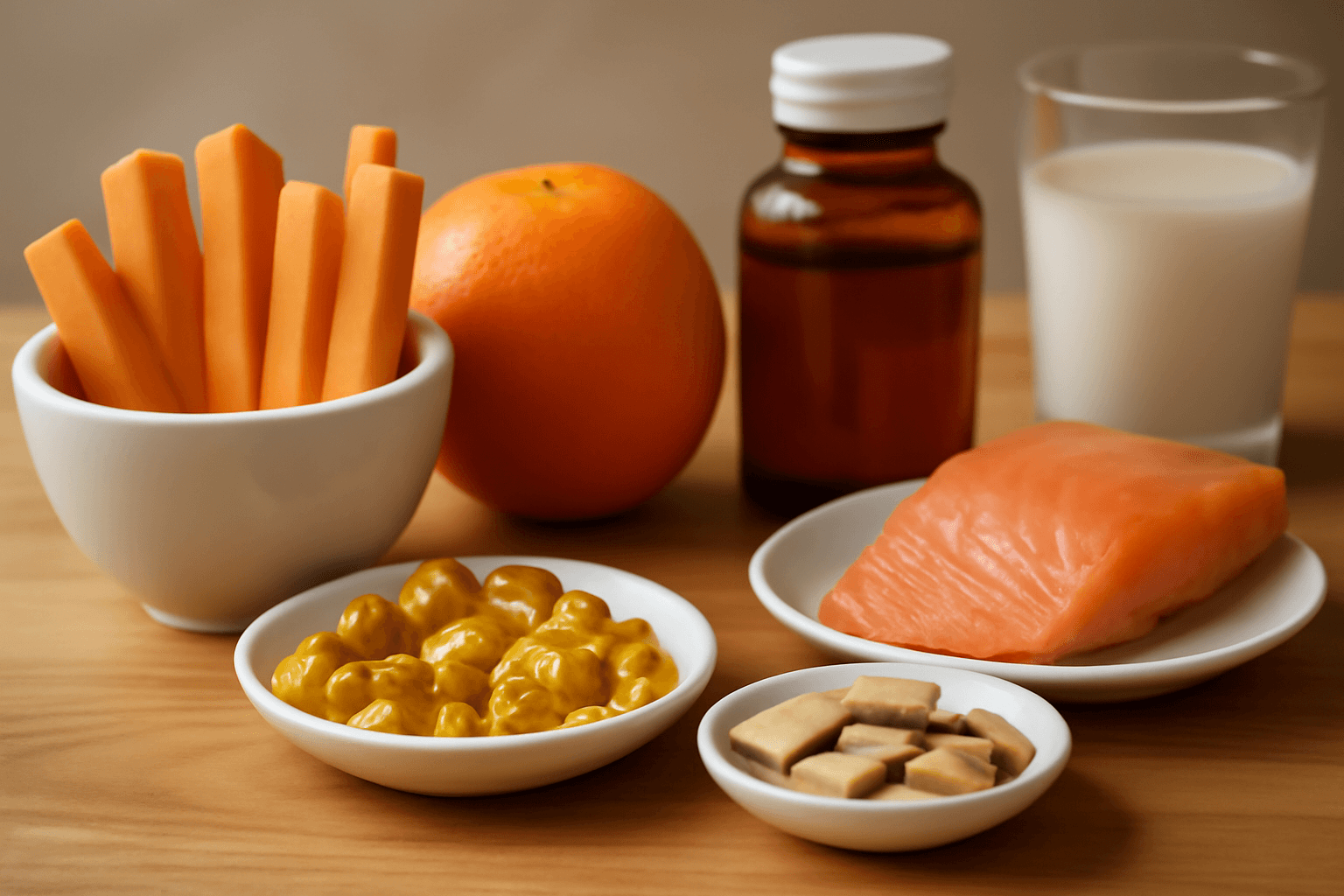
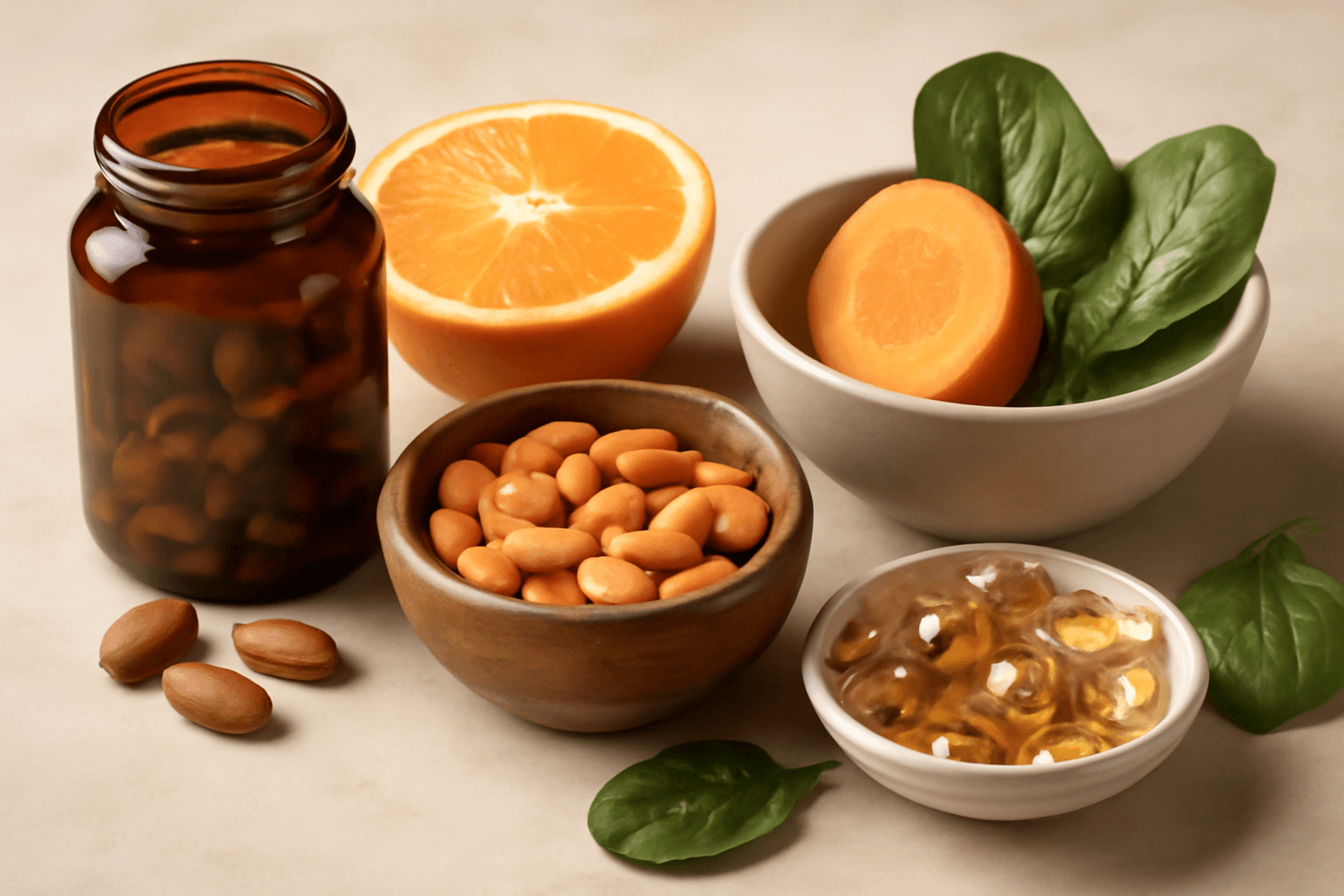
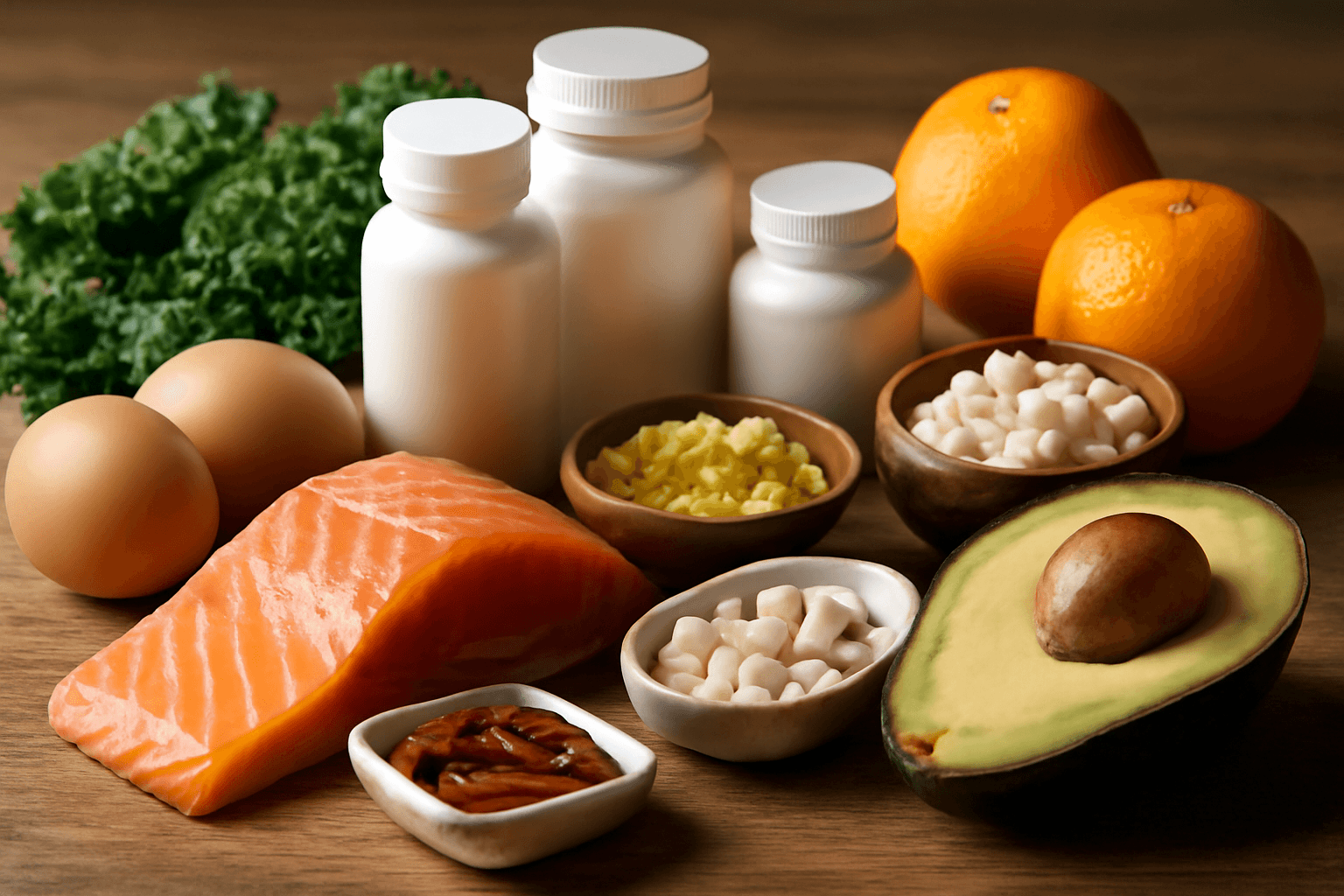
Our bodies need dozens of essential nutrients every day. In particular, vitamins and minerals known as micronutrients are required in small amounts, but deficiencies can lead to serious health problems. This article provides specific guidance on how to effectively consume key micronutrients including magnesium, B vitamins, omega-3, vitamins A, C, D, calcium, and vitamin K.
What Are Micronutrients?
Micronutrients refer to vitamins and minerals that our bodies need in small daily amounts but are essential for maintaining life. According to a 2023 World Health Organization (WHO) report, approximately 200 million people worldwide suffer from vitamin A deficiency, and about 800 million are iodine deficient.
Micronutrients play the following important roles:
- Energy metabolism: B vitamins serve as essential coenzymes in converting food to energy. Vitamin B12 deficiency can cause chronic fatigue and cognitive decline.
- Immune function: Vitamins C and D promote white blood cell production and antibody formation. Research shows that people with vitamin D levels of 30ng/mL or higher have a 30% lower incidence of colds.
- Bone health: Calcium, magnesium, vitamin K, and vitamin D work together to maintain bone density. The incidence of osteoporosis in women over 50 is approximately 30%, but it can be prevented with adequate micronutrient intake.
- Antioxidant action: Vitamins A, C, and E eliminate free radicals to prevent cell damage and delay aging.
- Nerve function: Magnesium and vitamin B6 are necessary for neurotransmitter synthesis. Deficiency can increase depression and anxiety.
According to the Korean Dietary Reference Intake (2020), the daily recommended intake for adult males is 100mg of vitamin C, 10-15μg of vitamin D, and 800mg of calcium. However, a 2021 survey by the Korean Academy of Nutrition found that approximately 40% of Korean adults have insufficient vitamin D intake.
What Vitamins Do You Need?
B Vitamins
B vitamins consist of eight types (B1, B2, B3, B5, B6, B7, B9, B12) and are essential for energy production and nerve function. In particular, vitamin B12 exists only in animal foods, so vegetarians face a high risk of deficiency.
Symptoms of B vitamin deficiency:
- Vitamin B1 deficiency: Fatigue, neuralgia, muscle weakness
- Vitamin B3 deficiency: Skin problems, digestive disorders
- Vitamin B9 (folate) deficiency: Anemia, increased risk of neural tube defects during pregnancy
- Vitamin B12 deficiency: Pernicious anemia, neuropathy, cognitive decline
How to consume B vitamins:
- B1: Pork (0.9mg per 100g), sunflower seeds, brown rice, legumes. Daily recommended amount 1.2-1.5mg
- B2: Eggs, mushrooms, almonds. Daily recommended amount 1.3-1.6mg
- B3: Chicken breast, tuna, mushrooms. Daily recommended amount 14-16mg
- B12: Oysters (16.5μg per 100g), beef, salmon, eggs. Vegetarians need fortified foods or supplements (2.4μg daily)
- B9: Spinach, broccoli, asparagus, lentils. Daily recommended amount 400μg
Vitamin A
Vitamin A is essential for rhodopsin synthesis in the retina, making it important for preventing night blindness, maintaining skin health, and enhancing immune function. It exists in retinol form in animal foods and carotene form in plant foods. When converted to retinol activity equivalents (RAE), carotene is absorbed at a ratio of approximately 12:1.
How to consume vitamin A:
- Animal foods: Liver (8,100μg RAE retinol per 100g beef liver), eggs, milk, cheese
- Plant foods: Carrots (8,285μg carotene per 100g), sweet potatoes, spinach, kale, bell peppers. Carotene absorption increases 3-5 times when cooked.
- Absorption tips: As a fat-soluble vitamin, absorption improves when consumed with oil. Cooking 100g of carrots with 1 tablespoon of olive oil increases carotene absorption by approximately 65%.
- Daily recommended amount: Adult males 900μg RAE, females 700μg RAE
Vitamin C
Vitamin C plays roles in collagen synthesis, iron absorption promotion, and acts as a powerful antioxidant. As a water-soluble vitamin, it is easily lost during cooking, and since the body doesn't store it, it must be consumed daily.
How to consume vitamin C:
- Fresh fruits: Kiwi (92mg per 100g), oranges, strawberries, papaya. Raw consumption is the best method.
- Vegetables: Bell peppers (127mg per 100g), broccoli, kale, tomatoes. Blanching slightly can reduce vitamin C loss by approximately 40%.
- Storage tips: Vitamin C is lost at 5-10% per day at room temperature, so refrigeration is recommended. Frozen fruits have nearly the same vitamin C content as fresh fruits.
- Daily recommended amount: Adults 90-100mg. Smokers should increase to 135mg
Vitamin D
Vitamin D is a hormone that promotes calcium absorption and regulates immune function. It is produced when skin is exposed to ultraviolet B rays, but the production amount varies greatly depending on latitude, season, skin tone, and age. Approximately 80% of Koreans have vitamin D deficiency during winter.
How to consume and produce vitamin D:
- Food: Salmon (447IU per 100g), egg yolks, milk (fortified products), mushrooms (after sun exposure). While regular mushrooms have low vitamin D content, exposing them to sunlight for 1 hour increases vitamin D content 10 times.
- Sun exposure: 20-30 minutes around noon with arms and legs exposed can produce 80% of daily needs. However, SPF 30+ sunscreen reduces vitamin D production by 75%.
- Supplements: Essential especially during winter or for people with limited outdoor exposure. Daily recommended amount 10-15μg (400-600IU). Blood vitamin D level of 30ng/mL or higher is recommended
Caution: Excessive intake can cause hypercalcemia, kidney stones, and vascular calcification. Long-term consumption of more than 4,000IU daily should be done only after consulting with a doctor.
What Minerals Do You Need?
Magnesium
Magnesium is involved in more than 300 biochemical reactions and is essential for bone health, muscle function, nervous system stability, and blood pressure regulation. Approximately 60% of Koreans have insufficient magnesium intake, and deficiency causes muscle cramps, insomnia, and migraines.
How to consume magnesium:
- Nuts: Almonds (270mg per 100g), walnuts, cashews. A handful (approximately 30g) daily is recommended
- Seeds: Pumpkin seeds (535mg per 100g), sunflower seeds, sesame seeds. Great for adding to smoothies or yogurt.
- Green vegetables: Spinach (79mg per 100g), kale, chard. The center of chlorophyll molecules is magnesium, so green vegetables are rich in it.
- Whole grains: Brown rice (84mg per 100g), oats, barley
- Legumes: Black beans (172mg per 100g), lentils, chickpeas
- Daily recommended amount: Adult males 420mg, females 320mg
Absorption promotion tips: Vitamins D and calcium promote magnesium absorption. Additionally, caffeine increases magnesium excretion, so excessive coffee consumption should be avoided.
Calcium
Calcium forms the structure of bones and teeth, and is essential for muscle contraction, nerve signal transmission, and blood clotting. The required amount varies by age and gender, and the importance of calcium intake is increasingly emphasized due to rising osteoporosis incidence in women over 50.
How to consume calcium:
- Dairy products: Milk (approximately 220mg per 200mL), yogurt (approximately 100mg per 100g), cheese (approximately 200mg per 30g). Low-fat or fat-free products have the same calcium content.
- Fish: Anchovies (520mg per 100g), canned sardines (with bones), salmon. Foods where you can consume small bones are optimal.
- Plant foods: Soy milk (fortified products, 200-300mg per 200mL), tofu (approximately 150mg per 100g), broccoli (approximately 47mg per 100g), kale (approximately 150mg per 100g), black sesame seeds
- Fortified foods: Orange juice, soy milk, soy yogurt, and other calcium-fortified products
- Daily recommended amount: Adults 800-1,000mg. Post-menopausal women 1,000-1,200mg
How to promote absorption: Vitamin D enhances calcium absorption by up to 65%. Therefore, sun exposure or vitamin D supplementation should accompany calcium food consumption. Consuming more than 500mg of calcium at once in a single meal reduces absorption rate, so dividing intake across multiple meals is more efficient.
Vitamin K
Vitamin K has two forms. Vitamin K1 (phylloquinone) is abundant in plant foods, while vitamin K2 (menaquinone) exists in animal foods and fermented foods. It is essential for blood clotting and bone protein synthesis, with K1 primarily working in the liver and K2 in bones and blood vessels.
How to consume vitamin K:
- Vitamin K1 (plant-based): Kale (145μg per 100g), spinach (483μg per 100g), broccoli (102μg per 100g), asparagus, green vegetables. Vitamin K absorption increases more than twice when cooked.
- Vitamin K2 (animal-based/fermented foods): Cheonggukjang (approximately 200μg per 100g), natto (approximately 870μg per 100g), miso, cheese, eggs, butter. Bacteria synthesize it during fermentation.
- Daily recommended amount: Adult males 120μg, females 90μg
Caution: People taking anticoagulants (warfarin) should maintain consistent vitamin K intake. Sudden increases in vitamin K can reduce drug effectiveness, so consult with your doctor.
Omega-3
Omega-3 is an essential fatty acid that plays a key role in brain health, cardiovascular health, and anti-inflammatory action. It has three forms: alpha-linolenic acid (ALA), eicosapentaenoic acid (EPA), and docosahexaenoic acid (DHA). The ratio of omega-3 to omega-6 in Korean diets is approximately 1:20, which is imbalanced.
How to consume omega-3:
- Fatty fish: Salmon (1.5g EPA+DHA per 100g), mackerel, sardines, herring, tuna. Consumption of 150g, 2-3 times per week is recommended.
- Plant-based omega-3 (ALA): Flaxseeds (22.8g ALA per 100g), chia seeds, walnuts (9.1g ALA per 100g), canola oil. ALA converts to EPA and DHA in the body with only 5-10% efficiency, so direct EPA/DHA consumption is more effective.
- Supplements: Fish oil supplements (1-2g daily EPA+DHA recommended), algae-based vegan supplements
- Daily recommended amount: EPA+DHA minimum 250-500mg, 1-2g for cardiovascular disease prevention
Freshness management: Omega-3 is susceptible to oxidation, so freezing is recommended. Freezing fish preserves EPA and DHA content. It is heat-sensitive, with approximately 30% loss when lightly grilled and over 60% loss with high-temperature frying.
Conclusion: Learn Carefully and Consume Mindfully
Personalized Consumption Strategy
Micronutrient intake varies based on individual age, gender, health status, and dietary habits. Healthy adults can obtain sufficient micronutrients from a balanced diet alone. However, people with specific conditions or following specific diets (vegetarian, vegan, low-carb, etc.) may need supplements.
- Pregnant and nursing women: Folate (B9) 400-800μg, iron 27mg, calcium 1,000mg essential. Folate supplementation should begin 3 months before pregnancy to prevent neural tube defects in the fetus
- Post-menopausal women: Calcium 1,200mg, vitamin D 15μg, adequate vitamin K intake to prevent osteoporosis
- Vegetarians/vegans: Vitamin B12, iron, zinc, and omega-3 (algae-based) supplements are essential
- Elderly (65 and over): Vitamin B12 absorption decreases, requiring supplements; vitamin D increased to 20μg; calcium 1,200mg
- Athletes: Increased magnesium needed (prevent muscle cramps), omega-3 (promote recovery)
Precautions When Choosing Supplements
The market offers many nutritional supplements, but not all have the same effects. Consider the following criteria when selecting:
- MFDS certification: Check for health functional food marks. Unlike pharmaceuticals, functional claims are more limited.
- Check contents: Choose products containing 100% or more of the daily recommended intake. Overly high-content products increase side effect risk
- Purity and additives: Choose products with minimal unnecessary artificial colors, synthetic flavors, and excessive excipients
- Check interactions: Verify interactions with medications you're taking. For example, iron supplements reduce absorption when taken with calcium or caffeine
Summary: Key Points of Micronutrient Consumption
Core principle: "Food first, supplements second"
Consuming micronutrients from food sources is best. Foods contain not just single nutrients but hundreds of bioactive compounds, and their synergistic effects enhance health.
Five actionable steps to implement:
- Consume foods of various colors: Eat 5-7 different colored fruits and vegetables weekly. Red (tomatoes, bell peppers), orange (carrots, sweet potatoes), yellow (corn), green (spinach, broccoli), purple (blueberries), black (black beans)
- Diversify protein sources: Consume meat, fish, eggs, and legumes in balance to secure various minerals like B12, iron, and zinc
- Choose whole grains: Choose brown rice over white rice, and black rice over brown rice to increase B vitamin and magnesium intake
- Regular blood tests: Check vitamin D, B12, and iron levels once every 1-2 years. Get tested after medical consultation if fatigue persists or specific symptoms occur
- Consult healthcare professionals: Before deciding to take supplements or when health issues arise, consult with a doctor or nutritionist. Prevent overdose and side effects from self-diagnosis
Caution: The information in this article is general health information, and necessary nutrients may vary depending on individual health status and conditions. Particularly if you have chronic diseases, are taking medications, or have allergies, you must consult with healthcare professionals before deciding on diet or supplements. Excessive micronutrient consumption can cause toxicity, so balance is important.