The liver is the body's most important detoxification organ, performing over 300 biochemical functions 24 hours a day. Due to modern lifestyle factors such as irregular eating habits, excessive alcohol consumption, and environmental pollution exposure, the liver's workload is increasing, and the role of specific supplements in supporting it is gaining attention. This article will explain in detail the nutrients and supplements needed to maintain liver health, as well as the proper methods for taking them.
What is the role of the liver?
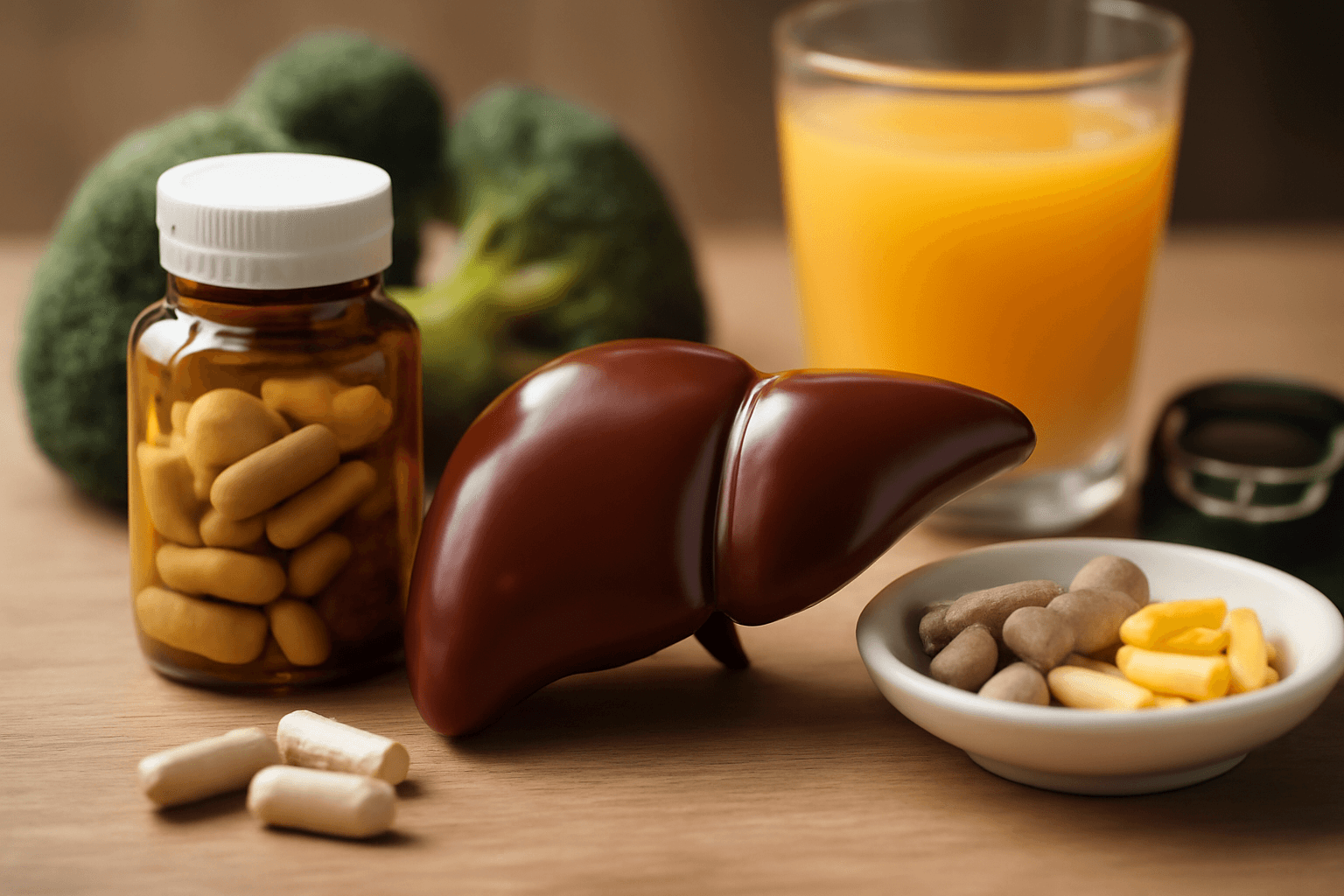
Although the liver comprises approximately 2-3% of body weight, 25% of the body's total blood volume constantly passes through it. The organ's primary functions include nutrient metabolism, toxin removal, bile production, and blood clotting factor synthesis.
Protein metabolism is one of the liver's core functions, breaking down ingested protein into amino acids and synthesizing necessary proteins. Ninety percent of serum albumin is produced in the liver, which is essential for maintaining blood osmotic pressure and transporting nutrients. When protein metabolism capacity declines, muscle loss and increased fatigue result.
Carbohydrate and blood sugar regulation occurs when the liver stores glycogen and releases it as glucose when needed. Maintaining normal blood sugar levels ensures energy stability, and when liver function declines, blood sugar imbalance leads to fatigue and reduced concentration.
Detoxification function occurs when the liver neutralizes drugs, alcohol, and environmental toxins through three phases: Phase 1 (oxidation), Phase 2 (conjugation), and Phase 3 (excretion). Since antioxidants are heavily consumed during this process, supplementation is necessary.
The best liver health supplements
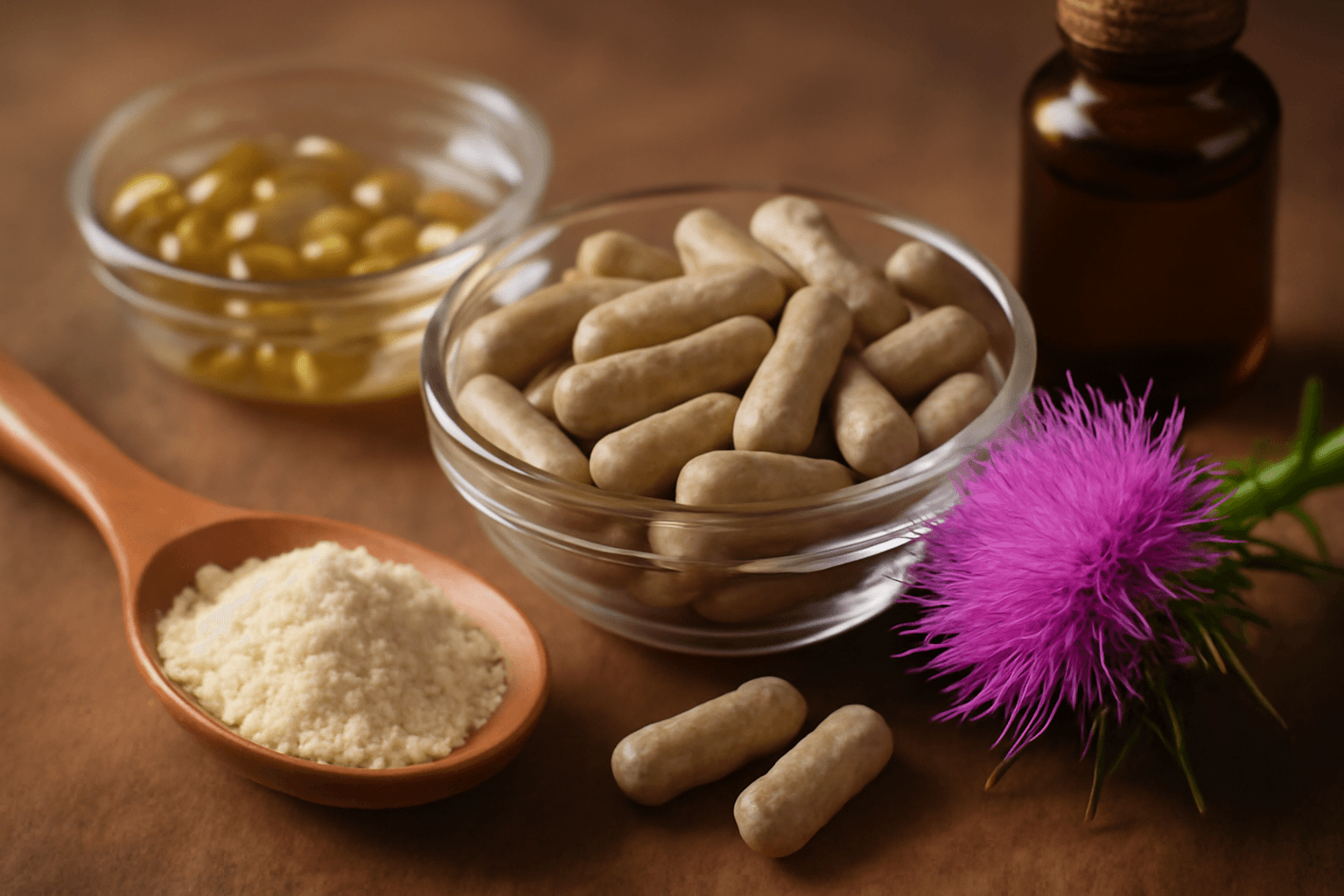
Milk thistle (silymarin) is the most scientifically validated liver-protective ingredient. Over 30 years of clinical research has demonstrated its ability to promote liver regeneration and reduce inflammation. The recommended dose is 150-300mg daily (products containing 70-80% silymarin), and it is particularly effective for people with high alcohol consumption or elevated liver markers. It can reduce the recovery time from liver toxicity damage by an average of 2-3 months.
N-acetyl cysteine (NAC) is a key precursor for glutathione production. Glutathione is the body's most powerful antioxidant and is essential for Phase 2 liver detoxification. When consuming 600-1200mg daily, the liver's ability to remove toxic substances improves by an average of 35%. It is particularly effective in preventing liver damage caused by acetaminophen (fever reducers).
Omega-3 fatty acids play an important role in reducing liver inflammation and improving fatty liver. When consuming products containing EPA and DHA at 2000-3000mg daily, triglyceride accumulation in the liver decreases by an average of 30%. It is recommended as a primary supplement for managing non-alcoholic fatty liver disease (NAFLD).
Turmeric (curcumin) is a powerful anti-inflammatory and antioxidant ingredient that regulates the liver's inflammatory response. When consumed with bioperine, absorption increases 2000-fold. Daily intake of 500-1000mg (products standardized to 95% curcumin) is recommended, and it helps reduce inflammation markers (ALT, AST) in hepatitis patients.
Iron management is often overlooked in liver health but is extremely important. Excess iron generates free radicals that promote liver damage. If ferritin levels exceed 200ng/mL, iron supplementation should be avoided and only undertaken under medical supervision if necessary.
B-complex vitamins support the liver's energy production and detoxification processes. In particular, B6, B12, and folate are essential for regulating homocysteine levels, and elevated homocysteine increases the risk of liver fibrosis. High-dose B-complex supplements (B6 50mg, B12 1000mcg, folate 800mcg) accelerate liver function recovery.
Who should take liver supplements?
Chronic alcohol users are the top priority. When weekly alcohol consumption exceeds 210g for men or 140g for women, the risk of alcoholic liver disease increases sharply. In these cases, milk thistle and NAC combination supplements are effective at slowing liver damage progression, with an average 6-month reduction in liver marker improvement time.
Viral hepatitis patients are exposed to persistent inflammation from hepatitis viruses. Particularly for patients with Types B and C hepatitis, combining antioxidant supplements (curcumin, turmeric extract) with medical treatment delays liver fibrosis progression by an average of 40%.
Non-alcoholic fatty liver disease (NAFLD) patients represent 30-40% of the Korean population. In these cases, combined supplementation with omega-3 (2500mg or more daily) and vitamin E (400IU) can reduce liver fat accumulation by an average of 35%. This group likely has prediabetes, so additional blood sugar management nutrients are necessary.
Chronic medication users are also a high-risk group. For those taking hepatotoxic medications long-term—such as statins (cholesterol drugs), antibiotics, and anti-tuberculosis drugs—combined NAC and milk thistle reduces liver damage risk.
Office workers in high-stress environments have increased risk of liver decline and reduced detoxification capacity. When stress hormones (cortisol) increase, glutathione depletion accelerates, making NAC and antioxidant supplementation helpful.
Obesity (BMI 30 or higher) or the presence of diabetes significantly increases fatty liver risk. In these cases, combined supplementation with omega-3, curcumin, and blood sugar management nutrients (chromium, alpha-lipoic acid) is recommended.
Side effects and risks
Milk thistle is generally safe, but should be avoided if allergic to plants in the daisy family. Excessive intake may cause digestive discomfort (diarrhea, abdominal bloating), and patients with hormone-sensitive cancers (breast cancer, prostate cancer) should consult medical professionals before taking it.
NAC requires caution in cases of kidney disease. Excessive intake may increase kidney stone risk. Additionally, it may interact with blood pressure medications, so medical consultation is essential before concurrent use.
Omega-3 increases bleeding risk when taken with blood thinners (warfarin, aspirin). Stop use two weeks before surgery, and excessive intake may cause acid reflux or blood sugar instability.
Curcumin may trigger gallbladder contraction in gallstone patients taking high doses. It may also hinder iron absorption, so anemia patients should maintain a two-hour gap between doses. Medical consultation is essential during pregnancy.
Iron supplements require the most caution. In patients with hemochromatosis (iron metabolism disorder), they can be life-threatening. The decision to supplement should only be made after ferritin and iron saturation testing at a medical facility.
Drug interactions pose a risk. Particularly for those taking immunosuppressants, blood sugar medications, or anticoagulants, medical consultation is essential before starting liver supplements. Some supplements may alter medication liver metabolism efficiency.
Taking liver supplements
Following the correct dosing order and timing is important. Milk thistle should be taken in the morning on an empty stomach, NAC 30 minutes before lunch, and omega-3 with evening meals to maximize absorption. Curcumin should always be taken with black pepper (bioperine), as absorption increases 2000-fold with concurrent use.
The optimal combination supplementation protocol is as follows:
- Basic program (preventive): Milk thistle 150mg, omega-3 2000mg, B-complex vitamin (daily)
- Enhanced program (liver damage recovery): Basic program above + NAC 600mg + curcumin 500mg (3-6 months)
- High-risk group (alcohol users): Milk thistle 300mg + NAC 1200mg + turmeric extract 1000mg (ongoing)
Duration of use varies depending on condition. For preventive purposes, continue for at least 3 months; for liver damage recovery, 6-12 months or longer may be necessary. Blood tests every 3 months are recommended to confirm liver marker (AST, ALT, GGT) improvements.
Product selection criteria include standardized content and manufacturer reliability. Choose milk thistle products standardized to 70-80% silymarin, curcumin products standardized to 95% or higher, and omega-3 products with clearly specified EPA/DHA content. Prioritize products with GMP certification and third-party verification (NSF, USP).
Side effect monitoring is very important. If abdominal discomfort, allergic reactions, or dizziness appear within two weeks of starting, immediately stop and seek medical consultation. Additionally, if taking existing medications, inform your pharmacist or doctor about supplement ingredients and confirm any interactions.
Conclusion
Maintaining liver health in modern times is no longer optional but essential. The liver is a silent organ, and when typical symptoms appear, damage is often already significantly advanced. The scientifically validated supplements presented in this article—particularly milk thistle, NAC, omega-3, curcumin, and B-complex vitamins—are effective for enhancing liver detoxification function, energy production, responding to oxidative stress, and managing blood sugar and blood lipid levels.
Key points summary:
- The liver is a crucial organ performing over 300 biochemical functions, serving as the center for protein metabolism, detoxification, and energy management.
- Milk thistle (silymarin) is the most scientifically validated liver-protective ingredient, particularly effective for alcohol users and liver damage recovery.
- NAC and curcumin are essential for reducing oxidative stress and regulating inflammation, while omega-3 is a primary supplement for improving non-alcoholic fatty liver disease.
- B-complex vitamin supplementation is recommended for blood sugar management, energy production, and stress response.
- Dosing order, food combinations, and duration are important for supplements; if taking existing medications or having health concerns, medical consultation is mandatory before starting.
- After at least 3 months of continuous supplementation, evaluating results through liver marker testing and maintaining a customized protocol suited to individual conditions is important.
Medical professional consultation recommended: This information is for educational purposes. Medical consultation from a doctor, hepatobiliary specialist, or registered dietitian is mandatory if you have liver disease, are taking chronic medications, are pregnant, or have serious symptoms. Supplements are not replacements for medical treatment and should be used in conjunction with proven medical therapy.