L-Methionine is an essential amino acid that your body cannot synthesize on its own, and it plays a crucial role in various physiological functions including protein synthesis, energy production, antioxidant action, and hormone regulation. It is abundantly found in animal-based protein foods such as eggs, meat, and dairy products, and can also be taken in supplement form when needed. This article will systematically explain the role of L-methionine, optimal food sources, how to take supplements, and potential side effects to be aware of.
What Are Amino Acids?
Amino acids are the basic building blocks of proteins and are essential for your body to create muscles, enzymes, hormones, antibodies, and more. The human body contains approximately 20 different amino acids, of which 9 are classified as essential amino acids. Essential amino acids cannot be produced by your body, so they must be obtained through food or supplements.
Amino acids are divided into three main categories. Essential amino acids include histidine, isoleucine, leucine, lysine, methionine, phenylalanine, threonine, tryptophan, and valine. Conditional amino acids are generally not essential but become necessary during illness or extreme exercise stress. Non-essential amino acids can be synthesized by your body from other compounds.
Insufficient protein intake can lead to essential amino acid deficiency, resulting in muscle loss, reduced immune function, and delayed recovery. Therefore, it is important to consume a variety of protein-rich foods consistently every day.
What Is L-Methionine?
L-methionine is an essential amino acid containing sulfur (S) and is abundantly present in animal-based proteins. The name methionine comes from Latin meaning "one that carries methyl," and this amino acid indeed plays an important role in methylation reactions within cells.
In your body, L-methionine undergoes several transformations. It is first converted to S-adenosylmethionine (SAM), and subsequently becomes a precursor to various sulfur-containing compounds such as glutathione, taurine, and creatine. These conversion processes support nervous system function, DNA repair, and antioxidant defense.
The recommended daily intake for adults is approximately 10.4-12.4mg per kilogram of body weight. For example, a 70kg adult should consume about 728-868mg per day. However, this is the Recommended Dietary Allowance (RDA), and the required amount may vary depending on individual health status, activity level, and metabolic characteristics.
Foods Rich in L-Methionine
The best food sources of L-methionine are animal-based proteins. Eggs contain approximately 390mg of methionine per 100g, making them one of the best sources. Notably, the egg yolk contains more methionine than the egg white. Chicken breast provides about 260mg per 100g, and beef provides about 300mg per 100g of methionine.
Dairy products are also excellent sources. Cheese contains approximately 600-800mg per 100g (varying by type), and yogurt contains about 100mg per 100g. Milk provides approximately 160mg per 200ml. Choosing low-fat or fat-free dairy products allows you to maintain protein content while reducing calories.
Fish and seafood also provide sufficient methionine. Salmon contains about 230mg per 100g, tuna about 280mg, and oysters about 200mg. Nuts and seeds also contain methionine, with Brazil nuts containing about 600mg per 100g, sesame seeds about 590mg, and sunflower seeds about 530mg.
Plant-based proteins contain relatively less methionine but can still contribute. Lentils (about 150mg per 100g), chickpeas (about 140mg), and tofu (about 150mg) are options. For vegetarians, combining various plant-based protein foods can provide sufficient methionine intake.
Functions of L-Methionine
Protein Synthesis and Muscle Maintenance: L-methionine is the first amino acid in a protein chain and initiates all new protein synthesis. This is essential for muscle growth and maintenance, as well as repair of damaged tissues. People who do regular yoga or exercise may experience faster muscle recovery with adequate methionine intake.
Powerful Antioxidant Action: L-methionine is a precursor to glutathione production, one of your body's most powerful antioxidants. Glutathione neutralizes free radicals and prevents cellular damage. Research indicates that adequate methionine intake helps reduce the risk of premature aging, inflammatory diseases, and cancer.
Energy Production: L-methionine is converted to SAM (S-adenosylmethionine), which supports ATP production. This provides the energy needed for cells to function. If you experience low energy, it may be worth checking your methionine levels.
Hormone Regulation: L-methionine is necessary for the synthesis of neurotransmitters such as epinephrine, norepinephrine, dopamine, and serotonin. These affect mood, sleep, and stress response. It also plays a role in regulating thyroid hormones and sex hormones.
Detoxification Support: The sulfur-containing component of L-methionine is important for eliminating toxic substances in your body. It enhances detoxification in the liver and particularly helps remove heavy metals (lead, mercury, cadmium). If you are exposed to high levels of heavy metals in your environment, you should pay more attention to methionine intake.
Supporting B Vitamin Metabolism: L-methionine works together with folate and vitamin B12 to recycle homocysteine into methionine. This process is important for maintaining cardiovascular health and reduces the risk of heart disease from elevated homocysteine levels.
L-Methionine Supplements
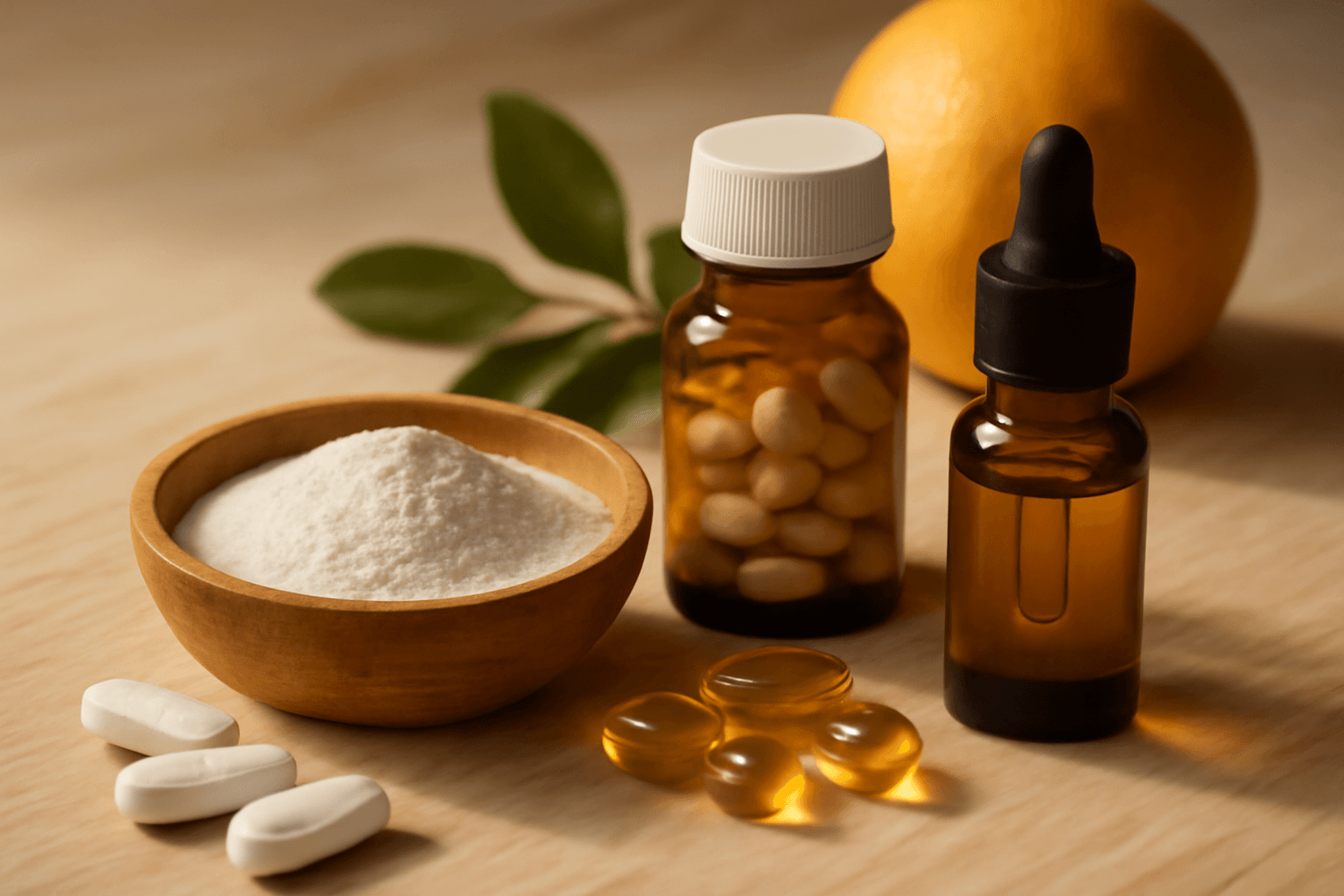
Supplement Forms and Types: L-methionine supplements are sold in various forms including powder, capsules, tablets, and liquid. In addition to pure L-methionine, there are products sold with betaine HCL, which supports methionine metabolism and promotes stomach acid production. SAM (S-adenosylmethionine) supplements are also available, offering a pre-activated form that may provide faster results.
Dosage: Typical supplement dosages are 500-2000mg per day. Most research has used dosages of 1000-1500mg, which is generally considered safe. However, appropriate dosage varies depending on your current dietary intake, health status, and medications. It is best to start under the guidance of a healthcare professional.
Timing and Method of Use: L-methionine can be taken with food or separately. However, taking it simultaneously with other amino acid supplements may cause absorption competition, so it is recommended to leave a 2-hour gap between doses if possible. If in powder form, it can be mixed into vitamin C or energy drinks; if in capsule form, take it with plenty of water.
Considerations When Choosing a Supplement: Select products from reputable manufacturers and verify third-party certification (NSF, USP marks). Products with published purity test results are safer. Also, choose products with minimal additives (artificial colors, sweeteners, excipients).
When Supplements May Be Needed: Strict vegetarians (especially vegans), people with digestive disorders that limit protein absorption, those with liver disease, people in high-stress environments, athletes or bodybuilders, and those with chronic diseases requiring enhanced antioxidant protection can benefit from supplements.
Side Effects and Considerations
Elevated Homocysteine: Excessive L-methionine intake can raise homocysteine levels, which is a risk factor for cardiovascular disease. When homocysteine levels exceed 12 μmol/L, the risk of heart disease increases. It is recommended to have a homocysteine blood test before starting methionine supplementation. If homocysteine is already elevated, you should limit methionine intake and increase folate, vitamin B6, and B12 consumption.
Effects on the Liver: Excessive methionine intake can burden the liver, and is particularly risky for those with alcohol abuse or liver disease. If you have chronic liver disease or liver function abnormalities, obtain doctor's approval before taking methionine supplements.
Risk of Kidney Stones: L-methionine can increase oxalate production, raising the risk of kidney stones. Caution is needed if you have a history of kidney disease or family predisposition. In this case, increase water intake and avoid excessive methionine consumption.
Digestive Discomfort: Some people experience digestive symptoms such as nausea, abdominal bloating, gas, and diarrhea from L-methionine supplements. If these symptoms occur, reduce the dose or take it with meals.
Drug Interactions: L-methionine can interact with anticoagulants (such as warfarin), antidepressants, blood pressure medications, and others. If you are taking any medications, you must inform your healthcare provider and consult with them.
Safety During Pregnancy and Breastfeeding: There is insufficient research on the safety of L-methionine supplements during pregnancy and breastfeeding. During this period, it is best to rely only on natural intake through food and avoid supplements.
Regular Blood Tests: If taking L-methionine supplements long-term, check homocysteine, liver function (ALT, AST), and kidney function (creatinine, BUN) levels every 3-6 months. This ensures safe supplement use.
Summary
Key Points:
- Essential Amino Acid: L-methionine is essential for protein synthesis, energy production, antioxidant action, and hormone regulation
- Best Food Sources: Animal-based proteins including eggs, meat, fish, cheese, and nuts
- Daily Recommended Intake: Approximately 10-12mg per kilogram of body weight (700-850mg for a 70kg person)
- Key Functions: Protein synthesis, powerful antioxidant action, energy production, neurotransmitter synthesis, liver detoxification support
- Supplement Use: Typical dosage is 1000-1500mg, but guidance from a healthcare professional is essential
- Precautions: Monitoring required for elevated homocysteine, liver burden, and stone formation risk
- Regular Testing: When taking supplements, have homocysteine and liver and kidney function tests every 3-6 months
L-methionine is an important essential amino acid for healthy body function. Obtaining it naturally through a balanced diet is most ideal, but in certain circumstances, supplements can be helpful. The key is to accurately understand your health status and make a decision after consulting with a healthcare professional. Special caution is needed if you have existing conditions or are taking medications. Proper methionine intake can strengthen antioxidant defense, boost energy, and improve overall health.