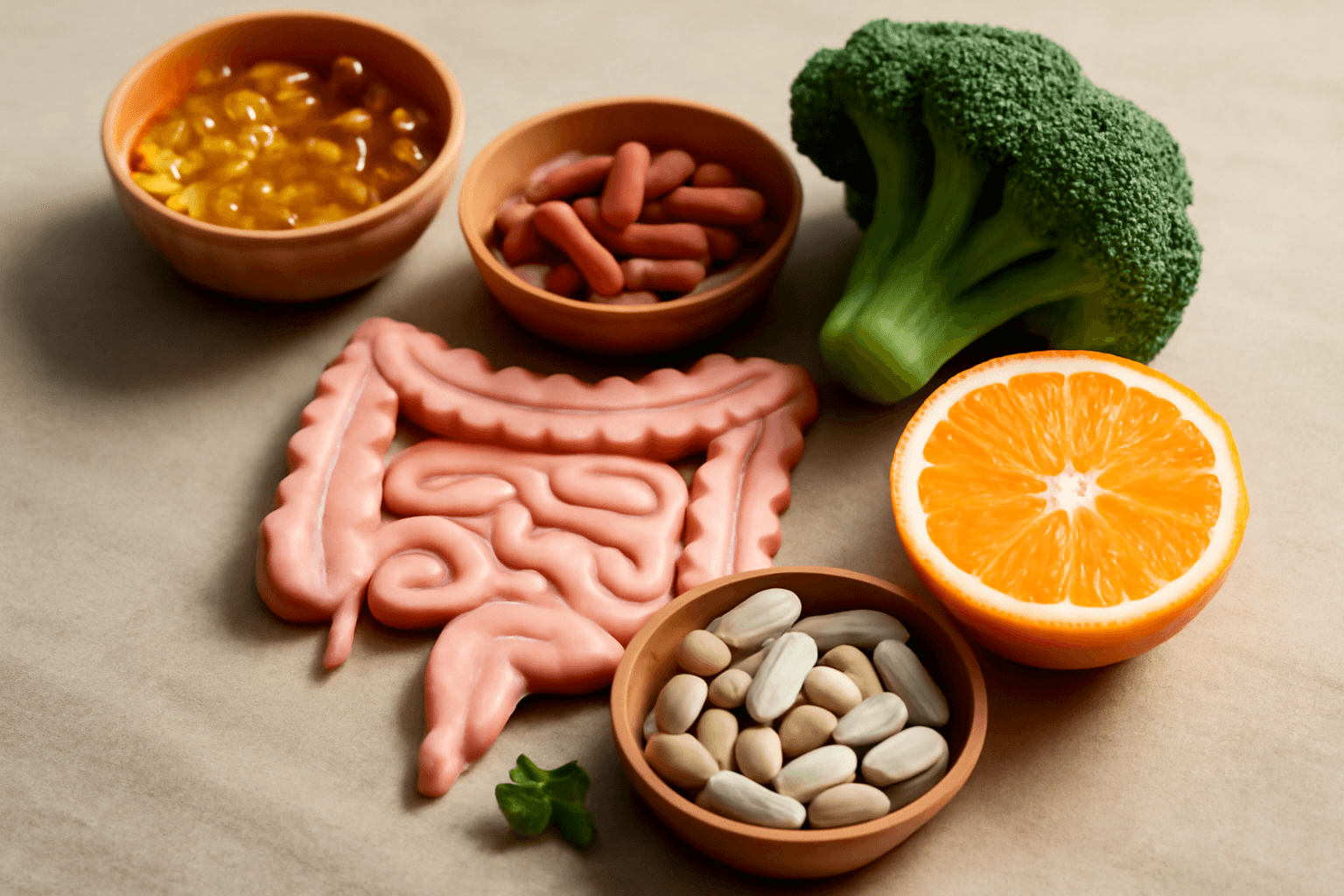
Nattokinase is a powerful enzyme found in natto, a traditional fermented food from Japan. This naturally derived ingredient is noted for its ability to break down fibrin, a protein that promotes blood clotting, and provides various health benefits including improved cardiovascular health, enhanced blood circulation, and reduced inflammation. In this post, we will comprehensively cover the precise definition of nattokinase, its scientifically proven benefits, precautions when taking it, and the nutritional value of natto.
What is Nattokinase?
Nattokinase is a serine protease enzyme produced when the bacterium Bacillus subtilis ferments soybeans. This enzyme was first discovered in 1987 by Dr. Miyazaki of Japan and is a key component that creates natto's distinctive sticky texture and unique aroma. Nattokinase has the ability to directly break down fibrin protein, which promotes thrombus formation, giving it potential as an anticoagulant.
A distinctive characteristic of this enzyme is its strong resistance to stomach acid. While typical food enzymes are broken down in the digestive tract, nattokinase can be absorbed in the small intestine, resulting in high bioavailability. According to one study, nattokinase can maintain its activity in the bloodstream for more than 8 hours after ingestion. A single serving of natto (approximately 100g) typically contains 2,000 to 8,000 fibrinolytic units (FU) of nattokinase.
Health Benefits of Nattokinase
Improved Cardiovascular Health
The most notable benefit of nattokinase is reduced thrombus formation. In a 2019 study published in a Japanese medical journal, participants who consumed 2,000 FU of nattokinase daily for 12 weeks showed significantly shortened blood clotting time and improved vascular flexibility. Since thrombus formation is a major risk factor for stroke, myocardial infarction, and deep vein thrombosis (DVT), nattokinase may be effective in preventing these conditions.
Blood Pressure Regulation
Nattokinase increases nitric oxide (NO) production in vascular endothelial cells, inducing vasodilation. In a 2009 clinical trial of hypertensive patients, the group that took nattokinase supplements daily for 4 weeks experienced an average reduction in systolic blood pressure of 5.6 mmHg. This could be particularly helpful as a supplementary treatment for patients with mild to moderate hypertension.
Reduced Inflammation and Immune Function
Nattokinase reduces inflammation-related proteins including C-reactive protein (CRP) and interleukin-6 (IL-6). The daidzein isoflavone component contained in natto also has anti-inflammatory effects, and together they can help alleviate the progression of chronic inflammatory diseases. Additionally, natto acts as a probiotic that promotes the growth of beneficial bacteria in the gut, supporting intestinal health and enhanced immunity.
Bone Health
Natto is one of the richest dietary sources of vitamin K2, containing approximately 200 micrograms of menaquinone per serving. Vitamin K2 activates osteocalcin protein, which is essential for bone mineralization. In a 3-year longitudinal study of postmenopausal women, those who regularly consumed natto showed a reduction in spinal bone mineral density loss of over 50%.
Common Side Effects and Risks of Nattokinase
While nattokinase is generally safe, caution is needed in certain patient populations. Patients taking anticoagulant medications may experience increased bleeding risk if nattokinase is consumed alongside warfarin, aspirin, or clopidogrel. If using antiplatelet or anticoagulant medications, it is essential to consult with a physician before consuming nattokinase.
Side effects reported by some users include gastrointestinal discomfort (bloating, diarrhea), mild headaches, and rarely, allergic reactions. People with soy allergies should be particularly cautious. Pregnant or nursing women are advised to avoid consumption due to insufficient medical evidence. Those with blood clotting disorders or bleeding disorders should also consult with a specialist before use.
When selecting supplements, be aware that nattokinase activity levels vary significantly among manufacturers. Some lower-quality products may contain less than 30% of their stated activity. Therefore, it is important to choose products that have third-party verification (USP, NSF certification) and to purchase products with clearly labeled FU (Fibrinolytic Units) values.
How to Consume Nattokinase
Natural Consumption Through Food
The ideal method is to consume fresh natto directly. When thawing frozen natto, it should be thawed slowly at room temperature to best preserve enzyme activity. Boiling in hot water or heating in a microwave should be avoided as nattokinase is destroyed by heat. Natto can be eaten by placing it over white rice, noodles, or salads, with a daily intake of 1 to 2 servings (50 to 100g) recommended.
Supplement Form
Supplements are a convenient alternative when traveling or when fresh natto is difficult to obtain. The typical recommended dose is 1,500 to 2,000 FU daily, with a maximum of 4,000 FU per day. Capsules should be chosen with acid-resistant coating to ensure absorption in the small intestine. For optimal effect, they can be taken with meals or on an empty stomach, though individual responses may vary, so maintaining a consistent time of intake is important.
Duration of Use and Monitoring
The effects of nattokinase typically begin to appear after 2 to 3 weeks of consistent consumption, with optimal results observed after 8 to 12 weeks. For those with blood clotting disorders or taking anticoagulants, regular blood tests (prothrombin time, INR) should be performed for monitoring. Regular consultation with healthcare providers is recommended even for long-term use beyond 3 months.
How to Make Natto
You can make fresh natto at home. First, soak 500g of organic soybeans in water overnight for at least 8 hours, then steam in a pressure cooker for 30 minutes. Care must be taken not to heat too long as this destroys nattokinase. After cooling the steamed soybeans, mix with natto culture starter (Bacillus subtilis strain). This can be purchased online or at specialty fermented food shops.
Place the mixed soybeans in a clean container and maintain a temperature of 39 to 40°C for 16 to 24 hours. Using a yogurt maker or a rice cooker with a warming function makes temperature control easier. When fermentation is complete, a distinctive aroma will develop and sticky threads will form. The finished natto can be stored in the refrigerator for a week or in the freezer for 3 months. Frozen products retain more than 80% of enzyme activity upon thawing.
Nutritional Value of Natto
One hundred grams of fresh natto contains the following nutrients: protein 19.3g (excellent plant-based protein source), fat 10g (mainly unsaturated fatty acids), carbohydrates 4.3g, and dietary fiber 2.3g. It contains approximately 200 calories with a glycemic index (GI) of 21, making it favorable for diabetes management.
The mineral content is also excellent, providing iron 3.3mg (approximately 28% of daily recommended intake), zinc 3.1mg (approximately 35%), magnesium 100mg (approximately 30%), and calcium 90mg (approximately 11%). In terms of vitamins, it contains vitamin K2 200 micrograms (the highest among common foods), vitamin B2 0.48mg, vitamin B6 0.04mg, and folate 480 micrograms. While it does not directly contain vitamin C, consuming it with other foods can promote iron absorption.
Another major component of natto is isoflavones, particularly abundant in the daidzein form. These have antioxidant and anti-inflammatory effects and may help alleviate menopausal symptoms. Natto's high probiotic content improves gut microbiota balance, positively affecting digestive health, immune function, and even mental health.
Summary
Nattokinase is a natural enzyme extracted from natto that provides various health benefits including suppression of blood clotting, blood pressure regulation, reduced inflammation, and improved bone health. At a dose of 1,500 to 2,000 FU daily, it is safe for most people, but those taking anticoagulants or with bleeding disorders must consult a physician. Consuming fresh natto directly is ideal; if not possible, select high-quality supplements with third-party verification. Effects appear with consistent consumption for 2 to 3 weeks or longer, and regular monitoring by healthcare providers is recommended for long-term use. Natto goes beyond being simply a nattokinase source, providing various essential nutrients including iron, zinc, calcium, magnesium, and vitamin K, making it a healthy food.