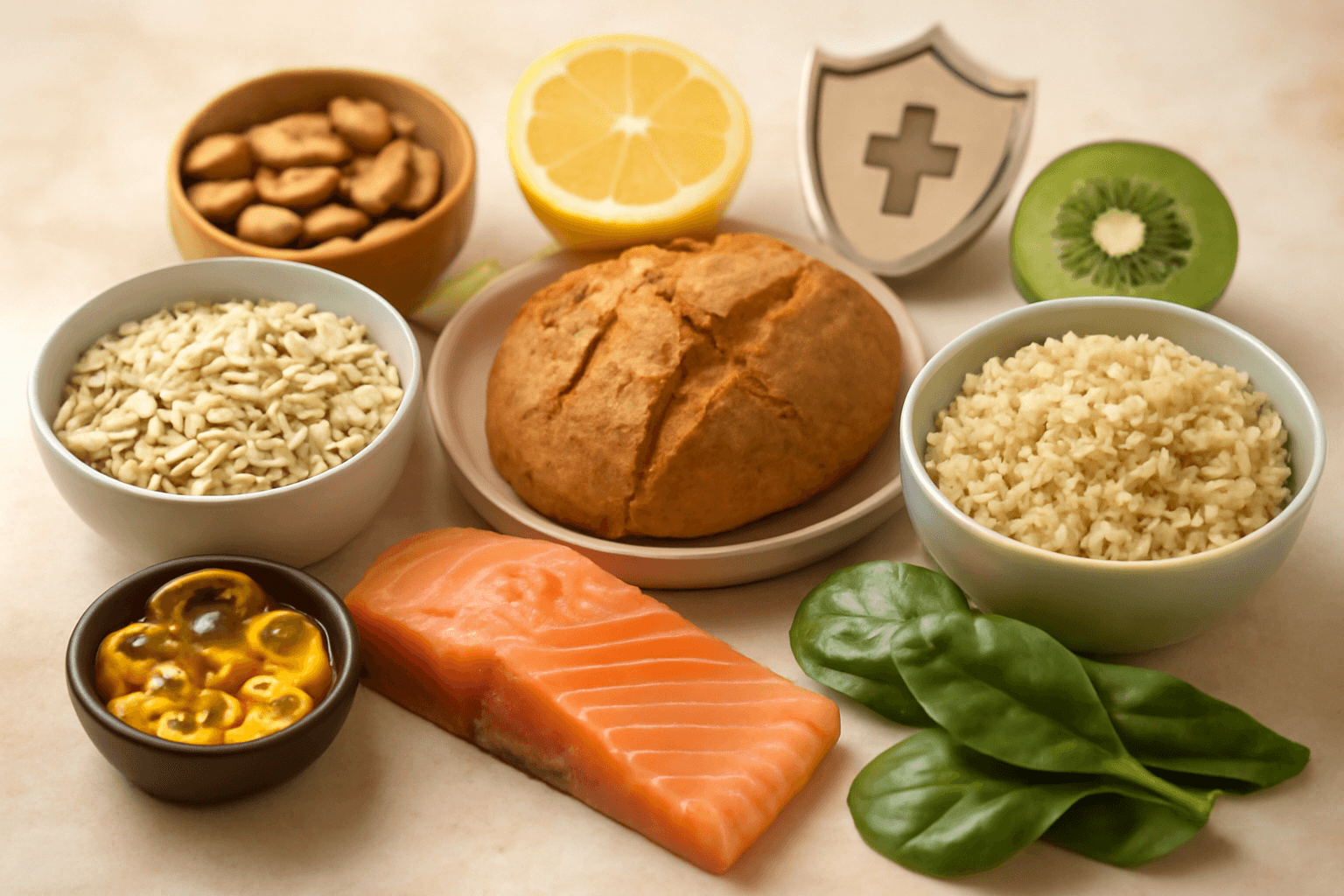
Vitamin B12 is a water-soluble vitamin essential for nervous system function, red blood cell formation, and DNA synthesis. It is primarily found in animal-based foods, and deficiency can cause various symptoms including fatigue, nerve damage, and weakened immunity. This article provides detailed information about natural foods rich in vitamin B12, symptoms of deficiency, and supplementation methods.
7 Foods Rich in Vitamin B12
Vitamin B12 is primarily found in animal-based foods. The recommended daily intake for adults is 2.4mcg, and adequate amounts can be obtained through the following foods.
- Oysters: Containing approximately 84mcg of vitamin B12 per 100g, oysters are the richest source. Oysters also contain zinc, iron, and selenium, making them excellent for strengthening immunity.
- Beef liver: Contains approximately 60mcg per 100g. In addition to vitamin B12, beef liver is rich in folate, iron, and copper, making it effective for preventing anemia and restoring energy. Consuming 1-2 times per week provides sufficient amounts.
- Salmon: Contains approximately 3.2mcg per 100g. It is also rich in omega-3 fatty acids, which protect heart health and reduce inflammation. Consuming salmon 2-3 times per week can reduce cardiovascular disease risk by 30%.
- Eggs: One egg (50g) contains approximately 0.6mcg. Eggs are rich in choline, which enhances brain function, and lutein, which protects eye health. They are safe to consume daily.
- Milk: Contains approximately 0.4mcg per 100ml. Milk supplies both calcium and vitamin B12, supporting both bone health and nervous system function simultaneously.
- Yogurt: Contains approximately 0.5mcg per 100g. Probiotics generated during fermentation balance intestinal microbiota and improve digestive function.
- Cheese: Contains approximately 0.7mcg per 100g. Parmesan cheese boasts a higher content at approximately 1.4mcg per 100g.
Vegetarians and vegans should obtain vitamin B12 through fortified foods (cereals, plant-based milk) or supplements. Since vitamin B12 must be separated from food by stomach acid to be absorbed, older adults with reduced stomach acid secretion or those with a history of stomach surgery may find supplementation more effective.
What is Vitamin B12?
Vitamin B12, also known as cobalamin, is a water-soluble vitamin containing cobalt that performs several important functions within the body.
Nervous system function: It is essential for the formation and maintenance of the myelin sheath around neurons. When the myelin sheath is damaged, nerve signal transmission is delayed, causing finger numbness, walking difficulties, and other issues.
Red blood cell formation: It participates in DNA synthesis and cell division processes, promoting the production of healthy red blood cells. Vitamin B12 deficiency results in megaloblastic anemia.
Energy metabolism: It acts as a coenzyme in the process of converting carbohydrates and fats into energy. With sufficient vitamin B12, mitochondrial ATP production efficiency increases, resulting in less fatigue.
Homocysteine metabolism: Homocysteine is a byproduct of amino acid metabolism, and elevated levels increase cardiovascular disease risk. Vitamin B12 acts as a coenzyme for the enzyme that converts homocysteine to methionine, protecting heart health.
Psychological and cognitive function: It participates in the synthesis of neurotransmitters serotonin, dopamine, and norepinephrine. When vitamin B12 is insufficient, depression, anxiety, and memory decline occur.
Vitamin B12 is stored in the liver and can be retained for 3-5 years, but it becomes depleted quickly if there are digestive problems or absorption disorders.
Symptoms of Vitamin B12 Deficiency
Vitamin B12 deficiency develops gradually, making early detection difficult. As deficiency progresses, the following symptoms appear sequentially.
- Fatigue and lethargy: Energy depletion due to reduced ATP production. It becomes difficult to get out of bed in the morning and extreme fatigue is felt in the afternoon.
- Neurological symptoms: Numbness in hands and feet (peripheral neuropathy), unsteady gait, tremors, dulled sensation. In severe cases, it progresses to subacute combined degeneration of the spinal cord.
- Cognitive decline: Reduced concentration, memory loss, distraction. In elderly people, it is sometimes mistaken for dementia.
- Emotional changes: Depression, anxiety disorder, personality changes, irritability.
- Digestive symptoms: Diarrhea or constipation, abdominal discomfort, loss of appetite.
- Weakened immunity: Increased frequency of infections, delayed wound healing, increased inflammatory response.
- Irregular menstruation: In women, extended menstrual cycles and changes in menstrual flow.
- Skin symptoms: Tongue swelling (glossitis), cracked mouth corners, pale skin.
- Anemia symptoms: Shortness of breath, dizziness, heart palpitations, pale skin and mucous membranes.
Note: If these symptoms appear, you should be diagnosed through blood tests (vitamin B12 levels, methylmalonic acid, homocysteine) to determine if there is a deficiency. Nerve damage from vitamin B12 deficiency may be irreversible, so early diagnosis is important.
Causes of Vitamin B12 Deficiency
Vitamin B12 deficiency results not only from insufficient intake but also from absorption disorders. The main causes of deficiency are as follows.
Dietary issues: Following a strict vegetarian or vegan diet for prolonged periods limits vitamin B12 intake. This is because vitamin B12 is naturally found only in animal-based foods.
Stomach health problems: Reduced stomach acid secretion prevents the separation of vitamin B12 bound to food. Atrophic gastritis, stomach surgery (gastric bypass), and long-term antacid use (proton pump inhibitors, H2 blockers) all reduce stomach acid secretion. About 30% of people over 65 years old have reduced stomach acid secretion.
Pernicious anemia: An autoimmune condition where the intrinsic factor, essential for vitamin B12 absorption, is not produced. In this case, absorption from food is impossible, requiring injections or high-dose oral supplements.
Intestinal health problems: Crohn's disease, celiac disease, IBS, and small intestinal bacterial overgrowth syndrome (SIBO) interfere with vitamin B12 absorption. Since vitamin B12 is absorbed in the terminal ileum along with intrinsic factor, damage to this area significantly reduces absorption rates.
Medication side effects: Metformin (diabetes medication), antibiotics (especially with long-term use), and osteoporosis medications interfere with vitamin B12 absorption. Vitamin B12 deficiency occurs in approximately 10-30% of metformin users.
Alcohol abuse: Alcohol causes stomach damage, reduced nutrient absorption, and decreased liver storage capacity.
Advanced age: As age increases, stomach acid secretion and intrinsic factor production naturally decline.
When Vitamin B12 Supplements Should Be Taken
Not everyone requires supplements, but the following individuals are recommended to take supplements under the guidance of healthcare professionals.
Vegetarians and vegans: When animal-based foods are not consumed, fortified foods or supplements are essential. The recommended intake is the same as for the general population, but intentional supplementation is necessary because food sources are limited.
Those with gastric surgery history: People who have undergone gastric bypass surgery or gastrectomy cannot absorb vitamin B12 due to reduced intrinsic factor production or shortened absorption sites. In this case, intramuscular injections (1000mcg once per month) or nasal spray (once per month) are effective.
Those diagnosed with pernicious anemia: In cases of autoimmune conditions where intrinsic factor is deficient, oral supplements are ineffective, and intramuscular injections are essential. Lifelong treatment is required.
Those with bowel diseases such as Crohn's disease or celiac disease: When there is intestinal absorption disorder, high-dose oral supplements (1000-2000mcg) or supplementation through injections are necessary.
Long-term metformin users: When metformin is taken for more than one year for diabetes, vitamin B12 levels should be checked annually, and supplements should be taken if necessary.
Those 65 years and older: Due to reduced stomach acid secretion, supplementation through fortified foods or supplements is recommended. The National Academy of Medicine recommends that all individuals 65 and older consume vitamin B12 in supplement form.
Long-term antacid users: When proton pump inhibitors are taken for more than 6 months, vitamin B12 absorption decreases, making supplementation necessary.
How to choose supplements: Oral supplements of 1000-2000mcg taken 1-2 times per week, or high-dose daily amounts (>500mcg), are absorbed through passive diffusion across the intestinal wall. For those with absorption disorders, intramuscular injections (100-1000mcg, once monthly) or nasal spray (500mcg, once monthly) are more effective. Consult with healthcare professionals to determine the form and dosage appropriate for your individual situation.
Precautions: Vitamin B12 supplements have a low risk of overdose (since it is a water-soluble vitamin, excess is excreted through urine) and are generally safe. However, there may be interactions with certain health conditions or medications, so always consult with a healthcare professional before taking supplements.
Summary
Key points:
- Vitamin B12 is an essential vitamin for the nervous system, red blood cell formation, and energy metabolism, primarily found in animal-based foods.
- Adequate vitamin B12 can be obtained through animal-based foods such as oysters, beef liver, and salmon, while vegetarians require fortified foods or supplements.
- Fatigue, nerve numbness, cognitive decline, and emotional changes are major symptoms of vitamin B12 deficiency, and you should immediately consult a healthcare professional if these symptoms appear.
- Bowel disease, reduced stomach acid secretion, pernicious anemia, and advanced age are major causes of vitamin B12 deficiency.
- Vegetarians, those with bowel diseases, elderly individuals, and those with a history of stomach surgery should consider vitamin B12 supplements and choose a form and dosage appropriate for their individual condition.
- Nerve damage from vitamin B12 deficiency may be irreversible, so early diagnosis and treatment are important.
Final recommendation: If you experience chronic fatigue, neurological symptoms, or cognitive decline, be sure to consult with a healthcare professional and have your vitamin B12 levels tested. Since the appropriate supplementation method varies depending on your individual health condition, diet, and medication use, receiving personalized advice from a professional is the safest and most effective approach.