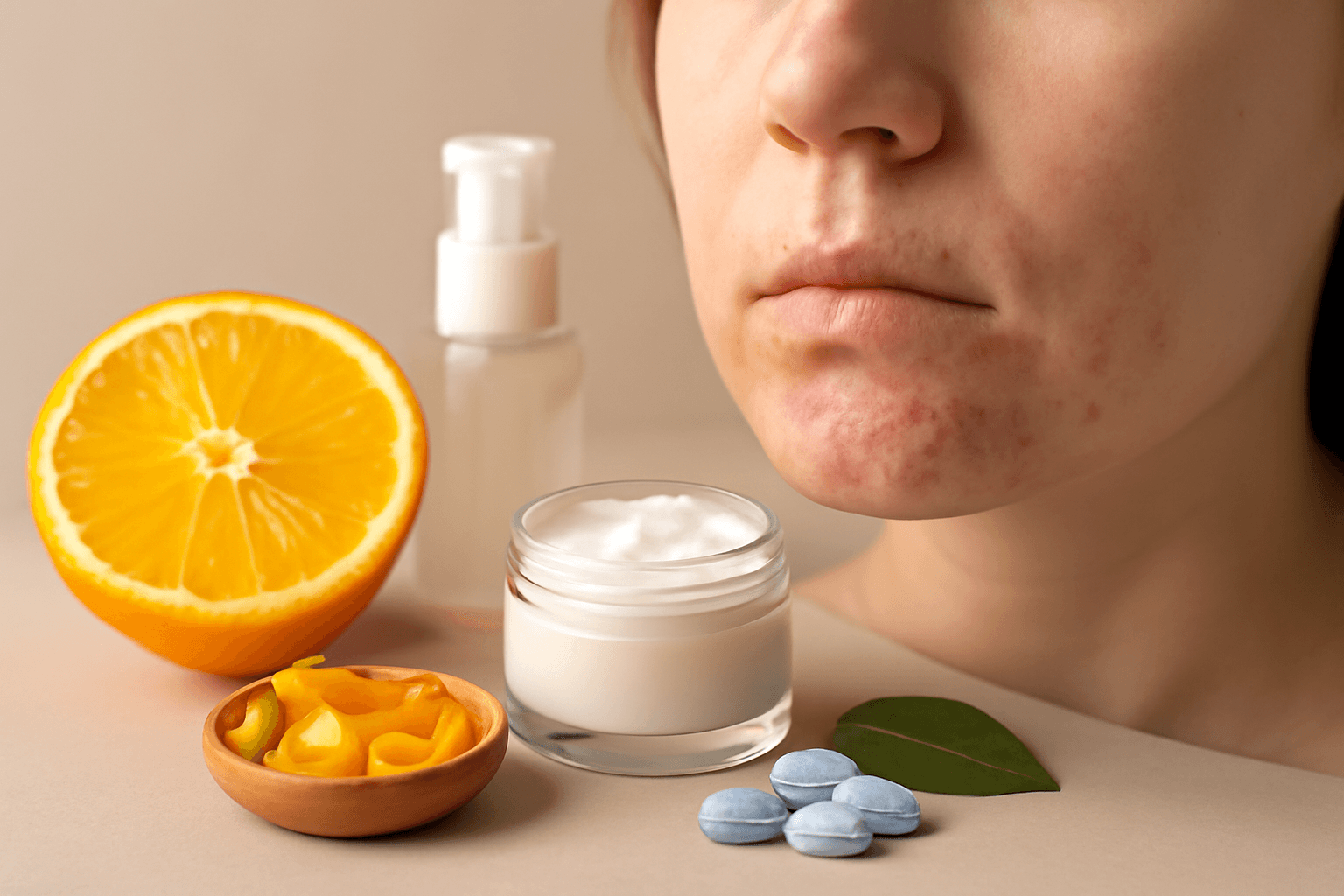
Perioral dermatitis is an inflammatory skin condition that occurs around the mouth and is characterized by red bumps or pustules similar to acne. Unlike simple acne, this condition can only be effectively treated by addressing specific underlying causes, and natural treatment methods have proven helpful for many patients. This article will identify the various factors that cause perioral dermatitis and provide detailed information on natural remedies and lifestyle modifications for each. The key is to eliminate factors that worsen perioral dermatitis, such as steroid use, oral hygiene products, skincare product ingredients, and zinc deficiency, while simultaneously supplementing nutrients that promote skin regeneration.
What is Perioral Dermatitis?
Perioral dermatitis is a chronic inflammatory skin condition that occurs around the mouth, particularly on the skin between the lips and nose. It typically appears more frequently in women aged 20-40, though it can also affect men. The typical symptoms of perioral dermatitis include small red papules (bumps) clustered around the mouth and acne-like skin eruptions that sometimes involve pustules.
A distinctive feature of this condition is that the rash rarely develops on the lips themselves. The eruption concentrates on skin approximately 1-2 cm away from the lip border and can spread to the area around the nose and chin. When perioral dermatitis develops, it may be accompanied by itching or burning sensations, and the skin may become dry or flaky.
The exact cause of perioral dermatitis has not yet been completely identified, but it is known that multiple triggering factors work in combination. Fluoride-containing toothpaste, excessive use of steroid creams, harsh skincare products, and nutritional deficiencies are recognized as major causes, and customized treatment is necessary for each specific cause.
Are You Using Steroids?
Steroid cream is one of the most common causes of perioral dermatitis. Many patients initially attempt to treat skin irritation with steroid cream, but this paradoxically creates a vicious cycle that worsens symptoms. According to research, 60-80% of perioral dermatitis patients used steroid cream during their treatment, and this is closely linked to the development or worsening of the condition.
Steroid cream worsens perioral dermatitis because facial skin, particularly around the mouth, is much thinner and more sensitive than other areas of the body. The epidermis thickness on the face is approximately 0.05mm, about one-quarter that of the arm, and repeated steroid use on such thin skin causes skin atrophy and further intensifies the condition. Additionally, steroids suppress local immune function, which can promote the growth of microorganisms that trigger perioral dermatitis.
The initial stage of discontinuing steroids during perioral dermatitis treatment is extremely difficult. A "rebound phenomenon" may occur in which symptoms temporarily worsen for several days after discontinuation. However, this is a temporary occurrence, and the skin will begin to recover on its own after 2-4 weeks. It is recommended to gradually reduce steroid use under the guidance of a medical professional while simultaneously implementing natural treatment methods.
Are You Using Fluoride-Containing Toothpaste?
Fluoride-containing toothpaste is widely recognized as a major trigger for perioral dermatitis. In particular, daily use of high-fluoride toothpaste (standard toothpaste contains approximately 1000-1500ppm of fluoride) can irritate the skin around the mouth, even in small amounts. During brushing, toothpaste comes into contact with the skin around the mouth, and the fluoride component can trigger inflammation on the sensitive perioral skin.
Many clinical cases have been reported in which perioral dermatitis patients showed significant improvement after switching from fluoride toothpaste to low-fluoride products (50ppm or less). It is also important to clean around the mouth thoroughly after brushing and to be careful that toothpaste does not touch the lips. Some patients switch to fluoride-free natural toothpaste or even make their own natural toothpaste by mixing baking soda and coconut oil.
In addition to toothpaste, strong chemical components in mouthwash or other oral rinses can also worsen perioral dermatitis. Consider using salt water rinses or natural oral cleansers containing medicinal herbs instead of regular mouthwash. It is also important to use a soft toothbrush when brushing and to avoid scrubbing around the mouth.
What Kind of Masks Are You Using?
The material of masks and the ingredients in sheet or clay mask products can also affect the development of perioral dermatitis. Some irritating chemical components, fragrances, or preservatives found in certain sheet masks or clay masks can trigger inflammation on the sensitive skin around the mouth. In particular, mask products that emphasize strong cleansing or exfoliating effects are likely to damage the skin's natural protective barrier and worsen perioral dermatitis.
During perioral dermatitis treatment, it is good to temporarily discontinue the use of irritating masks. Instead, you can use gentle masks made with natural ingredients. For example, a mask made from honey and yogurt provides both moisturizing and anti-inflammatory effects, while a mask made from oatmeal mixed with milk is effective for soothing the skin.
Additionally, if the area where the mask was worn becomes particularly sensitive after going out, it is best to maintain only simple skincare by applying a small amount of cream thinly. Since friction and moisture from mask wear can worsen perioral dermatitis, it is important to reduce mask-wearing time when possible and frequently replace and maintain the inside of the mask cleanly.
Do Your Skincare Products Contain Harsh Ingredients?
The key to treating perioral dermatitis is to discontinue complex multi-step skincare routines and manage the skin with minimal products. Fragrances, essential oils, alcohol, and preservatives found in many skincare products can cause strong irritation to the sensitive skin around the mouth. In particular, active ingredients such as retinoids, vitamin C esters, alpha-hydroxy acids (AHA), and beta-hydroxy acids (BHA) should be avoided during perioral dermatitis treatment.
When perioral dermatitis develops, it is recommended to simplify your skincare routine to an extreme degree. After gently cleansing with lukewarm water in the morning and evening, use only gentle, non-irritating cleansers (such as ceramide-based cleansing milk), pat dry with a towel, and leave the skin as is. When the skin is allowed to dry naturally while slightly moist, the skin's natural moisturizing function begins to recover.
If moisturizing is necessary, use only one or two products at most. Ideal choices are products containing only simple moisturizing ingredients such as ceramides, glycerin, and niacinamide (vitamin B3). When selecting products, carefully check the ingredient list and choose products that contain only five or fewer basic ingredients. In particular, select products that do not list irritating ingredients such as "fragrance," "essential oils," or "alcohol."
Are You Deficient in Zinc?
Zinc is a mineral essential for skin immune function and wound healing and plays an important role in treating perioral dermatitis. According to research, a significant number of perioral dermatitis patients have serum zinc levels lower than normal. Zinc deficiency can weaken skin barrier function and impair immune response, further worsening perioral dermatitis.
Zinc supplementation can be achieved through two methods. The first is natural supplementation through diet. By consuming zinc-rich foods daily such as oysters, beef, pumpkin seeds, cashews, and lentils, you can adequately meet the daily recommended amount (8-11mg for adults). One oyster contains approximately 5-7mg of zinc, and a handful of pumpkin seeds (about 28g) contains about 4mg of zinc.
The second method is taking zinc supplements. Zinc glycinate or zinc picolinate forms of supplements have high absorption rates, and 15-30mg daily is common. However, excessive zinc intake can cause copper deficiency, so it is important to determine the dosage under the guidance of a medical professional. Additionally, zinc supplements are better absorbed when taken with food, and effects can be expected after 3-6 weeks of consistent use.
Additionally, taking vitamin C along with zinc is effective. Vitamin C has anti-inflammatory properties and promotes collagen synthesis to help repair damaged skin. You can naturally consume it from foods such as oranges, kiwis, peppers, and broccoli, or take 500-1000mg daily as a supplement if needed.
Conclusion and Summary
Key Points for Natural Treatment of Perioral Dermatitis:
- Discontinue Steroid Use: Under the guidance of a medical professional, gradually reduce steroid cream use. There may be temporary worsening during the initial 2-4 weeks, but this is a normal response.
- Switch Toothpaste: Replace high-fluoride toothpaste (1000-1500ppm) with low-fluoride products (50ppm or less) or fluoride-free natural toothpaste. Clean around the mouth thoroughly after brushing.
- Discontinue Irritating Masks: Temporarily discontinue use of mask products containing strong active ingredients, and if necessary, use only gentle masks made from natural ingredients such as honey, yogurt, and oatmeal.
- Simplify Skincare to the Extreme: Maintain gentle cleansing with lukewarm water and minimal moisturizing, selecting only products without fragrances, alcohol, and strong active ingredients.
- Supplement Zinc and Vitamin C: Consume zinc-rich foods daily such as oysters, pumpkin seeds, and beef, or take 15-30mg of zinc supplements daily if necessary. Simultaneously incorporate vitamin C intake (500-1000mg daily).
While perioral dermatitis is a chronic condition that does not heal in the short term, consistent practice of these natural treatment methods can lead to significant improvement within 6-12 weeks. The most important thing is to avoid further irritating the skin while simultaneously enhancing the skin's own recovery ability. It is recommended that you consult with a dermatologist throughout the treatment process and proceed with customized treatment suited to your individual skin condition.