When the new year begins, everyone makes a commitment to get healthier, but actually following through is difficult. This 7-day routine is designed to systematically care for various aspects of your body and mind on a weekly cycle. From protein intake to sleep management, stress relief, and brain health, you can check and improve your health with a different focus each day. By maintaining this routine, you'll experience increased energy levels, a clearer mind, and noticeably improved physical condition.
Sunday: A Day for Relationships, Passion, and Commitment
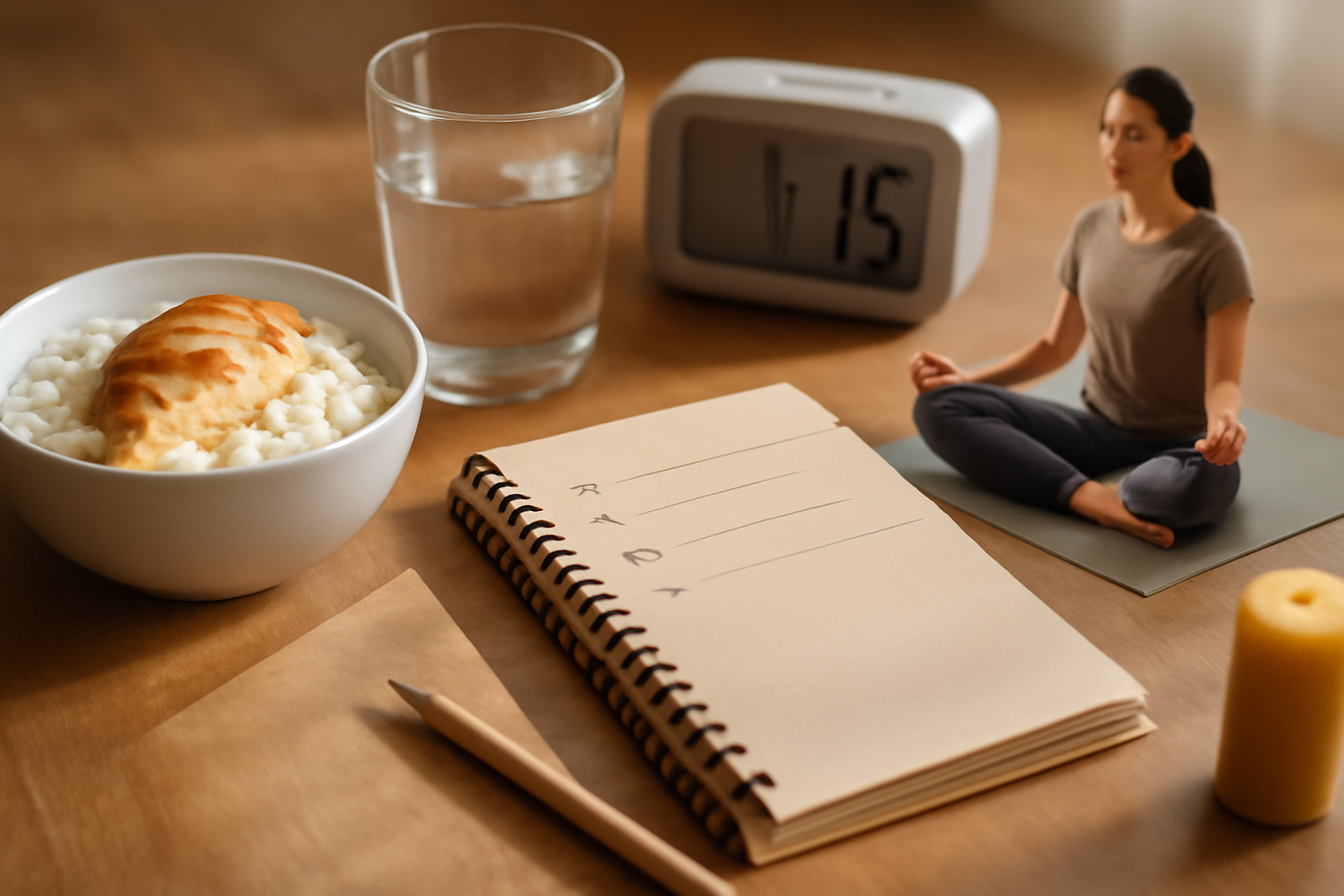
Before starting the week, Sunday is the day to check and redefine your health goals. Research shows that people who set clear goals achieve 42% higher success rates than those who don't. Write down three specific health goals for the week in a notebook. For example: "Exercise for 20 minutes daily," "Drink 2 liters of water a day," or "Go to bed before 11 p.m."
This day is also a time to assess your healthy relationships with those around you. Spend time with family or friends and have positive conversations. Studies show that people with strong social connections have 50% better immune function than those who are alone. In the evening, it's also good to plan your diet for the next week and create a grocery list.
- Write down three health goals on paper
- Spend time with family or friends
- Plan your diet for the next week
- Clear your mind with meditation or prayer (10–15 minutes)
Monday: A Day to Move with Joy
Monday is the perfect day to start physical activity. However, rather than beginning with intense exercise, focus on moving with a positive mindset. Thirty minutes of moderate aerobic exercise, not high-intensity workouts, is the most realistic and sustainable approach. Walking, light jogging, cycling, or dancing are all good options.
Protein intake is important right after exercise. To support muscle recovery, consume 20–30 grams of protein within 30–60 minutes after your workout. Eggs, Greek yogurt, chicken breast, tofu, and protein shakes are great options. Adequate hydration before exercise is also essential. Drink 500ml of water at least 2 hours before exercising, and drink water every 15–20 minutes during your workout.
- Moderate aerobic exercise for 30 minutes (walking, jogging, cycling, dancing)
- Adequate hydration before exercise
- Consume 20–30g of protein within 30–60 minutes after exercise
- Finish with stretching (10 minutes)
Tuesday: A Breathing Reset Day for Body and Mind
After Monday's activity, Tuesday is a day to calm your body and mind. Yoga reduces cortisol, a stress hormone, by up to 25%. The essence of yoga is deep breathing and meditation. If you're a beginner, simply following along with a "Beginner Yoga 20 Minutes" video on YouTube is sufficient.
In particular, diaphragmatic breathing activates the parasympathetic nervous system, which helps stabilize your physical and mental state. Try the 4-7-8 breathing technique: inhale for 4 seconds, hold for 7 seconds, then exhale slowly over 8 seconds. Practice this three times daily for 5 minutes each. In the evening, aromatherapy or a warm bath is also effective for stress relief. Lavender essential oil is particularly excellent for anxiety reduction.
- Yoga for 20–30 minutes (beginner level)
- Practice 4-7-8 breathing technique (3 times, 5 minutes each)
- Meditation for 10–15 minutes
- A warm bath or aromatherapy
Wednesday: A Day to Optimize Brain Condition
Wednesday is a day to focus on optimizing cognitive function and energy levels. B-complex vitamins are essential for energy metabolism. B1, B2, B3, B5, B6, and B12 are all involved in nervous system function and energy production. Intentionally consume foods rich in B vitamins, such as eggs, salmon, spinach, mushrooms, and whole grains.
Omega-3 fatty acids are also essential for brain health. Eat fatty fish like salmon, mackerel, or sardines 2–3 times a week, or snack on flaxseeds, walnuts, and chia seeds. Omega-3 reduces brain inflammation and improves memory and concentration. Also, pay off your sleep debt. Going to bed one hour earlier than usual is an effective way to allow your brain to recover.
- Consume foods rich in B vitamins (eggs, salmon, spinach, whole grains)
- Consume omega-3 foods (fish, nuts, seeds)
- Focus on tasks requiring mental effort in the morning
- Go to bed one hour earlier than usual
Thursday: A Day to Maintain Healthy Nutritional Balance
Thursday is a day to review your diet throughout the week and supplement any missing nutrients. Vitamin D is important for immunity, bone health, and mental health. Approximately 77% of Koreans have vitamin D deficiency. If you have limited sun exposure, it's good to take a vitamin D supplement of 1,000–2,000 IU daily.
The basis of a healthy diet is the "rainbow diet." Consume foods of different colors—red, orange, yellow, green, blue, and purple—every day. Each color provides different phytonutrients and antioxidants. For example, lycopene in tomatoes, beta-carotene in carrots, lutein in spinach, and anthocyanins in blueberries. Make sure at least two of your three daily meals include adequate protein (20–30g per meal).
- Check your vitamin D levels (supplement with 1,000–2,000 IU if needed)
- Use five or more ingredients of different rainbow colors
- Consume 20–30g of protein with each meal
- Choose whole foods instead of processed foods
Friday: A Day for Sleep and Balance
As the weekend approaches, Friday is a day to optimize your body's recovery systems. Sleep is the foundation of immunity, metabolism, and mental health. Aim for 7–9 hours of sleep every night. Sleep deprivation increases the risk of cancer, diabetes, and heart disease.
From Friday evening, practice "sleep hygiene" rigorously. Stay away from your smartphone and computer one hour before bed. Blue light interferes with melatonin production. Keep your bedroom temperature between 16–19°C and create a dark environment. Drinking warm milk (which contains tryptophan) or herbal tea (chamomile or valerian) one hour before bedtime is also beneficial. During the weekend, avoid intense exercise or stressful activities, and focus on light walks and rest.
- Go to bed by 11 p.m. (aim for 7–9 hours of sleep)
- Stop using smartphones and computers one hour before bed
- Maintain bedroom temperature between 16–19°C and create a dark environment
- Drink warm milk or herbal tea before bed
- Spend the weekend on light relaxation and walking
Summary: Key Points of the 7-Day Routine
Repeating a weekly cycle has scientific benefits for habit formation. When you repeat the same activity on the same day each week, your body learns the rhythm and adapts. This is called "circadian rhythm adaptation." The first 2–3 weeks may be challenging, but by the fourth week, your body will naturally begin to follow this pattern.
The key elements of this routine are:
- Protein: Consume 20–30g per meal to maintain muscle and provide energy
- Sleep: Allow your body to recover with 7–9 hours of rest every night
- Energy: Maintain vitality with B vitamins and regular exercise
- Stress: Achieve physical and mental stability through yoga, meditation, and breathing techniques
- Nutritional Balance: Comprehensive care with vitamin D, omega-3, and a variety of ingredients
Important Note: This routine is a general health guideline. If you have existing health conditions or are taking specific medications, consult with a healthcare professional before starting any new exercise program or dietary changes. Medical approval is especially essential if you have heart disease, diabetes, or high blood pressure.
The secret to achieving your new year's resolutions isn't perfection. Even if you consistently maintain just 80% of this routine, you'll notice clear changes in your body and mind within three months. Track your progress and celebrate each small success. Health is not a temporary effort but a lifelong journey. I hope this 7-day routine becomes a solid stepping stone in your journey.