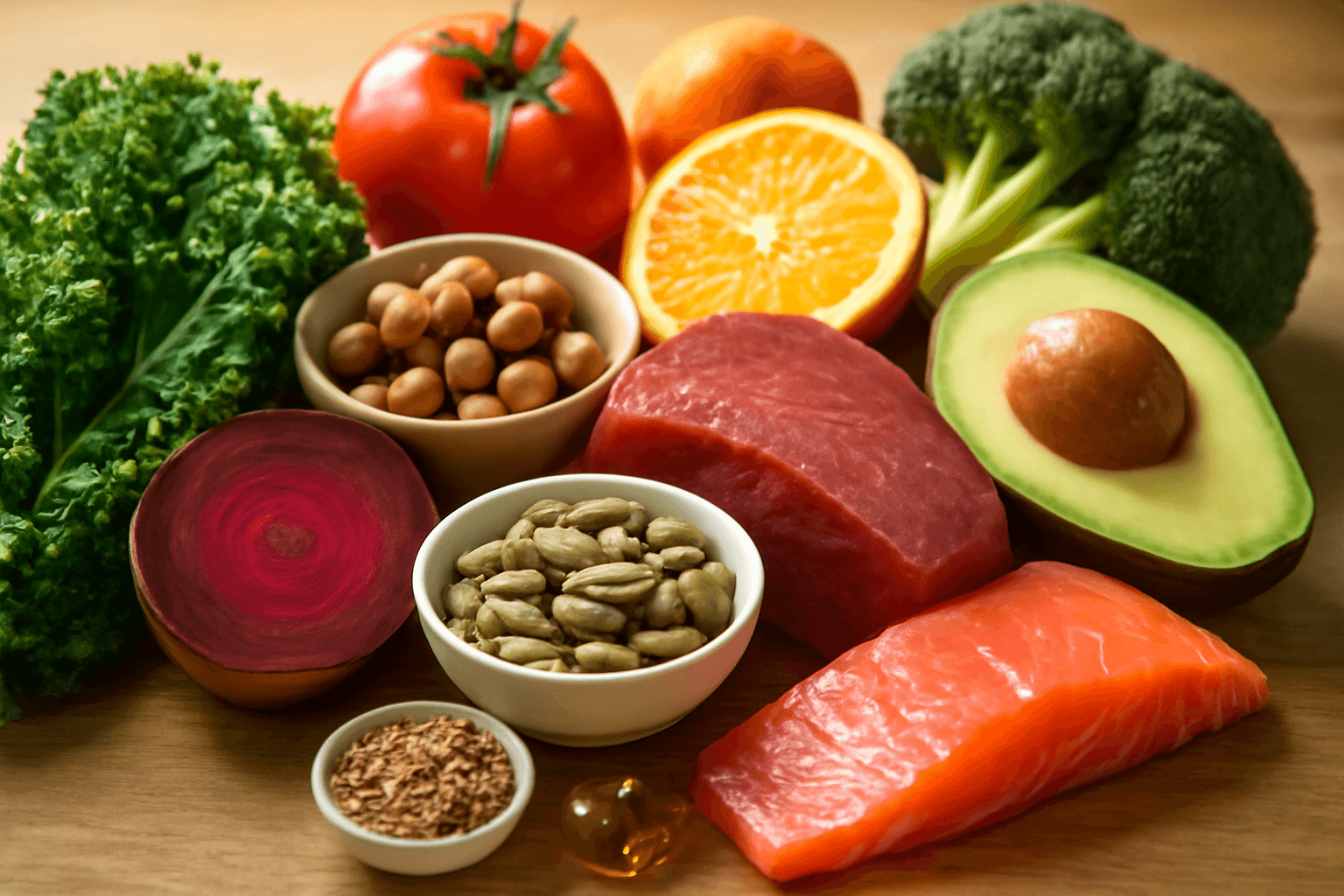
After childbirth, a mother's body experiences significant nutrient loss from the pregnancy and delivery process. Especially when breastfeeding, more than 500 calories of energy are expended daily, and various micronutrients are continuously depleted. Proper postpartum vitamin and mineral supplementation is essential for maternal physical recovery, immune system strengthening, and improved breast milk quality. In this article, we will examine in detail the 9 essential postpartum nutrients necessary for postpartum health, their individual roles, and proper intake methods.
The Most Important Postpartum Vitamin Nutrients
1. Iron
An average of 500mL of blood is lost during childbirth, and in cesarean section surgery, bleeding of 1,000mL or more can occur. This causes a sharp decline in maternal hemoglobin levels, making postpartum anemia more likely to develop. Iron is an essential mineral for red blood cell formation and prevents postpartum anemia while promoting fatigue recovery.
Mothers are recommended to consume 27mg of iron daily after delivery, which is higher than the pre-pregnancy recommendation of 18mg. Mothers who are breastfeeding require special attention as iron loss continues. When taking iron supplements, side effects such as constipation or heartburn can occur, so it is important to consult with a doctor to determine an appropriate dosage. You can also naturally obtain iron through foods such as red fish, oysters, spinach, and peas.
2. Zinc
Zinc is an essential mineral for immune system strengthening, wound healing, and protein synthesis. Zinc plays a very important role in rapidly healing wounds of the vagina, perineum, and uterus caused by childbirth. According to clinical research, postpartum zinc supplementation can reduce wound recovery time by more than 30%.
The recommended daily zinc intake for mothers is 12mg. Zinc deficiency can lead to hair loss, reduced immunity, and deteriorated skin health. Especially during breastfeeding, zinc is excreted in breast milk, so adequate supplementation is essential. Oysters, beef, pumpkin seeds, cashews, and chicken are good sources of zinc. When taken simultaneously with iron supplements, they can interfere with iron absorption, so it is good to take them at least 2 hours apart.
3. B Vitamins
B vitamins are essential nutrients for energy metabolism, nerve function, and mental health maintenance. One reason why extreme fatigue, lethargy, and postpartum depression occur at high rates after childbirth is related to B vitamin deficiency. In particular, vitamin B12 and folate (B9) are directly involved in neurotransmitter production, making them very important for mental health maintenance.
The recommended daily intake of vitamin B12 for breastfeeding mothers is 2.8mcg, and folate is 500mcg. B vitamin deficiency manifests as symptoms such as reduced energy, decreased concentration, and neuralgia. They are abundantly found in animal products (eggs, chicken, salmon), whole grains, leafy green vegetables, and legumes. Vegetarian and vegan mothers should consider vitamin B12 supplements.
4. Omega-3 Fatty Acids
Omega-3 fatty acids, particularly EPA (eicosapentaenoic acid) and DHA (docosahexaenoic acid), support brain health, cardiovascular function, and anti-inflammatory effects. After childbirth, brain inflammation increases, raising the risk of postpartum depression, and the anti-inflammatory effects of omega-3 help alleviate this.
The American College of Obstetricians and Gynecologists recommends that mothers and breastfeeding women consume 8-12 ounces (226-340g) of low-mercury fish per week. Salmon, sardines, herring, and white fish are particularly good. If fish consumption is difficult, consider taking omega-3 supplements; generally, approximately 1,000mg daily is considered safe. Flaxseeds, chia seeds, and walnuts also contain alpha-linolenic acid, a plant-based omega-3.
5. Vitamin A
Vitamin A is essential for vision health, skin regeneration, and immune system strengthening. It contributes to recovery from postpartum skin damage and improvement of breast milk quality. The recommended daily vitamin A intake for mothers is 770mcg, higher than the pre-pregnancy recommendation of 700mcg.
Vitamin A is a fat-soluble vitamin and can accumulate with excessive intake. Retinol-form supplements in particular should not exceed 3,000mcg daily. You can safely obtain it through foods such as egg yolks, liver, carrots, sweet potatoes, kale, spinach, and broccoli. Plant-based vitamin A in beta-carotene form is converted in the body only as needed, making it safer.
6. Vitamin D
Vitamin D is essential for calcium absorption, bone health, immune function, and mood regulation. Rapid bone loss occurs after childbirth, and vitamin D plays an important role in preventing this. Additionally, vitamin D deficiency is known to be a risk factor for postpartum depression.
The recommended daily vitamin D intake for mothers is 600-800 IU, and higher doses may be needed when breastfeeding. Vitamin D levels vary greatly depending on sun exposure, diet, and latitude. It is found in salmon, sardines, egg yolks, butter, fortified milk, and mushrooms. Vitamin D supplementation is essential for those with insufficient sun exposure or mothers with dark skin tone. It is good to consult with a healthcare professional to check individual vitamin D levels and determine an appropriate dosage.
7. Calcium
Calcium is essential for bone and tooth health, muscle contraction, and nerve signal transmission. During pregnancy, maternal calcium is significantly consumed for fetal bone formation, and large amounts of calcium are needed for bone reconstruction after childbirth. Especially during breastfeeding, an average of 200-300mg of calcium is excreted in breast milk daily.
The recommended daily calcium intake for mothers is 1,000mg. Calcium deficiency increases the risk of postpartum osteoporosis and long-term increases fracture risk. Yogurt, cheese, milk, soy milk, broccoli, kale, sesame, and sardines (with bones) are good sources. When taking calcium supplements, absorption is better when consumed with meals, but simultaneous consumption with iron or zinc can interfere with absorption, so caution is needed.
8. Vitamin K
Vitamin K is essential for blood clotting, bone health, and vascular health. It is particularly important in preventing excessive bleeding immediately after childbirth and promoting wound healing. The reason newborns receive vitamin K injections to prevent vitamin K deficiency bleeding follows the same principle.
The recommended daily vitamin K intake for mothers is 90mcg. Vitamin K is synthesized by intestinal bacteria, so severe deficiency is rare, but it can be insufficient with antibiotic use or digestive problems. It is very abundantly found in leafy green vegetables such as kale, spinach, broccoli, cabbage, parsley, and green tea. If taking blood clotting medications, consult with a doctor to adjust vitamin K intake.
9. Vitamin C
Vitamin C is essential for collagen synthesis, wound healing, iron absorption promotion, and immune function strengthening. It plays an important role in rapidly repairing tissue damage from childbirth and preventing infection. It also greatly increases the absorption efficiency of iron supplements.
The recommended daily vitamin C intake for mothers is 85mg. As a water-soluble vitamin, it does not accumulate with excessive intake, but consuming more than 2,000mg daily can increase the risk of diarrhea and kidney stones. Fresh fruits and vegetables such as oranges, kiwis, strawberries, bell peppers, broccoli, and tomatoes are abundant sources. When taking iron supplements together with orange juice or vitamin C supplements, iron absorption increases by more than threefold.
Postpartum Vitamins: The Big Picture
The Need for Postpartum Nutritional Supplementation
Childbirth is one of the most significant changes a woman's body experiences. Nutrients and energy accumulated over 40 weeks of pregnancy are rapidly consumed during the delivery process, and this loss continues especially when breastfeeding. According to health statistics, more than 25% of mothers experience anemia within 3 months postpartum, and more than 30% have vitamin D deficiency. Such nutritional deficiencies can lead to delayed physical recovery, chronic fatigue, reduced immunity, and worsening postpartum depression.
Proper postpartum vitamin and mineral supplementation goes beyond simple health management and directly impacts maternal quality of life and family health. Especially for breastfeeding mothers, various nutrients are excreted in breast milk daily, so inadequate supplementation can worsen maternal health and reduce breast milk quality.
Individualized Supplementation Strategy
Not all mothers need the same amount of vitamins and minerals. The amount of required nutrients varies significantly depending on delivery method, blood loss, pre-delivery nutritional status, dietary choices, and health conditions. Mothers who undergo cesarean section require more iron and zinc than those with natural delivery, and vegetarian mothers need special attention to vitamin B12 and iron.
It is very important to consult with a healthcare professional at the 6-week postpartum checkup to assess individual health status and determine necessary supplements. Blood tests to check iron, vitamin B12, and vitamin D levels enable a more accurate supplementation plan. Additionally, considering interactions with other medications, allergies, and digestive issues, one can select the optimal supplement form and dosage for the individual.
Food-Based Nutrient Intake
Supplements are complementary measures used when adequate nutrition cannot be obtained from food alone. It is best to obtain necessary vitamins and minerals through natural foods whenever possible. Nutrient intake through food has higher bioavailability than supplements and provides additional health benefits. For example, when eating spinach, you gain not only iron and vitamin C but also folate, antioxidants, and dietary fiber simultaneously.
Postpartum nutritional planning should be based on a balanced diet that includes vegetables of various colors, adequate protein, healthy fats, and whole grains. Consuming at least 5 different colored fruits and vegetables daily allows you to naturally obtain very diverse nutrients. Additionally, adequate water intake (2.5-3L daily) promotes breast milk production and aids nutrient absorption.
Supplement Selection and Safety
When choosing postpartum vitamin supplements, you should carefully evaluate product quality and safety. Choose products from reliable manufacturers and prioritize those that have received third-party verification (USP, NSF, ConsumerLab). Especially when breastfeeding, all supplements can be excreted in breast milk, making safety confirmation essential.
There are nutrients that should be avoided in excess. Vitamins A, D, E, and K are fat-soluble and can accumulate in the body, potentially causing toxicity issues with excessive intake. In particular, excessive vitamin A intake can cause birth defects in infants, so care must be taken. Before taking supplements, you must consult with a healthcare professional to confirm safe dosages for your individual situation.
The Relationship Between Postpartum Depression and Nutrition
Postpartum depression is the result of multiple complex factors including hormonal changes, psychological stress, and physical fatigue. However, recent research shows that nutritional deficiencies, particularly insufficient vitamin D, omega-3, B vitamins, and iron, significantly influence the development and worsening of postpartum depression. According to one meta-analysis, mothers with low vitamin D levels have more than 4 times higher risk of postpartum depression.
Adequate nutritional supplementation can be an important part of postpartum depression prevention and treatment. In particular, evaluating and improving nutritional status before prescribing antidepressants is recommended. Depression symptoms caused by nutritional deficiency can be significantly improved through appropriate supplementation. However, severe postpartum depression requires more than nutritional supplementation alone; professional psychological therapy and medical management are necessary.
Breastfeeding and Nutrient Loss
Breastfeeding imposes tremendous nutritional burden on mothers. Approximately 500 calories daily, 30g of protein, and significant amounts of minerals and vitamins are excreted in breast milk. This must be compensated through additional nutrient intake by the mother each day. In particular, iron, calcium, zinc, vitamin D, and vitamin B12 are excreted in high amounts in breast milk, creating high deficiency risk.
Interestingly, even if maternal nutritional status deteriorates, certain breast milk components (fat, protein, lactose) are maintained to some degree. However, some nutrients such as B vitamins, vitamin D, iodine, and iron are directly influenced by maternal intake. Therefore, if breastfeeding mothers fail to supplement nutrition properly, maternal health deteriorates and eventually breast milk quality may also decline. Breastfeeding mothers especially need nutritional guidance from healthcare professionals.
Multivitamins vs Individual Supplementation
The advantage of postpartum multivitamin products is convenience and balanced nutrient combination. Many products are designed to include major nutrients in appropriate ratios. However, the disadvantage is difficulty meeting individual specific needs. For example, excess iron can worsen constipation, and high calcium can interfere with iron absorption.
Individual supplementation allows more precise adjustment but can complicate the supplement schedule. The ideal approach is for a healthcare professional to identify and supplement only the necessary nutrients based on blood test results. Generally, a reasonable approach is to take a basic postpartum vitamin (including iron, calcium, and vitamin D) as a multivitamin and add additional supplements according to individual specific deficiencies.
Supplementation Timing and Duration
When should postpartum vitamin supplementation begin and how long should it continue? Generally, it is best to start as soon as possible after delivery. If hospitalized, you can begin with postpartum vitamins provided by the hospital, and after discharge, proceed with individualized supplementation according to healthcare professional prescription.
Supplementation duration varies by individual situation. When breastfeeding, nutritional supplementation is needed throughout the breastfeeding period, especially important if the baby receives only breast milk for 6 months or longer. When natural delivery is healthy and the diet provides adequate nutrition, 3-6 months of supplementation may be sufficient. However, in cases of cesarean section, significant blood loss, anemia, or poor nutritional status, 6 months or longer of supplementation may be necessary. At the 6-month postpartum mark, it is good to receive another blood test to evaluate whether continued supplementation is necessary.
Summary
Postpartum vitamin and mineral supplementation is essential for maternal physical recovery, health maintenance, and improved breastfeeding quality. Iron, zinc, B vitamins, omega-3, vitamin A, vitamin D, calcium, vitamin K, and vitamin C each serve unique roles, and their inadequate supply can delay maternal health recovery and cause various complications.
Key Points of Postpartum Nutritional Supplementation:
- Individualized Approach: Since all mothers' needs are not identical, consult with a healthcare professional to establish a supplementation plan suited to your individual situation.
- Food-First Principle: Obtain necessary nutrients through natural foods whenever possible, and fill any gaps with supplements.
- Blood Test Utilization: During 6-week and 6-month checkups, objectively assess nutritional status through blood tests and adjust supplementation plans accordingly.
- Healthcare Professional Consultation: What supplements to take, when, and how much should be guided by a healthcare professional. This is especially essential if you are taking other medications.
- Special Attention During Breastfeeding: Breastfeeding mothers require especially careful nutritional management considering additional nutrient loss.
- Connection with Mental Health: Proper nutrition significantly impacts postpartum mental health, making supplementation an important part of depression prevention and treatment.
Before making any health-related decisions, it is recommended to seek advice from a healthcare professional.