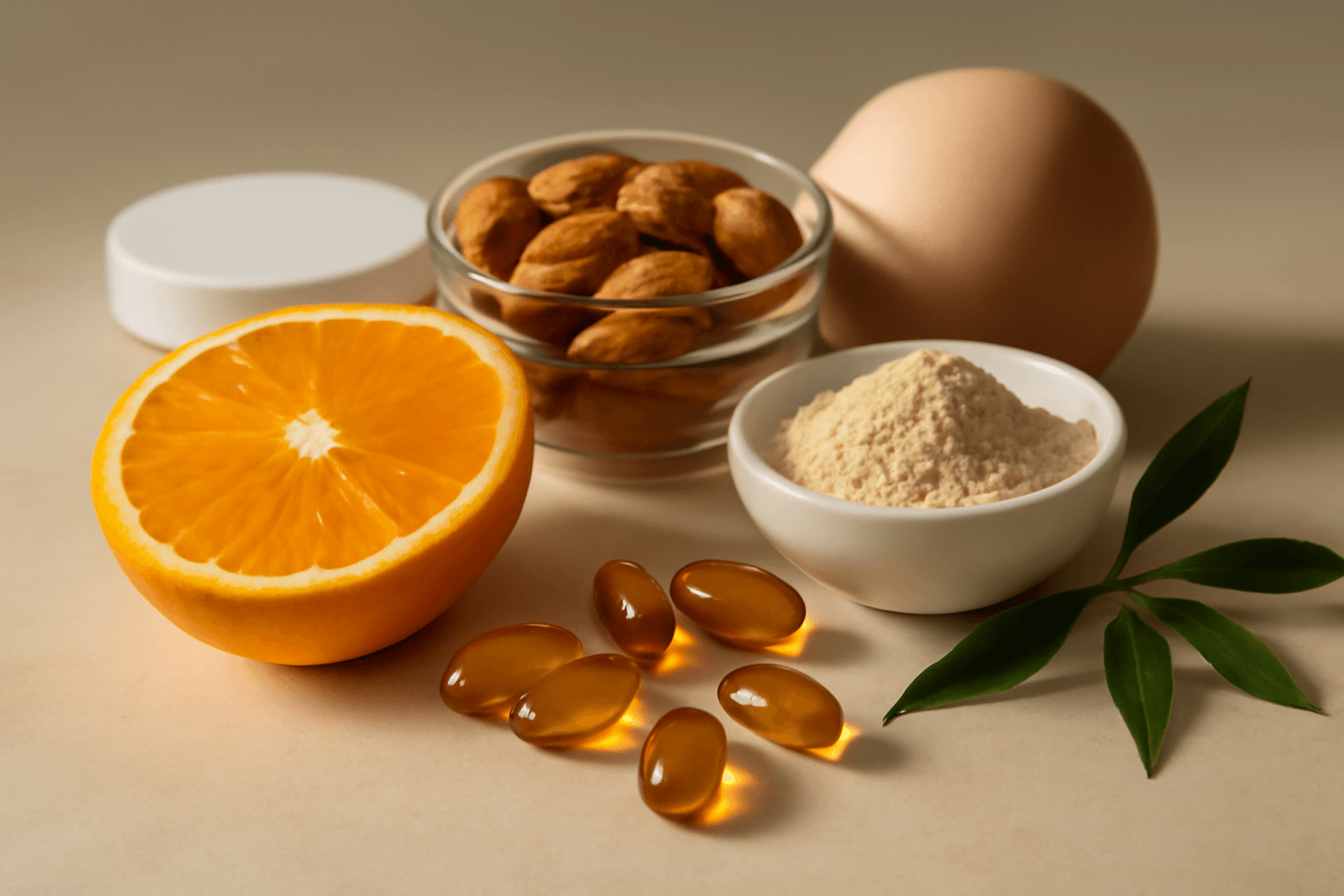
Chlorophyll is a natural pigment responsible for photosynthesis in plants and has recently gained attention in the skincare and wellness industry. Rich in green leafy vegetables, algae, and superfoods like chlorella and spirulina, this ingredient is known for its powerful antioxidant properties, skin-soothing effects, and ability to remove toxins from the body. It has become particularly popular as a natural solution among people with acne and inflammatory skin conditions, while also providing essential nutrients like magnesium and vitamin C. This article provides science-based information ranging from the definition of chlorophyll to its actual effects and proper dosage usage.
What is Chlorophyll?
Chlorophyll is a green pigment present in the chloroplasts of plant cells and plays an essential role in photosynthesis, the process that converts sunlight into energy. In terms of molecular structure, chlorophyll is formed by a magnesium ion bonded to the center of a porphyrin ring. This is very similar to the structure of hemoglobin, with the key difference being that hemoglobin contains iron while chlorophyll contains magnesium.
Chlorophyll used in skincare products and supplements comes in two main forms. Natural chlorophyll is extracted directly from plants and is highly unstable and light-sensitive. Chlorophyllin, on the other hand, is a chemically improved form of natural chlorophyll where the central magnesium is replaced with copper or sodium to increase stability and absorption rates. Chlorophyllin is more commonly used in commercial supplements and skincare products.
The popularity of chlorophyll as a functional food has surged over the past decade. Particularly in Korea, with the spread of wellness culture, liquid chlorophyll supplements, chlorophyll powder, and chlorophyll-infused skincare serums have become popular products. As celebrity endorsements and beauty influencer reviews have spread, demand among younger generations continues to increase.
Types of Chlorophyll
Natural chlorophyll is extracted directly from green plants such as spinach, kale, parsley, and alfalfa. While this form has the highest biological activity, it is extremely unstable and decomposes rapidly when exposed to light, heat, and oxygen. Frozen storage is essential, it has a short shelf life, and is expensive. Natural chlorophyll maintains powerful antioxidant components, but is unsuitable for commercial mass production.
Chlorophyllin (also called water-soluble chlorophyll) is the most widely used form. It undergoes a chemical treatment process where the magnesium in natural chlorophyll is replaced with copper (copper chlorophyllin) or sodium (sodium copper chlorophyllin). Through this process, chlorophyllin becomes stable at room temperature, withstands acidic environments (stomach acid), and has improved absorption rates in the human digestive tract. Chlorophyllin is used in medical supplements and most skincare products.
Liquid chlorophyll supplements are chlorophyllin dissolved in water, which users consume by adding a few drops to water or beverages. This is the most popular form in the Korean market, offering rapid absorption and easy dosage adjustment. However, product purity and concentration vary greatly, making the choice of a reliable brand important.
Chlorophyll powder comes in a dry powder form, mixed into yogurt, smoothies, or food. It has a fine powdery texture, is convenient to store, and is relatively inexpensive. However, dosage measurement can be inaccurate, and many people find the distinctive earthy taste off-putting during consumption.
Chlorophyll-infused skincare products are applied directly to the skin in serum, toner, or mask forms. They leverage chlorophyll's anti-inflammatory and antibacterial properties to achieve effects such as acne relief, skin tone improvement, and pore reduction. Unlike oral consumption, topical application is relatively safe for people with sensitive skin.
Effects of Chlorophyll
Antioxidant action is the most important effect of chlorophyll. Chlorophyll acts as a powerful antioxidant that neutralizes free radicals. When free radicals increase in the skin due to UV rays, air pollution, and stress hormones, collagen breakdown, loss of skin elasticity, and wrinkle formation accelerate. By eliminating these free radicals, chlorophyll delays skin aging. According to one study, a group using skincare products containing chlorophyll extract for 8 weeks showed a 23% reduction in oxidative stress markers compared to the control group.
Anti-inflammatory and acne relief is the most notable effect in practice. Chlorophyllin is a powerful antibacterial ingredient that inhibits the growth of Propionibacterium acnes, a major acne-causing bacterium. It also reduces the production of inflammatory cytokines, rapidly calming skin inflammation. Users experiencing acne-related erythema and pustules have reported noticeable improvements within 1-2 weeks. However, since individual results vary greatly, it is not equally effective for everyone.
Magnesium supply is an often-overlooked advantage of chlorophyll. Chlorophyll contains magnesium in its molecular structure, and oral consumption raises magnesium levels in the body. Magnesium is an essential mineral for skin health, involved in energy production, muscle relaxation, and nerve stabilization. Magnesium deficiency worsens skin inflammation and triggers acne through elevated cortisol, a stress hormone. The daily recommended amount is 420mg for adult men and 320mg for women. While chlorophyll supplements alone cannot meet this requirement, they provide adequate supplementary support.
Detox and toxin removal is frequently mentioned in chlorophyll advertising, but scientific evidence is limited. According to some research, chlorophyllin can bind to certain toxins and heavy metals (such as lead and cadmium) in the digestive tract and promote their elimination through bowel movements. However, these effects are minimal, and healthy liver and kidneys already efficiently remove toxins. Chlorophyll is not a "miracle detox" substance, and excessive expectations should be avoided.
Vitamin C absorption enhancement is an indirect effect of chlorophyll. Chlorophyll has a slightly acidic nature that adjusts the pH of the digestive tract, improving the absorption of nutrients sensitive to acid, such as vitamin C and iron. Therefore, consuming chlorophyll together with vitamin C-containing foods (oranges, paprika, broccoli) can yield synergistic effects.
Energy metabolism improvement is a subjective effect reported by chlorophyll users. The magnesium and antioxidant components in chlorophyll may enhance the efficiency of energy production in mitochondria (ATP production), potentially resulting in reduced fatigue and increased bodily vitality. However, this is more likely the result of overall nutritional improvement rather than a pure chlorophyll effect.
Recommended Dosage of Chlorophyll
The recommended dosage of chlorophyll supplements varies depending on product type, extraction concentration, and individual health status. For liquid chlorophyll, generally 30-50ml (approximately 1-2 teaspoons) per day is mixed with a cup of water according to manufacturer guidelines. Initial users are recommended to start with a lower dose (approximately 15-20ml) for digestive adaptation and gradually increase as tolerated.
For chlorophyll powder, the daily recommended amount is typically 3-5g (approximately 1 teaspoon). Mix this into smoothies, yogurt, or water. Powder is absorbed more slowly than liquid supplements, so consistent consumption is important.
When using skincare products, it is important not to exceed the dosage specified on the product. Generally, chlorophyll serum is applied once or twice daily after cleansing, using one to two pump amounts over the entire face. Excessive use can actually cause skin irritation.
Maximum safe dosage guidelines have not yet been established clearly. However, based on existing research and clinical observations, daily chlorophyllin intake of 100-200mg is considered safe. Continuous intake exceeding this amount has been reported to cause digestive discomfort, green-colored stools, and nausea.
Timing of consumption is also important. Since chlorophyll can be broken down in stomach acid, it is more effective to consume it after meals or with food rather than on an empty stomach. Taking it after dinner may help eliminate oxidative stress accumulated throughout the day overnight.
Duration of use varies greatly among individuals. For those targeting acne relief, it is reasonable to evaluate effects after 4-8 weeks of consistent use. Expecting significant changes from short-term use (1-2 weeks) is difficult. Conversely, those with certain conditions or currently taking medications must consult with a healthcare professional before long-term use.
Medical precautions: Pregnant women, nursing mothers, people with blood clotting disorders, and those currently taking anticoagulants (such as warfarin) must obtain physician approval before using chlorophyll supplements. Additionally, potential interactions with certain medications (especially photosensitizing agents and antibiotics) exist, so prior consultation with a pharmacist or doctor is essential for those regularly taking medications. For those with skin conditions or extremely high skin sensitivity, performing a patch test before using skincare products is recommended.
Summary
Key Points:
- Chlorophyll is a plant photosynthesis pigment containing magnesium and powerful antioxidant components.
- The skincare market primarily uses the more stable chlorophyllin (water-soluble chlorophyll) form.
- Antioxidant, anti-inflammatory, and acne relief are the main effects with scientific backing.
- Detox effects tend to be exaggerated in advertising, so realistic expectations should be set.
- Available in various forms including liquid, powder, and skincare products, each with different dosages and usage methods.
- Initial users should start with lower doses and gradually increase as tolerated.
- It is reasonable to evaluate effects after 4-8 weeks of consistent use.
- Prior consultation with healthcare professionals is essential for those with certain conditions, taking medications, or pregnant.
- Chlorophyll is an auxiliary skincare method and cannot substitute for fundamental skin condition treatment.
- Selecting reliable brands and adhering to precise dosages ensure safety and efficacy.
Chlorophyll is an effective skincare ingredient obtainable from nature, but science-based realistic expectations and proper usage methods are essential. A customized approach suited to individual skin type and health status guarantees the best results.