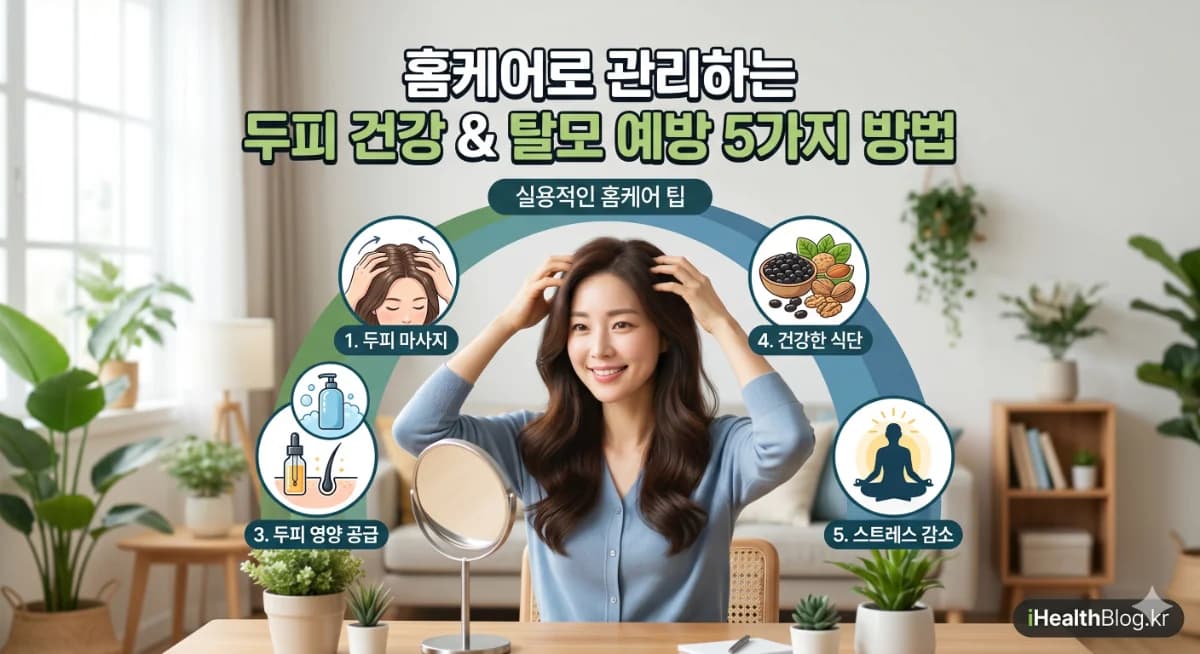
The Importance of Scalp Health: Prevention is the Best Cure for Hair Loss
The number of people experiencing hair loss in Korea is increasing every year. According to data from the Health Insurance Review and Assessment Service, the number of patients visiting hospitals for hair loss exceeded 3 million in 2022, which is more than a 40% increase compared to five years ago. This issue is particularly serious among working professionals and students in their 20s to 40s.
Hair loss can occur due to various factors, including genetic predisposition, stress, hormonal changes, and lifestyle habits. Fortunately, a significant portion can be prevented and improved through proper scalp care in the early stages. In this article, we will introduce five science-based scalp care methods that can be practiced at home.
Step 1: Establishing Proper Hair Washing Habits
Many people overlook this, but the way we wash our hair greatly affects scalp health. Dermatologists recommend washing hair once a day in the evening with lukewarm water (36-40 degrees Celsius).
Proper Hair Washing Method
- Preparation: Detangle your hair with a comb before washing. This helps promote blood circulation in the scalp.
- Rinsing: Rinse your hair with lukewarm water for 1-2 minutes to partially remove dust and oil.
- Shampooing: Dispense a coin-sized amount (about 5mL) of shampoo into your hands, lather it up, and gently massage your scalp with your fingertips (not your nails) for 5-10 minutes.
- Rinsing: Rinse thoroughly with warm water for at least 2-3 minutes to ensure all shampoo is removed. Residual shampoo can cause scalp inflammation.
- Drying: Pat your hair dry with a towel and then blow-dry with cool air. Hot air can strip moisture from the scalp.
Expert Advice: According to recommendations from the Korean Dermatological Association, washing hair more than twice a day can excessively remove the scalp's natural moisturizing components (sebum), prompting the scalp to produce more sebum. This creates a vicious cycle.
Step 2: Choosing the Right Shampoo for Your Scalp Type
It is important to use a shampoo that is suitable for your scalp type. There are a variety of products available at different price points, but higher-priced products are not always better.
Shampoo Selection Guide by Scalp Type
- Oily Scalp: Products containing salicylic acid or zinc pyrithione. Products in the range of 10,000-20,000 won are sufficient. A well-known product is a shampoo for seborrheic scalp.
- Dry Scalp: Choose products containing glycerin or panthenol. Products with argan oil or camellia oil (around 15,000-30,000 won) are recommended.
- Sensitive Scalp: Choose fragrance-free, low-irritation products with minimized irritating ingredients (around 12,000-25,000 won). Look for products that exclude unnecessary fragrances and dyes.
- Combination Scalp: Selecting a mildly acidic shampoo (pH 5.5±0.5) can help maintain the hydrogen ion concentration of the scalp and hair.
It is also important to check for cosmetics approved by the Korean Ministry of Food and Drug Safety. Check the ingredient list on the back of the product to ensure that the alcohol content is not excessive. Generally, if the alcohol content is over 10%, it may cause scalp irritation.
Step 3: Promoting Blood Circulation with Scalp Massage
Scalp massage is an effective way to improve blood circulation and supply oxygen and nutrients to the hair follicles. According to a study by Seoul National University, a scalp massage for 5 minutes, three times a week, resulted in an average increase of 0.3mm in hair thickness.
Effective Scalp Massage Method
Basic Massage (Recommended 5 minutes daily, twice a day):
- Start at the crown of your head using the tips of your fingers (the fingerprint area).
- Slowly move your scalp in circular motions. A speed of about once per second is appropriate.
- Massage the entire scalp by moving from the forehead to the crown, from the sides to the crown, and from the back to the crown.
- Apply slight pressure with your fingers, but it should not be painful for the scalp.
- Stimulating the area behind the ears (above the earlobe) for 30 seconds can be even more effective.
Advanced Massage (2-3 times a week, 10 minutes each):
Using a scalp massage tool (costing about 8,000-15,000 won) during shower time can enhance the effects. Silicone scalp massagers provide more uniform stimulation than fingers and are hygienic. Be sure to rinse thoroughly with lukewarm water afterward.
Step 4: Nutritional Management and Lifestyle Improvement
Scalp health is closely related to internal nutritional status. Hair is primarily made up of protein, and zinc, iron, and B vitamins are essential for cell division.
Nutrients Helpful for Preventing Hair Loss
- Protein: Obtain from eggs, fish, tofu, chicken breast, etc. A daily intake of 50-60g is needed.
- Zinc: Rich in oysters, beef, pumpkin seeds, etc. The recommended daily intake for adults is 8-10mg.
- Iron: Found in spinach, beef, black sesame, etc. Women need an additional 10-15mg per month due to menstruation.
- B Vitamins: Found in brown rice, mushrooms, and nuts. Particularly, vitamin B7 (biotin) is important for hair growth.
Improving Lifestyle Habits:
- Sleep: Getting more than 7 hours of sleep promotes the secretion of hair growth hormones. Especially, from 10 PM to 2 AM is the most active time for growth hormone secretion.
- Stress Management: Chronic stress increases cortisol levels, leading to telogen effluvium. Exercising for 30 minutes three times a week is effective for reducing stress.
- Avoiding Smoking and Excessive Drinking: Nicotine constricts scalp blood vessels, and excessive drinking hinders nutrient absorption.
Research Findings: A study published in the journal of the Korean Medical Association reported that regular exercise and stress management alone reduced telogen effluvium by an average of 30%.
Step 5: Intensive Care with Home Essences and Packs
Intensive scalp care once or twice a week is effective not only for prevention but also for alleviating early symptoms of hair loss. There are economical alternatives to purchasing commercial products.
Recommended Home Care Methods
- Tea Tree Oil Pack: Mix 2 tablespoons of coconut oil with 3-5 drops of tea tree essential oil and apply evenly to the scalp. Rinse with warm water after 20 minutes. Ingredient cost is about 5,000 won.
- Green Tea Pack: Mix 2 tablespoons of honey into 300mL of strong green tea, apply to the scalp, and leave for 30 minutes. The polyphenols in green tea have antioxidant and anti-inflammatory effects. Ingredient cost is about 3,000 won.
- Egg Pack: Mix 1 tablespoon of olive oil into egg whites, apply to the scalp, and rinse with lukewarm water after 20 minutes. Egg protein is effective for strengthening hair. Ingredient cost is about 1,000 won.
- Commercial Scalp Essence: Using products containing vitamin B, panthenol, and caffeine (around 20,000-50,000 won) every morning can help improve blood circulation in the scalp.
Commercial scalp pack products can be purchased for about 15,000-40,000 won. It is advisable to choose products that have been approved by the Ministry of Food and Drug Safety and are labeled with "hair loss prevention" functionality.
Additional Tip: When Should You Visit a Doctor?
While home care is important, you should seek professional treatment if you experience the following symptoms:
- If you lose more than 100 hairs a day
- If your scalp is red and swollen or if itching is severe
- If hair loss symptoms persist for more than 2 months
- If you have bald spots the size of a coin (alopecia areata)
The cost of dermatological treatment covered by health insurance is about 30,000-50,000 won for the first visit, and if necessary, blood tests (about 50,000-100,000 won) can check hormone and nutrient levels.
Conclusion: Prevention is the Best Treatment
Maintaining scalp health is not achieved overnight. By consistently practicing the five methods introduced, you can start to feel the effects in at least 8 weeks. Research shows that a group that maintained home care for more than three months experienced an average improvement of 25-40% in hair loss symptoms.
Action Plan:
- Week 1: Learn the proper hair washing method and purchase a shampoo suitable for your scalp type
- Week 2: Start daily scalp massages
- Week 3: Improve your diet and review your lifestyle habits
- Week 4: Begin home packs once a week
Hair loss is a condition where prevention and early management are crucial. By listening to the signals your scalp sends and consistently practicing the above methods, you can maintain a healthy scalp and luscious hair. Start today with the belief that small changes lead to significant results.