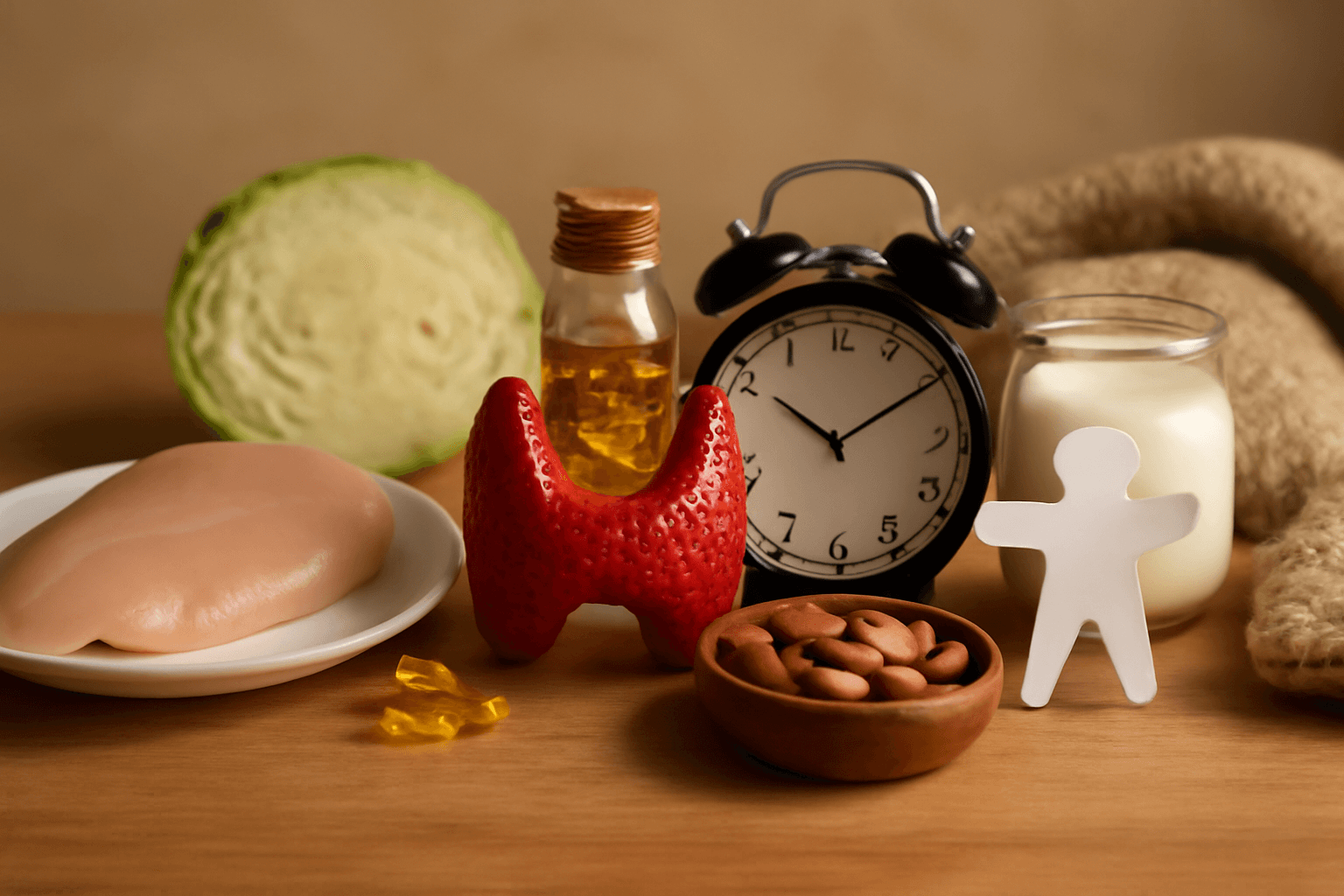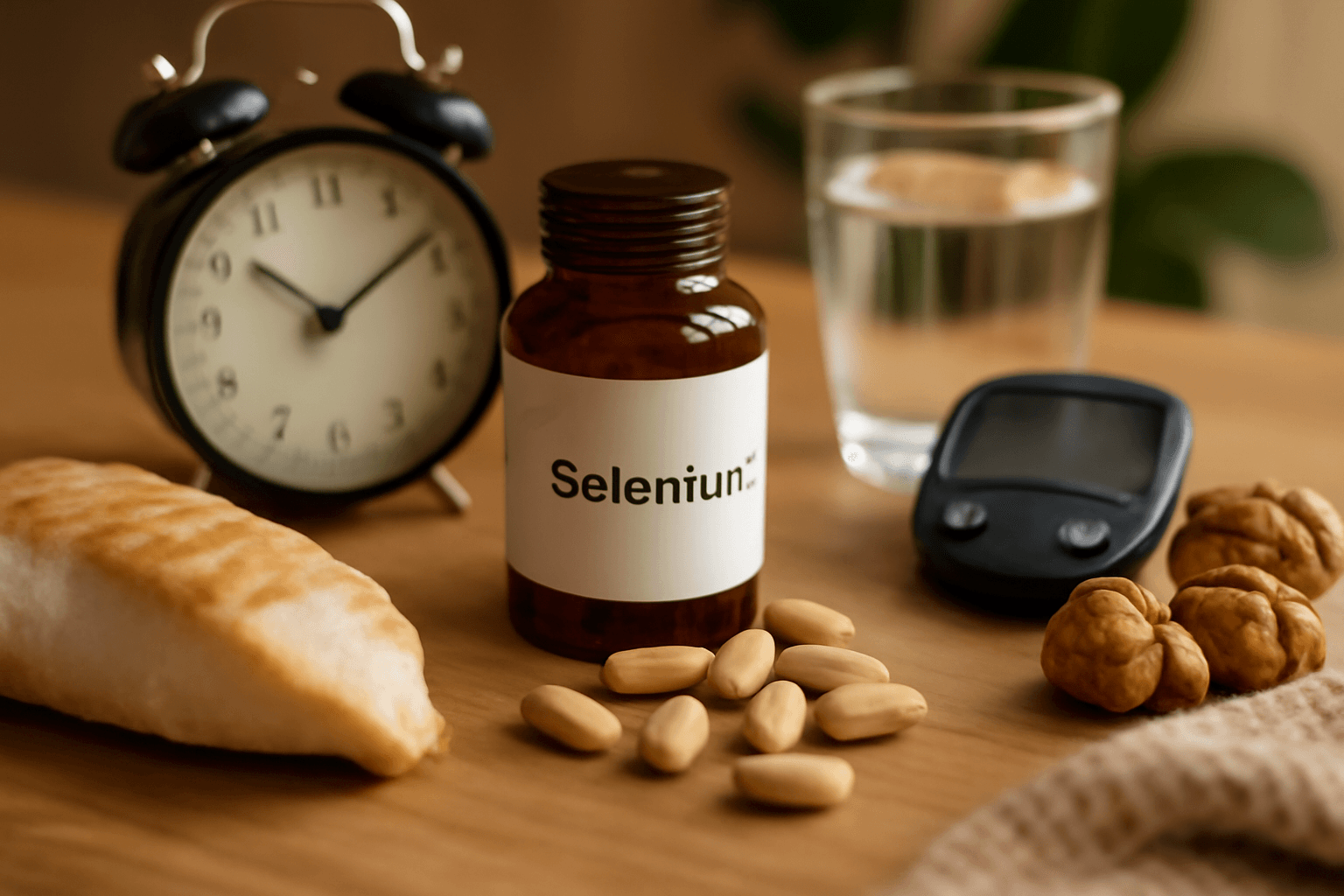
Hormones are chemical messengers that regulate nearly every physiological function in our body. From thyroid hormones to sex hormones, when their balance is disrupted, various symptoms appear including fatigue, weight changes, sleep problems, and weakened immunity. Selenium is a trace element essential for maintaining this hormonal balance, supporting overall hormonal health especially through thyroid function and antioxidant activity. In this post, we'll examine selenium's role in detail, the effects of deficiency, effective intake methods, and complementary strategies for hormonal optimization.
Selenium: A Trace Nutrient with Remarkable Benefits
Selenium is a trace element with a daily recommended intake of only 50-55 micrograms (μg) for adults, yet it has a significant impact on essential body functions. Selenium is a key component of proteins called selenoproteins, which perform powerful antioxidant functions. In particular, enzymes like glutathione peroxidase and thioredoxin reductase protect cells from free radicals that cause damage.
From a hormonal health perspective, selenium's most important role is in thyroid hormone metabolism. For hormones produced by the thyroid to be activated throughout the body, a selenium-containing enzyme called iodothyronine deiodinase is required. Without this enzyme, thyroid hormones cannot function properly, directly affecting metabolism, body temperature regulation, and energy levels.
Additionally, selenium plays a key role in strengthening the immune system and regulating inflammatory responses. Since chronic inflammation is one of the major causes of hormonal imbalance, selenium's anti-inflammatory properties indirectly contribute to maintaining hormonal stability.
Selenium Deficiency and Associated Hormonal Imbalances
Selenium deficiency is estimated to affect approximately one billion people worldwide, and is particularly common in regions where soil selenium content is low. When selenium deficiency persists, thyroid function declines, potentially causing hypothyroidism symptoms. This leads to slowed metabolism, weight gain, chronic fatigue, and muscle pain.
According to research, selenium deficiency increases the risk of Hashimoto's thyroiditis, an autoimmune thyroid disease. When selenium is insufficient, antibody levels attacking the thyroid rise, and thyroid tissue damage accelerates. In fact, cases have been reported where selenium supplementation reduced thyroid antibody levels by 20-40%.
Selenium deficiency also affects stress hormone management. When selenoprotein deficiency increases oxidative stress, the body responds by increasing cortisol production to cope with stress. Prolonged elevated cortisol levels create a vicious cycle leading to blood sugar instability, sleep disruption, and impaired immune function.
Sources of Selenium
The best way to consume enough selenium is through natural dietary intake. Foods with high selenium content include:
- Brazil nuts: One handful (about 28g) contains 537μg (almost 10 times the daily recommended amount)
- Seafood: Oysters (55μg/100g), shrimp (40μg/100g), tuna (90μg/100g)
- Eggs: One egg (35μg)
- Meat: Beef (33μg/100g), chicken (27μg/100g)
- Whole grains: Brown rice (15μg/100g), oats (8μg/100g)
- Nuts and seeds: Sunflower seeds (53μg/100g), almonds (4μg/100g)
Since soil chemistry varies by region, the same food can have significantly different selenium content depending on location. Food produced in selenium-rich soil regions can contain more than five times as much selenium as food from deficient areas. For this reason, consuming a variety of foods is important.
If considering supplements, selenomethionine or selenium yeast forms are better absorbed by the body. Inorganic forms like sodium selenite or selenate have lower absorption rates and carry greater risk of side effects.
How to Maintain Optimal Hormonal Health with Selenium
To maximize selenium's effects, a balanced approach is necessary. First, adequate protein intake is important. Selenium is absorbed along with amino acids to form selenoproteins, so insufficient daily protein intake reduces selenium's effectiveness. Adults should consume a minimum of 1.2-2g of protein per kilogram of body weight daily.
Second, balance with zinc is important. Selenium and zinc work together to regulate thyroid hormone conversion and immune response. Selenium supplementation has limited effects when zinc is deficient. The daily recommended intake of zinc is 11mg for adult men and 8mg for women. You can obtain sufficient amounts from oysters, beef, pumpkin seeds, and cashews.
Third, omega-3 fatty acid intake also supports hormonal health. Omega-3s improve hormone signaling through anti-inflammatory action and enhance selenium's antioxidant effects. Consuming fatty fish (salmon, mackerel, sardines) 2-3 times per week or 1-2 tablespoons of flaxseed oil or flaxseeds daily is ideal.
Fourth, sleep and stress management are as important as selenium intake. Insufficient sleep worsens cortisol and insulin imbalance, disrupting the entire hormonal system. Aim for consistent 7-9 hours of sleep every night and develop a habit of going to bed before 10 p.m. Stress management improves the body's environment so that selenium can reduce oxidative stress.
Fifth, maintaining blood sugar stability is key to hormonal balance. Rapid blood sugar spikes and drops excessively stimulate insulin secretion, disrupting the secretion rhythm of other hormones. Instead of refined carbohydrates, eat balanced meals including whole grains, vegetables, and protein at 3-hour intervals.
Is Selenium Safe? Symptoms of Side Effects
Selenium is generally a safe nutrient, but toxicity can occur with excessive intake. The daily upper intake limit is set at 400μg. If you excessively consume high-selenium foods like Brazil nuts daily, you may exceed the daily upper limit, so caution is necessary.
Initial symptoms of excessive selenium intake include:
- Garlic-smelling breath
- Nail and hair damage or hair loss
- Skin rash or redness
- Digestive discomfort, nausea
- Nervousness, fatigue
- Joint pain and muscle weakness
Chronic excessive intake (1000μg or more daily) can trigger a toxic condition called selenosis, causing peripheral nervous system damage, thyroid dysfunction, and worsening of skin conditions. Especially if you have thyroid disease, are pregnant, or are taking other medications, you should consult a healthcare professional before starting selenium supplements.
If considering selenium supplements, it's good to get blood serum selenium level tests weekly or biweekly to confirm you're maintaining appropriate levels. Most people can obtain sufficient selenium through various foods, so if you have no specific deficiency symptoms, food intake alone is sufficient.
Complementary Methods to Support Hormonal Health
Besides selenium, there are several lifestyle habits and nutritional strategies that support hormonal health. Practicing these together can maximize selenium's effects.
Regular exercise: Aerobic exercise for 30 minutes or more 3-4 times per week and strength training twice weekly are effective for improving insulin sensitivity, stabilizing cortisol levels, and maintaining sex hormone balance. High-intensity interval training (HIIT) in particular maximizes hormonal response in a short time.
Gut health improvement: Diversity of gut microbiota affects hormone metabolism. Consuming fermented foods (yogurt, kimchi, miso) and fiber-rich foods (vegetables, fruits, whole grains) increases beneficial bacteria and improves hormone metabolism.
Toxin elimination: Environmental hormones and pesticides interfere with hormone receptors. Choosing organic produce, minimizing plastic products, and using personal care products with fewer chemicals reduce the burden on your hormonal system.
Vitamin D optimization: Vitamin D functions as a hormone called calcitriol, regulating calcium absorption, immune response, and hormone signaling. Maintain serum vitamin D levels at 40-60 ng/mL. You can obtain sufficient amounts through sun exposure (15-20 minutes, 3-4 times per week), fatty fish, egg yolks, and mushrooms.
Magnesium intake: Magnesium deficiency causes anxiety, sleep problems, and muscle tension, worsening hormonal stress response. Obtain the daily recommended amount (400mg for men, 310mg for women) from spinach, pumpkin seeds, dark chocolate, and almonds.
Summary
Selenium is an essential trace element for hormonal health. It plays a central role especially in thyroid hormone activation, antioxidant defense, and stress hormone management. Selenium deficiency can lead to thyroid dysfunction, increased risk of Hashimoto's thyroiditis, chronic fatigue, and weakened immunity.
Adequate intake through food is the top priority. You can easily obtain the daily recommended amount of 50-55μg from a variety of foods including Brazil nuts (appropriate amounts), seafood, eggs, whole grains, and meat. Brazil nuts are very high in selenium, so about 2-3 per day is appropriate.
Hormonal health is not achieved by a single nutrient. The best results come when selenium works together with adequate protein, zinc, omega-3, vitamin D, magnesium intake, regular exercise, consistent sleep, stress management, and blood sugar stability maintenance.
If considering supplements, consult a healthcare professional. This is especially important if you have thyroid disease, are pregnant, or are taking other medications. Avoid exceeding the daily upper limit of 400μg, and seek immediate medical attention if symptoms of excessive intake appear.
Hormonal health is a result of consistent effort rather than immediate changes. By starting today with a nutrient-rich diet including selenium-containing foods and healthy lifestyle habits, you can experience increased energy, improved sleep, and enhanced emotional stability within weeks to months.