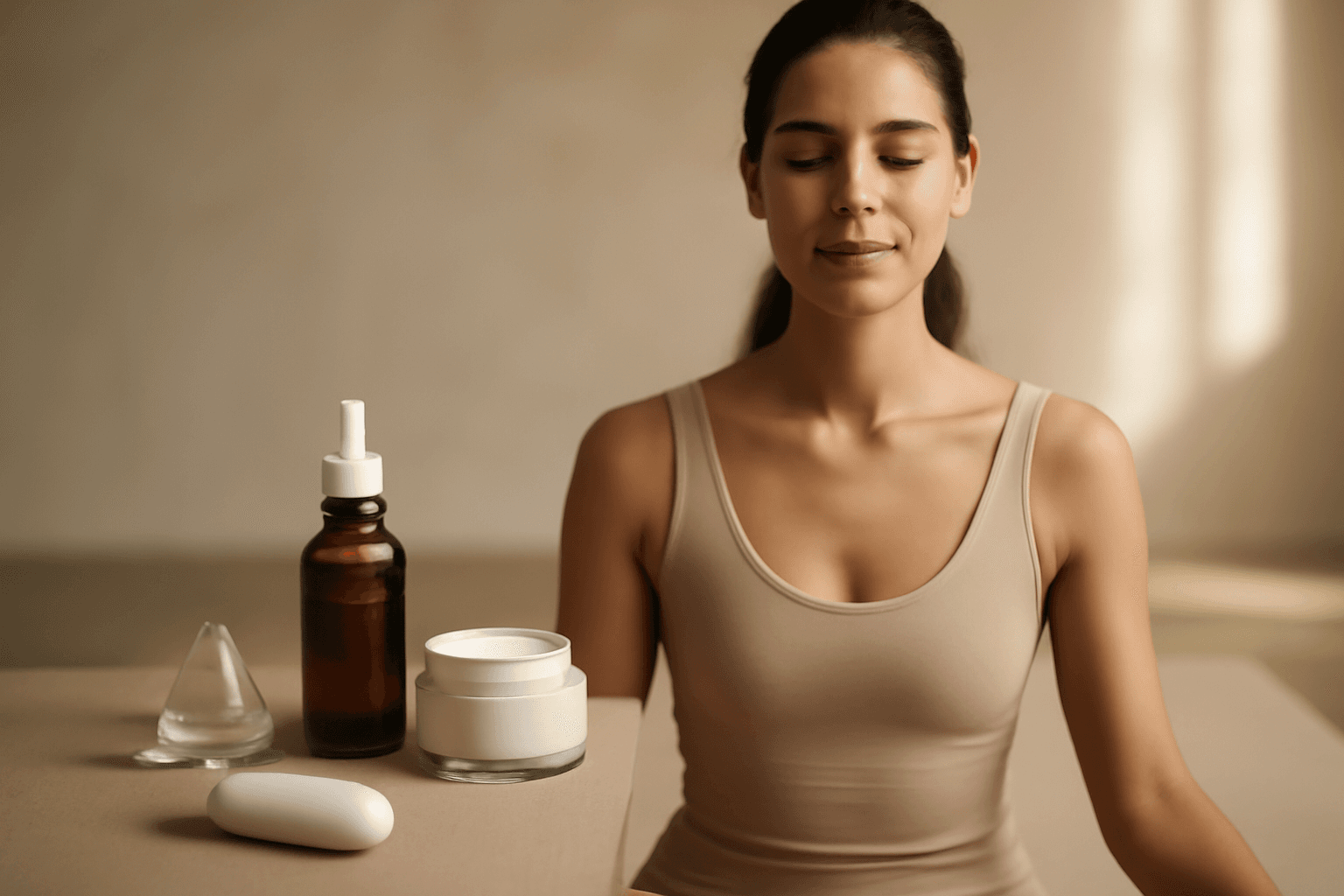
Ceramide is one of the most important ingredients that determine skin health and is an essential lipid that makes up the skin's moisture barrier. Existing in the stratum corneum, the outermost layer of the epidermis, ceramides prevent water loss and protect the skin from external irritants. As we age and ceramide levels decrease, various skin problems such as dry skin, wrinkles, and acne occur. When used together with other hydrating ingredients like hyaluronic acid and niacinamide, ceramides can maximize their effectiveness even further. This article will systematically examine everything from the definition of ceramides to practical skincare application methods.
What is Ceramide?
Ceramide is a fat molecule of the sphingolipid family that makes up the intercellular matrix of skin cells. It comprises approximately 50% of the stratum corneum in the human epidermis and acts as an intercellular lipid along with cholesterol and fatty acids. Ceramides are key components of the skin's moisture barrier and regulate transepidermal water loss (TEWL).
For healthy skin, ceramide levels must be maintained above a certain threshold, but they decrease by approximately 1.3% annually starting from the age of 20. By the time you reach your 50s, ceramide levels decrease by over 40% compared to your 20s, making anti-aging management essential. Reduced ceramide levels lead to decreased skin moisture retention capacity, which in turn accelerates wrinkle formation.
Natural ceramides are extracted from animal sources such as animal brains and spinal cords, but modern skincare primarily uses plant-based or synthetic ceramides. Plant-based ceramides in particular are extracted from grapes, wheat, and rice bran, making them ethical and less irritating compared to animal-derived ones.
What Role Do Ceramides Play in Skin?
1. Formation of Skin Moisture Barrier
The most important role of ceramides is to form a protective barrier on the skin's outer layer. Ceramides in the stratum corneum create a "lamellar structure" of alternating water and lipid layers to prevent moisture evaporation. When this structure is damaged, transepidermal water loss increases and skin dryness worsens. Healthy skin with sufficient ceramide content loses only 2-5g of water per day, but when ceramides are lacking, water loss can exceed 10g.
2. Blocking External Irritants
Ceramides physically block harmful substances such as bacteria, viruses, and environmental pollutants from penetrating into the skin. In particular, they are effective at preventing acne by blocking the penetration of Propionibacterium acnes, the bacterium that causes acne. Sensitive skin with low ceramide levels experiences inflammatory responses more easily, not just acne.
3. Improving Skin Elasticity
Ceramides directly impact skin flexibility and elasticity. When ceramides are insufficient, skin becomes stiff and wrinkles appear more pronounced. When used together with niacinamide (Vitamin B3), they promote ceramide synthesis and further improve skin elasticity. According to research, participants using ceramides and niacinamide together showed a 36% improvement in skin elasticity after four weeks.
4. Inflammation Control
Ceramides have anti-inflammatory properties that calm oversensitive skin reactions. When ceramide levels decrease during skin inflammation, a vicious cycle of worsening inflammation occurs. Therefore, ceramide supplementation is particularly important for inflammatory skin conditions such as eczema, psoriasis, and acne.
Types of Ceramides
Ceramides come in over 11 types depending on their chemical structure, and the ones most commonly used in skincare products are as follows:
- Ceramide 1 (CER EOP): Most effective for skin protection and recommended for sensitive skin.
- Ceramide 3 (CER NP): Excellent for improving skin elasticity and frequently included in anti-aging products.
- Ceramide 6 (CER AP): Promotes skin renewal cycles and contributes to maintaining healthy skin.
- Ceramide 2 (CER NG): Superior overall hydrating efficacy with good value for money.
- Ceramide 9 (CER EOS): Has specialized functions for enhancing skin moisture retention.
Premium skincare products combine multiple types of ceramides to maximize synergistic effects. Products containing ceramides 1, 3, and 6 together show about 50% higher moisturizing efficacy compared to single-ingredient products. When purchasing, check for ingredients labeled "Ceramide" on the product ingredient list, and if possible, select products containing multiple types for better results.
How to Add Ceramides to Your Skincare Routine
1. Morning Routine
In the morning, use a lightweight ceramide essence or serum. After cleansing, tone your skin and apply ceramide essence by gently patting 2-3 times until absorbed. Then layer a niacinamide-containing serum on top to promote ceramide synthesis. Finally, finish with a lightweight emulsion or BB cream to prepare your makeup base. Including ceramides in your morning routine prevents midday skin dryness and improves makeup quality.
2. Evening Routine
In the evening, use the highest concentration ceramide product. After cleansing, prepare your skin with toner and toning lotion, then generously apply ceramide cream or rich serum. Since ceramides absorb better at night, intensive care in your evening routine is more effective. If you use a hyaluronic acid-containing product first followed by ceramide cream, the "lamella effect" creates a perfect seal of moisture and oils.
3. Intensive Masks 1-2 Times Weekly
Use ceramide-containing sheet masks or sleeping masks 1-2 times per week. Sheet masks can be used for 10-15 minutes, while sleeping masks can be worn overnight. Especially during dry seasons like fall and winter, you can use them up to 3 times per week. After using a ceramide intensive mask, you'll notice noticeably softer skin the next morning.
4. Balancing Protein Intake
Ceramides are important not just for topical application but also for internal synthesis. Consuming sufficient protein, which is the foundation for ceramide synthesis, promotes ceramide production in the skin. Consuming adequate high-quality protein daily from sources like eggs, fish, and tofu, combined with regular yoga or exercise to improve circulation, makes skincare ingredient absorption even more efficient. In particular, inverted yoga poses or pilates exercises increase facial blood flow, maximizing skincare product absorption.
Leveraging Ceramide Skincare Benefits
Improving Dry Skin
Since ceramide deficiency is the primary cause of dry skin, ceramide products provide immediate improvement. Research shows that skin moisture content increases by approximately 23% within two weeks of using ceramide-containing lotion. You can improve overall dryness by applying ceramide cream not just to your face but also to dry areas like elbows, calves, and feet.
Anti-Aging Effects
Ceramides' moisturizing capability translates directly into anti-aging benefits. Skin with sufficient moisture shows less pronounced wrinkles, and normalized skin renewal cycles of 25-28 days brighten skin tone. Women in their 50s using ceramide cream daily showed an average 27% improvement in eye area wrinkles and a 35% improvement in skin elasticity after eight weeks. Since ceramides have excellent compatibility with other anti-aging ingredients like Vitamin C and retinol, using them together yields even stronger results.
Acne Prevention and Improvement
Ceramides are needed in acne-prone skin because they repair damaged skin barriers. Since acne treatments like benzoyl peroxide and salicylic acid cause skin dryness, strengthening the moisture barrier with ceramides can reduce irritation. Ceramide products formulated for acne-prone skin are designed as low-irritation formulas and are mostly oil-free. Using ceramides together with niacinamide enables sebum control, maximizing acne treatment effectiveness.
Calming Sensitive Skin
When skin is sensitive or irritated, ceramides are the top priority treatment ingredient. They rapidly repair damaged skin barriers and protect against external irritants. Using ceramide essence and cream intensively during recovery from laser treatments or chemical peels speeds up recovery by approximately 40%. When used with hyaluronic acid, the calming effect is further enhanced.
Seasonal Management Strategy
In summer, use lightweight ceramide essence, and in winter, strengthen moisturization with ceramide cream. During seasonal transitions, intensive care with ceramide-containing sheet masks can prevent skin troubles from seasonal changes. Especially during the dry transition seasons of spring and fall, it's recommended to use ceramides at 1.5 times the normal concentration.
Precautions When Using Ceramides
While ceramides are generally a safe ingredient, there are a few precautions. When first using them, start with a small amount and check for skin adaptation before increasing the amount. Some people may experience allergic reactions to ceramides, so if you experience any reactions, discontinue use and consult a dermatologist. Additionally, while ceramides are highly stable, their efficacy may decrease when exposed to high temperatures or direct sunlight, so store them in a cool place. If you have specific skin conditions or are taking medication, it's recommended to consult a specialist before use.
Summary
Key Points About Ceramides:
- Ceramides are an essential ingredient in the skin's moisture barrier that decreases with age.
- Various types of ceramides like 1, 3, and 6 exist, and combination products are more effective.
- Add them progressively to morning and evening routines, combined with 1-2 intensive masks per week.
- Using them together with hyaluronic acid and niacinamide provides synergistic effects.
- Promote internal ceramide synthesis through protein intake and regular exercise like yoga.
- They have broad-ranging benefits for improving dryness, anti-aging, acne, and sensitive skin.
- Start with a small amount on first use, and consult a specialist if adverse reactions occur.
Ceramides go beyond being a simple moisturizing ingredient and are an essential component forming the foundation of skin health. By adjusting the amount of ceramides used and product type according to age, season, and skin condition, you can maintain optimal skin condition. Combined internal nutritional care with topical application will maximize ceramide efficacy, allowing you to maintain healthy, elastic skin for years to come.


