Pumpkin seeds are a superfood packed with impressive nutritional value in a small package, serving as an excellent source of high-quality plant-based protein. With about 30g of protein per 100g of pumpkin seeds, they boast protein content comparable to meat and dairy products. This article will explore the various health benefits of pumpkin seed protein and how to incorporate it into your daily routine.
What is Pumpkin Seed Protein?
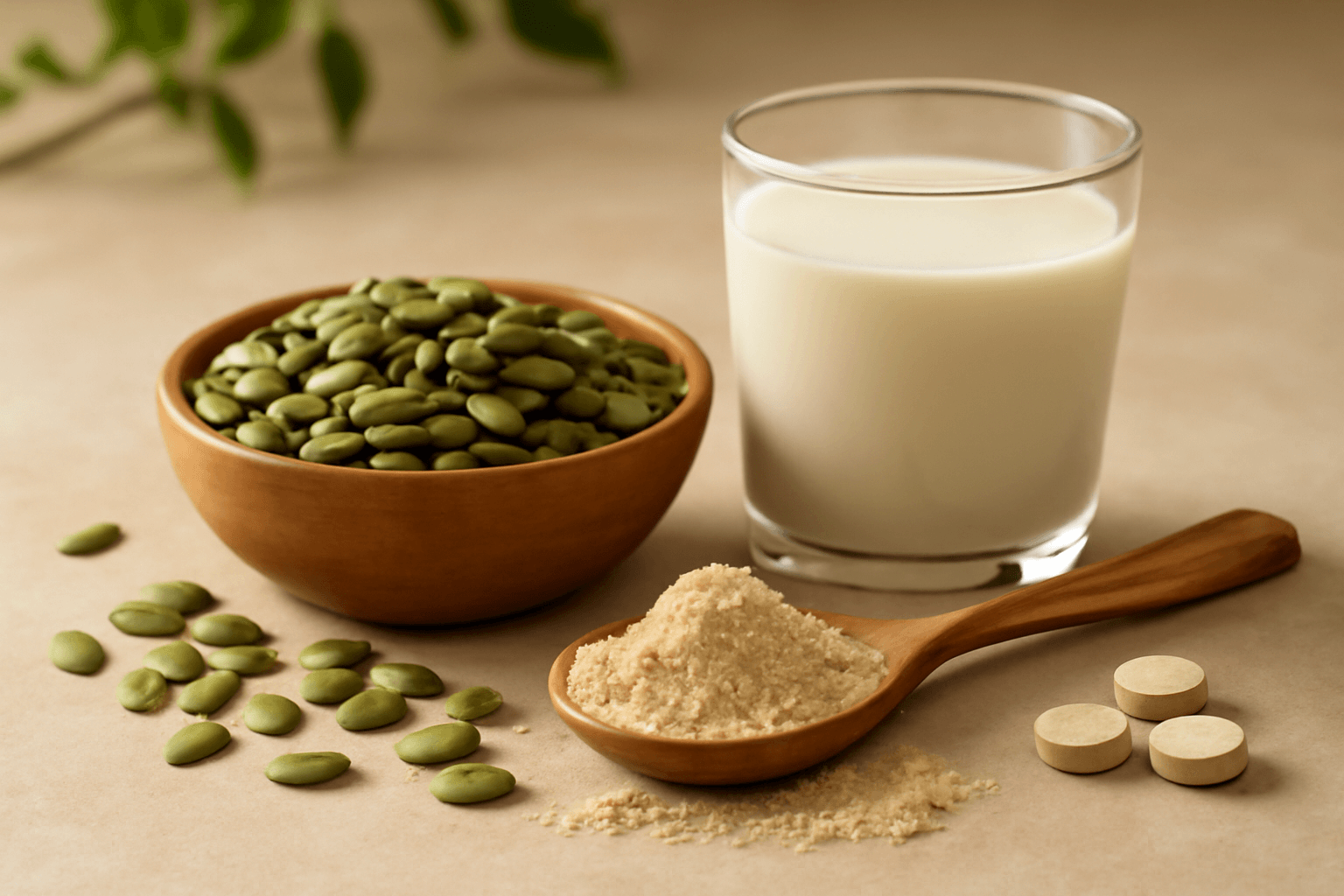
Pumpkin seeds are flat green seeds found inside pumpkins and are a nutritionally well-balanced food. Pumpkin seed protein has characteristics close to a complete protein, containing all nine essential amino acids required by the human body. They are particularly rich in essential amino acids such as lysine, methionine, and tryptophan.
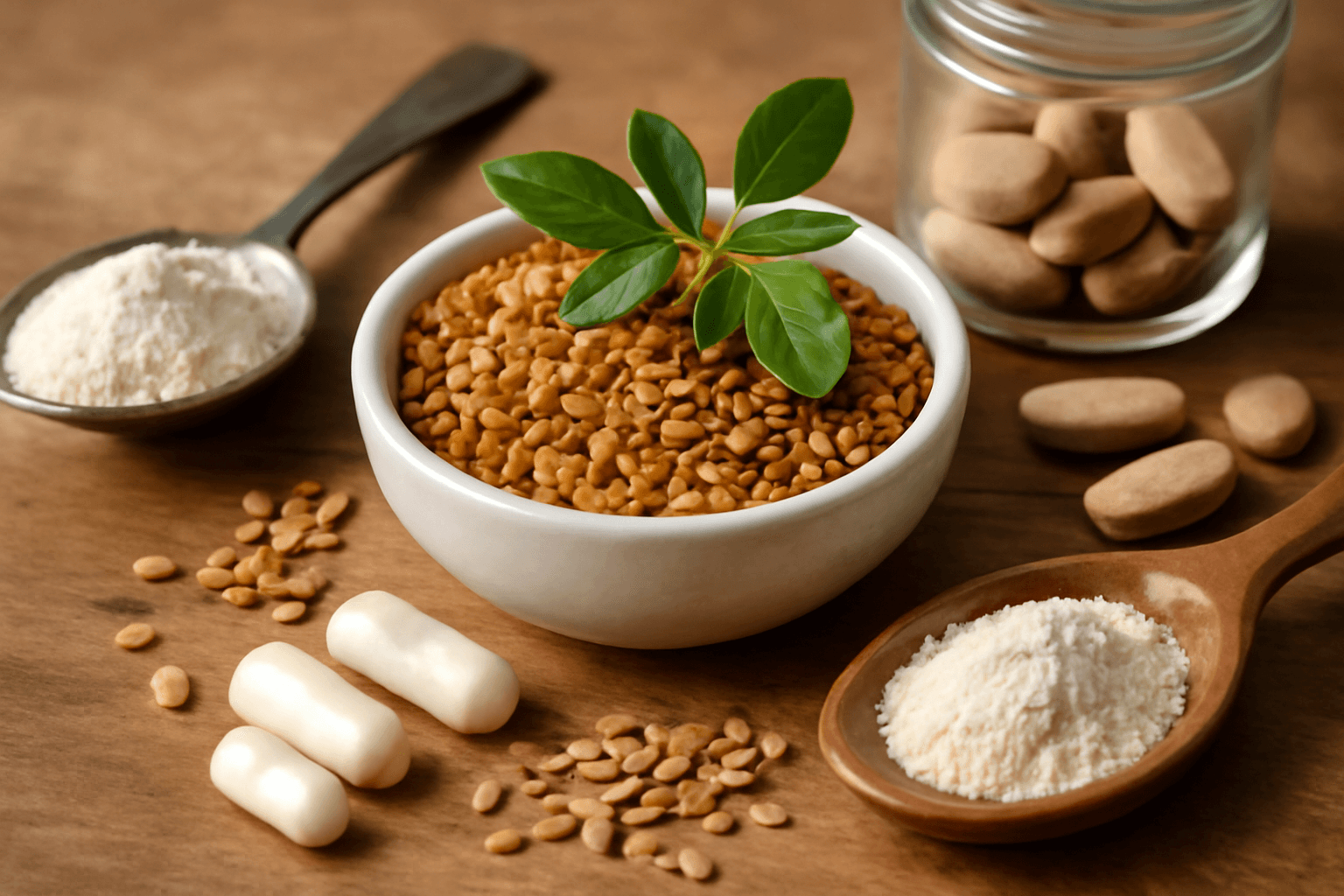
Since pumpkin seeds are naturally a dried food, they're easy to store and can be consumed whole or processed into powder form to add to various dishes. Recently, pumpkin seed protein powder products have been introduced to the health food market and have gained popularity among fitness enthusiasts and people managing their nutrition due to their high pure protein content.
Nutritional Profile of Pumpkin Seed Protein
Pumpkin seeds are rich not only in protein but also in essential minerals and antioxidants. The nutritional composition per 100g is as follows:
- Protein: Approximately 30g (an ideal source of plant-based protein)
- Iron: Approximately 8.8mg (over 40% of women's daily recommended intake)
- Zinc: Approximately 7.8mg (over 70% of men's daily recommended intake)
- Magnesium: Approximately 262mg (65% of daily recommended intake)
- Phosphorus: Approximately 660mg (supports bone health)
- Fat: Approximately 45g (primarily unsaturated fatty acids)
Notably, the fat in pumpkin seeds is largely unsaturated fat, rich in oleic acid and linoleic acid. These components help maintain cardiovascular health. Additionally, pumpkin seeds contain abundant antioxidants including phenolic compounds, carotenoids, and tocopherols, which protect the body from cellular damage.
Benefits of Pumpkin Seed Protein
1. Muscle Building and Recovery Promotion
The most fundamental benefit of pumpkin seed protein is the formation and maintenance of muscle tissue. With amino acid composition close to a complete protein, pumpkin seeds provide all the essential amino acids needed for muscle recovery after exercise. In particular, they contain branched-chain amino acids (BCAAs) such as leucine, isoleucine, and valine, which prevent muscle breakdown during exercise and promote protein synthesis.
2. Improved Digestive Health
Pumpkin seeds contain approximately 6g of dietary fiber per 100g. This dietary fiber promotes gut health, aids regular bowel movements, and serves as food for beneficial gut bacteria, increasing the diversity of the gut microbiome. According to one study, increased daily fiber intake has been shown to improve digestive health.
3. Blood Sugar Management
The high protein and dietary fiber content in pumpkin seeds contributes to lowering the glycemic index (GI). Protein and fiber slow digestion, preventing rapid spikes in blood sugar. This is particularly helpful for preventing and managing type 2 diabetes and effectively maintaining sustained energy levels.
4. Immune System Enhancement
The abundant zinc and iron in pumpkin seeds are key elements of the immune system. Zinc is essential for the formation and function of white blood cells, and iron improves oxygen-carrying capacity, enhancing immune cell activity. Additionally, polyphenols, antioxidants in pumpkin seeds, strengthen the body's defense against viruses and bacteria.
5. Antioxidant Action and Anti-Aging
Pumpkin seeds are an excellent source of vitamin E (tocopherol), containing approximately 8.5mg per 100g. This acts as a powerful fat-soluble antioxidant, protecting cell membranes and preventing damage from free radicals. Additionally, carotenoids have anti-inflammatory properties, reducing the risk of chronic diseases and improving skin health.
6. Men's Prostate Health
Various clinical studies have reported that pumpkin seed extract helps alleviate symptoms of benign prostatic hyperplasia (BPH). Phytochemicals found in pumpkin seeds contribute to maintaining prostate health through 5-alpha reductase inhibition.
7. Bone Density Maintenance
Minerals in pumpkin seeds such as magnesium, phosphorus, and calcium are essential for bone health maintenance. In particular, magnesium plays an important role in maintaining bone density and preventing osteoporosis. Research on postmenopausal women showed that higher magnesium intake was associated with greater bone density.
Promoting Health with Pumpkin Seed Protein
Daily Recommended Intake
For most adults, consuming 25-30g of pumpkin seeds (approximately 1/4 cup) per day is sufficient. This equals about 9-10g of protein and covers 15-20% of daily protein requirements. People who exercise frequently or follow a high-protein diet can consume up to 40-50g, though calorie management becomes necessary.
Effective Ways to Consume Pumpkin Seeds
- Add to smoothies: Mix pumpkin seed powder into yogurt or milk smoothies for morning protein supplementation
- Salad topping: Sprinkle raw or roasted pumpkin seeds on salads to increase nutritional value
- Mix into yogurt: Combine with Greek yogurt to create a complete protein meal
- Baking: Add to breads, muffins, and energy bars to increase protein content
- Seed butter: Make pumpkin seed butter as an alternative to nut butters
- Soups and porridge: Sprinkle or mix into finished dishes for added texture
Tips for Selecting and Storing Pumpkin Seeds
To select fresh, high-quality pumpkin seeds, check the following:
- Choose products with minimal brown spots and vibrant green color
- Purchase products with recent packaging dates
- Check for the absence of mold or unusual odors
- Store in an airtight container in a cool, dry place (maintains quality for up to 12 months in the freezer)
- Consume within 1-2 months of opening
Foods That Pair Well with Pumpkin Seeds
To maximize nutrient absorption from pumpkin seeds, it's beneficial to consume them with fats that aid fat-soluble vitamin absorption. Consuming them with olive oil, avocado, and nuts increases the absorption of vitamin E and carotenoids. Additionally, eating them with vitamin C-rich foods like oranges, kiwis, and bell peppers enhances iron absorption.
Precautions and Side Effects
While pumpkin seeds are generally safe, there are a few considerations:
- Overconsumption: High calorie content (approximately 546kcal per 100g) may lead to weight gain if consumed excessively
- Digestive issues: People with sensitive digestive systems should start with small amounts and gradually increase intake
- Allergies: Those with tree nut allergies should check for possible cross-reactions
- Drug interactions: Consult with a doctor if taking blood thinners or certain medications
Medical Professional's Advice: If you have chronic conditions or plan to consume large amounts of new foods, be sure to consult with a doctor or nutritionist to determine the intake amount appropriate for your individual health status.
Summary
Pumpkin seeds are among the finest plant-based protein sources, offering diverse health benefits including muscle building, digestive health, blood sugar management, and immune enhancement. With essential minerals such as zinc, iron, and magnesium, as well as potent antioxidants, they contribute to overall health maintenance.
Incorporating pumpkin seeds into your daily routine is simple. Adding 25-30g (approximately one handful) daily to various foods can enhance nutritional value. They are an ideal choice particularly for vegetarians and vegans, active individuals, or anyone simply looking to add more nutrition to their diet.
However, since pumpkin seeds are calorie-dense, those managing their weight should adjust their intake accordingly. It's wise to consult a healthcare professional before consuming large amounts of new foods or if you have existing health conditions. With these simple precautions, pumpkin seeds can become an excellent companion for your healthy lifestyle.