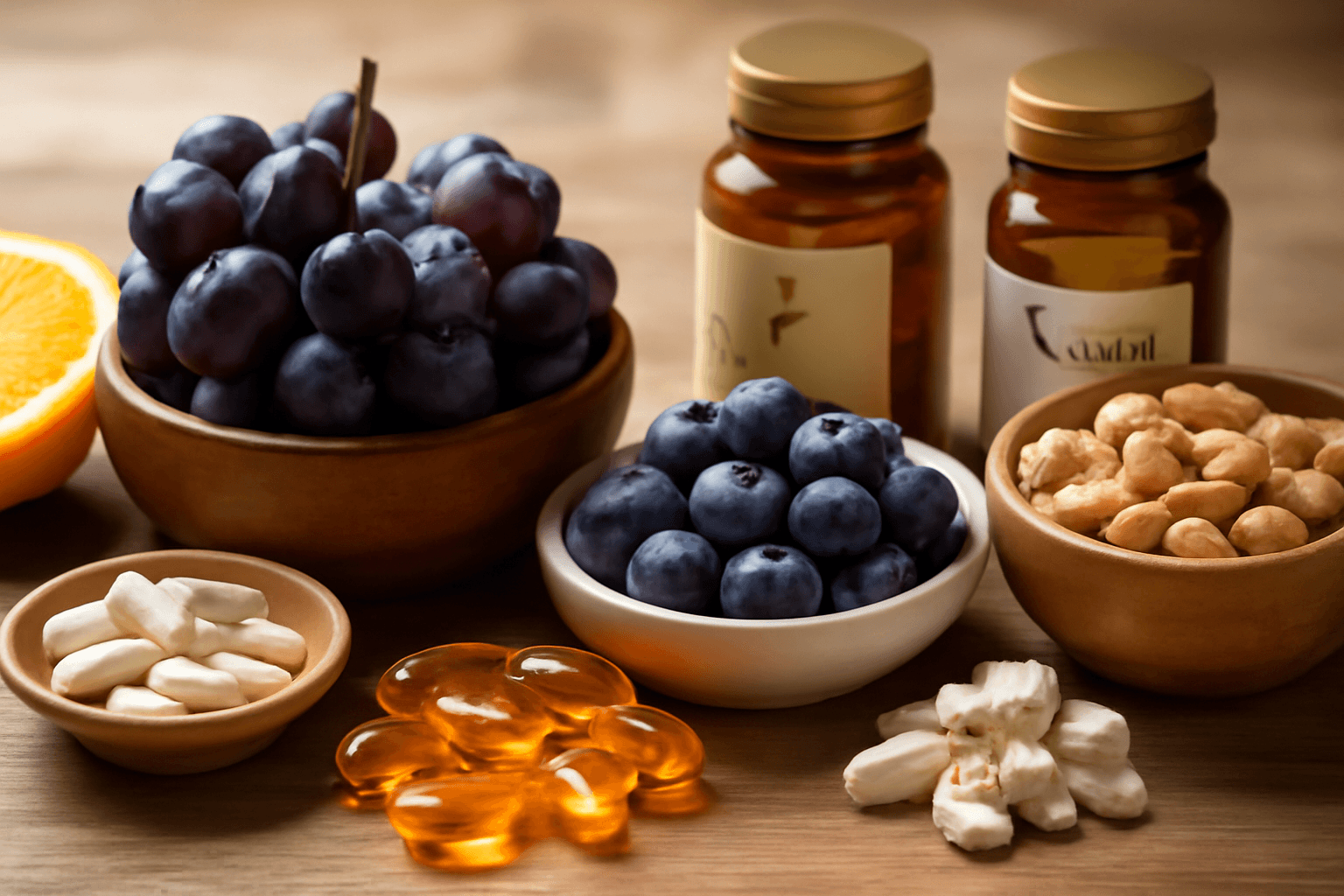
Brain health and memory are core elements of health management that become increasingly important with age. Modern individuals are experiencing cognitive decline due to stress, irregular sleep, and nutritional imbalances. Fortunately, several scientifically validated supplements and foods can help improve brain function. From B vitamins to omega-3 fatty acids and antioxidants, we'll examine specific ingredients that are effective for brain protection and memory enhancement.
Supplements for Better Memory: B Vitamins, Omega-3, and Multivitamins
B vitamins are essential for neurotransmitter production and energy metabolism in the brain. In particular, vitamins B6, B12, and folate (B9) lower homocysteine levels and prevent cognitive decline. Research published by the American Medical Association (JAMA) found that when seniors over 65 took high-dose B vitamins, the rate of brain atrophy decreased by 30%.
Omega-3 fatty acids are major components of brain cell membranes. EPA and DHA reduce brain inflammation and improve signal transmission between nerve cells. Research shows that consuming 1,000-2,000mg of omega-3 daily improves memory test scores by an average of 15%. If fish consumption is difficult, fish oil supplements are an effective alternative.
High-quality multivitamins supplement micronutrient deficiencies in daily recommended amounts. Choosing products containing vitamins K and E and magnesium can simultaneously support brain vascular health. However, fat-soluble vitamins (A, D, E, K) can cause toxicity if consumed excessively, so it's important to follow the product's recommended dosage.
Healthy Vegetables and Blueberries
Among plant-based foods, cruciferous vegetables (broccoli, cabbage, kale) contain an antioxidant called sulforaphane. This substance eliminates oxidative stress in the brain and protects against neurotoxicity. Research shows that consuming these vegetables three or more times per week reduces the risk of cognitive decline by 40%.
Blueberries are worthy of being called a "brain food" for their excellent antioxidant properties. With high anthocyanin content, they suppress neuroinflammation and increase activity in brain regions related to memory. Consuming 150g (approximately 1 cup) daily has the effect of delaying age-related memory loss. If fresh blueberries are unavailable, frozen blueberries maintain their antioxidant properties and are a good alternative.
Dark-colored vegetables (spinach, kale, carrots) contain lutein and zeaxanthin, which protect not only the retina but also cognitive areas connected to the brain's macula. Consuming a bowl of salad daily is sufficient for maintaining everyday memory.
Glutathione: Effectively Suppressing Aging
Glutathione is the most powerful antioxidant naturally produced by the human body. It directly protects brain cells from oxidative damage, and has been shown to delay brain function deterioration particularly in Parkinson's and Alzheimer's patients. As age increases, glutathione levels decline by 10% every decade, making external supplementation important.
Methods to increase glutathione levels include direct supplement intake and precursor substance consumption (N-acetylcysteine and alpha-lipoic acid). Alpha-lipoic acid, in particular, works in both water-soluble and fat-soluble forms, allowing it to reach all areas of the brain. A daily intake of 300-600mg is recommended, and absorption is better when taken after dinner.
Lifestyle habits to enhance glutathione include adequate sleep, regular exercise, and stress management. During sleep, the brain's glymphatic system, which removes neurotoxic substances, becomes active, making 7-8 hours of quality sleep daily as important as antioxidant supplements.
L-Serine: Effective for Brain Protection
L-serine is an amino acid essential for brain neuron formation and myelin regeneration. It is found in particularly high concentrations in cerebrospinal fluid and is being researched for treating brain injury and neurodegenerative diseases. L-serine is one of the few supplements that crosses the blood-brain barrier and acts directly on the central nervous system.
The primary role of L-serine is enhancing neuroplasticity, which means the brain's ability to form new neural pathways and reconstruct damaged areas. Daily intake of 5-10g of L-serine promotes improved learning ability and memory consolidation. While it is found in protein-rich foods like eggs, tofu, and almonds, therapeutic doses may require supplements.
L-serine is particularly valuable in brain injury recovery. During rehabilitation following stroke, L-serine supplementation has been reported to shorten recovery time and reduce neurological damage. However, the safety of high-dose long-term use is still being monitored by experts, so it should only be used after consulting with a doctor.
Lion's Mane Mushroom and Huperzine A: Enhancing Memory and Cognitive Ability
Lion's Mane mushroom is the only food that promotes the production of nerve growth factor (NGF). NGF is a protein responsible for the growth, maintenance, and regeneration of nerve cells, directly involved in the formation of brain memory circuits. According to 20 years of clinical data from Japan and China, those who consumed Lion's Mane mushroom extract showed an average 26% improvement in memory tests.
Among the bioactive compounds in Lion's Mane mushroom, hericenones and erinacines are key components. They promote synapse formation between neurons in the brain and delay dementia progression. Daily intake of 1,000-3,000mg of extract is effective, and benefits can be felt after at least 4 weeks of continued use.
Huperzine A is an alkaloid compound extracted from the Chinese medicinal plant Huperzia serrata. It enhances brain neurotransmission by inhibiting acetylcholine breakdown. Since acetylcholine is a key neurotransmitter for memory, attention, and learning ability, Huperzine A is particularly effective for professions requiring sustained focus over long periods.
The clinical effects of Huperzine A are proven, but exceeding the daily recommended dose (100-200mcg) can cause side effects, requiring great caution. Particularly if you have heart disease or are taking other medications, consult with a pharmacist. Intermittent intake rather than long-term supplement use prevents tolerance development.
An Integrated Approach to Enhancing Brain Function
Supplements alone cannot perfectly protect brain health. Supplements are merely a supplementary tool to already-implemented healthy lifestyle habits. Adequate sleep, regular exercise, and a balanced diet form the foundation of brain function.
Exercise increases brain-derived neurotrophic factor (BDNF), promoting new neuron generation. A combination of aerobic exercise three times weekly for 30 minutes and strength training twice weekly is a more effective cognitive enhancement method than any medication. Particularly for individuals over 40, the brain-protective effects of exercise increase up to 25-fold.
Social interaction is also essential for brain health. Regular social activities maintain activity in the brain's frontal and temporal lobes and build cognitive reserve. This reduces dementia risk by 50%.
Adding meditation or mindfulness exercises for stress management lowers cortisol levels, preventing damage to the hippocampus (the memory formation region). Even just 10 minutes of daily meditation increases gray matter density in the brain.
Summary: Guide to Choosing Brain Health Supplements
- Three Essential Supplements: B-complex vitamins, omega-3 (fish oil or algae-based), high-quality multivitamin
- Optional Enhancement Supplements: Alpha-lipoic acid (antioxidant), L-serine (neuroprotection), Lion's Mane mushroom extract (neuronutrition)
- Daily Diet Additions: Consume antioxidant vegetables like blueberries, broccoli, and spinach daily
- Lifestyle Habits as Top Priority: 7-8 hours of sleep, 150 minutes of aerobic exercise weekly, stress management
- Medical Consultation Essential: If you have existing conditions or are taking medications, consult with a doctor or pharmacist before starting supplements
Important Medical Information: The information presented in this article is for educational purposes and does not replace medical advice. Particularly in cases of neurological conditions, chronic diseases, pregnancy/breastfeeding, or current prescription medication use, consult with a doctor or pharmacist before starting supplements. Sudden cognitive decline may signal a serious condition, so seek medical diagnosis first.
Brain health is not built overnight. Small habit changes you make now and scientifically-based supplement choices will determine your memory and cognitive ability ten years from now.