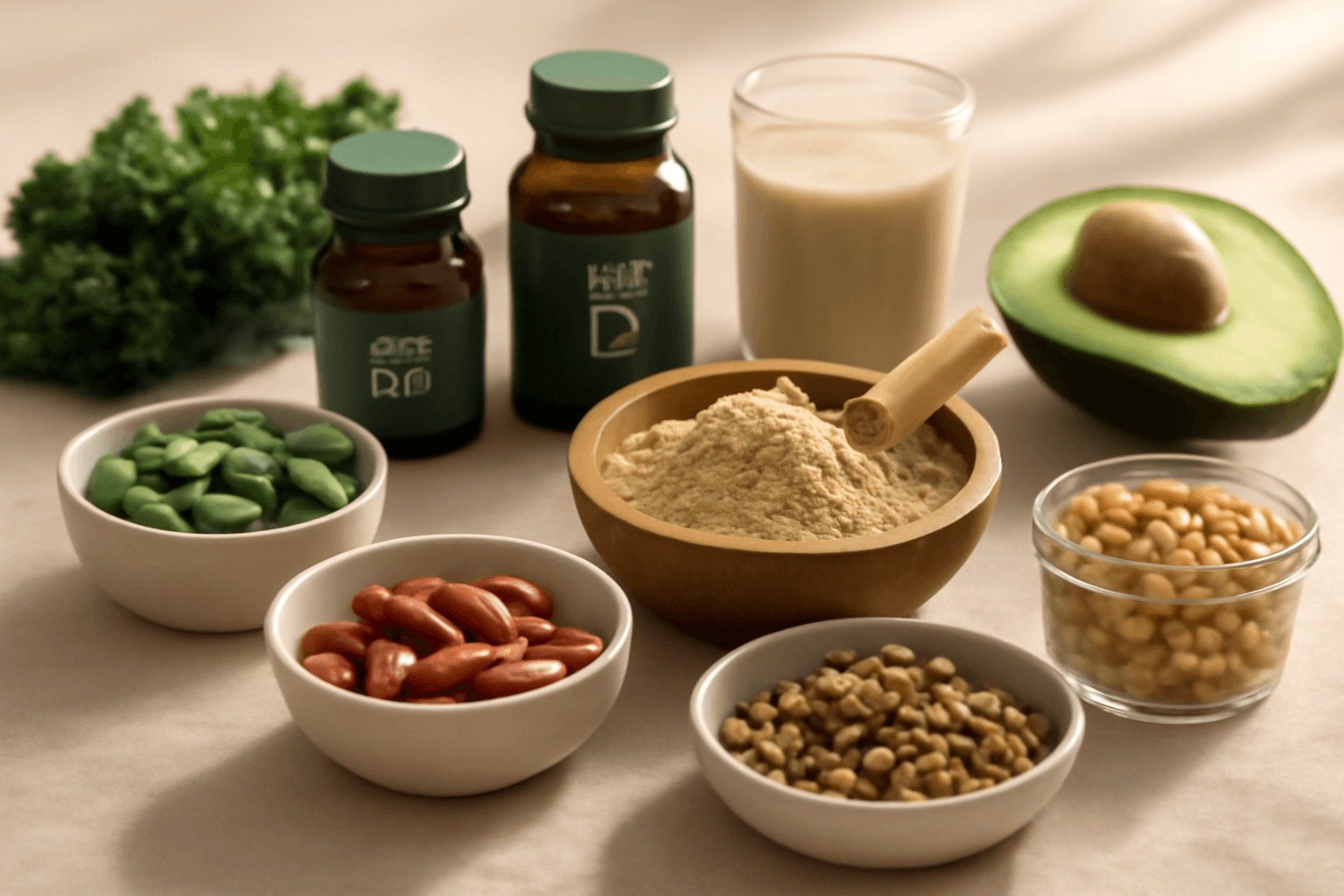
A vegan diet goes far beyond a simple dietary choice—it's a lifestyle for overall health and wellness. However, excluding animal products can increase the risk of certain nutrient deficiencies. This article introduces science-based supplements and superfoods to help fill nutritional gaps commonly missed on a vegan diet, while providing practical guidance for healthy vegan living.
1. What is Vegetarianism?
Vegetarianism takes several forms depending on the degree of animal product restriction. Lacto-ovo vegetarians exclude meat and fish but consume dairy and eggs, while pesco-vegetarians include fish. Veganism (complete vegetarianism) is the most restrictive form, excluding all animal products.
A vegan diet consists primarily of grains, legumes, nuts, seeds, fruits, and vegetables. Globally, approximately 600-700 million people follow vegan or vegetarian diets, and Korea's vegan food market is growing at over 20% annually. Reasons for choosing veganism vary—health, environmental, and ethical concerns—and each motivation affects the sustainability of dietary practice.
2. Benefits of Vegetarianism
Plant-based diets can significantly reduce saturated fat and cholesterol intake. According to research from Harvard Medical School, vegetarians have a 40% lower risk of cardiovascular disease, and the incidence of type 2 diabetes drops by 30-50%. These benefits are primarily due to high dietary fiber content (vegan diets contain more than double the fiber of standard diets) and abundant antioxidants.
Antioxidants like polyphenols, flavonoids, and carotenoids are concentrated in plant foods. Berries, leafy greens, and cruciferous vegetables (broccoli, kale) are particularly effective for cancer prevention and inflammation reduction. Vegan practitioners typically maintain body weights 5-10kg lighter on average, significantly reducing the risk of obesity-related diseases. Additionally, high magnesium content supports blood sugar control and nervous system health.
3. Tools to Help You Start Vegetarianism
Successful transition to a vegan diet requires appropriate tools and equipment. A high-powered blender (minimum 1000W) is essential for making nut butters, milk alternatives, and smoothies. A food dehydrator can dry nuts and fruits into nutritious snacks, while sprouting jars increase the bioavailability of grains and legumes.
A digital scale is essential for accurately tracking protein and calorie intake, preventing nutritional imbalances during the initial adaptation phase. A pressure cooker (Instant Pot) reduces cooking time by 70%, making legume preparation convenient for busy schedules. Nutrition tracking apps (Cronometer, MyFitnessPal) allow you to monitor important nutrients like vitamin B12, iron, zinc, and omega-3s. While these tools require initial investment, they save time and money in the long term.
4. Supplements & Superfoods for Vegetarianism
Essential Supplements
Vitamin B12: The most important supplement on a vegan diet. B12 is essential for nervous system function, DNA synthesis, and energy production, and exists naturally only in animal products. Deficiency can cause pernicious anemia, nerve damage, and cognitive decline. Vegans should consume B12-fortified foods at least twice weekly, receive monthly injections of 1000mcg, or take daily supplements of 25-100mcg. Cyanocobalamin is the most stable and effective form.
Vitamin D: Essential for calcium absorption, immunity, and bone health. Anyone with limited sun exposure during winter, living at high latitudes, or spending much time indoors must supplement. Vegans should take D2 (ergocalciferol) or D3 (vegan version, extracted from lichen) at 600-2000 IU daily. The goal is to maintain blood 25-OH vitamin D levels above 30 ng/mL.
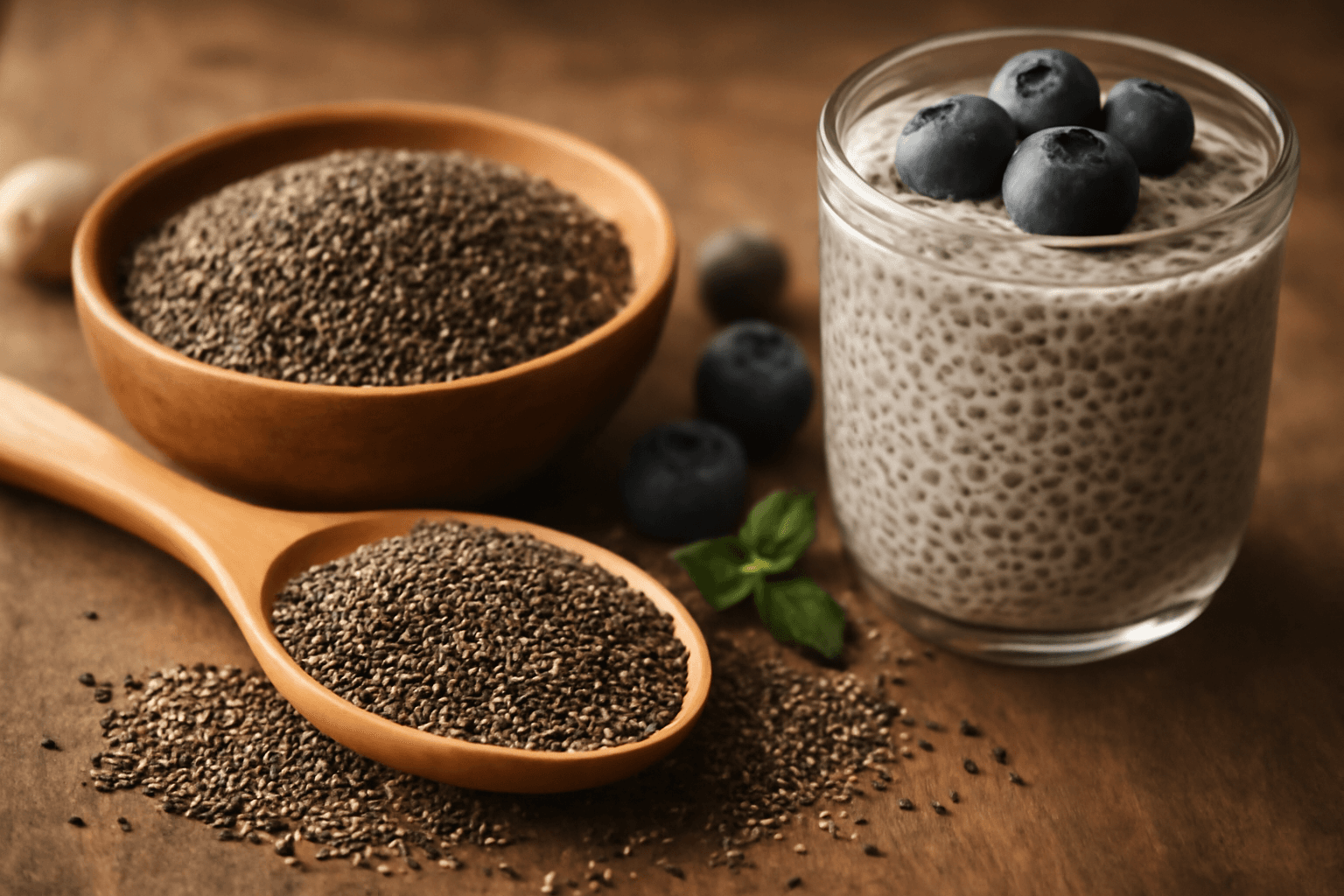
Omega-3 (EPA/DHA): Important for cardiovascular and brain health. ALA from plant foods like flax, chia seeds, and walnuts converts to usable forms at only 5-10% efficiency. Therefore, taking microalgae-based EPA/DHA supplements (200-300mg weekly) is recommended. Marine microalgae supplements provide the same benefits as fish consumption without eating fish.
Iron: Vegans consume plant-based iron (non-heme iron), which has lower bioavailability than animal iron (heme iron) (5-15% vs 15-35%). Iron absorption increases threefold when consumed with vitamin C. Most vegans obtain sufficient iron from diet alone, but women, pregnant women, and athletes should consider supplementation. Confirm deficiency with blood tests (serum ferritin) and supplement under medical guidance.
Zinc: Essential for immunity, wound healing, and protein synthesis. Plant-based zinc also shows low bioavailability (25-35%), so vegans should consume 1.5 times the recommended daily amount (8mg for adult women, 11mg for men) or consider supplements (8-15mg, 1-2 times monthly). Take in the late afternoon or avoid taking with meals to improve absorption.
Calcium: 1000-1200mg daily is needed. Fortified plant milks (soy, oat) provide 300mg per cup, and certain vegetables like collard greens and turnip greens are excellent calcium sources. Avoid spinach and chard due to high oxalate content that inhibits calcium absorption. If taking supplements, consume 500mg or less at a time for better absorption.
Superfood List
Lentils: Contain 18g protein and 8g fiber per cup. With cooking times of 20-30 minutes, they're high in iron (6.6mg/cup) and polyphenols. Consuming lentils 2-3 times weekly lowers blood sugar index and maintains satiety longer.
Tempeh and Miso: Tempeh is a fermented soy product with 19g protein per cup in an easily digestible form. Miso provides probiotics (beneficial gut bacteria) and vitamin K2. The fermentation process creates beneficial compounds that strengthen immunity.
Nutritional Yeast: Inactivated yeast providing a cheese-like flavor with 8g complete protein per 2 tablespoons. B12-fortified versions are an excellent dietary source of vitamin B12, and also contain selenium, chromium, and manganese.
Sea Vegetables: Nori, kombu, and wakame are rich in iodine (thyroid health) and trace elements. Just one sheet of nori (approximately 2.5g) 2-3 times weekly meets daily iodine requirements. Choose low-sodium varieties considering salt content.
Nuts and Seeds: Almonds (calcium, vitamin E), walnuts (omega-3), sunflower seeds (selenium), and pumpkin seeds (zinc, magnesium) have balanced nutritional profiles. Consume a handful (about 30g) daily of varied types.
Fortified Plant Milks: Choose soy, oat, or cashew milk fortified with calcium and vitamin D. Consuming 2-3 cups daily meets 60-100% of calcium requirements. Unsweetened versions reduce added sugar intake.
Berries: Blueberries, raspberries, and blackcurrants are rich in anthocyanins and resveratrol and other antioxidants. Daily intake of 100-150g provides anti-inflammatory effects and protects cognitive brain function.
Cruciferous Vegetables: Broccoli, kale, and cauliflower contain sulforaphane, a powerful anti-cancer compound. Consume raw or lightly cooked 3-4 times weekly. Light blanching increases bioavailability by 35%.
5. Why is a Vegan Diet Good?
The health benefits of a vegan diet are scientifically proven. According to a 2019 meta-analysis from Oxford University, vegan practitioners have 29% lower cholesterol levels and blood pressure reductions of 6mmHg. This is comparable to effects from antihypertensive medications.
The high dietary fiber content of plant foods (daily average 45-50g, recommended 25-30g) increases gut microbiota diversity by 30-50%, strengthening the immune system. Increased short-chain fatty acid production maintains intestinal epithelial health and reduces systemic inflammation. This is also associated with symptom relief in rheumatoid arthritis and autoimmune diseases.
A vegan diet is also linked to improved kidney health. The high phosphorus-to-potassium ratio in animal protein increases kidney burden, while plant protein improves glomerular filtration rate. This is particularly beneficial for patients in early stages of chronic kidney disease. Female hormone levels also improve, potentially reducing premenstrual syndrome symptoms by 30-40%.
Environmental benefits are significant. One vegan person reduces carbon footprint by 75% compared to a meat-eater and reduces water consumption by 55%. While beef production requires approximately 15,000L of water per kilogram, rice, wheat, and soy milk require only 2,500L, 900L, and 2,400L respectively.
6. Conclusion: Summary
Key success points for a vegan diet:
- Four essential supplements: B12, vitamin D, omega-3, and calcium—these are necessary, not optional.
- Protein strategy: Consume complete proteins from lentils, tempeh, and nutritional yeast at least 3 times daily. Target bodyweight (kg) × 1.6g of protein for muscle maintenance.
- Importance of nutrition tracking: Track nutrient intake with an app for the first 3-6 months, and get annual blood tests to check for micronutrient deficiencies.
- Diversity is survival strategy: Consuming varied colored vegetables, grains, legumes, and nuts greatly reduces dependence on supplements.
- Professional consultation: Pregnant women, nursing mothers, children, and those with chronic conditions must consult a dietitian or doctor before starting a vegan transition.
Medical Disclaimer: This information is for educational purposes and cannot replace professional medical advice. Especially if you have existing conditions or take certain medications, consult your doctor before adding supplements. Vitamin B12 deficiency can cause irreversible nerve damage and should never be overlooked.
With proper planning and nutritional management, a vegan diet can be a fully healthy and sustainable lifestyle. Success long-term is best achieved through gradual adaptation and continuous learning rather than pursuing perfection from the start.