Potassium is an essential mineral and electrolyte that maintains the normal functioning of our body. Potassium deficiency, which plays a role in hundreds of physiological processes including regulating heartbeat, muscle contraction, and nerve signal transmission, can cause various symptoms such as fatigue, muscle cramps, and arrhythmia. Since modern people are particularly prone to potassium deficiency due to processed food and excessive sodium intake, this article explains in detail the importance of potassium, deficiency symptoms, and ways to naturally increase potassium levels.
What is Potassium?
Potassium is a mineral that functions as a major electrolyte alongside sodium, chloride, and phosphate in the body. An adult body contains approximately 140-200g of potassium, of which 98% is distributed inside cells. The primary roles of potassium are to maintain fluid balance inside and outside cells, transmit nerve signals, and regulate muscle contraction and relaxation.
According to the U.S. National Institutes of Health, the recommended daily potassium intake is 2,600mg for adult women and 3,400mg for adult men. However, the average intake of modern people is only 50-60% of the recommended amount. Since potassium cannot be produced by the body, it is an essential nutrient that must be obtained through food. Because the kidneys play an important role in regulating blood potassium, potassium level management is especially critical for those with kidney disease.
Health Benefits of Potassium
Potassium demonstrates excellent effects in blood pressure regulation. By helping to excrete sodium and lowering pressure within blood vessels, it is essential for high blood pressure prevention and management. According to research by the Korean Nutrition Society, the group with high potassium intake had over 30% lower hypertension incidence compared to the low intake group.
Potassium directly protects heart health. It is essential for electrical signal transmission of heartbeats, prevents arrhythmia, and reduces the risk of heart disease. Additionally, potassium helps with blood sugar regulation, promoting insulin secretion and alleviating rapid blood sugar spikes.
Bone health is also closely related to potassium. Since potassium inhibits calcium loss from bones, it plays an important role in osteoporosis prevention. Additionally, potassium participates in energy production and muscle protein synthesis, promoting fatigue recovery and contributing to maintaining good sleep quality. Potassium is also a major electrolyte needed to maintain the body's acid-base balance.
Signs and Symptoms of Potassium Deficiency
Hypokalemia, or potassium deficiency, causes various symptoms ranging from mild to severe. Initial symptoms include persistent fatigue, muscle weakness, and muscle cramps. Many people overlook these symptoms as simple tiredness, but potassium deficiency may be the cause.
More advanced symptoms include muscle cramps and stiffness, particularly frequent nighttime leg cramps. Additionally, digestive problems may occur, with constipation and abdominal bloating being common. When potassium deficiency becomes severe, arrhythmia, or irregular heartbeat, may develop, which is a very dangerous symptom.
Other symptoms include muscle pain, weak pulse, dizziness, lightheadedness, and irritability. Some people experience sleep disorders due to potassium deficiency. Impaired blood sugar regulation function may also present symptoms of prediabetes. If these symptoms persist, medical professional diagnosis is essential.
How to Check for Potassium Deficiency
The most reliable method for accurately diagnosing potassium deficiency is a blood test (serum potassium test). Normal blood potassium concentration ranges from 3.5 to 5.0 millimoles per liter. If it is 3.5 or below, it is diagnosed as hypokalemia. Blood tests are simple and quick, so you can readily refer to medical professionals when symptoms are suspected.
Beyond symptom assessment, medical professionals may perform an electrocardiogram (ECG). If potassium deficiency is severe, unusual changes appear in the ECG waveform. Additionally, the doctor will review the patient's medication history and dietary habits. This is because medications such as diuretics, laxatives, and steroids can increase potassium loss.
Self-diagnosis that can be done at home involves creating a symptom checklist. Recording symptoms such as muscle cramps, fatigue, and arrhythmia over the past two weeks and presenting this to medical professionals during consultation can be helpful. However, final diagnosis is only possible through blood tests and clinical evaluation by medical professionals.
Best Natural Methods to Increase Potassium Levels
The first method is to increase consumption of foods with high potassium content. This is the safest and most effective approach. For those with normal kidney function, excessive potassium intake through food is rare. The body automatically excretes excess potassium through urine. Therefore, healthy individuals can improve their deficiency status simply by consciously consuming more potassium-rich foods.
The second method is reducing sodium intake. Since sodium and potassium have an antagonistic relationship, excessive sodium intake increases potassium excretion. Reducing consumption of processed foods, instant noodles, and salt-cured foods automatically raises relative potassium concentration in the body. Since the average sodium intake of Koreans reaches 3-4 times the recommended amount (2,300mg), reducing this is important.
The third method is improving food preparation methods. Potassium is a water-soluble component, so it is lost through boiling or soaking. Steamed, baked, and lightly blanched foods are more effective at preserving potassium. Minimizing the amount of water when boiling vegetables and shortening cooking time can reduce potassium loss by 30-50%.
The fourth method is regular exercise. Exercise increases muscle mass, and muscles are the body's primary potassium storage. Additionally, exercise improves insulin sensitivity, promoting cellular potassium absorption. Moderate exercise for 30 minutes or more, 3-5 times per week, is recommended.
The fifth method is adequate water intake. Dehydration has the reverse effect of raising blood potassium concentration. Consistently drinking over 2 liters of water daily improves electrolyte balance. Especially during exercise or hot weather, water loss increases, so more water should be consumed.
Medication review is also important. Diuretics, laxatives, certain antibiotics, and steroids increase potassium loss. If you are taking such medications, consult with medical professionals to modify your potassium intake strategy. Never discontinue medications without your healthcare provider's approval.
Potassium-Rich Foods
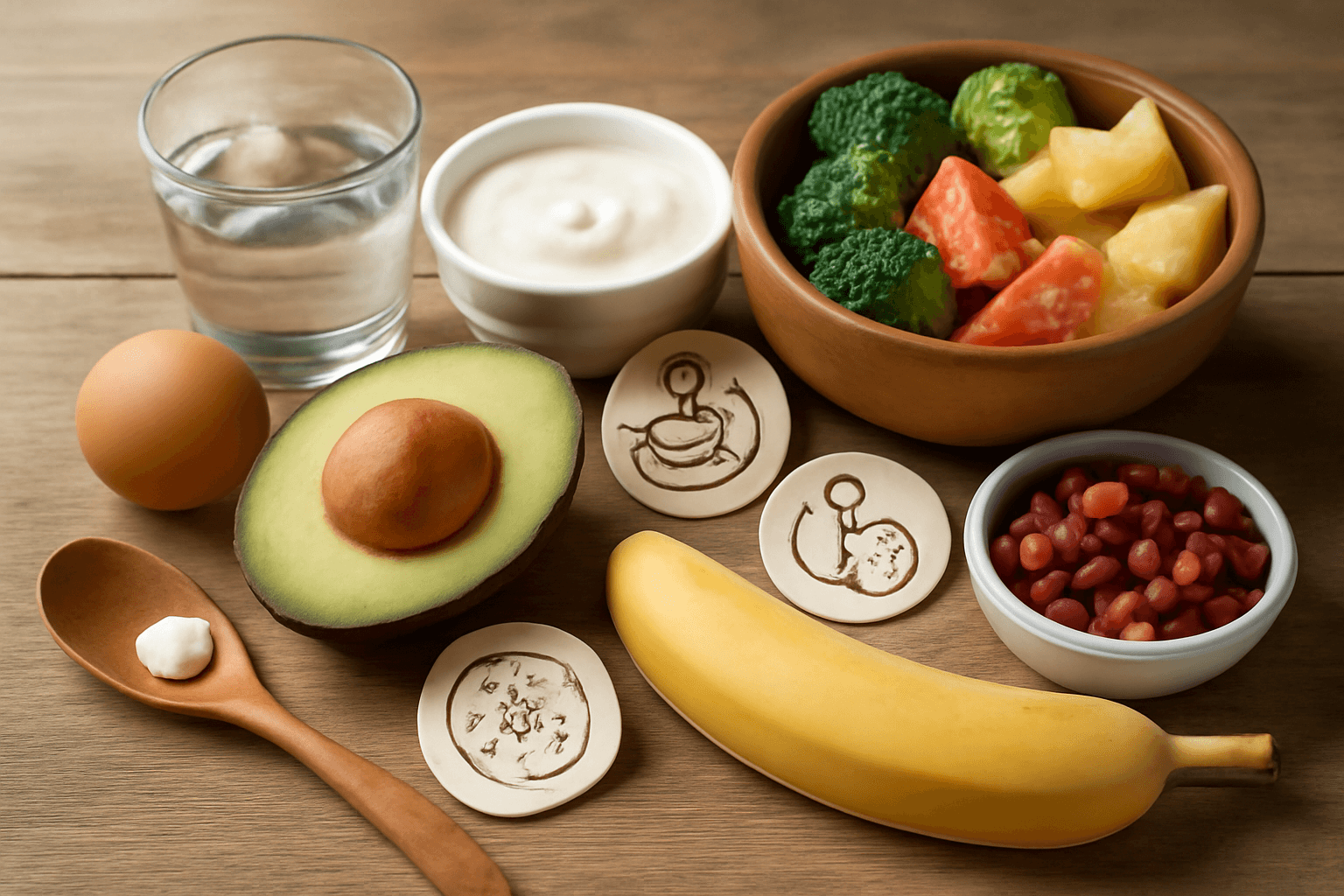
Fruits: Banana is the most famous potassium source, containing 422mg per medium fruit (approximately 118g). However, avocado is even richer, containing 485mg per medium fruit. Kiwi, orange, melon, plum, and apricot are also excellent sources. Dried apricots and raisins are more concentrated than fresh fruits and contain more potassium.
Vegetables: Spinach contains 558mg of potassium per 100g raw. Swiss chard is even richer at 644mg per 100g. Sweet potato (397mg per medium fruit), potato with skin (620mg per medium fruit), tomato, broccoli, and cabbage are good sources. In particular, leafy greens are abundant in other nutrients as well.
Beans and Lentils: White beans contain approximately 560mg per 100g, and black beans contain approximately 510mg per 100g of potassium. Lentils and chickpeas also boast high content. Legumes are rich in protein as well, helping with muscle synthesis and fatigue recovery. Canned products contain high sodium, and rinsing with water can remove up to 40% of sodium.
Fish and Meat: Salmon contains 363mg of potassium per 100g. White fish (cod, flounder) are also good sources. Beef and chicken include reasonable levels of potassium, while processed meats (bacon, sausage) are high in sodium and should be avoided. They are also high in protein, helping with muscle maintenance and digestive health.
Dairy Products: Yogurt contains approximately 180mg per 100g, and milk contains approximately 150mg per 100ml of potassium. Greek yogurt is even more concentrated. Dairy products are rich in calcium, contributing to bone health as well. It is better to choose low-fat or unsweetened products.
Seeds and Nuts: Pumpkin seeds are a very rich source containing approximately 765mg of potassium per 100g. Sunflower seeds, almonds, and pistachios also boast high content. However, nuts are high in calories, so approximately one handful (about 30g) per day is recommended. Choose roasted without salt or raw varieties to minimize sodium.
Beverages: Fresh orange juice contains approximately 200mg of potassium per 100ml. Tomato juice and carrot juice are also excellent sources. However, juice is high in sugar, so people who need blood sugar management or those with diabetes should limit intake. Prioritizing fresh fruit consumption is better.
Practical Dietary Strategies for Potassium Deficiency Prevention
Breakfast Planning: Mixing Greek yogurt with berries, pumpkin seeds, and honey can provide approximately 600mg of potassium. Alternatively, pairing egg dishes with tomatoes and spinach can increase it further. Whole grain toast spread with avocado makes a perfect breakfast.
Lunch and Dinner: Baked salmon with roasted sweet potato and broccoli can provide approximately 900-1000mg of potassium in a single meal. Lentil soup, bean curry, and vegetable-filled stew are also good choices. Fresh tomato and spinach salad is low in calories while rich in potassium.
Snacks: Consuming fruits such as banana, orange, and kiwi as snacks can add additional potassium to your daily intake. A handful of nuts and yogurt are also good choices. Prioritize natural foods over processed snacks, chocolate chips, and candies.
Precautions and the Importance of Medical Consultation
Potassium Management for Those with Kidney Disease: Patients with reduced kidney function must limit potassium intake. If the kidneys cannot normally excrete potassium, blood potassium can rise to dangerous levels. Dialysis patients require particularly strict potassium restriction. Those with kidney disease must consult with medical professionals to establish a personalized dietary plan.
Drug Interactions: Medications such as ACE inhibitors, angiotensin receptor blockers (ARBs), and potassium-sparing diuretics increase blood potassium. If taking such medications, potassium intake should be adjusted in consultation with healthcare providers. Some private supplements or natural remedies may also be high in potassium, requiring caution.
Risk of Hyperkalemia: Excessive potassium intake can also be dangerous. Hyperkalemia can cause serious cardiac symptoms such as arrhythmia and cardiac arrest just as hypokalemia can. This is particularly risky if someone with reduced kidney function indiscriminately takes potassium supplements.
Potassium Supplement Use: Potassium supplements sold in pharmacies or online should only be used under the prescription and supervision of medical professionals. Supplements can rapidly raise blood potassium concentration, which is risky. Generally, healthy people obtain sufficient potassium through food. Medical professionals should determine if supplements are necessary.
Summary: Key Points for Potassium Health Management
Key Takeaways:
- Role of Potassium: As an electrolyte, it handles essential physiological functions including regulating heartbeat, muscle contraction, nerve signal transmission, and blood pressure control. Daily recommended intake is 2,600mg for adult women and 3,400mg for adult men.
- Deficiency Symptoms: If fatigue, muscle cramps, weak pulse, arrhythmia, digestive problems, and sleep disorders appear, medical professional diagnosis is necessary.
- Natural Improvement Methods: The basics include increasing consumption of potassium-rich foods (banana, avocado, spinach, sweet potato, salmon, etc.), restricting sodium, using proper cooking methods, exercising regularly, and consuming adequate fluids.
- Food Selection Strategy: Prioritize fresh fruits, vegetables, legumes, fish, and nuts while avoiding processed foods.
- Essential Medical Consultation: Especially for those with kidney disease, diabetes, hypertension, or taking medications, it is essential to consult with medical professionals to establish a personalized potassium management plan.
- Risk Awareness: While potassium deficiency is problematic, in certain situations excess can be more dangerous. Avoid indiscriminate supplement use.
Conclusion: Potassium is an essential nutrient for a healthy life. In most cases, natural potassium intake through food is sufficient, and potassium deficiency can be prevented and improved through sodium restriction and healthy lifestyle habits alone. However, if symptoms appear or you have chronic conditions, it is safe to undergo blood testing for accurate diagnosis and follow your healthcare provider's guidance. Your health begins with small dietary improvements.