Spermidine is a polyamine compound naturally produced within cells that has recently gained attention in aging prevention and longevity research. It is abundantly present in legumes, mushrooms, whole grains, and other specific foods. By promoting cellular autophagy, spermidine removes damaged cellular components and improves mitochondrial function. This article will explain in detail the benefits of spermidine, its food sources, and its mechanisms of action in preventing various diseases through cardiovascular health, immune enhancement, and antioxidant activity.
Foods Rich in Spermidine
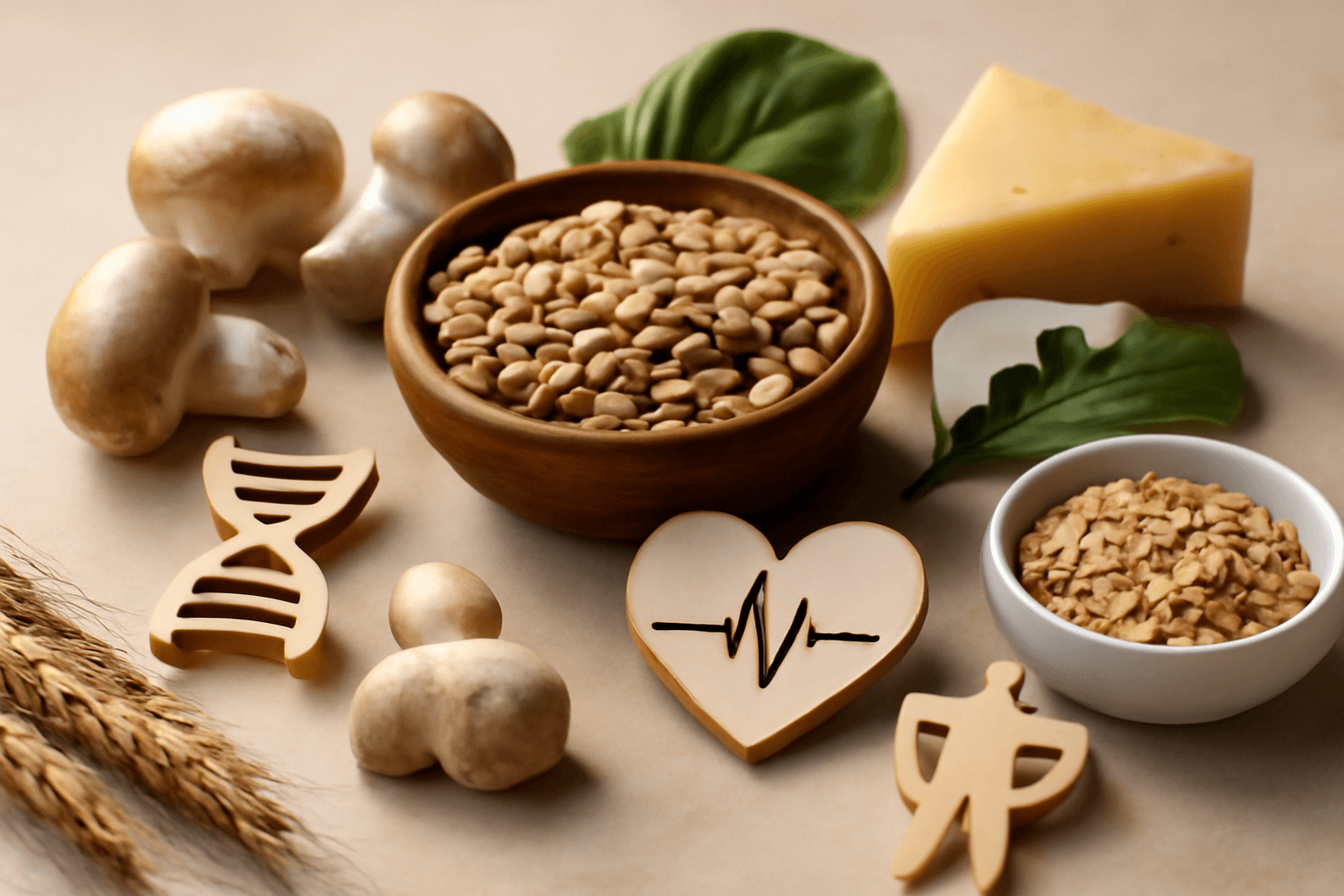
Obtaining spermidine from natural foods is most effective. According to research, daily spermidine intake of approximately 8-10mg provides health benefits. The main food sources are as follows:
- Legumes: Peas, lentils, and black beans contain 0.2-0.5mg per 100g
- Mushrooms: Shiitake and button mushrooms are the richest sources, containing approximately 1.2-1.5mg per 100g
- Whole grains: Oats, barley, and whole wheat bread contain substantial amounts
- Cheese: Aged cheese, particularly Parmesan cheese (approximately 1.4mg per 100g)
- Nuts: Peanuts, almonds, and walnuts
- Meat: Organ meats such as chicken and beef liver and kidneys
- Fermented foods: Miso, soy sauce, and kimchi
By regularly including these foods in a healthy diet, you can naturally increase your spermidine intake. Mushrooms and legumes in particular offer high concentrations of spermidine while being low in calories, making them ideal for people who need to manage their weight.
What is Spermidine?
Spermidine is a polyamine compound first discovered in the testes, which is how it got its name. It exists in cells of all living organisms and plays an essential role in cell division, protein synthesis, and DNA stabilization. In the human body, it is automatically synthesized from amino acids such as arginine and methionine, but endogenous production decreases sharply with age.
Spermidine performs various biochemical functions including cell membrane stabilization, RNA structure maintenance, and promotion of protein folding. In particular, it improves mitochondrial function to optimize cellular energy production (ATP) and enhances antioxidant enzyme activity. In recent aging biology research, spermidine has been classified as a "longevity factor," demonstrating potential in preventing chronic diseases and extending lifespan.
Longevity Benefits of Spermidine
The most remarkable benefit of spermidine is lifespan extension. In a major study published in 2018, experimental mice given spermidine showed an average lifespan increase of approximately 10-25%, which is equivalent to the lifespan extension effects provided by caloric restriction.
- Delayed cellular aging: Reduces cellular aging rate by mitigating telomere (structure that determines the limit of cell division) damage
- Inflammation reduction: Lowers the risk of diseases caused by chronic inflammation
- Neuroprotection: Prevents brain cell damage and maintains cognitive function
- Improved cardiovascular function: Enhances vascular endothelial function and normalizes blood pressure
In human clinical research, an association has been reported between high dietary spermidine intake and a 50% reduction in cardiovascular mortality. Additionally, elderly individuals with higher spermidine levels exhibited better physical function, higher bone density, and improved cognitive abilities. These effects are closely related to spermidine's mechanism of reversing aging processes at the cellular level.
Spermidine and Autophagy
Autophagy is a biochemical process meaning "cells eating themselves," a mechanism that breaks down and recycles damaged or unnecessary cellular components. Spermidine acts as a powerful inducer of this process.
Normal autophagy is crucial for maintaining cellular homeostasis. It preserves cell health by eliminating damaged mitochondria, protein aggregates, pathogens, and other harmful elements. However, with aging, autophagy activity declines, causing accumulation of damaged cellular components, which becomes the pathogenic basis for various age-related diseases including Alzheimer's disease, Parkinson's disease, cancer, and diabetes.
Spermidine triggers autophagy by inhibiting the mTOR signaling pathway while enhancing AMPK activity. In animal models, spermidine administration induced a 50-70% reduction in neurodegenerative disease markers, which showed precise correlation with increased autophagy activity. Therefore, spermidine's autophagy-promoting action is recognized as the central mechanism for anti-aging and disease prevention.
The Mechanism by Which Spermidine Promotes Autophagy
Spermidine's mechanism of promoting autophagy involves the interaction of multiple signaling pathways:
1. AMPK-mTOR Axis Regulation
Spermidine activates AMPK, an energy sensor protein, while simultaneously inhibiting mTOR, a cell growth signaling molecule. mTOR inhibition promotes nuclear translocation of TFEB, a transcription factor that induces autophagy, increasing the expression of autophagy-related genes.
2. Increased Histone Acetylation
Spermidine acts as a substrate for HAT (histone acetyltransferase), enhancing histone acetylation. At the epigenetic level, it induces chromatin structure changes that increase the expression of autophagy-related genes (ATG gene family).
3. Reduction of Reactive Oxygen Species (ROS)
Reduced oxidative stress is a prerequisite for autophagy signal activation. The ROS reduction resulting from spermidine's antioxidant action optimizes the activation of oxidative stress sensors that induce autophagy.
4. Polyamine-Mediated Cellular Signaling
Spermidine directly interacts with intracellular ion channels, protein kinases, and transcription factors to amplify autophagy signals. It particularly promotes autophagosome formation through calcium signaling pathways.
Through these multilayered mechanisms, spermidine serves as a regulator of the entire cellular homeostasis network, going beyond being a simple autophagy inducer, and this is the foundation of its broad anti-aging benefits.
Spermidine and Cardiovascular Health
Cardiovascular disease is a major cause of death worldwide, and spermidine protects heart health in multiple ways:
Improved Vascular Function
Spermidine increases NO (nitric oxide) production in endothelial cells, promoting vascular relaxation and lowering blood pressure. In clinical data, the systolic blood pressure of the high spermidine intake group decreased by approximately 4-5mmHg, which corresponds to about a 10% reduction in stroke risk.
Prevention of Vascular Sclerosis
Spermidine's autophagy promotion delays aging in vascular smooth muscle cells and prevents the development of atherosclerosis by inhibiting the oxidation of LDL cholesterol. When taken together with foods rich in polyphenols, the antioxidant effects show synergistic action.
Cardiac Myocyte Protection
In cardiac tissue, spermidine maintains mitochondrial function and alleviates cardiac remodeling after myocardial infarction. In animal models, spermidine administration demonstrated cardiac protection from ischemia-reperfusion injury, suggesting potential therapeutic possibilities for heart transplant and bypass surgery patients.
Arrhythmia Prevention
Spermidine improves calcium homeostasis in cardiac myocytes, reducing the risk of arrhythmias. It is particularly important for preventing atrial fibrillation in the elderly population.
Reduced Inflammation Markers
It decreases cardiovascular inflammation markers such as C-reactive protein (CRP) and IL-6, controlling chronic inflammation that acts as an independent risk factor for cardiovascular events.
Summary
Key Benefits of Spermidine and Practical Methods:
- Longevity Factor: Lifespan extension equivalent to caloric restriction, 50% reduction in cardiovascular mortality
- Autophagy Induction: Activates cellular cleaning by removing damaged cellular components, regulates AMPK-mTOR signaling
- Cardiovascular Protection: Lowers blood pressure, improves vascular function, protects cardiac myocytes
- Main Food Sources: Mushrooms (1.2-1.5mg/100g), aged cheese, legumes, whole grains, fermented foods
- Target Intake: Approximately 8-10mg daily (achievable through a variety of food combinations)
Practical Tips: Maximize spermidine intake by having mushrooms and whole grain cereal for breakfast, a legume salad for lunch, and fermented foods with dinner. In particular, mushrooms show increased spermidine bioavailability when heat-treated, making cooked forms more efficient for consumption.
Medical Professional Consultation Recommended: This information is for educational purposes. Those diagnosed with cardiovascular or metabolic disease must consult a medical professional to establish an individualized dietary plan suited to their health condition. Especially for those taking anticoagulants or blood pressure medications, seek medical guidance before consuming large amounts of polyamine-rich foods.