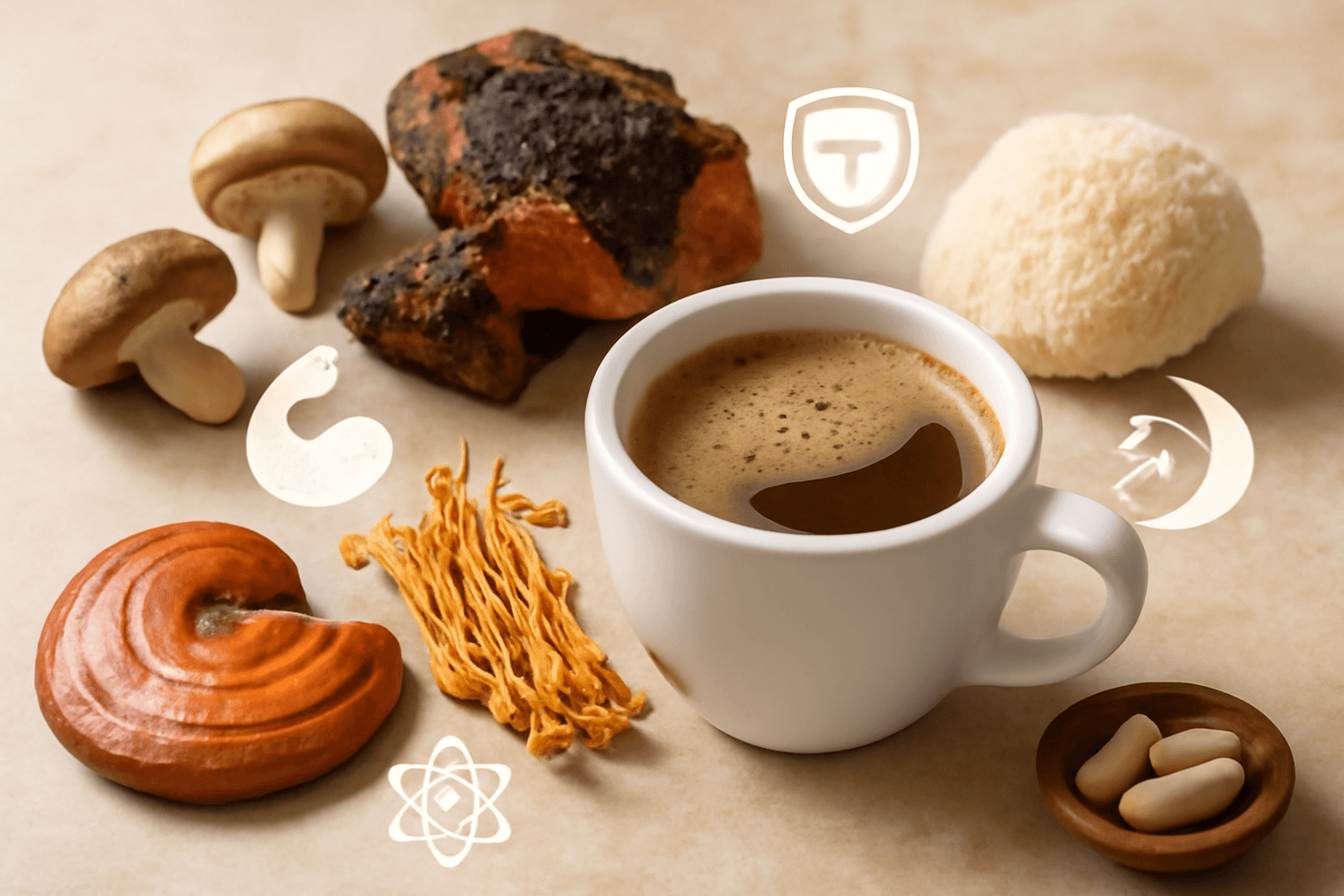
Cacao is far more than just a chocolate ingredient. Used as a medicinal plant in Central American civilizations thousands of years ago, cacao is now recognized as a superfood in modern nutrition. Rich in antioxidants, energy-boosting compounds, and bioactive substances that improve mental health, cacao is an ideal choice for those seeking protein intake, blood sugar management, and fatigue recovery. This article comprehensively explores cacao from its historical background to its scientific benefits.
The History of Cacao
The cacao tree (Theobroma cacao) originally grew wild in southern Mexico and the Amazon basin of Central America. In the Olmec, Maya, and Aztec civilizations, cacao beans were so highly valued that they served as currency, and they were prepared as ceremonial beverages consumed at sacred events. Historical records indicate that the Aztec emperor Montezuma drank more than 50 cups of cacao beverage daily.
After Spanish conquistadors brought cacao to Europe in the 16th century, it spread among the aristocracy as a luxury item. Following the Industrial Revolution, advances in cacao processing technology made cacao products accessible to the general population. Today, cacao is a major agricultural product cultivated by more than 5 million farmers worldwide, with over 5 million tons produced annually.
Why Is Cacao a Superfood?
Cacao contains 12 grams of protein per 100 grams, making it an excellent source of plant-based protein. It particularly contains all nine essential amino acids, making it effective for nutritional supplementation for vegetarians and vegans. Consuming 3 tablespoons of cacao powder (approximately 15g) provides about 1.5g of protein, equivalent to one egg.
In terms of blood sugar management, cacao excels. With a glycemic index (GI) of 20, cacao is extremely low, providing sustained energy without causing rapid blood sugar spikes. Simultaneously, the dietary fiber in cacao is 12g per 100g, promoting gut health and maintaining satiety for longer periods. A 2019 study from Harvard University reported that the group consuming cacao beverages showed an average weight reduction of 2.3kg more than the control group after 12 weeks.
Fatigue recovery and energy enhancement are cacao's most well-known benefits. Cacao contains theobromine and caffeine, which increase physical energy within 30 minutes of consumption. Additionally, with a high magnesium content of 230mg per 100g, cacao aids muscle relaxation and nervous system stabilization. Consuming cacao before and after yoga or aerobic exercise can improve exercise performance and recovery.
Cacao Rich in Polyphenols
The most important active compound in cacao is polyphenol. Cacao beans contain 12 to 26 grams of polyphenol per 100g, which is 3 to 4 times higher than blueberries or red wine. Polyphenols are powerful antioxidants that prevent cellular damage caused by free radicals and have anti-inflammatory properties.
In particular, the flavanol-type polyphenols abundant in cacao improve vascular endothelial function and promote blood flow. According to a meta-analysis published in 2012, test subjects who consumed cacao flavanols for 6 weeks or longer showed an average blood pressure reduction of 3.2mmHg. This corresponds to approximately an 8% reduction in stroke risk.
The antioxidant capacity of cacao is also confirmed by its ORAC (Oxygen Radical Absorbance Capacity) value. Cacao powder has an ORAC value of 12,000, more than twice that of turmeric (6,000). While turmeric is famous for its anti-inflammatory properties, cacao is far more powerful when considering antioxidant efficacy alone. Therefore, if you seek nutritional supplementation for antioxidant purposes, cacao is worth prioritizing.
Cacao Containing Methylxanthines
Methylxanthine is a collective term for alkaloid compounds found in cacao, with caffeine and theobromine as its primary components. Per 100g of cacao, it contains 12 to 26mg of caffeine and 230 to 700mg of theobromine. Theobromine is approximately 25 times more abundant than caffeine, and this compound creates cacao's unique benefits.
Theobromine stimulates the central nervous system to promote alertness, but its action is gentler and longer-lasting than caffeine. Therefore, consuming cacao provides gentle, sustained energy enhancement rather than the sharp stimulation of coffee. Particularly, theobromine relaxes smooth muscle and dilates the bronchi, so when athletes consume cacao before exercise, oxygen absorption efficiency increases.
Methylxanthines also have diuretic properties, promoting the excretion of body water and sodium. This aids in reducing edema and maintaining kidney health. However, excessive consumption can cause increased heart rate, anxiety, and sleep disturbance, so consumption of approximately 1 to 2 tablespoons of cacao powder daily is recommended.
Other Bioactive Substances in Cacao
Cacao is a treasure trove of vitamins and minerals. Per 100g of cacao powder, it contains 12mg of iron (67% of daily recommended intake), 3.8mg of copper (190% of daily recommended intake), 230mg of magnesium (58% of daily recommended intake), and 3.3mg of manganese (165% of daily recommended intake). Iron and copper in particular are essential for blood production and oxygen transport, making them effective for anemia prevention and fatigue recovery.
Anandamide is a unique compound that exists in significant amounts only in cacao. This substance acts as a neurotransmitter in the brain and is called the "bliss molecule." When cacao is consumed, anandamide stimulates the brain's pleasure centers, creating a mood-boosting effect. According to a 2020 study by the Max Planck Institute in Germany, participants who consumed 30g of high-cacao chocolate showed more than a two-fold increase in blood anandamide concentration.
Phenylethylamine is another important neurotransmitter. This compound enhances attention and improves memory. L-tryptophan, a serotonin precursor, is also included in cacao, aiding mood stabilization and better sleep. Through the combined action of these compounds, cacao is recognized as a natural remedy for improving mental health.
Cacao's Benefits for Enhancing Mental Health
Cacao's mental health benefits have been proven at the neurochemical level. In a 2015 study from the University of Birmingham in England, 100 patients with moderate depression were given high-cacao beverages (70% or higher cacao content) for 8 weeks, and 66% of participants showed significant improvement in depression scores. In the control group, only 24% experienced improvement.
Cacao also demonstrates excellent efficacy in reducing anxiety. The magnesium in cacao activates GABA receptors, alleviating nervous tension. Additionally, flavanols increase cerebral blood flow and enhance prefrontal cortex function. The prefrontal cortex is responsible for emotion regulation and stress response; its activation leads to reduced anxiety and stress hormone (cortisol) levels.
Consuming cacao after yoga or meditation further enhances mental stabilization effects. This is because cacao's nerve-calming compounds work more effectively in the relaxed state induced by yoga. When consumed after aerobic exercise, cacao creates synergy with endorphins and cacao's neuro-active substances, further improving mood.
Cognitive function improvement is another important benefit of cacao. Research published in a 2016 American Heart Association journal showed that cacao flavanol consumption improved cognitive ability by an average of 20%. Significant improvements were particularly observed in memory, concentration, and information processing speed. A daily intake of 1.5 tablespoons of cacao powder (approximately 10g) is sufficient to achieve these effects.
Precautions When Consuming Cacao
While cacao is generally a safe food, there are some precautions to consider. Due to its caffeine and theobromine content, excessive consumption can cause insomnia, anxiety, and heart palpitations. Daily consumption exceeding 2 tablespoons of cacao powder (approximately 15g) is not recommended.
People with heart disease, high blood pressure, or thyroid disease should consult with healthcare professionals before consumption. Particularly when taking beta-blockers or anticoagulants, cacao's vasodilatory effects could interfere with medication efficacy. Pregnant and nursing women should similarly receive professional guidance.
When selecting cacao powder, choose products with minimal added sugar and additives. Commercial cacao beverages or chocolate products are likely high in fat and sugar content, so purchasing pure cacao powder (100% cacao content) and preparing it according to your needs is ideal.
Summary
Key Benefits of Cacao:
- Contains 12g of protein per 100g, supporting strength training and fatigue recovery
- ORAC value of 12,000 provides more than twice the antioxidant capacity of turmeric
- Low glycemic index (GI 20) effective for blood sugar management
- Caffeine (12–26mg) and theobromine (230–700mg) provide sustained energy
- Magnesium (230mg) and iron (12mg) support bodily functions
- Anandamide and phenylethylamine improve mood and reduce stress
- Flavanols enhance cognitive ability by 20%
Recommended Consumption Method:
- Daily consumption of 1 to 1.5 tablespoons of cacao powder (approximately 10–15g)
- Enhanced effects when consumed after yoga or exercise
- Choose pure cacao powder (100%)
- Use natural sweeteners instead of sugar
Cacao transcends mere culinary pleasure and is a scientifically validated health food. With consistent consumption of appropriate amounts, you can achieve multifaceted health benefits including improved physical energy, antioxidant effects, and enhanced mental health. However, consultation with a healthcare professional before consumption based on individual health conditions is recommended.