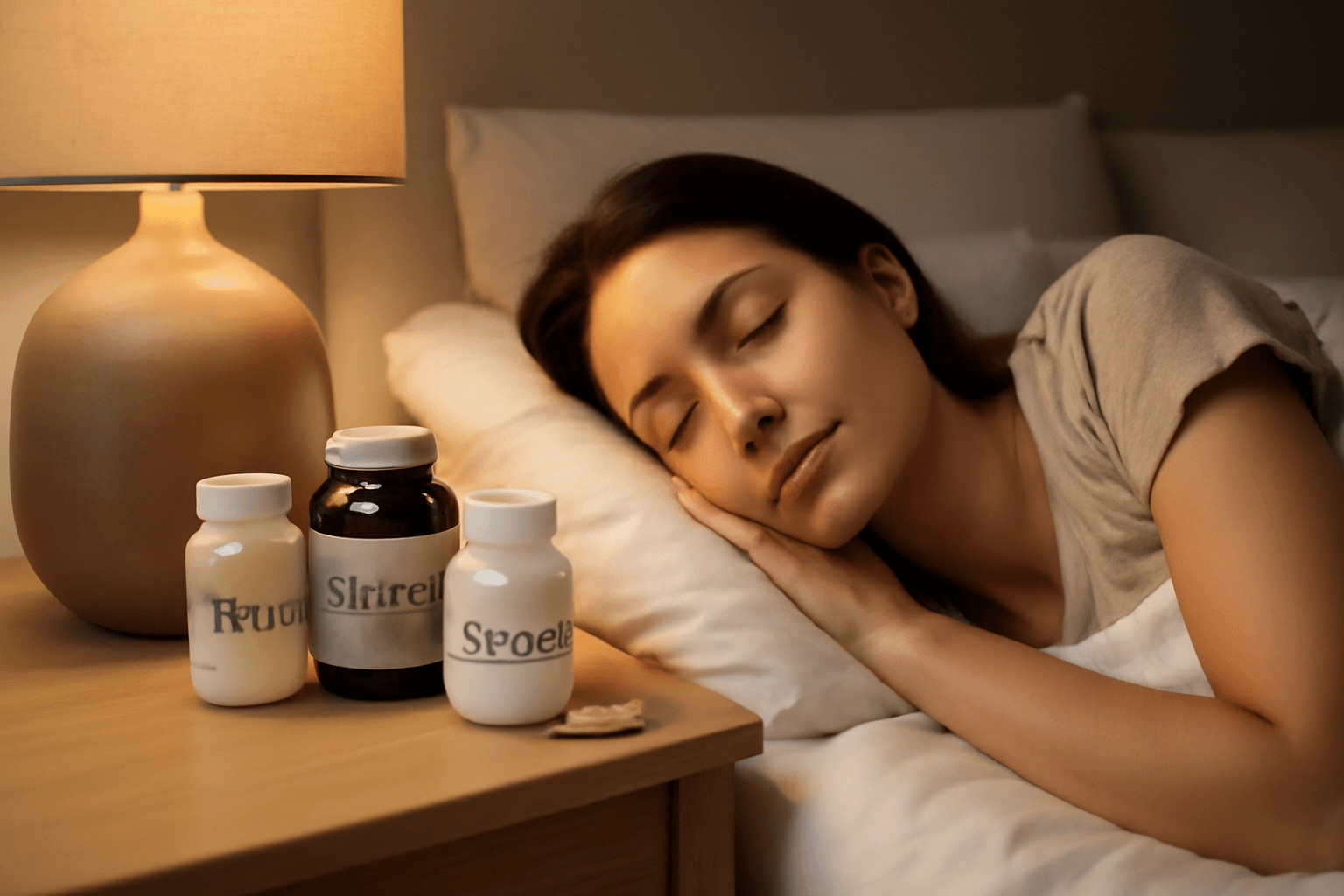
Good skin and a radiant appearance don't happen overnight. Most importantly, you need quality sleep. High-quality sleep at night normalizes all bodily functions that affect your appearance—skin regeneration, immune system strengthening, stress relief, and improved digestion. In this article, we'll explore creating an optimal bedroom environment, maintaining consistent bedtimes, relaxation techniques before sleep, and daily habits that support the quality sleep essential for a beautiful appearance.
Creating the Ideal Bedroom Environment
The first condition for quality sleep is an optimized bedroom environment. Sleep quality is heavily influenced by external conditions, and creating a good environment is achievable without additional expense.
Temperature control is the most critical factor. According to sleep research, sleep quality improves significantly at indoor temperatures between 16–19°C. Adjust your air conditioning or heating seasonally, fine-tuning it to your personal comfort level. Environments that are too hot or too cold increase cortisol (stress hormone) levels, triggering skin problems.
Lighting management is also essential. Melatonin (sleep hormone) production becomes active in darkness. Your bedroom should maintain complete darkness or use only very dim lighting below 0.5 lux. Using smartphones or laptops emits blue light that suppresses melatonin production, so avoid these devices for at least 30 minutes before bed.
Noise control is easily overlooked. Continuous traffic noise or neighbor sounds can reduce sleep depth by over 30%. You can improve this with white noise machines, earplugs, or soundproofing curtains.
Humidity regulation directly affects skin health. The optimal humidity level is 40–60%. Excessive dryness increases skin moisture loss, while high humidity promotes mold and dust mites. Use a humidifier or dehumidifier to maintain proper humidity.
Bedding selection also matters. 100% natural cotton or silk materials minimize skin irritation and reduce moisture loss. Wash your bedding at least once weekly to remove dust and bacteria.
Maintaining a Consistent Sleep Schedule
Your body regulates the autonomic nervous system through a consistent sleep-wake cycle. Sleeping and waking at the same time each day normalizes your skin regeneration cycle and stabilizes hormone secretion patterns.
While optimal sleep duration varies by individual, adults are recommended to get 7–9 hours of sleep. It's not just about meeting the hours—sleep quality matters. The same 8 hours of sleep shows significant differences in brainwave patterns and hormone secretion between regular sleep schedules and irregular ones.
Skin regeneration is most active between 10 PM and 2 AM. This timeframe is called the "golden hour," when you should enter deep sleep (REM sleep). Therefore, aim to fall asleep before 11 PM when possible.
Avoid changing your sleep pattern on weekends. Going to bed at 11 PM and waking at 6 AM on weekdays, but sleeping at 2 AM and waking at 9 AM on weekends acts like jet lag. When your body rhythm gets disrupted, your skin barrier function weakens and skin problems increase. Try to maintain no more than a one-hour difference between weekdays and weekends.
To maintain consistent bedtimes, setting an alarm is effective. Set an alarm for the same time daily and wake up at the same time on weekends too. Your body will naturally become tired at the same time. One week is usually sufficient to adapt.
Pre-Sleep Relaxation Techniques
Stress is skin's greatest enemy. Elevated cortisol, the stress hormone, increases sebum production and worsens skin inflammation. Intentional relaxation before bed directly impacts not only sleep quality but also skin health.
Meditation and diaphragmatic breathing are the most scientifically proven methods. Diaphragmatic breathing activates the parasympathetic nervous system, lowering heart rate and blood pressure. Starting 20 minutes before bed, practice breathing in for 4 seconds and exhaling for 8 seconds for 5 minutes. This releases full-body tension and improves blood circulation, increasing oxygen and nutrient supply to the skin.
A warm bath lowers body temperature. Taking a warm bath at 38–40°C (100–104°F) for 15–20 minutes 1–2 hours before bed causes skin blood vessels to dilate, then contract as body temperature drops after bathing, naturally triggering sleep mode. You also benefit from exfoliation and pore cleansing during the bathing process.
Aromatherapy directly affects the brain through the sense of smell. Lavender, chamomile, and jasmine essential oils have scientifically proven anxiety-reducing and sleep-inducing effects. Add 3–4 drops to a diffuser to fill your bedroom with subtle fragrance.
Light stretching and yoga relieve muscle tension. Slowly stretching major muscles in the neck, shoulders, lower back, and legs for 20 minutes relaxes your nervous system. Avoid intense exercise and opt for static rather than dynamic stretching.
Listening to white noise protects your brain from excessive stimulation. Playing natural sounds like rain, ocean waves, or forest sounds, or white noise at low volume prevents your brain from reacting to nighttime sound changes, allowing you to maintain deep sleep.
Daily Habits That Support Quality Sleep
Quality sleep at night begins with daytime lifestyle habits. Specific nutrient intake and physical activity patterns directly affect nighttime sleep quality.
Magnesium intake is essential. Magnesium calms the nervous system and aids muscle relaxation. The recommended daily intake for adults is 320–420 mg, found abundantly in pumpkin seeds, almonds, spinach, and black beans. Including these foods in your dinner naturally provides sleep-inducing effects. If needed, consult a healthcare professional about magnesium supplements.
Iron and probiotics form the foundation of skin health. Iron deficiency intensifies fatigue and interferes with deep sleep. Consume iron from red meat, oysters, and spinach, but pair it with vitamin C to improve absorption. Probiotics improve gut health, strengthen immunity, and positively affect sleep quality through the gut-brain axis. Regularly consume fermented foods like yogurt, kimchi, and miso, or take probiotic supplements.
Collagen intake promotes skin regeneration. During deep sleep, growth hormone secretion increases by up to 50%, activating skin regeneration. Sufficient collagen is needed for efficient new skin layer formation. You can obtain collagen from bone broth, fish skin, or collagen peptide supplements.
Daytime sunlight exposure is an underrated important factor. Morning sunlight precisely sets your melatonin secretion schedule. Getting at least 30 minutes of natural light each morning normalizes your body's biological clock, naturally triggering drowsiness in the evening.
Regular exercise directly improves sleep quality. Moderate-intensity exercise at least 3 times weekly for 30 minutes increases deep sleep (N3) time by an average of 65%. However, complete intense exercise at least 4 hours before bed, and keep evening exercise light.
Avoiding caffeine in the late evening is fundamental. Since caffeine has a 5-hour half-life, avoid coffee, tea, and energy drinks after 3 PM. Alcohol similarly may initially induce drowsiness but disrupts mid-sleep and reduces sleep quality.
Dinner timing is also important. Complete your meal 3 hours before bed to avoid digestive strain. Fatty foods require longer digestion time, so opt for light, balanced meals for dinner.
Summary
Beautiful appearance begins with deep, quality sleep.
Here's a summary of key strategies for quality sleep:
- Bedroom environment: Temperature 16–19°C, humidity 40–60%, complete darkness, noise elimination
- Consistent sleep: Same sleep and wake times daily, 7–9 hours of sleep, falling asleep before 11 PM
- Pre-sleep relaxation: Diaphragmatic breathing, warm bathing, stretching, aromatherapy
- Nutritional management: Adequate magnesium, iron, probiotics, and collagen intake
- Daily habits: Morning sunlight exposure, regular exercise, evening caffeine avoidance, appropriate meal timing
Rather than producing quick results, all these strategies require consistent practice for gradual improvement. We recommend starting with 2–3 elements and gradually adding more. If insomnia persists or chronic skin problems continue after 4 weeks of practice, consult a sleep medicine specialist or dermatologist.
Good sleep is an investment. The time and cost spent improving your bedroom environment and the inconvenience of maintaining regular habits pay off within weeks with increasingly radiant skin, clearer eyes, and a more vibrant appearance. Start today.