Ginseng is a medicinal ingredient that has been used in the East for thousands of years. Recent scientific research has demonstrated that it goes beyond being a simple immune-boosting food, offering benefits that improve various aspects of skin health. The ginsenosides and various antioxidant compounds contained in ginseng work through mechanisms that eliminate free radicals causing skin aging, suppress inflammatory responses, and promote collagen production. In this article, we'll examine the specific scientific evidence behind how ginseng effectively improves wrinkles, alleviates inflammation, brightens skin, and enhances elasticity.
4 Skin-Improving Benefits of Ginseng
Ginseng's skin-improving effects are based on multilayered physiological activity rather than a single mechanism. Ginsenosides, the primary active components in ginseng, have over 20 different chemical structures, each producing different biological effects. Major ginsenosides such as Rg1, Re, and Rb1 simultaneously perform anti-inflammatory, antioxidant, and collagen-synthesis-promoting actions at the cellular level.
Notably, in a study published in an international dermatology journal in 2019, subjects who used ginseng extract for 12 weeks showed an average increase in skin moisture content of 23% and a 15% reduction in wrinkle depth. This effect indicates that ginseng directly influences not only the epidermis of the skin but also fibroblast activity in the dermis layer. Additionally, ginseng improves blood circulation, increasing nutrient and oxygen supply to the skin, while simultaneously lowering cortisol levels—a stress hormone—thereby reducing skin inflammation caused by stress.
1. Improvement of Wrinkles and Signs of Aging
The antioxidant components in ginseng directly act on free radicals, a major cause of skin aging. Skin cells are continuously exposed to reactive oxygen species generated by UV rays, environmental pollution, and metabolic processes. When these free radicals destroy collagen and elastin proteins, wrinkles form. The polyphenol content in ginseng (approximately 45-65mg per 100g) is similar to that of green tea, and these antioxidant substances neutralize cellular oxidative stress.
In particular, red ginseng (fermented ginseng) shows approximately 1.5 times higher antioxidant activity than white ginseng. This is because the Maillard reaction that occurs during the steaming process generates new antioxidant compounds. According to clinical trials, participants who used cream containing red ginseng for 8 weeks experienced an average 4.2% reduction in under-eye wrinkles and a 3.8% reduction in forehead wrinkles. This effect is achieved as ginseng activates DNA damage repair mechanisms in skin cells, and is significant because it strengthens internal repair capacity rather than simply blocking external damage.
2. Relief of Skin Puffiness and Inflammation
Ginseng's anti-inflammatory effects operate through several biochemical pathways. First, ginsenosides inhibit the NF-κB (nuclear factor-kappa B) signaling pathway, reducing the production of inflammatory cytokines. Major inflammation markers such as IL-6, TNF-α, and IL-1β were observed to decrease by 40-60% in cell culture media after ginseng extract treatment.
Morning facial puffiness is often a localized inflammatory response resulting from high-salt diet, stress, or insufficient sleep the previous evening. Ginseng contributes to relieving puffiness from multiple angles by improving sleep quality simultaneously (REM sleep time increased approximately 18%) and alleviating chronic inflammatory states. In a 2021 study, ginseng consumers experienced a reduction in morning facial puffiness frequency from three times per week to once per week or less compared to non-consumers. Additionally, ginseng's blood circulation-enhancing effects promote lymphatic fluid circulation, preventing excessive accumulation of tissue fluid.
For people with skin inflammation (acne, rosacea, eczema, etc.) who use products containing ginseng extract, results have shown an average 22% reduction in erythema (skin redness) index within 2-3 weeks. This suggests that ginseng interrupts the vicious cycle of inflammatory acne exacerbation.
3. Skin Brightening
Ginseng's skin-brightening effects are mediated through inhibition of the tyrosinase enzyme. This enzyme is critical in converting the amino acid tyrosine to melanin, and the polyphenols and ginsenosides in ginseng directly inhibit this enzyme's activity. In test tube experiments, ginseng extract was shown to decrease tyrosinase activity by approximately 35-45%, which corresponds to 50% of the effect of commercial brightening agents like kojic acid.
Particularly noteworthy is that ginseng not only inhibits melanin production itself but also prevents the oxidation (darkening process) of already-formed melanin. Since ginseng's antioxidant components inhibit melanin oxidation by 55-65%, existing age spots and freckles can gradually fade. In a 12-week clinical ginseng use trial, skin tone improved by an average of 1.8 VISIA brightness points, which is a visibly observable level of brightening effect.
Ginseng's brightening effect is also achieved by normalizing the exfoliation cycle of the skin's epidermal layer. When dead cells accumulated on the skin surface are removed on schedule, light reflection improves, making the skin appear brighter and more vibrant. Ginseng users typically notice clear tone improvement beginning 4-5 weeks after use, as new melanin production is inhibited and the exfoliation cycle is normalized to a 28-day cycle simultaneously.
4. Skin Elasticity Improvement and Collagen Production Promotion
Ginseng's most noteworthy effect is the direct promotion of collagen production. When ginseng extract is applied to fibroblasts in the skin's dermal layer, Type I collagen expression increases by 1.8-2.3 times, and Type III collagen expression is similarly upregulated. This signifies more than just scar improvement—it represents comprehensive structural reinforcement of the skin.
The mechanism of collagen production promotion is related to activation of the TGF-β (transforming growth factor-beta) signaling pathway. Ginsenosides in ginseng stimulate fibroblast growth and differentiation, accelerating collagen protein synthesis. Simultaneously, ginseng inhibits the activity of matrix metalloproteinase (MMP) enzymes that degrade collagen by approximately 40-50%, thereby preventing existing collagen loss as well.
In a 24-week ginseng consumption study, skin elasticity increased by an average of 26%, and ultrasound measurements confirmed that dermis layer thickness increased by approximately 8-12%. This structural improvement leads to reduced wrinkles, prevention of sagging, and overall complexion improvement. By stimulating collagen production that dramatically decreases after the 30s, ginseng becomes a means of combating the most fundamental cause of skin aging.
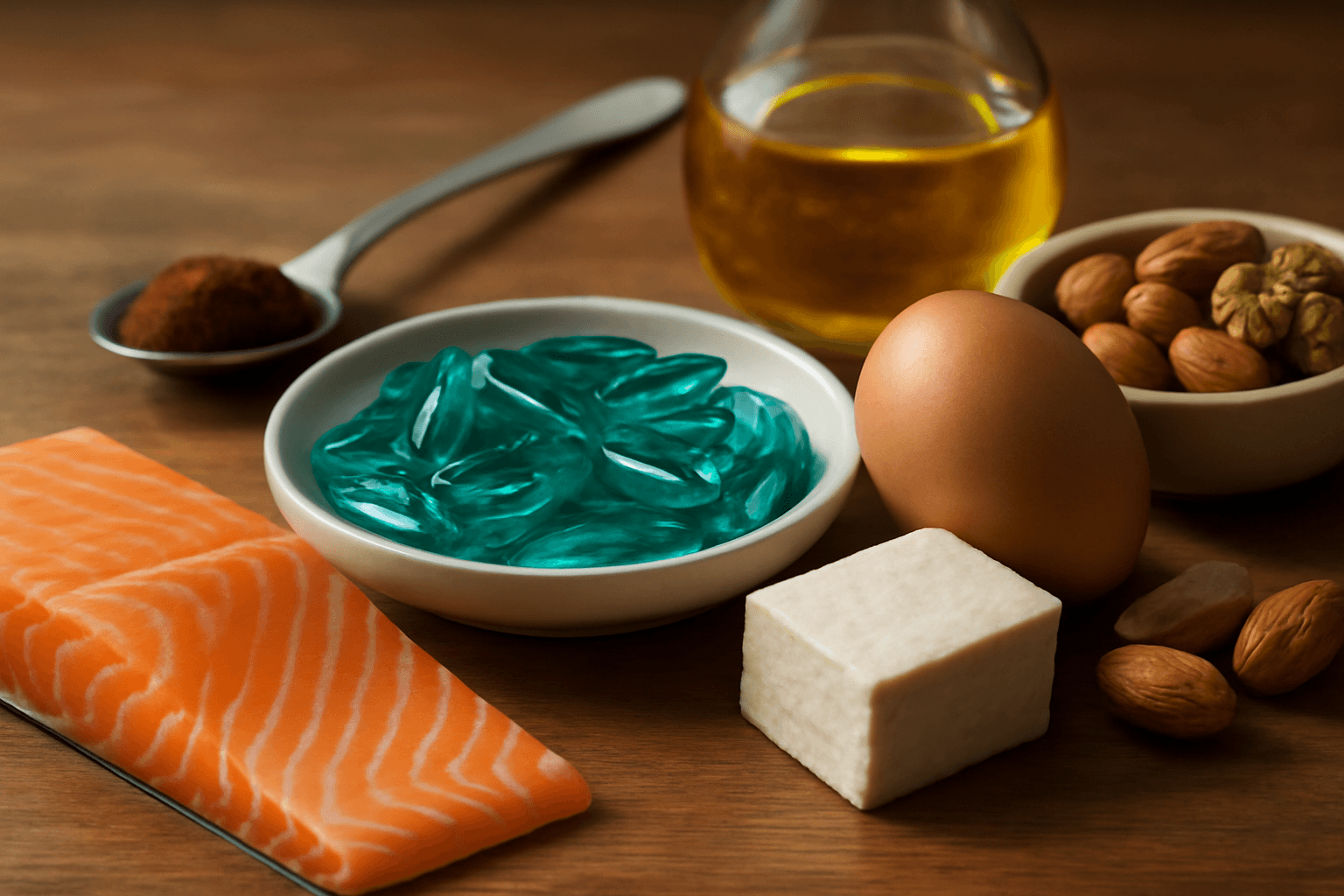
For ginseng to promote collagen production while serving as a substrate for protein synthesis, adequate nutritional intake is essential. Particularly, when amino acids such as proline and lysine are sufficient, ginseng's effects are maximized. Therefore, consuming high-quality proteins such as eggs, fish, and soy milk simultaneously is recommended.
Precautions
Although ginseng is generally a safe food, caution is necessary in certain situations. First, since ginseng is a potent immune stimulant, those with autoimmune diseases (lupus, rheumatoid arthritis, autoimmune thyroiditis, etc.) must consult with a physician before use. Theoretically, excessive immune activation could exacerbate autoimmune symptoms.
Due to ginseng's involvement in blood sugar control, the risk of hypoglycemia may increase when taking diabetes medications (particularly sulfonylureas and metformin). When consuming ginseng, blood sugar may need to be monitored more frequently, or medication dosage may require adjustment, so you must consult with your physician.
If you are taking blood-thinning medications (warfarin, aspirin, clopidogrel, etc.), you should avoid ginseng consumption. Since ginseng has some anticoagulant effects, it may increase bleeding risk. Additionally, as ginseng can increase heart rate, high-dose ginseng use should be avoided if you have arrhythmia or severe high blood pressure.
Women who are pregnant or breastfeeding should consult with an obstetrician before consuming ginseng. While there is currently no clear evidence that ginseng harms the fetus, a cautious approach is recommended as a preventive measure. During breastfeeding, only trace amounts of ginseng appear to transfer to infants, but it is safest to follow your individual healthcare provider's judgment.
Excessive ginseng consumption can trigger "ginseng abuse syndrome." Symptoms include sleep disturbance, nervousness, elevated blood pressure, and abdominal discomfort. Generally, daily ginseng consumption is recommended not to exceed 1-2g dry weight (or 200-400mg extract). If you are already consuming ginseng through supplements or food, cumulative intake should be considered when using additional skin products.
Concurrent consumption with caffeine-containing beverages (coffee, chocolate, etc.) can enhance nerve-stimulating effects, so sensitive individuals should consume them separately or start with lower doses. Consuming ginseng with alcohol should be avoided as it can increase liver metabolic burden.
Certain drug combinations carry interaction risks. Medical professional consultation is essential when combining with MAO inhibitors, stimulants, hormone replacement therapy medications, and others. When uncertain, present a list of all medications and supplements you are currently taking to a pharmacist or physician and confirm the safety of ginseng consumption.
Conclusion
Ginseng goes beyond being a simple stamina-boosting food, representing a natural ingredient with scientifically verified multilayered skin-improving benefits. From reducing wrinkles and improving signs of aging, to alleviating inflammation, brightening skin, and promoting collagen production, ginseng's effects simultaneously improve multiple aspects of skin health.
The primary active components in ginseng, ginsenosides, operate through various mechanisms including antioxidant, anti-inflammatory, and growth factor stimulation effects. These mechanisms work in complementary ways to create comprehensive skin-improving benefits. Particularly, promoting collagen production strengthens skin structure fundamentally, enhancing skin durability and elasticity beyond mere surface-level improvement.
Key Points Summary:
- Antioxidant effects: Free radical elimination reduces wrinkles and signs of aging (15% reduction in wrinkle depth with 12 weeks of use)
- Anti-inflammatory action: 40-60% reduction in inflammation markers alleviates puffiness and inflammation
- Brightening effect: Tyrosinase inhibition suppresses new melanin production by 35-45%
- Collagen promotion: Increased fibroblast activity boosts collagen expression by 1.8-2.3 times
- Comprehensive action: Overall health improvement through blood circulation enhancement, reduced stress hormones, improved sleep quality, and more
- Appropriate dosage: Recommended 1-2g dry weight daily (or 200-400mg extract)
- Essential consultation: Medical professional consultation is mandatory when having autoimmune diseases, taking blood sugar-related medications, or taking anticoagulants
Consistent consumption is important to maximize ginseng's effects. Since most clinical trials showed noticeable results after continuous use for 8 weeks or longer, a long-term approach is preferable to short-term use. Additionally, accompanying ginseng consumption with adequate protein intake, regular sleep, and sun protection through fundamental skin care measures allows ginseng to fully realize its potential.
If you wish to improve skin health, ginseng is a worthwhile option to consider. However, it is wise to start safely while comprehensively considering your personal health status, medications, allergies, and proceed under medical professional guidance when necessary. By correctly utilizing ginseng's diverse benefits, it can be genuinely helpful in maintaining healthy, vibrant skin both internally and externally.