Beef liver has long been considered a superfood in many cultures around the world. The diverse essential nutrients found in beef liver—including protein, iron, zinc, B-complex vitamins, and omega-3 fatty acids—can effectively supplement nutritional deficiencies common in modern life. In particular, it provides numerous health benefits including fatigue recovery, immune system enhancement, antioxidant activity, and improved digestion. This article provides scientific evidence and practical information about beef liver supplements, along with guidance on proper intake methods and precautions.
What Is Liver?
Liver is the most nutrient-dense organ among animal internal organs. As an organ that performs essential functions for survival—including metabolism, detoxification, and protein synthesis—the nutrients accumulated within it are extremely abundant. Beef liver in particular contains a wealth of nutrients in highly bioavailable forms, making it exceptionally high in nutritional value.
Traditional medicine has long recognized the liver as a "blood reservoir," and specifically recommended liver consumption for those experiencing anemia or fatigue symptoms. In modern nutrition science, this empirical knowledge has been scientifically validated, confirming that beef liver's nutritional components directly impact blood production, energy metabolism, and immune function enhancement.
Nutrients Contained in Beef Liver
Beef liver contains approximately 21g of high-quality protein per 100g, which is higher than the average protein content of beef (about 19g). Most notably, this protein is a complete protein containing all nine essential amino acids. Therefore, it effectively contributes to all protein-dependent functions in the body, including muscle maintenance, antibody production, and enzyme synthesis.
Iron content is the most distinctive nutrient in beef liver. Beef liver contains 5–36mg of iron per 100g, which corresponds to 28–200% of the daily recommended amount for adult women (18mg). The iron in beef liver is heme iron, which has 2–3 times higher bioavailability than non-heme iron from plant foods, making it far more effective for anemia prevention and treatment.
Zinc content is also extremely abundant. Containing approximately 5.5mg of zinc per 100g, beef liver can supply half the daily recommended amount for adult men (11mg) from a single food source. Zinc is an essential mineral for immune cell development and function, DNA synthesis, and wound healing.
B-complex vitamins are also core nutrients in beef liver. Vitamin B12 contains approximately 65.3mcg per 100g of beef liver, which is about 27 times the daily recommended amount for adults (2.4mcg). Folate (vitamin B9) is also included at approximately 290mcg per 100g. These B vitamins play important roles in energy metabolism, nervous system health, and cell division.
Additionally, beef liver contains the antioxidant selenium (approximately 36.5mcg per 100g), copper required for immune enhancement (approximately 10.2mg per 100g), and small amounts of omega-3 fatty acids. It is also rich in choline, which supports brain health and neurotransmitter synthesis.
Health Benefits of Beef Liver Supplements
Fatigue Recovery and Energy Metabolism
When beef liver's iron, vitamin B12, and folate combine, they dramatically enhance blood production and oxygen-carrying capacity. Fatigue caused by anemia occurs due to reduced oxygen-carrying ability in the blood, and beef liver's high iron content directly addresses this. According to research, individuals with iron deficiency experienced over 70% improvement in fatigue symptoms within 2–3 months after appropriate iron supplementation.
Vitamin B12 promotes ATP (energy) production in the mitochondria of cells, so beef liver supplement intake helps maintain sustained energy levels. The effects are particularly pronounced in populations at high risk for B12 deficiency, such as vegetarians and elderly individuals.
Immune System Enhancement
Zinc and selenium are essential for the activation and proliferation of immune cells (particularly T cells and NK cells). Beef liver contains both of these minerals abundantly, comprehensively strengthening immune response. One study showed that adults in a zinc-deficient state experienced a 28% reduction in upper respiratory infection incidence after zinc supplementation.
Copper also plays an important role in immune function. Copper supports white blood cell function and enhances antimicrobial activity. One hundred grams of beef liver provides over 1000% of the daily recommended copper amount (900mcg), so even small amounts of consumption can provide sufficient copper supply.
Antioxidant Action and Anti-Aging
Selenium is a key component of glutathione peroxidase, which effectively removes free radicals that cause cellular damage. The high selenium content in beef liver defends against cell damage from oxidative stress and prevents premature aging.
Additionally, vitamin B2 (riboflavin) contained in beef liver operates as part of the antioxidant defense system, protecting nervous system cells and blood vessel health. Regular beef liver consumption can be expected to provide anti-aging effects such as maintaining skin elasticity, improving wrinkles, and promoting hair health.
Digestion and Gut Health
The B-complex vitamins contained in beef liver are essential for digestive enzyme production and maintaining the health of intestinal epithelial cells. Folate plays a particularly important role in the regeneration and repair of intestinal epithelial cells and helps prevent leaky gut.
Furthermore, the choline in beef liver promotes bile production, improving fat digestion and contributing to maintaining intestinal microbial balance. When digestive efficiency improves, nutrient absorption enhances, leading to overall health improvement.
Brain Health and Cognitive Function
Choline and vitamin B12 are essential for the synthesis of the neurotransmitter acetylcholine. Higher acetylcholine levels improve memory, concentration, and learning ability. Beef liver simultaneously provides these brain health nutrients, making it particularly effective at preventing age-related cognitive decline.
Additionally, folate and vitamin B6 contribute to lowering homocysteine levels (a substance that causes brain damage). According to research, elevated homocysteine levels increase Alzheimer's disease risk by more than twofold, and beef liver consumption can help prevent this.
Consuming Fresh Beef Liver Through Diet
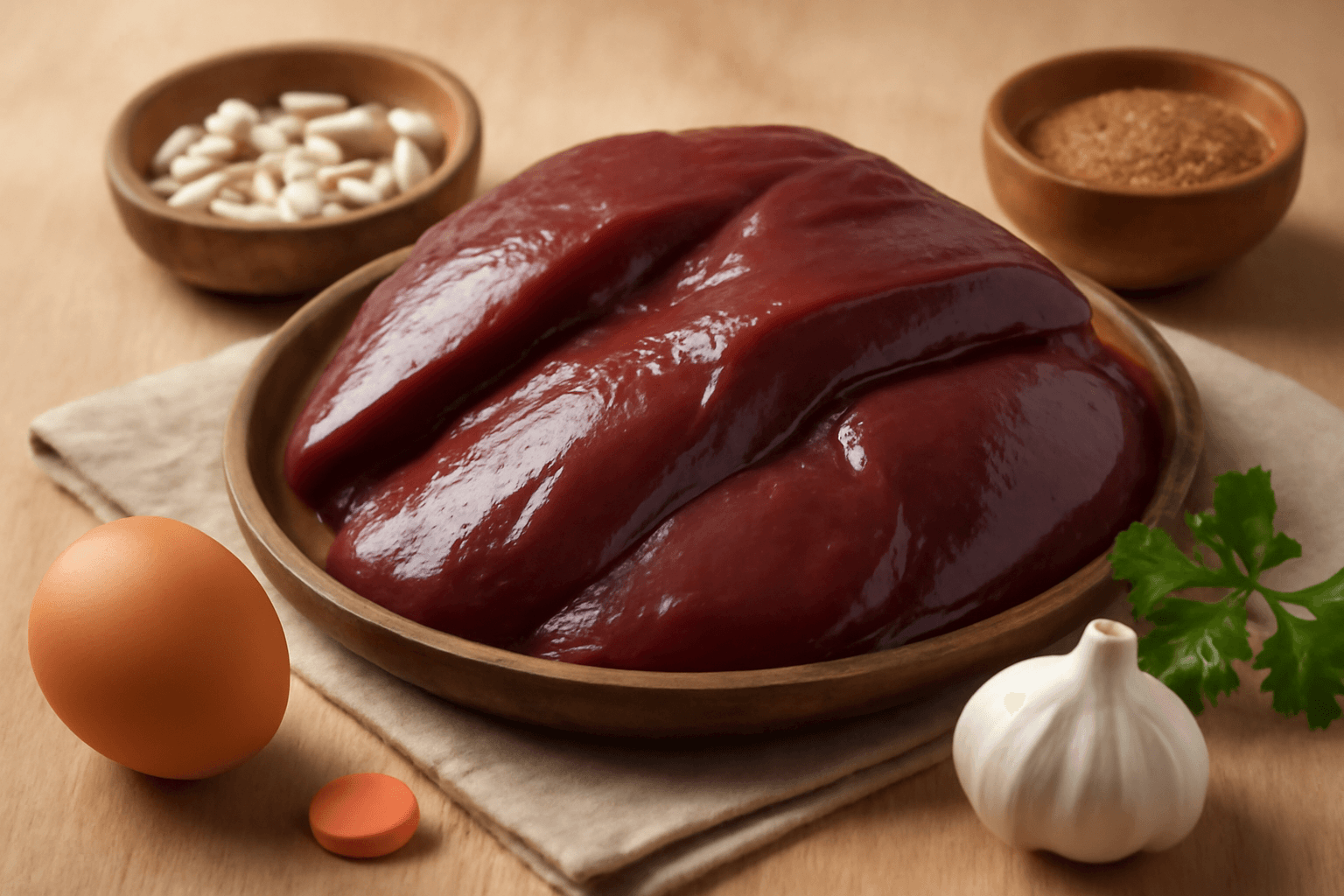
To include fresh beef liver in your diet, it is first important to purchase from a trustworthy source. Good liver should have a bright red color, smell fresh, and leave no indentation when pressed with a finger.
Cooking methods with light heat treatment are recommended. Cooking at excessively high temperatures for prolonged periods increases the loss of heat-sensitive B-complex vitamins. Thinly slicing fresh liver and lightly cooking it in butter or olive oil for 1–2 minutes can minimize nutrient loss while eliminating microbial risks. Korean-style preparations such as liver shabu-shabu, marinated liver, or liver stew are excellent choices.
Intake frequency of 1–2 times per week with a single serving of 100–150g is appropriate. Excessive consumption can cause vitamin A toxicity, so caution is necessary. Beef liver contains approximately 7,375IU of vitamin A per 100g, which far exceeds the adult daily recommended amount (700–900mcg or 2,300–3,000IU).
Since liver is a detoxification organ, choosing liver from grass-fed, organically raised cattle helps minimize exposure to environmental toxins. Unfortunately, regular beef liver can accumulate heavy metals (lead, cadmium), so avoiding regular large-scale consumption is advisable.
Why Beef Liver Supplements Are Gaining Attention
Nutritional deficiencies are widespread in modern society. In particular, iron, vitamin B12, zinc, and folate deficiencies are common in specific populations including children, women, elderly individuals, and vegetarians. According to data from the U.S. National Center for Health Statistics, approximately 14% of American adults experience iron deficiency, and vegetarians face a six times higher risk of B12 deficiency compared to the general population.
Regular consumption of fresh beef liver is practically difficult in the modern busy lifestyle. Consequently, freeze-dried, powdered, and capsulized beef liver supplements have been developed, preserving the nutritional value of fresh liver while providing convenience and ease of storage.
The increasing popularity of beef liver supplements also aligns with the "Nose-to-Tail" dietary movement. This philosophy stems from the concept of consuming all parts of an animal to maximize utilization of animal resources and reduce waste. This perspective pursues both nutritional efficiency and environmental sustainability.
In the sports nutrition field, beef liver supplements are also receiving attention. Athletes seeking high-protein foods for muscle recovery after strength training find beef liver's complete protein, iron, and vitamin B12 simultaneously support muscle recovery and red blood cell production. Some professional trainers recommend beef liver supplements as a natural all-in-one nutritional source instead of synthetic supplements.
Risks and Side Effects
Vitamin A Toxicity
Beef liver is the richest dietary source of vitamin A (retinol). Excessive vitamin A intake can cause toxic symptoms, and chronic overconsumption in particular leads to bone loss, headaches, skin problems, and liver damage. For pregnant women, excessive vitamin A intake increases the risk of fetal birth defects, making it particularly dangerous.
The safe daily upper limit is 10,000IU (approximately 3,000mcg) for adults. Since 100g of beef liver far exceeds this, it is recommended to limit daily consumption to 50g or less, or restrict intake frequency to twice per month or less.
Heavy Metal Accumulation
Since the liver is the body's detoxification organ, environmental pollutants consumed by animals (lead, cadmium, mercury) tend to accumulate there. Heavy metal levels have been detected in liver from conventionally-raised cattle. Regular large-scale consumption can cause body accumulation of these heavy metals.
To minimize heavy metal exposure, choose liver from grass-fed cattle with organic certification and limit intake frequency and quantity. When purchasing beef liver supplements, it is important to check for third-party testing certification (such as NSF or USP) to select products tested for heavy metal content.
Purine Content and Gout
Beef liver is high in purine content. Purines are metabolized to uric acid in the body, and uric acid accumulation worsens gout symptoms. Individuals with a history of gout should limit consumption of organ meats including liver.
Food Safety Risks
Fresh raw liver carries risk of contamination with harmful bacteria such as Listeria and Salmonella. Individuals with weakened immune systems (pregnant women, infants, elderly individuals, immunocompromised patients) should avoid raw liver consumption. It must be cooked to proper temperature (internal temperature of 160°F/71°C or higher) to be safe.
Drug Interactions
High vitamin K content can interact with blood thinners (warfarin). Patients taking anticoagulants must consult with healthcare professionals before using beef liver supplements. Additionally, concurrent use with medications that inhibit iron absorption (such as antacids or tetracycline) should also be avoided.
Allergic Reactions
While allergies to animal organs are rare, when they occur they can present symptoms including itching, swelling, and difficulty breathing. Individuals who already have beef allergies should avoid beef liver supplements.
Conclusion and Summary
Beef liver goes beyond being a simple food to possess the value of a comprehensive nutritional medicine. Containing high-quality protein, heme iron, zinc, B-complex vitamins, selenium, and choline, it provides numerous health benefits including fatigue recovery, immune enhancement, antioxidant action, improved digestion, and enhanced brain health.
Key points summarized:
- Nutritional content: Contains 5–36mg iron, 65.3mcg vitamin B12, 5.5mg zinc, and 290mcg folate per 100g
- Primary benefits: Promotes energy metabolism, enhances immune function, provides antioxidant action, and improves brain health
- Intake method: 1–2 times per week with 100–150g per serving is safe; avoid high-heat cooking
- Primary risks: Risk of vitamin A toxicity, heavy metal accumulation, and gout exacerbation
- Supplement selection: Prioritize organic products or those with third-party testing certification
Beef liver supplements are a powerful tool for efficiently addressing modern nutritional deficiencies, but excessive consumption can cause side effects. Particularly pregnant women, individuals with gout, those taking blood thinners, and immunocompromised patients should consult with healthcare professionals before deciding to consume beef liver.
To maximize nutritional benefits while minimizing risks, consume appropriate amounts at proper frequencies, purchase high-quality products from trustworthy sources, and monitor nutritional status and signs of side effects through regular health checkups.