Selenium is an essential mineral for the human body that protects our bodies from cellular damage through antioxidant action. This article provides a detailed overview starting from the various types of selenium to selenium-rich foods, deficiency symptoms, and the impact of selenium on immunity, virus infection prevention, and thyroid health. Through the interaction of selenium with other essential nutrients such as iodine, iron, zinc, and vitamins A, D, and K, we present comprehensive methods for overall health management.
Types of Selenium
Selenium exists in two main forms. First is organic selenium, which is primarily found in food sources. This appears in amino acid-bound forms such as selenomethionine and selenocysteine, with human absorption rates reaching 80-90%. Selenomethionine has high bioavailability because it is stored in the body by replacing methionine during protein synthesis.
Second is inorganic selenium, which is primarily found in supplement form. Sodium selenite and sodium selenate are typical examples, with absorption rates around 50-60%. While inorganic selenium has a simpler absorption process, caution is needed as it carries a higher risk of toxicity when consumed in excess. According to the National Institutes of Health (NIH), the recommended daily selenium intake for adults is 55 micrograms (mcg).
Selenium-Rich Foods
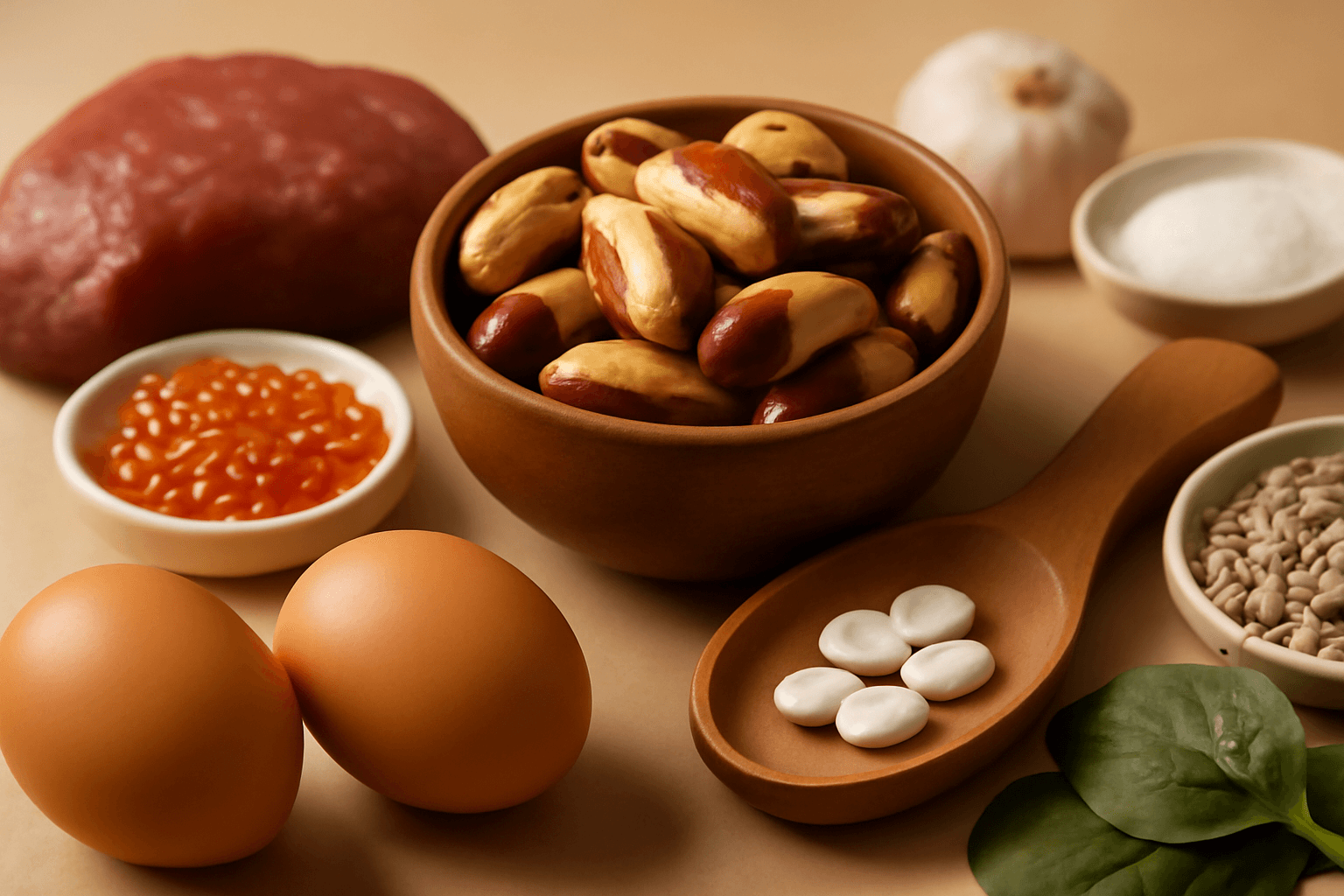
There are many diverse food sources through which selenium can be naturally consumed. Brazil nuts are the most abundant selenium source, providing over 100% of the daily recommended amount with just 2-3 nuts (approximately 10g). However, excessive consumption carries the risk of selenium toxicity, so consuming about 3 nuts per day is appropriate.
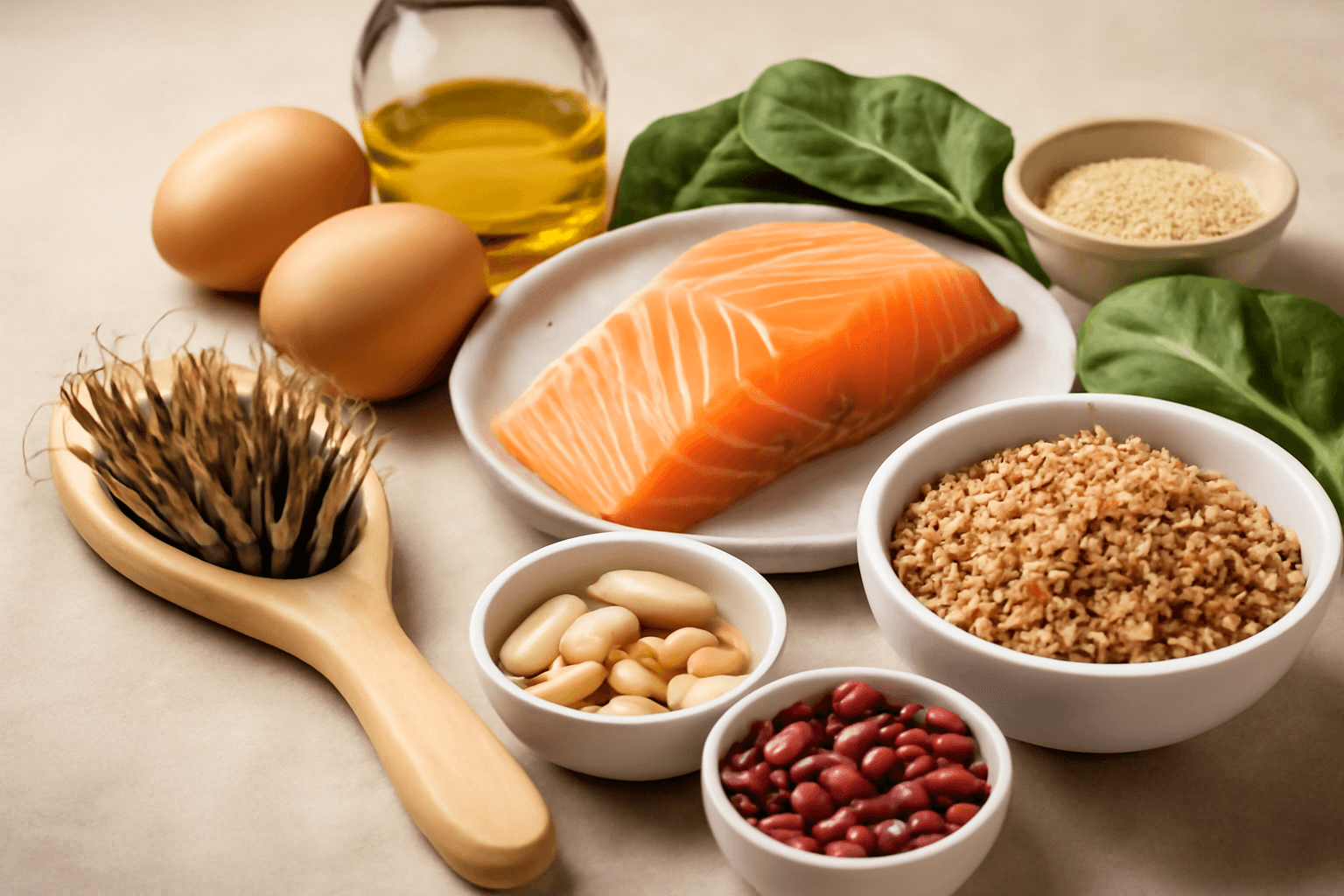
Seafood is an excellent source of selenium. 100g of oysters contains approximately 63mcg, while 100g of shrimp contains about 40mcg of selenium. Among fish, tuna (approximately 90mcg per 100g) and salmon (approximately 75mcg per 100g) are particularly rich in selenium and also provide omega-3 fatty acids. Eggs are also an excellent selenium source, with about 56mcg contained in 100g of egg yolk.
Meat and poultry also play an important role. 100g of beef contains approximately 36mcg, while 100g of chicken breast contains about 27mcg of selenium. These foods also provide protein and iron, helping to balance overall nutrition. Grains and legumes include rice, whole wheat flour, lentils, and black beans, though grain selenium content varies depending on soil selenium levels.
- Seafood: Oysters, shrimp, tuna, salmon, etc.
- Meat: Beef, chicken, turkey
- Eggs: Particularly high in the yolk
- Grains: Brown rice, whole grain bread, pasta
- Nuts: Brazil nuts (excess consumption not recommended)
- Legumes: Lentils, chickpeas, black beans
Selenium Deficiency Symptoms
Selenium deficiency is rare in developed countries, but can occur in those following specific diets or living in regions with low soil selenium levels. Early symptoms of selenium deficiency include fatigue, muscle weakness, and mood decline. These symptoms can easily overlap with other conditions, making diagnosis difficult.
In severe deficiency states, Keshan disease, an endemic disorder, can develop. This condition causes inflammation of the heart muscle leading to congestive heart failure, and is primarily found in certain regions of China where selenium deficiency is severe. Additionally, Kashin-Beck disease, a form of osteoarthritis, is also associated with selenium deficiency.
Chronic selenium deficiency can also lead to thyroid dysfunction. Since selenium is essential for activating thyroid hormones, iodine supplementation alone may not fully restore thyroid function when selenium is deficient. Furthermore, selenium deficiency can be accompanied by external symptoms such as frequent infections due to weakened immunity, hair loss, and white spots on nails.
Selenium and Immunity
Selenium is essential for normal immune function. Selenoprotein, a selenium-containing protein, forms the cornerstone of the body's antioxidant defense system. Enzymes such as glutathione peroxidase and thioredoxin reductase eliminate reactive oxygen species, preventing damage to immune cells.
Research published in 2008 demonstrated that adequate selenium intake promotes proliferation of T cells and B cells, strengthening adaptive immunity. Selenium also increases the activity of NK cells (natural killer cells), which are crucial for early infection defense. Additionally, selenium regulates inflammatory responses, preventing tissue damage from excessive immune reactions.
Selenium's role in suppressing immunosenescence is also noteworthy. Adequate selenium intake is particularly important for mitigating immune function decline with aging. When consumed together with vitamins A, D, K, zinc, and iron, synergistic effects are maximized, enabling comprehensive immune enhancement.
Selenium and Viral Infections
Selenium's antiviral effects have been demonstrated in multiple academic journals. According to research published in 2020 in the international journal Nutrients, people who maintain adequate selenium levels experience lower severity of viral infections. This is because selenium has mechanisms to suppress viral mutations.
Selenium is particularly effective in defense against influenza viruses and enteroviruses. Both animal experiments and human studies confirm that viral infections are more severe and recovery is slower in selenium-deficient states. This is because selenium enhances the activity of glutathione peroxidase, which damages viral genes or interferes with viral replication.
Selenium's role in regulating anti-inflammatory responses of the immune system is also important. Excessive inflammatory responses lead to severe viral diseases, and selenium suppresses cytokine storms. However, selenium alone cannot completely prevent viral infection, so a balanced approach combining vaccines, hygiene management, and consumption of other nutrients is necessary.
Selenium and the Thyroid
The thyroid is one of the organs with the highest selenium concentration in the body. Selenium directly participates in thyroid hormone synthesis, and more importantly, in thyroid hormone activation. The deiodinase enzymes that convert thyroxine (T4) into the more active form, triiodothyronine (T3), are all selenium-containing enzymes.
Selenium is also essential for preventing thyroid autoimmune disease. Multiple studies show that selenium deficiency increases the risk of autoimmune thyroid diseases such as Hashimoto's thyroiditis and Graves' disease. Through antioxidant action, selenium prevents damage to thyroid tissue, and through selenoprotein P, maintains thyroid immune tolerance.
The interaction with iodine is also noteworthy. For healthy thyroid function, both adequate iodine and selenium are necessary. Even with iodine supplementation alone, if selenium is deficient, thyroid hormones may not be properly activated. One study showed that excessive iodine supplementation in a selenium-deficient state could actually worsen thyroid function.
Medical Disclaimer: This information is for educational purposes. If thyroid disease or selenium deficiency is suspected, please consult with a healthcare professional for accurate diagnosis through blood tests. Particularly when undergoing thyroid disease treatment, selenium supplementation should only be conducted under your physician's guidance.
Summary
Selenium is an essential mineral for various physiological functions including antioxidant action, immune enhancement, viral defense, and thyroid health maintenance. The recommended daily amount of 55 micrograms for adults can be adequately obtained from diverse everyday foods such as seafood, meat, eggs, nuts, and grains. Since organic selenium has higher absorption rates than inorganic selenium, prioritizing intake through natural food sources is preferable.
Selenium interacts with iodine, iron, zinc, and vitamins A, D, and K to establish a healthy immune system, thyroid function, and antioxidant defense. Particularly for infection prevention and thyroid health, comprehensive nutritional management rather than single nutrients is important. By intentionally including selenium-containing foods in your diet, you can naturally prevent deficiency, while being mindful of the risks of excessive intake (particularly excessive consumption of Brazil nuts) to maintain appropriate intake levels.