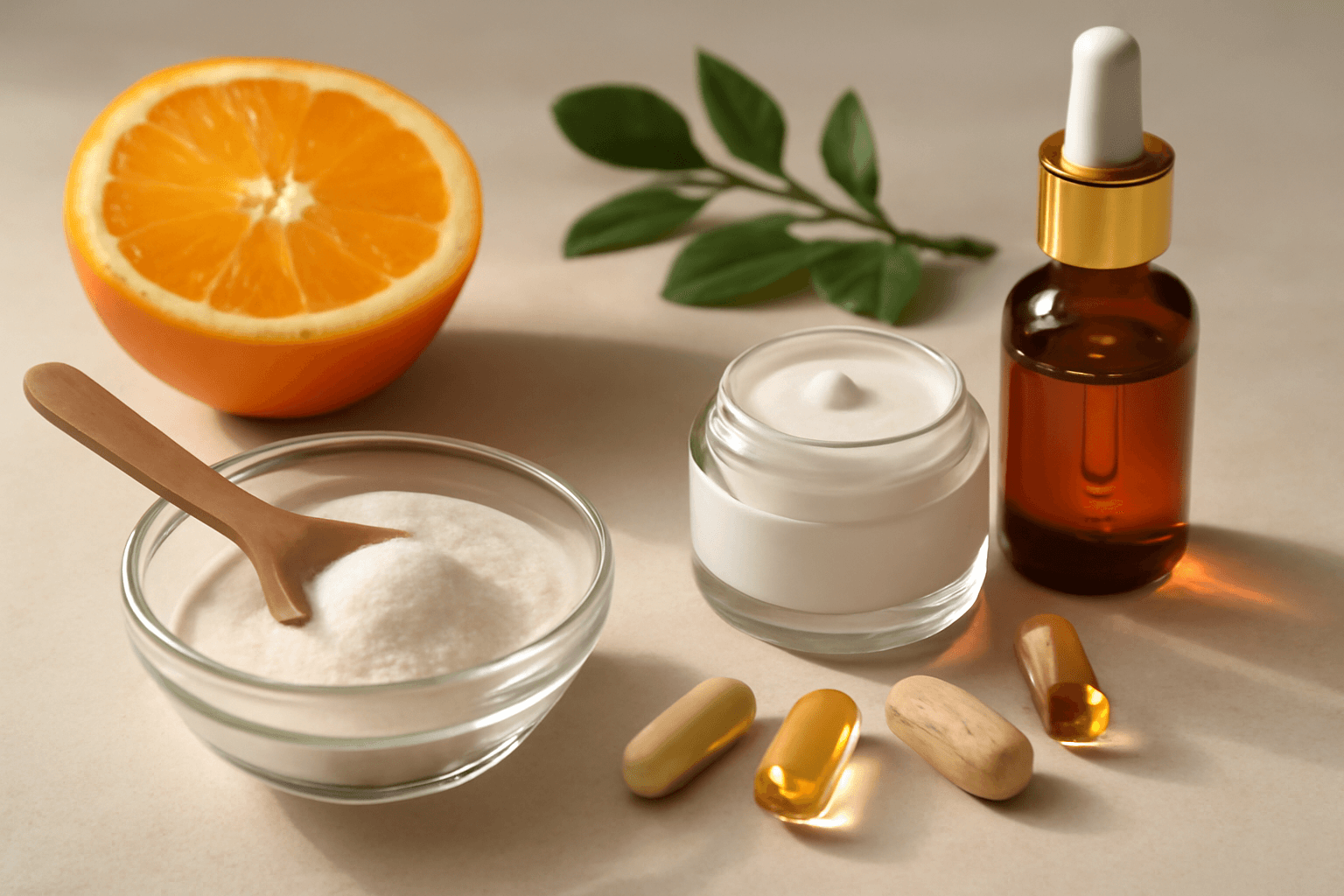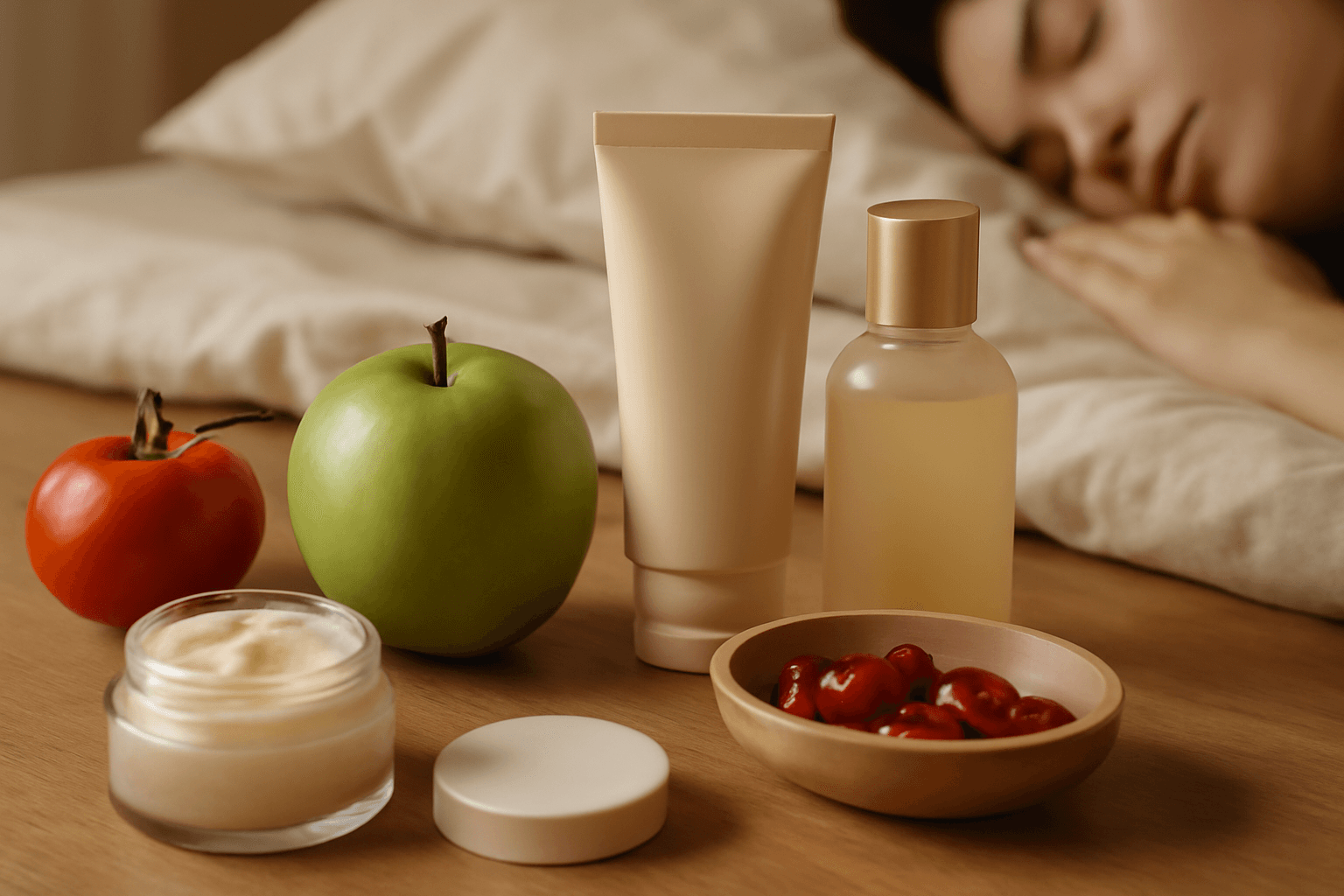
Healthy, radiant skin is impossible to achieve through external care alone. It requires the harmonious combination of selecting effective body care products, proper exfoliation, deep hydration, and internal nutritional intake. In particular, adequate sleep, stress management, and consuming foods rich in antioxidants are key factors in restoring skin elasticity and radiance. This article presents science-based body care strategies for skin health and practical methods for selecting the right products.
Key Exfoliation Methods
Removing dead skin cells from the skin's surface is the first step to achieving radiant skin. When dead skin accumulates, it blocks skincare product absorption and darkens skin tone. Effective exfoliation promotes cell regeneration and normalizes the approximately 28-day skin turnover cycle.
The Difference Between Physical Scrubs and Chemical Peeling
Physical exfoliation uses granular products that are rubbed onto the skin to slough off dead cells. Products containing natural ingredients like milk protein, walnut powder, and sea salt are popular. However, physical exfoliation can irritate sensitive skin or inflamed areas, so using it once or twice a week is recommended.
Chemical peeling uses ingredients like AHA (alpha-hydroxy acid) or BHA (beta-hydroxy acid) to chemically break down the outer skin layer. AHA, derived from glycolic acid or lactic acid, is water-soluble and works on the skin's surface, while BHA, derived from salicylic acid, is oil-soluble and penetrates deep into pores. Generally, chemical peeling is gentler than physical scrubs while being more effective, and it's safe to use two to three times per week.
Recommended Body Exfoliation Products
- Body Scrubs: The Body Shop Woodys Wood Body Scrub (2-3 times per year), Laneige Water Clear Scrub (once per week)
- Chemical Peeling Toners: AHA-containing body toner (5-8% glycolic acid), BHA body essence (2% salicylic acid)
- Exfoliating Gloves: Bath house towels or delicate microfiber gloves (once per week, with light pressure)
Exfoliation must always be followed by hydration. Since the outer skin layer is removed during exfoliation, water loss increases, so you should supply moisture first with a toner or essence and finish with an emollient product.
Hydrating Body Care
Skin elasticity and radiance come from a proper balance of hydration and oils. Body skin has fewer sebaceous glands than facial skin, making it prone to dryness, so an appropriate hydration routine is essential. Daily water loss is approximately 10-12 grams, and proper moisturizers can reduce this by over 70%.
Types and Roles of Moisturizing Ingredients
Moisturizing ingredients fall into three main categories. Humectants like glycerin, hyaluronic acid, and sorbitol draw moisture from the air and absorb it into the skin. Hyaluronic acid can retain up to 1,000 times its weight in moisture, making it the most effective humectant. Emollients like ceramides, squalane, and plant oils form an oil layer on the skin's surface to prevent moisture evaporation. Occlusives like petroleum jelly and lanolin create the strongest moisture barrier.
Choosing Between Body Lotion and Body Butter
Body lotion has a ratio of 60-70% water to 20-30% oil, making it lightweight and quick to absorb, suitable for daily use. It's recommended for sensitive skin, oily skin, and hot weather. Products containing ceramides and glycerin (such as CeraVe Body Lotion and Estée Lauder Revitalizing Oil) are effective.
Body butter contains over 40% oil and has a very rich texture. It's ideal for severely dry areas (elbows, heels, knees) and winter use. Main ingredients include shea butter, cocoa butter, and argan oil. A coin-sized amount is sufficient, and applying it to damp skin immediately after bathing increases moisture absorption by 30%.
Planning Your Hydration Routine
- Morning: Light body lotion or body milk (fast absorption)
- Evening: Rich body butter or body oil (sufficient nourishment)
- Intensive Care: Body pack twice weekly (camellia oil, honey, yogurt-based) for dramatic overnight hydration recovery
- Specific Areas: Apply cream thickly to feet and elbows and wear cotton gloves or toe socks
Products That Illuminate the Skin
Skin radiance comes from surface smoothness and even tone. Active ingredients like vitamin C, niacinamide, and alpha-arbutin enhance skin brightness and improve pigmentation. With regular use, skin tone can brighten by one to two shades, achievable through consistent use over 6-12 weeks.
Vitamin C Serums and Essences
Vitamin C is the most powerful antioxidant and also a skin-brightening agent. Specifically, it inhibits tyrosinase, the enzyme that produces melanin, and reduces already-formed melanin. Body vitamin C products have lower concentrations than facial products (5-15%), but they provide sufficient effects for body skin.
Stabilized vitamin C derivatives offer better safety than L-ascorbic acid. Magnesium ascorbyl phosphate (MAP) and ascorbyl glucoside (AG) convert to vitamin C after skin absorption and remain stable at room temperature. To minimize irritation during use, choose products with a pH of 3.5 or lower and use only in the evening.
Niacinamide-Containing Products
Niacinamide (vitamin B3) promotes energy metabolism in skin cells and inhibits melanin transfer. It evens out skin tone and is less irritating than vitamin C, making it suitable for sensitive skin. Products containing 5-10% niacinamide are safe for daily morning and evening use, and visible improvement in pigmentation appears after about 8 weeks.
Glow Products and Body Oils
Body glow oils contain lightweight oils mixed with mica and pearl luminizers to instantly add radiance to the skin. Use a small amount (about the size of a 500 won coin) and spread evenly for beautiful luminosity. Apply over your moisturizer before evening outings or on special occasions.
Golden serums and mineral body essences contain ingredients like rice bran extract, gold nanoparticles, and lycopene to give skin a warm and vibrant appearance. They can be used daily and are particularly effective for improving dull winter skin tone.
Foods and Supplements for Radiant Skin
Beautiful skin starts from within. Adequate sleep, stress management, and proper nutrition are just as important as external products. In particular, consuming foods rich in antioxidants delays skin aging and reduces inflammation. Research shows that people who consume antioxidant-rich diets have noticeably improved skin texture and appearance compared to those who don't.
Essential Nutrients and Food Sources
Vitamin A is essential for cell regeneration and sebum regulation. The daily recommended amount is 700 mcg for women and 900 mcg for men. It's abundant in carrots, spinach, kale, sweet potatoes, and egg yolks. Excessive intake can be toxic, so avoid consuming more than 3,000 mcg daily.
Vitamin C promotes collagen synthesis. The recommended daily amount is 75-90 mg, found in oranges, kiwis, bell peppers, broccoli, and tomatoes. Since it's destroyed by heat, consuming it raw is preferable.
Omega-3 fatty acids strengthen skin barrier function and reduce inflammation. They're abundant in salmon, mackerel, sardines, flaxseeds, and walnuts. Daily intake of 1-2 grams is recommended, and research shows that skin moisture content increases by 20% after about 12 weeks of consumption.
Specific Roles of Antioxidant Components
Lycopene is the red pigment in tomatoes and a powerful antioxidant. It eliminates free radicals, delays skin aging, and protects against UV damage. Daily intake of 15-30 mg is recommended, and lycopene is absorbed at three times higher concentration from tomato paste or cooked tomatoes compared to raw tomatoes.
Anthocyanins are antioxidants found in berries (blueberries, blackberries, aronia) that reduce C-reactive protein (CRP), an inflammation marker. They're effective for improving pigmentation and evening out skin tone.
Polyphenols are found in green tea, black tea, coffee, and chocolate and reduce oxidative stress in skin cells. In particular, EGCG (catechin) in green tea promotes DNA damage repair following UV exposure.
Collagen Intake and Effects
Collagen is the structural protein of skin responsible for elasticity. Collagen synthesis decreases by 1-2% annually with age. Collagen consumed externally is broken down into amino acids during digestion, but specific peptide forms (hydrolyzed collagen) can be absorbed in the intestines and transported to the skin.
Clinical research shows that consuming 10-20 grams of collagen peptides daily increases skin elasticity by 10% within 8 weeks and increases skin moisture content by 15%. Collagen can be consumed as bone broth, gelatin, or collagen powder, and collagen synthesis is further promoted when consumed with vitamin C.
Sleep and Stress Management
Sleep deprivation increases cortisol, a stress hormone, raises inflammation markers, and increases skin water loss. Seven to nine hours of adequate sleep promotes growth hormone secretion, enhancing cell regeneration and skin recovery. Using a night serum and rich cream as part of your pre-sleep skincare routine maximizes skin regeneration during eight hours of sleep.
Chronic stress weakens skin barrier function and triggers inflammation. Managing stress through meditation, yoga, breathing exercises, and regular exercise noticeably improves skin condition. 30 minutes of aerobic exercise increases blood flow, promoting oxygen and nutrient supply to skin while cleansing it through perspiration.
Recommended Supplements (Use After Consulting Healthcare Professional)
- Collagen Peptides: 10-20 grams daily; low-molecular marine collagen recommended
- Hyaluronic Acid Supplement: 100-200 mg daily (oral absorption efficiency 5-10%)
- Vitamin C Supplement: 500-1,000 mg daily (excessive intake risks kidney stones)
- Omega-3 Fish Oil: 1-2 grams daily (consult your doctor if taking blood thinners)
- Multivitamin Minerals: Products containing especially vitamins A and E, selenium, and zinc
Medical Disclaimer: Always consult a healthcare professional before taking supplements. This is especially important if you're pregnant, breastfeeding, have existing health conditions, or are taking medications. Overdosing can cause adverse effects.
Summary
A comprehensive approach to radiant skin is summarized into three key elements:
- External Care: Regular exfoliation (1-2 times weekly), appropriate hydration (water and oil balance), and active ingredient use (vitamin C, niacinamide) form the foundation. When selecting products, consider your skin type (dry, oily, sensitive), and introduce new products gradually after a patch test.
- Internal Nutrition: Daily consumption of antioxidant-rich foods (berries, tomatoes, green tea), omega-3 fatty acids (1-2 grams daily), and adequate vitamin A and C supply form the foundation of skin health. Depending on individual health status, collagen peptides or other supplements may be considered, but this must be done under medical professional guidance.
- Lifestyle Habits: Seven to nine hours of sleep, stress management, and regular exercise optimize skin regeneration and recovery. If any of these three elements is lacking, the effectiveness of external products decreases significantly.
Results require at least 4-6 weeks of consistent practice, and continued care is essential even after improvement is visible. Rather than expecting dramatic changes, it's important to aim for gradual and healthy improvement. If you have specific skin conditions or allergies, consult a dermatologist before selecting products.