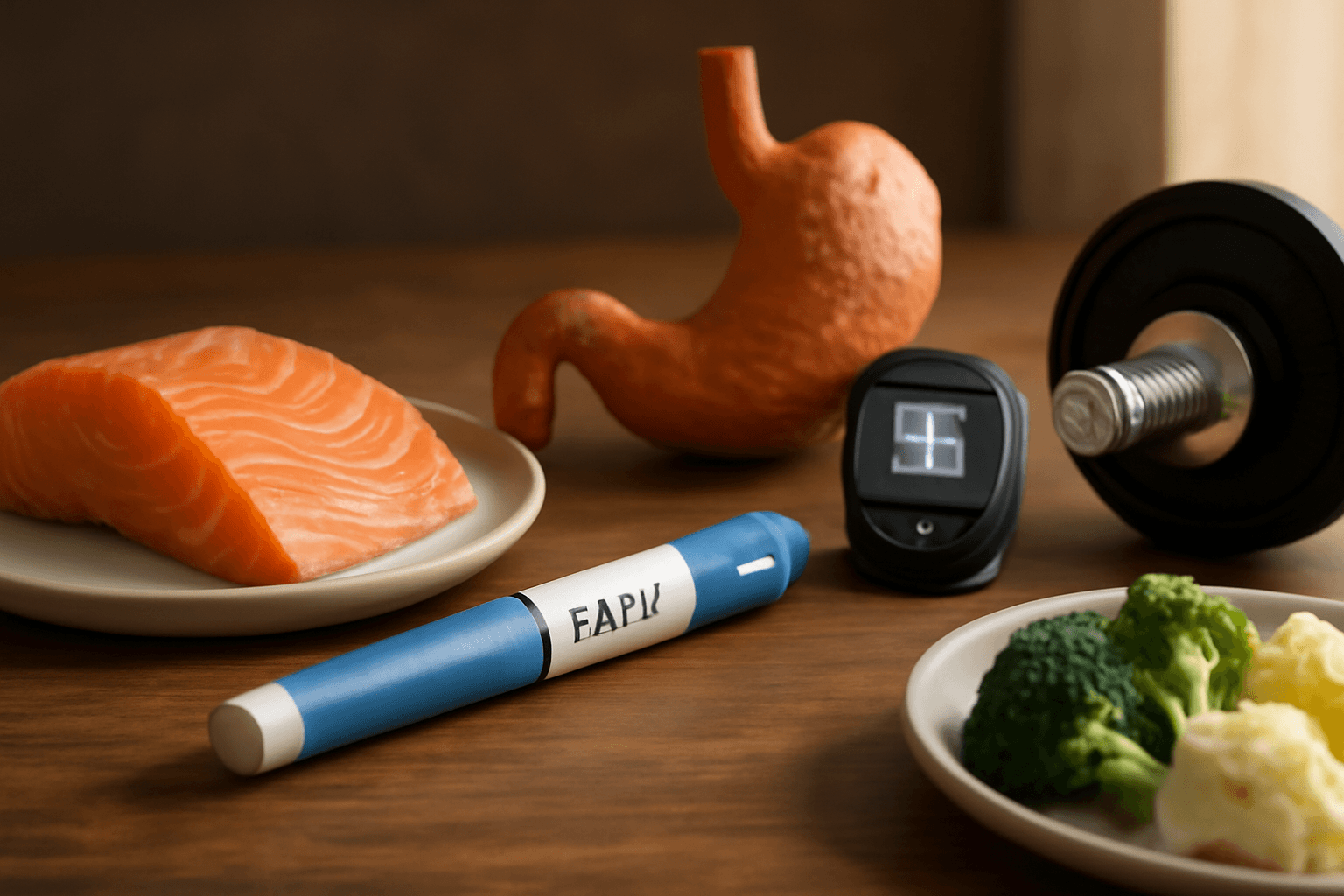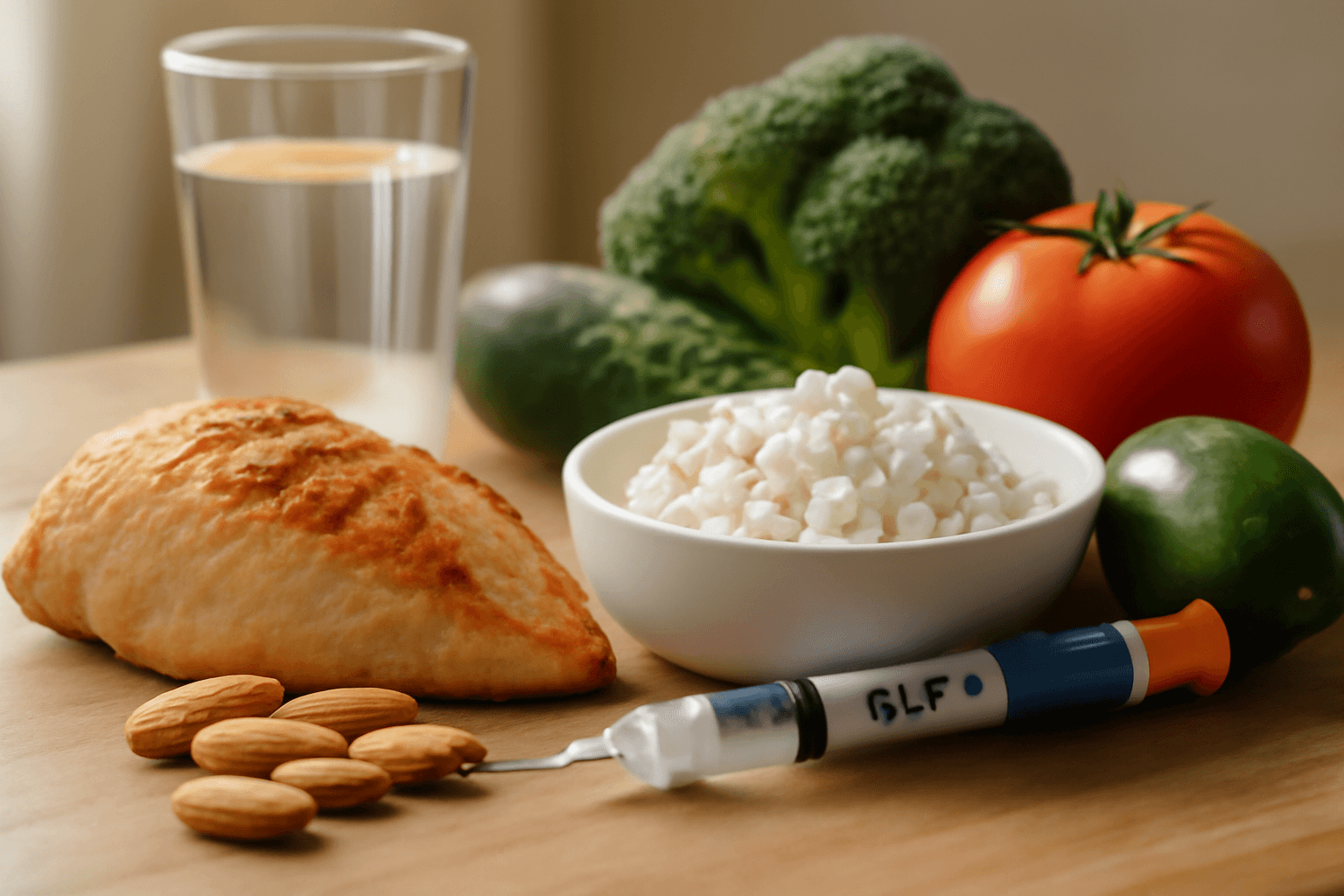
GLP-1 (glucagon-like peptide-1) is a hormone that plays a crucial role in regulating blood sugar and maintaining satiety in our bodies. As it has recently gained attention as a diabetes treatment, the importance of this hormone has become increasingly apparent. Interestingly, you can naturally increase GLP-1 secretion through diet alone, without medication. Certain foods stimulate the intestines to promote GLP-1 production, which can help stabilize blood sugar, improve energy levels, and support natural weight management. This article will provide specific, science-based guidance on food choices that maximize GLP-1 secretion and which foods to avoid.
The Function and Importance of GLP-1
GLP-1 is a hormone secreted by L cells in the small intestine that promotes insulin secretion when blood glucose rises. This hormone has three core functions. First, it regulates the rate of glucose absorption to prevent sharp spikes in blood sugar. Second, it sends appetite-suppressing signals to the brain, naturally inducing satiety. Third, it slows down the rate at which food leaves the stomach, maintaining a feeling of fullness for extended periods.
When GLP-1 levels are low, blood sugar fluctuates dramatically, causing severe energy swings, increased overeating urges, and a long-term elevated risk of metabolic syndrome. Conversely, when GLP-1 is sufficiently secreted, blood sugar remains stable, reducing the 3 PM energy slump and maintaining consistent energy levels throughout the day. According to a 2023 Danish study, the high GLP-1 group consumed an average of 500 fewer calories per day compared to the low GLP-1 group due to increased satiety. GLP-1 secretion increase is particularly an effective strategy when aiming to prevent type 2 diabetes or improve metabolic health.
Six Key Foods That Promote GLP-1 Secretion
1. Fish and Seafood
Fatty fish like salmon, mackerel, and sardines stimulate GLP-1 secretion with their omega-3 fatty acids and high protein content. Protein has the superior ability to induce GLP-1 secretion among all nutrients, and fish protein is particularly effective as it is slowly absorbed in the small intestine, continuously stimulating L cells. Consuming 150g (about palm-sized) two to three times per week can lower the blood glucose index by an average of 18%. Shellfish like oysters and shrimp are equally excellent protein sources and are rich in taurine, an amino acid that further improves gut health.
2. Beans and Lentils
Black beans, chickpeas, and lentils provide an ideal combination of protein and dietary fiber. Containing approximately 15g of protein and 8g of dietary fiber per 100g, they simultaneously stimulate GLP-1 secretion and feed gut microbes. Interestingly, the resistant starch in beans is converted into short-chain fatty acids by beneficial bacteria in the colon, which strongly stimulates L cells. Research shows that a group consuming one cup (about 200g) of beans daily suppresses post-meal blood sugar elevation by 36% more than a white rice group. When eating beans, boiled or sprouted beans are more effective than canned salted varieties.
3. Whole Grains and Oats
Whole grains like brown rice, oats, whole wheat flour, and sorghum are important triggers for GLP-1 secretion, replacing refined rice and white flour. The beta-glucan in whole grains has high viscosity, slowing digestion speed while continuously stimulating L cells during the process. Oats have the highest beta-glucan content; consuming 40g (about half a cup) of oats each morning reduces daily blood sugar fluctuations by an average of 20%. A Japanese study found that simply switching one meal of white rice to brown rice increases post-meal GLP-1 secretion by 1.5 times. However, sudden increases in whole grain consumption can cause digestive discomfort, so it's best to gradually increase intake over two weeks.
4. Fermented Foods
Fermented foods like kimchi, miso, yogurt, and tempeh provide dual benefits for GLP-1 secretion. Probiotics generated during fermentation improve the gut microbiota ecosystem, and these microbes ferment dietary fiber to produce short-chain fatty acids, which directly activate L cells. Additionally, since fermented foods are more easily digested, the rate of nutrient absorption in the small intestine becomes more gradual, extending the duration of GLP-1 secretion. Daily consumption of 125ml (one small cup) of probiotic yogurt lowers fasting blood sugar by an average of 8mg/dL after 12 weeks. For kimchi, 100-150g daily is optimal; people with hypertension should choose low-sodium products or adjust intake due to salt content.
5. Green Leafy Vegetables and Cruciferous Vegetables
Spinach, kale, cabbage, broccoli, and cauliflower promote GLP-1 secretion with their low glycemic index and high dietary fiber content. The insoluble fiber in these vegetables passes slowly through the small intestine, sending continuous signals to L cells. Broccoli in particular contains sulforaphane, a sulfur-containing compound that strengthens intestinal barrier function and reduces intestinal inflammation, increasing L cell sensitivity. Consuming 200-300g daily (about a finger-dip) of raw or lightly cooked cruciferous vegetables reduces post-meal blood sugar by 15-20%. These vegetables are extremely low in calories (broccoli contains about 34 calories per 100g), making them suitable for unlimited consumption.
6. Nuts and Seeds
Almonds, walnuts, flax seeds, and chia seeds provide protein, dietary fiber, and healthy fat all at once. They significantly slow digestion speed along with stimulating GLP-1 secretion, minimizing blood sugar fluctuations. Walnuts are particularly rich in alpha-linolenic acid, a plant-based omega-3 fatty acid effective for improving gut health. Daily consumption of a handful (about 28g) of almonds or walnuts has been observed to suppress blood sugar elevation after the next meal by 13%. However, nuts are calorie-dense (about 600 calories per 100g), so limit to 28-30g per meal and preferably consume after meals to prevent rapid blood sugar spikes.
Foods to Avoid That Hinder GLP-1 Secretion
Refined Carbohydrates and High Glycemic Index Foods
Refined carbohydrates like white rice, white bread, candy, and soft drinks raise blood sugar sharply while failing to stimulate GLP-1 for extended periods. They are rapidly broken down into glucose in the small intestine, creating a pattern of sharp blood sugar spikes followed by crashes. The greater this volatility, the harder it is for L cells to detect normal signals, actually reducing GLP-1 secretion capacity. Research comparing white rice and brown rice shows white rice raises blood sugar above 150mg/dL within 30 minutes after eating, while brown rice stays around 110mg/dL. Processed snacks (chocolate, crackers, cereals) are particularly problematic, as they sometimes contain high fructose corn syrup that suppresses GLP-1 secretion.
Saturated and Trans Fats
Foods high in butter, whole milk, and palm oil like pastries and fried foods briefly stimulate GLP-1 secretion in the short term, but long-term consumption causes intestinal wall inflammation, reducing L cell sensitivity. Trans fats in particular (from margarine and shortening in processed foods) damage the tight junctions of intestinal cells, causing "leaky gut" syndrome, which leads to impaired GLP-1 secretion. Research shows that a group maintaining a high saturated fat diet for 12 weeks had 22% reduced GLP-1 secretion capacity compared to a low-fat diet group. Therefore, when needing oils, it's important to choose healthy fats like olive oil, avocado oil, or coconut oil.
Excessive Alcohol
Alcohol irritates the intestinal lining and destroys the microbiota ecosystem, reducing GLP-1 secretion. High-proof spirits (40% or higher) and beer in particular directly suppress L cell function. Observational research shows that people who binge drink three or more times per week have 35% lower GLP-1 levels compared to those who drink moderately. Moderate alcohol (no more than one drink per day) isn't problematic, but complete abstinence is most effective for GLP-1 optimization.
Eating Patterns for Optimal GLP-1 Secretion
Simply choosing the right foods isn't enough. Meal order and timing also matter. The "blood sugar-friendly meal order" recommended by glycemic specialists is as follows: consume vegetables first for 3-5 minutes, then protein and healthy fat, and finally carbohydrates. Following this order reduces post-meal blood sugar elevation by up to 40% and maintains GLP-1 secretion more effectively.
Meal timing should also be considered. Since GLP-1 is secreted when blood sugar rises, eating constantly throughout the day weakens the hormone signal. When possible, maintain a 14-16 hour fasting period (including overnight fasting) and eat regularly at set times to maintain L cell sensitivity. Research also shows that three regular meals daily are more efficient for GLP-1 secretion than five to six small meals throughout the day.
Individual Implementation Strategies
For Those with Prediabetes or Requiring Blood Sugar Management
Priorities are switching to whole grains and legumes, including 150g of protein foods at each meal, and consuming 100g of vegetables before meals. By measuring blood sugar levels every two weeks to track changes, most people experience a 5-10mg/dL reduction in fasting blood sugar within four weeks.
For Weight Management Goals
Adding fermented foods, including 30g or more of protein at breakfast, and preparing low glycemic index snacks (nuts, yogurt) are key. This strategy alone can result in natural weight loss of 1-1.5kg per month.
For Energy Stabilization Goals
If you experience a 3 PM energy dip, it's important to include adequate protein and dietary fiber in breakfast and consume nuts as a mid-morning snack. By reducing blood sugar fluctuations this way, fatigue from hypoglycemic symptoms decreases by 60-70%.
Medical Precautions
If you're taking diabetes medications or have blood sugar-related conditions, consult with a doctor or certified nutritionist before making dietary changes. Especially if taking GLP-1 analog medications (like semaglutide), a diet that additionally increases GLP-1 secretion could cause hypoglycemia. People with thyroid disease, kidney disease, or digestive disorders also need medical professional guidance before applying a high-protein diet. Some people may experience initial bloating or digestive discomfort from increased dietary fiber intake, so gradual adaptation is important.
Summary
GLP-1 is not merely a diabetes treatment hormone but a core system for managing modern metabolic health. The fact that you can effectively increase this hormone's secretion through diet alone is very promising.
Key Takeaways:
• Foods that best promote GLP-1 secretion: fish, beans, whole grains, fermented foods, green vegetables, nuts
• Daily meal order to follow: vegetables → protein → carbohydrates
• Foods to avoid: refined carbohydrates, saturated/trans fats, excessive alcohol
• Timeline: Consistent practice for at least four weeks will produce noticeable changes in blood sugar, energy, and weight
• Medical consultation is essential based on your health status
By systematically integrating these foods into your daily routine, you can naturally stabilize blood sugar, boost energy levels, and reduce overeating urges without medication. The most important point is that this change is not a temporary diet but a long-term lifestyle improvement. Starting today with just one food choice change will already begin improving your metabolic health.