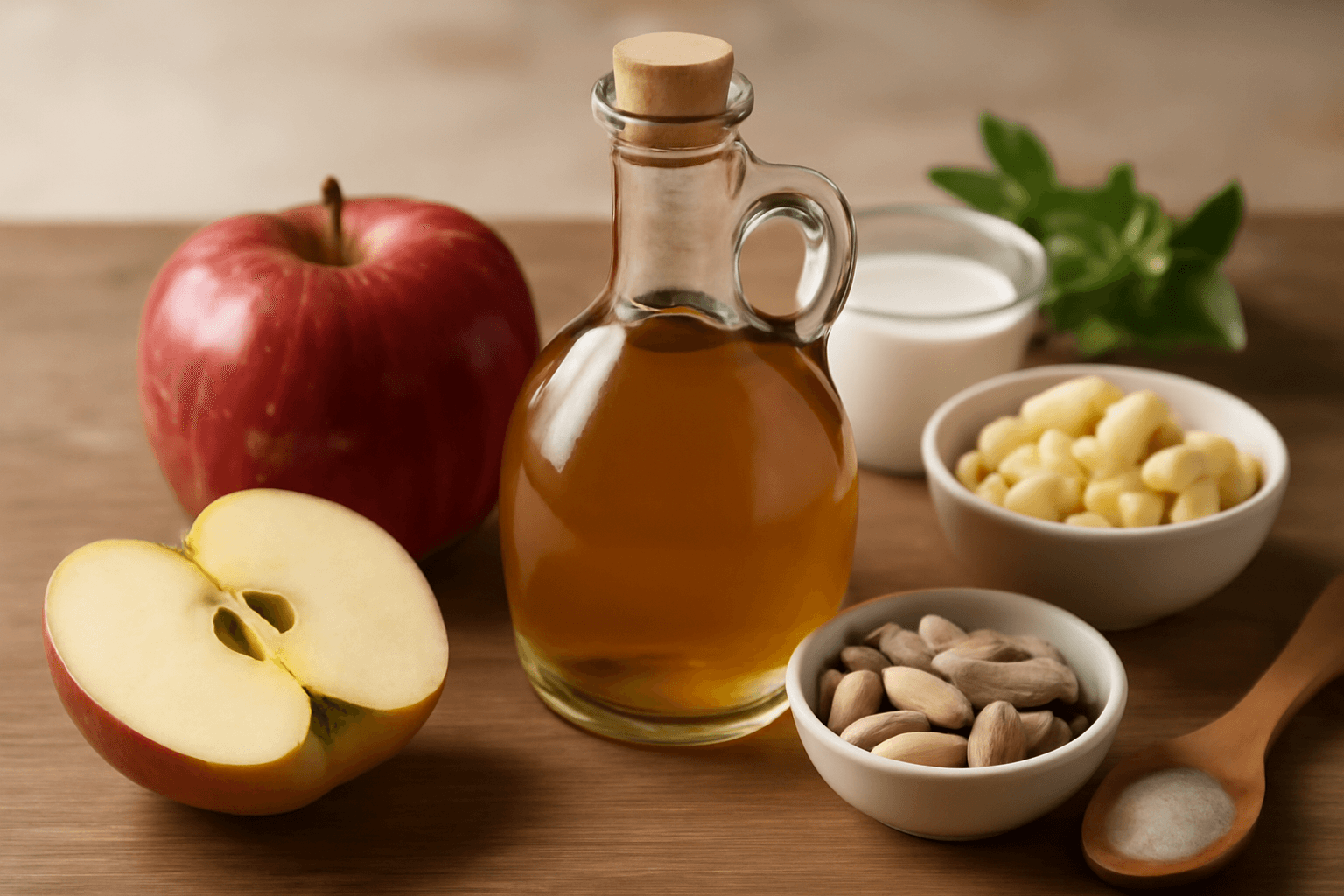
Gut health is far more than just digestion—it's a key factor that influences your overall health. Our intestines are home to approximately 100 trillion microorganisms, and the gut microbiota they create affects immunity, metabolism, and even mental health. The irregular eating habits and stress of modern life lead to an imbalance in gut bacteria, which results in digestive problems, fatigue, and weakened immunity. This article, based on advice from registered dietitians, presents specific methods to naturally improve gut health by utilizing probiotics, omega-3 fatty acids, and antioxidant-rich foods.
What is the Gut Microbiota?
The gut microbiota (microbiome) is an ecosystem of trillions of microorganisms—bacteria, viruses, and fungi—that inhabit our digestive tract. Their combined weight is 1.5 to 2 kilograms, roughly equivalent to the weight of your liver. The gut microbiota doesn't simply remain in the intestines; it affects your entire body through the bloodstream.
A healthy gut microbiota maintains a ratio of beneficial to harmful bacteria of approximately 85:15. Key beneficial bacteria include Lactobacillus, Bifidobacterium, and Bacteroides, which break down dietary fiber to produce short-chain fatty acids (SCFAs). Butyrate, in particular, serves as a primary energy source for intestinal epithelial cells and is essential for strengthening gut barrier function. The composition of gut microbiota varies based on age, diet, antibiotic use, and stress levels, and these differences directly impact individual health.
Why Gut Health Matters
The gut is often called the "second brain" because it has a complex nervous system far beyond simple digestion. The gut contains over 500 million nerve cells, a number comparable to the neurons in the brain, and these cells communicate directly with the brain. This connection is known as the gut-brain axis, and the state of your gut microbiota influences depression, anxiety, and sleep quality.
Good gut health offers numerous benefits. First, enhanced immunity. Beneficial gut bacteria produce 90% of serotonin, which regulates immune response. Second, improved nutrient absorption. A healthy gut lining absorbs necessary nutrients while blocking harmful substances. Third, improved metabolism. Gut microbiota is essential for weight management, blood sugar control, and cholesterol management. Fourth, improved mental health. Neurotransmitters produced by gut microbiota regulate mood and sleep.
What is Gut Dysbiosis?
Gut dysbiosis is an imbalanced state of the microbiota resulting from decreased beneficial bacteria and increased harmful bacteria. This isn't simply an overgrowth of "bad" bacteria; it represents a loss of microbial diversity and a breakdown in interactions between microbes. A healthy gut microbiota contains at least 1,000 different bacterial species, but this diversity drops sharply in dysbiosis.
The main causes of gut dysbiosis include the following. Antibiotic overuse is the leading cause—recovery of beneficial bacteria takes over three months after broad-spectrum antibiotic use. High-fat, high-sugar diets preferentially increase harmful bacteria. Chronic stress increases intestinal permeability and triggers inflammation. Insufficient sleep disrupts the circadian rhythm of gut microbiota. Lack of exercise is associated with decreased microbial diversity. Excessive alcohol damages the intestinal lining.
Signs and Symptoms of Gut Dysbiosis
Gut dysbiosis causes symptoms throughout the body, not just in the digestive tract. Direct digestive symptoms include chronic diarrhea or constipation, abdominal bloating, bowel sounds, abdominal pain, and acid reflux.
Systemic symptoms are even more varied. Fatigue and low energy occur when gut microbiota fails to produce sufficient short-chain fatty acids. Sleep disturbances are related to decreased serotonin production. Frequent infections from weakened immunity, worsened allergies, and skin problems (eczema, acne) are also linked to gut dysbiosis. Mood swings, anxiety, and depression suggest disruption of the gut-brain axis. Weight gain or difficulty losing weight indicates metabolic dysfunction.
If these symptoms persist for more than three weeks, it's important to see a healthcare professional. If you experience bloody stools, severe abdominal pain, or unintended weight loss, seek medical attention immediately.
10 Natural Ways to Promote Gut Health
1. Increase Dietary Fiber Intake
Dietary fiber is the primary food source for beneficial gut bacteria. You should consume 25-38 grams of fiber daily, but the average Korean intake is about 20 grams. Fiber acts as a prebiotic, promoting the growth of beneficial bacteria. Soluble fiber in particular (found in oats, barley, and apples) directly increases short-chain fatty acid production. Increase your intake gradually to minimize initial bloating.
2. Consume Probiotic Foods
Probiotics involve directly consuming live beneficial microorganisms. Regular probiotic consumption shortens diarrhea duration by 25% and reduces the risk of antibiotic-associated diarrhea by 66%. Effective probiotic strains include Lactobacillus and Bifidobacterium. However, the effects of probiotic supplements vary greatly between individuals, making food sources more reliable. Include probiotic foods in one or two meals daily.
3. Diversify Fermented Foods
The fermentation process allows microorganisms to produce metabolites that provide health benefits. Fermented foods like kimchi, miso, yogurt, kefir, and kombucha provide not only probiotics but also digestive enzymes and antioxidants. Notably, people who consume fermented foods have 37% higher gut microbiota diversity than those who don't.
4. Improve Sleep Quality
Gut microbiota follows a 24-hour circadian rhythm synchronized with your sleep-wake cycle. Insufficient or irregular sleep alters gut microbiota composition and increases intestinal permeability. Go to bed and wake up at the same time daily, sleep before 11 p.m., and aim for at least seven hours. Better sleep is one of the most powerful tools for improving gut health.
5. Manage Stress
Chronic stress increases cortisol, which loosens the tight junctions of the intestinal lining and triggers inflammation—a condition known as "leaky gut." Control stress through deep breathing, meditation, yoga, and time in nature. Just 10 minutes of daily meditation significantly increases gut microbiota diversity. Lower stress hormone levels support beneficial bacteria growth.
6. Exercise Regularly
Physical activity promotes intestinal motility and increases gut microbiota diversity. Over 150 minutes per week of moderate-intensity exercise increases beneficial bacteria by 25%. Aerobic exercise is particularly effective, and core-strengthening activities like yoga also improve gut health. Consistency matters more than intensity.
7. Drink Enough Water
Adequate hydration promotes intestinal motility and softens stool. It's recommended to drink 2-3 liters of water daily. You need more fluid during exercise or hot weather. Limit excessive caffeine, which can cause dehydration.
8. Use Antibiotics Wisely
Antibiotics should be used when necessary, but avoid unnecessary use. Complete your prescribed antibiotic course, but don't take additional doses without medical guidance. You can take probiotics while on antibiotics, but maintain at least a two-hour gap between doses.
9. Limit Sugar and Ultra-Processed Foods
Refined sugar and ultra-processed foods are primary energy sources for harmful bacteria. A high-sugar diet promotes harmful bacteria growth and causes significant changes in microbiota composition in just four days. Additives in processed foods (artificial sweeteners, emulsifiers) also damage the intestinal lining. Switch to a whole-food-based diet.
10. Consume Antioxidant-Rich Foods
Antioxidant-rich foods reduce intestinal inflammation. Polyphenol-rich foods (berries, green tea, olive oil) promote beneficial bacteria growth while reducing oxidative stress. Blueberries and cranberries are particularly high in antioxidants, and green tea polyphenols have proven effects against harmful bacteria.
8 Best Foods for Gut Health
1. Fermented Dairy Products (Yogurt, Kefir)
Greek yogurt contains twice the protein of regular yogurt and is rich in Lactobacillus and Bifidobacterium. Kefir contains 10-34 microbial species and has higher probiotic content than regular yogurt. Consuming 125 ml of yogurt daily improves digestive comfort by 30%. Choose unsweetened products.
2. Kimchi and Miso
Kimchi is a traditional Korean food that enhances gut health. Lactobacillus multiplies during fermentation, and garlic and chili peppers provide additional antioxidants. Miso supplies protein, isoflavones, and probiotics. Consuming 3 tablespoons of fermented food daily reduces inflammation markers by 20%.
3. Oats and Barley
Oats and barley contain beta-glucan, a soluble dietary fiber. Beta-glucan directly promotes short-chain fatty acid production and increases satiety. 3 grams of daily beta-glucan can reduce cholesterol by up to 10%. Consume as oatmeal, barley rice, or barley tea.
4. Apples
Pectin in apples is a prime example of prebiotic fiber. One medium apple provides about 4 grams of dietary fiber. Pectin is concentrated in the skin, so eat apples with the skin on. Regular apple consumption increases beneficial bacteria by 45%.
5. Perilla Leaves and Asparagus
Perilla leaves are rich in prebiotic compounds and antioxidants. Asparagus's inulin specifically promotes Bifidobacterium growth. Since heating reduces inulin, eat asparagus raw or lightly cooked.
6. Berries (Blueberries, Raspberries)
Berries are abundant in polyphenols like anthocyanins and anthocyanidins. Consuming 200 grams of blueberries daily increases antioxidant capacity by 25% after eight weeks. Berries also strengthen intestinal tight junctions and reduce inflammation. Frozen berries have similar nutritional value to fresh ones.
7. Alaska Salmon
Salmon is an excellent source of omega-3 fatty acids (EPA and DHA). Omega-3 reduces intestinal inflammation, improves gut barrier function, and promotes beneficial bacteria growth. Consuming 100 grams of fatty fish twice weekly significantly increases gut microbiota diversity. Cold-water fish (salmon, mackerel, sardines) contain more omega-3.
8. Raw Garlic
Allicin in raw garlic is a powerful antimicrobial compound that inhibits harmful bacteria while promoting beneficial bacteria. Cooked garlic has benefits too, but raw garlic is more effective. One to two cloves of raw garlic daily is recommended. If your stomach is sensitive, crush the garlic and let it sit for 15 minutes to allow the enzyme alliinase to convert it to allicin before consuming.
Summary
Gut health is the foundation of long-term health investment. The balance of your gut microbiota influences far more than digestion—it affects immunity, mental health, metabolism, and sleep quality.
Key takeaways include:
- Fiber intake: At least 25-38 grams daily, gradually increasing from diverse plant-based foods
- Probiotics and prebiotics: Consume fermented foods along with diverse dietary fiber
- Lifestyle improvements: At least 7 hours of sleep, 150 minutes of weekly exercise, stress management
- Food choices: Prioritize antioxidant-rich foods and limit ultra-processed foods and sugar
- Omega-3: Reduce inflammation with fatty fish twice weekly
- Respect individual differences: Not all probiotics work for everyone, so observe your response and adjust accordingly
Improvements in gut health typically appear after 4-8 weeks of consistent effort. Rather than expecting immediate results, pursue gradual change.
⚠️ When to Seek Professional Medical Advice: Visit a healthcare facility if you have chronic digestive symptoms (diarrhea or constipation lasting more than 3 weeks), unintended weight loss, bloody stools, severe abdominal pain, or food intolerances. If you've been diagnosed with IBS, IBD, or celiac disease, personalized guidance from a registered dietitian or doctor is important. Consult a healthcare professional before taking probiotic supplements if you're on antibiotics or have compromised immunity.
Your gut health is your overall health. Small changes in diet and lifestyle habits accumulate to create long-term wellness.