Male fertility is an important indicator that reflects overall health status, extending far beyond reproductive capacity alone. Sperm quality and motility are directly influenced by nutritional status, lifestyle habits, and environmental factors, and improving these elements naturally enhances fertility as well. This article provides detailed information about scientifically-backed supplements and foods, as well as lifestyle improvements that can enhance male fertility.
Why Is Sperm Health Important for Male Fertility?
Sperm quality is evaluated by three key indicators: concentration (count), motility (activity), and morphology (shape). Healthy sperm concentration should be at least 15 million per milliliter, and at least 40% of all sperm should move in the forward direction for high pregnancy potential. Since sperm is highly vulnerable to oxidative stress, nutrients rich in antioxidants are essential.
The sperm formation process takes approximately 74 days, so today's nutritional intake determines sperm quality three months from now. Therefore, consistent dietary management and supplement intake are very important. In particular, testicular temperature management, improved blood flow, and hormonal balance directly affect sperm production.
7 Natural Ways to Boost Male Fertility
1. Maintain a Healthy Weight
Obesity lowers testosterone levels and reduces sperm quality. Men with a BMI of 25 or higher have sperm concentrations 24% lower than men of normal weight. Simply losing 5-10% of body weight through regular exercise can significantly improve sperm quality.
2. Exercise Regularly
Moderate-intensity exercise for 30 minutes or more, 3-4 times per week, increases testosterone and improves sperm motility by 20%. Aerobic exercises like walking, swimming, and cycling are more effective than heavy anaerobic exercises.
3. Reduce Stress
Chronic stress elevates cortisol levels, which suppresses testosterone. Meditation, yoga, and deep breathing exercises help improve sperm concentration.
4. Regulate Testicular Temperature
Since excessive heat interferes with sperm production, limit very hot baths and saunas, and wear loose-fitting clothing rather than tight underwear.
5. Get Adequate Sleep
7-9 hours of quality sleep maintains hormonal balance and improves sperm production capacity.
6. Limit Caffeine
Consuming more than 300mg of caffeine per day can reduce sperm motility.
7. Stay Hydrated
Drinking 2-3 liters of water daily maintains proper semen viscosity and enhances sperm activity.
Lifestyle Habits That Impact Male Fertility
Smoking is the most harmful habit, damaging sperm DNA and reducing concentration by more than 30%. Sperm quality begins to improve within three months of quitting.
Excessive alcohol consumption (more than 14 drinks per week) interferes with testosterone production and increases sperm morphology abnormalities. Moderate drinking of 1-2 drinks per day or less does not significantly impact fertility.
Prolonged sitting worsens blood circulation around the testicles. Even during work, stretch for about 5 minutes every hour and increase standing time.
Cycling puts pressure on the perineum, so a wide seat and proper height adjustment are important. Cycling more than 4 hours per week is associated with reduced sperm quality.
Environmental Toxins Impact Fertility
Bisphenol A (BPA) is found in plastic containers and the interior coating of cans, acting as an endocrine disruptor that reduces sperm concentration. Use glass or stainless steel containers whenever possible.
Exposure to pesticides and herbicides increases sperm DNA damage. Protective equipment is essential, especially for agricultural workers or those working near pesticides. Choosing organic foods also helps.
Heavy metals like lead, cadmium, and mercury suppress sperm production. Avoid contaminated water, drink filtered water regularly, and check mercury content when consuming fish.
Research has reported that exposure to electromagnetic waves from mobile phones and laptops can reduce sperm quality. Avoid keeping your phone in your pants pocket for extended periods, and maintain distance from routers.
Foods That Improve Sperm Health to Optimal Levels
Tomatoes
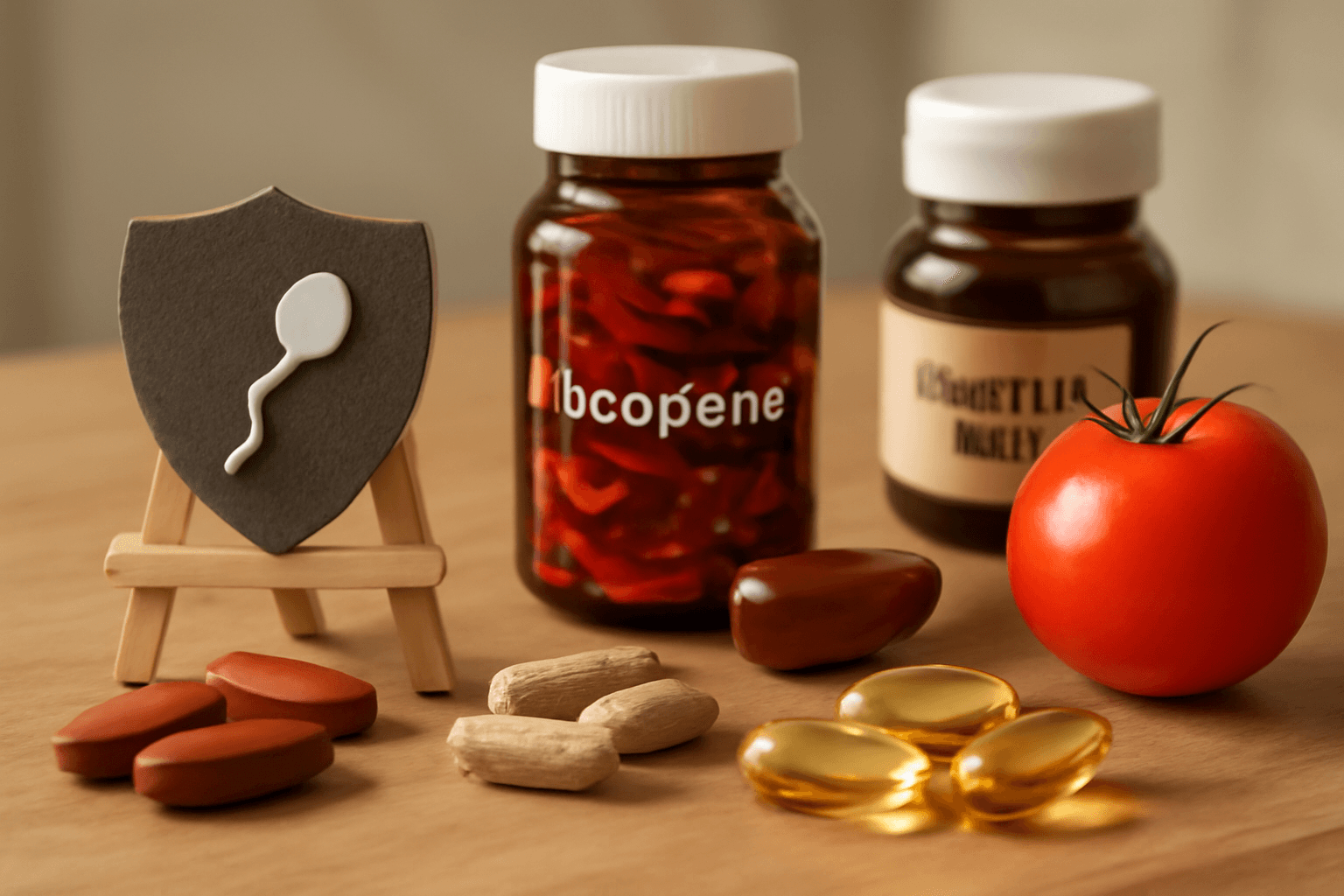
Lycopene found in tomatoes is a powerful antioxidant that reduces sperm DNA damage by 33%. Cooked tomato products (tomato sauce, tomato paste) contain more than three times the lycopene of fresh tomatoes. Consumption 2-3 times per week is recommended.
Oysters and Seafood
Oysters are the richest food source of zinc, with six oysters containing over 600% of the daily recommended amount. Zinc is essential for testosterone production and sperm motility.
Dark Chocolate
L-arginine found in cocoa promotes blood vessel dilation, increasing blood flow to the reproductive organs. Consume products with 70% or higher cocoa content at about 30g per day.
Nuts and Seeds
Arginine and selenium in almonds, walnuts, and sunflower seeds improve sperm motility. A daily handful (about 30g) is recommended.
Fatty Fish
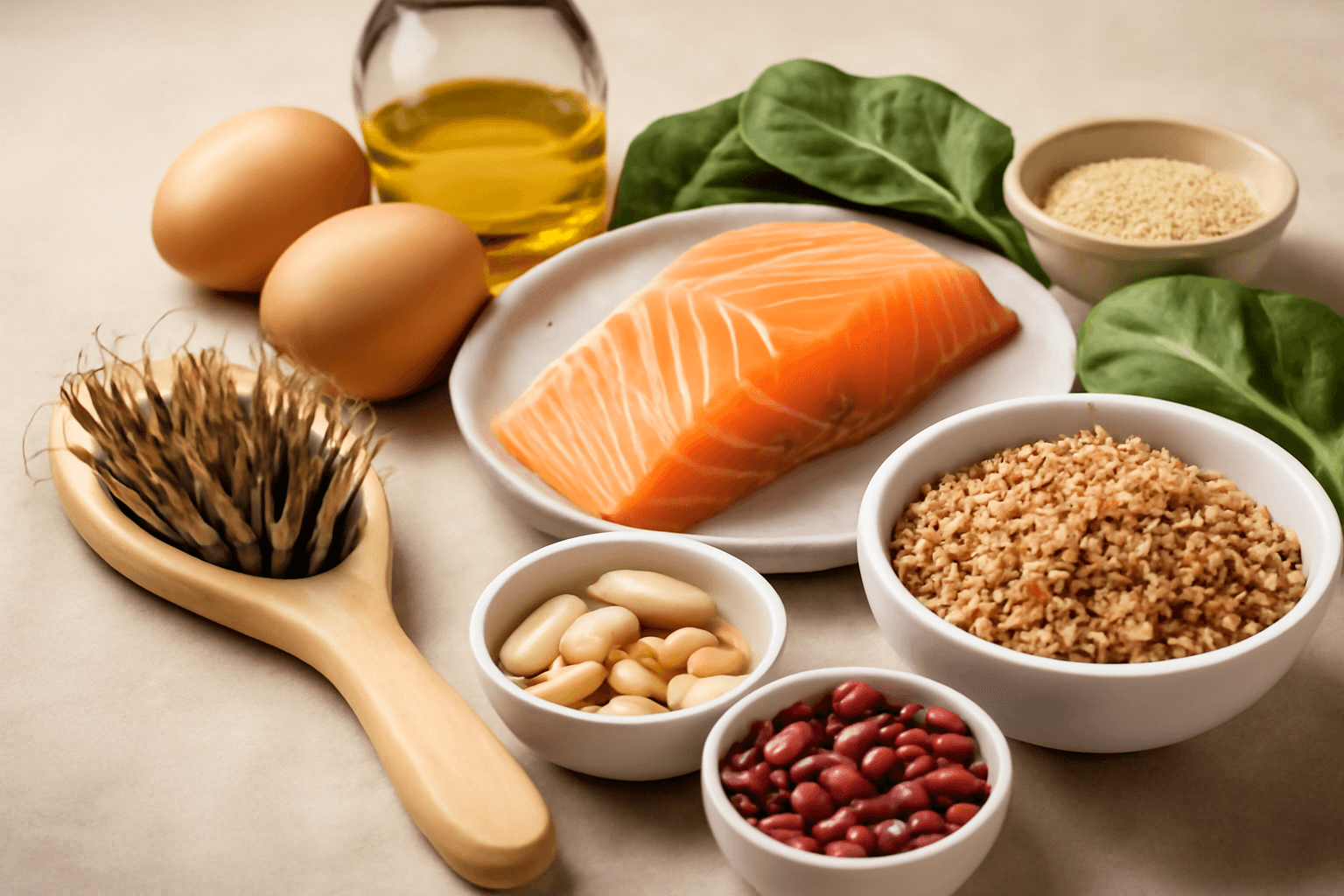
Omega-3 fatty acids in salmon, mackerel, and sardines improve sperm cell membrane fluidity and reduce inflammation. Consumption 2-3 times per week is appropriate.
Pomegranate
Pomegranate juice improves blood flow and reduces oxidative stress. Research shows that regular consumption for three months improved sperm motility by 24%.
Spinach and Kale
Rich in folate and iron, they support DNA synthesis necessary for sperm production. Consume raw or lightly blanched to preserve maximum nutritional value.
Top Supplements to Strengthen Male Fertility
Zinc Supplement
Zinc is the most important mineral for sperm production. Deficiency decreases both sperm concentration and testosterone. The daily recommended amount is 11mg. When taking supplements, avoid exceeding 25-30mg. Excessive intake interferes with copper absorption and weakens immunity.
Selenium
Selenium is essential for sperm tail formation and acts as a powerful antioxidant. Consuming the daily recommended amount of 55mcg improves sperm motility. Overdosing (400mcg or more) can cause toxicity, so caution is needed.
Vitamin C
Oxidative stress is a major cause of sperm DNA damage, and vitamin C neutralizes it. Smokers have especially increased vitamin C requirements, so smoking men are advised to consume 1,000mg daily. Since vitamin C is acidic, taking it after meals can reduce stomach irritation.
Vitamin E
Vitamin E is a powerful fat-soluble antioxidant that protects cell membranes. It prevents lipid peroxidation in sperm and can improve sperm motility by 30%. Avoid exceeding the daily recommended amount of 15mg.
Vitamin B9 (Folate)
Folate is essential for sperm DNA synthesis and cell division. Deficiency can increase sperm DNA abnormalities. Consuming the daily recommended amount of 400mcg through food or supplements may improve sperm concentration.
Vitamin D
Vitamin D deficiency is strongly associated with male infertility. If sun exposure is limited or you live at high latitudes, a daily supplement of 1,000-2,000IU is recommended. Maintain blood vitamin D levels at 30ng/mL or higher. Excessive intake (4,000IU or more long-term) can cause toxicity.
Omega-3 Fatty Acids
Omega-3 improves sperm cell membrane fluidity and reduces inflammation. Choose a product containing 500mg each of EPA and DHA, and take 1,000-2,000mg daily to improve sperm motility. If taking blood-thinning medications, consult your doctor.
L-Arginine
L-arginine promotes nitric oxide production, dilating blood vessels and increasing blood flow to the reproductive organs. Daily intake of 2,500-5,000mg can improve sperm concentration and motility. Combined supplementation with other nutrients is more effective than taking it alone.
Carnitine
Carnitine promotes energy production in sperm. Research shows that 2,000-3,000mg daily improves sperm concentration and motility. It may be particularly helpful when sperm motility is low.
Precautions When Taking Supplements
When taking multiple supplements simultaneously, consider potential interactions. Zinc and iron compete for absorption, so it's best to take them separately. Begin taking all supplements three months before attempting to conceive so they can affect the entire sperm production cycle. If you have underlying medical conditions or are taking medications, be sure to consult with healthcare professionals before taking supplements.
Summary: Key Points for Improving Male Fertility
Lifestyle Improvements: Quit smoking, limit alcohol, exercise regularly, manage stress, get adequate sleep
Diet Management: Regular intake of sperm-health foods including lycopene (tomatoes), zinc (oysters), omega-3 (fish), and antioxidants (berries, nuts)
5 Essential Supplements: Zinc, selenium, vitamin C, vitamin E, vitamin D
Environmental Improvements: Avoid BPA, limit heavy metal exposure, manage testicular temperature
Professional Consultation: If no improvement occurs after 3 months or more of effort, urology consultation is needed
Male fertility cannot be improved overnight. Since sperm formation takes 74 days, a minimum of 3-6 months of consistent effort is required. If it's difficult to obtain sufficient nutrition from food alone, use supplements, but avoid overdosing and seek guidance from medical professionals. Combined lifestyle improvements and systematic nutritional management can enhance fertility with a high success rate.