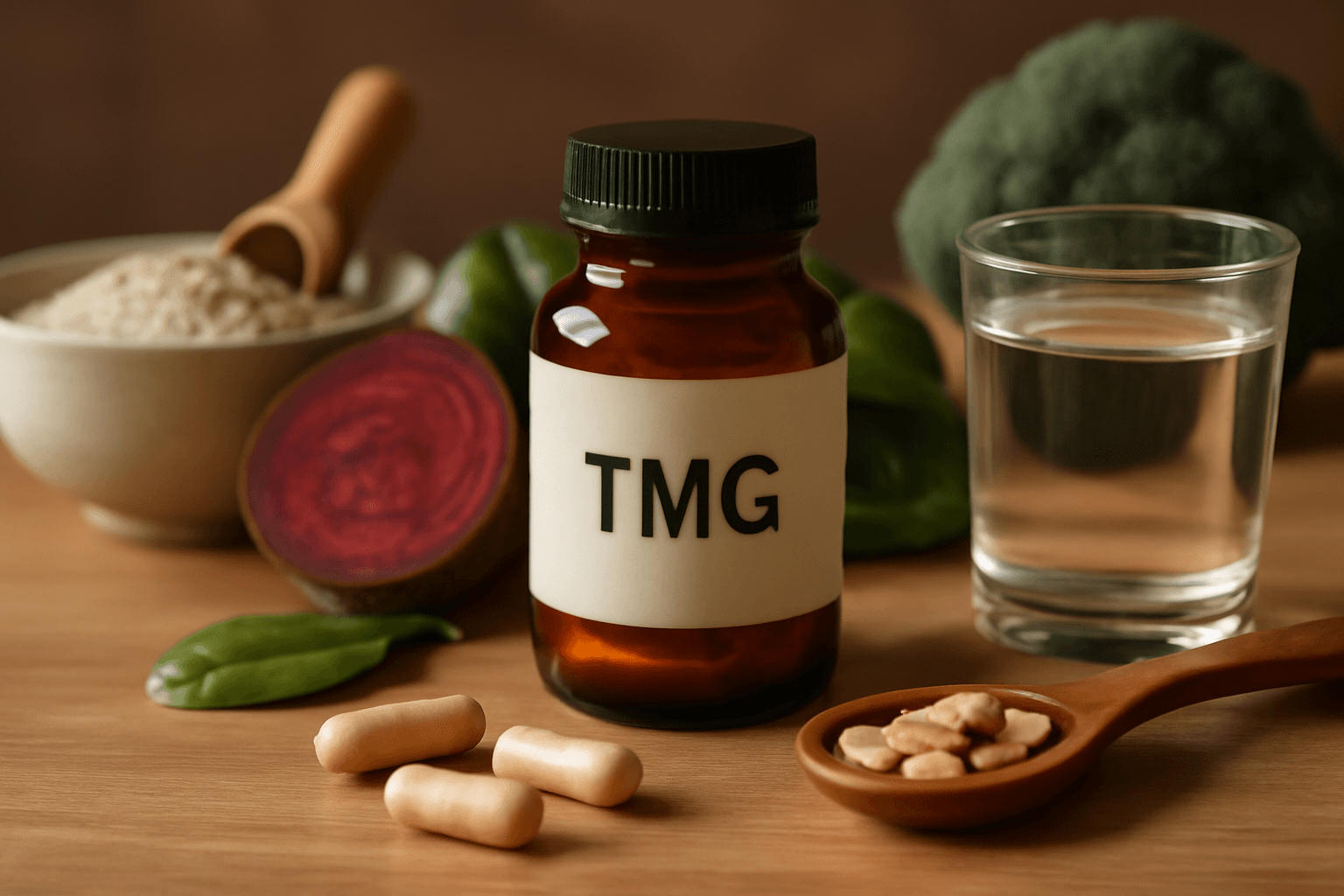
TMG (Trimethylglycine) is an amino acid derivative also known as betaine, and it is an important nutrient that supports the body's methylation process. Recently gaining attention in the health supplement market, TMG affects various physiological functions including protein synthesis, blood sugar management, heart health, and stress relief. In this article, we will comprehensively examine TMG from its definition to its practical benefits, food sources, and safe usage methods.
What is TMG?
TMG is a derivative of the amino acid glycine and is also called betaine or trimethylglycine. This substance naturally exists in plants such as beets, spinach, broccoli, and legumes, and is also found in animal tissues. Within the human body, TMG plays an essential role as a methyl donor in lowering homocysteine levels.
Methylation is a very important biochemical process in the body. Without this process, DNA synthesis, neurotransmitter production, and energy production cannot occur properly. TMG primarily works in the liver and kidneys, and when needed, it is converted to L-carnitine and creatine, providing additional health benefits.
While there is no clearly established daily recommended intake, supplementation in the 500mg to 2,000mg range is generally considered safe. TMG is a water-soluble substance that does not accumulate in the body, so excess intake is excreted through urine.
Benefits of TMG
Reduced Homocysteine Levels and Heart Health
The most well-known benefit of TMG is lowering homocysteine levels. Homocysteine is a type of amino acid that, when elevated in the blood, can lead to damage to blood vessel linings, blood clot formation, and increased risk of atherosclerosis. According to research from the American Heart Association, people with blood homocysteine levels of 15 μmol/L or higher have more than three times the risk of heart disease compared to those with normal levels (10 μmol/L or less).
TMG reduces this risk by promoting the conversion of homocysteine to methionine. In one study, participants who took 6g of TMG daily for 12 weeks experienced approximately 20% reduction in homocysteine levels, and simultaneous improvement in blood vessel function was confirmed. This is a particularly important finding for people with a history of high blood pressure, high cholesterol, or diabetes.
Enhanced Exercise Performance and Muscle Strength
TMG improves muscle energy production by promoting creatine synthesis. Creatine is a substance that aids ATP (energy) resynthesis in muscle cells, enhancing strength and endurance during high-intensity exercise. In a study published in the Journal of Sports Nutrition, athletes who took TMG supplements for 6 weeks increased their maximum strength during squats by 5% and recovered from muscle fatigue more quickly.
These effects are particularly beneficial for people engaged in resistance training. Additionally, TMG helps the body synthesize L-carnitine, contributing to increased fat oxidation and energy efficiency.
Improved Liver Function
TMG is essential for methylation reactions in the liver and plays an important role in maintaining liver health. The liver is the body's primary detoxification organ, and this process requires sufficient methyl donors. In clinical trials with patients with non-alcoholic fatty liver disease (NAFLD), TMG supplementation decreased liver enzyme levels (ALT, AST) by 15-25% respectively, and ultrasound examination showed a marked reduction in liver fat accumulation.
Particularly in cases of liver damage caused by alcohol consumption, obesity, or metabolic syndrome, TMG can help with liver cell regeneration and reduce oxidative stress.
Blood Sugar Management and Insulin Sensitivity
TMG improves insulin signaling through the methylation process. According to research in the American Journal of Clinical Nutrition, when patients with prediabetic type 2 diabetes took 1,500mg of TMG daily for 3 months, their fasting blood glucose decreased by an average of 8%, and the HOMA-IR index (an insulin resistance indicator) improved by 12%.
This effect occurs because TMG activates enzymes involved in glucose metabolism and appropriately regulates glucose production in the liver (gluconeogenesis). It can be particularly helpful for people with insulin resistance caused by obesity or sedentary lifestyle.
Digestive and Gut Health
TMG acts as a methyl donor necessary for maintaining the integrity of intestinal epithelial cells. A healthy intestinal epithelium functions as a defense mechanism preventing the invasion of harmful substances and bacteria, and TMG deficiency can worsen this "leaky gut" condition. In animal studies, TMG supplementation increased tight junction protein expression in the intestinal mucosa and decreased inflammatory markers (IL-6, TNF-α).
Additionally, TMG acts as a substrate supporting microbial balance in the gut, promoting the growth of beneficial bacteria. This positively impacts immune function, digestive efficiency, and even mental health (the gut-brain axis).
Antioxidant and Stress Management
While not a direct antioxidant, TMG indirectly strengthens antioxidant defense by promoting glutathione synthesis. Glutathione is one of the body's most powerful antioxidants and prevents cell damage from oxidative stress.
Oxidative stress is a major cause of chronic inflammation, premature aging, and neurodegenerative diseases. Participants taking TMG supplements showed approximately 18% reduction in blood 8-OHdG (oxidative stress marker) levels, while simultaneously reporting improved skin elasticity and reduced subjective fatigue. Additionally, TMG helps regulate cortisol (stress hormone) levels and enhances nervous system stability.
Neuroprotection and Cognitive Function
The methylation process is essential for neurotransmitter synthesis. Dopamine, serotonin, and norepinephrine all require methyl donors, and TMG deficiency can lead to mood instability, reduced concentration, and lack of motivation. In neuroscience research, TMG was shown to enhance cognitive function, memory, and learning ability by improving the brain's methylation capacity.
Additionally, by lowering homocysteine levels, TMG reduces neurotoxicity and improves cerebral blood flow. This is also associated with reduced risk of neurodegenerative diseases such as Alzheimer's and Parkinson's.
Foods Rich in TMG
TMG can be adequately obtained through food. The following are major foods with high TMG content:
- Beets: Approximately 630mg per 100g - the richest natural source of TMG
- Spinach: Approximately 600mg per 100g - highest content in fresh raw state
- Broccoli: Approximately 130mg per 100g
- Legumes (lentils, chickpeas): Approximately 50-80mg per 100g
- Whole grains (oats, barley): Approximately 20-40mg per 100g
- Seafood (oysters, shrimp): Approximately 100-200mg per 100g
- Eggs: Approximately 130mg per egg
- Milk and dairy products: Approximately 50mg per 100ml
TMG intake through food is absorbed slowly and consistently, which is a more natural approach than supplements. However, since it is difficult to consume all of these foods adequately with modern eating habits, supplement use can be considered when there are specific health goals or suspected deficiency.
Cooking methods affect TMG content. Beets and spinach have the highest TMG content in their raw state, and heating can result in approximately 20-30% loss. Therefore, consuming them in salad or juice form is more efficient.
TMG Supplement Side Effects and Considerations
Common Side Effects
TMG is a water-soluble nutrient that is safe for most people, and serious side effects are rare. However, the following mild symptoms may occur:
- Digestive discomfort: Abdominal bloating, indigestion - particularly possible at high doses (2,000mg or more)
- Skin odor: TMG is metabolized into trimethylamine, and this substance can cause a "fishy smell" on the skin or breath. This is a symptom related to TMAU (trimethylaminuria) and improves with dose reduction
- Nausea: Can occur when taking high doses on an empty stomach
- Headaches: Rarely reported in some sensitive individuals
Precautions for Specific Populations
Pregnant and nursing women: Since there is currently insufficient safety research, avoid using supplements without guidance from a healthcare professional. Natural intake through food is safe.
People with kidney disease: If kidney function is significantly impaired, consultation with a specialist is essential to avoid metabolite accumulation.
People with liver disease: If there is cirrhosis or severe liver damage, approval from a physician is required before taking TMG. Mild fatty liver disease is actually a candidate for TMG use.
People with TMAU (trimethylaminuria): People with this genetic disorder should limit TMG intake.
Drug Interactions
TMG generally has few interactions with medications, but caution is needed in the following cases:
- Vitamin B12 or folate supplements: TMG, B12, and folate all use the same methylation pathway. When taken together, over-methylation can occur, so balanced dosing is necessary.
- Anticoagulants (warfarin, etc.): TMG may have a slight effect on blood clotting by reducing homocysteine, so dose adjustment may be needed.
- Diabetes medications: Since TMG can lower blood sugar, blood glucose monitoring is necessary when taken with insulin or oral blood glucose-lowering agents.
Optimal Intake Method
Recommended dosage: 500-2,000mg daily is effective for most health benefits. When targeting treatment of specific conditions, clinical studies used doses of 3,000-6,000mg.
Timing: Since TMG dissolves quickly in water, it can be taken at any time. However, to minimize digestive discomfort, it is best to take it with meals.
Dose escalation: It is advisable to start with 500mg and increase by 250mg every 1-2 weeks to monitor body adaptation.
Timeline for results: Most health benefits appear after 4-8 weeks of consistent use. Objective markers such as homocysteine reduction can be confirmed through blood tests after 8-12 weeks.
Consultation with Healthcare Professionals
Before starting TMG supplementation, especially if you have existing conditions or are taking medications, be sure to consult with a doctor or registered dietitian. Appropriate dosage and safety vary depending on individual health status, genetic factors, and medication history.
Summary
TMG (trimethylglycine) is an important nutrient supporting the body's methylation process and provides various health benefits:
- Heart health: Reduces homocysteine levels by 20% and improves blood vessel function.
- Exercise performance: Promotes creatine synthesis, enhancing strength and endurance by 5%.
- Liver health: Reduces liver enzymes in fatty liver disease by 15-25%.
- Blood sugar management: Reduces fasting blood glucose by 8% and improves insulin sensitivity by 12%.
- Gut health: Maintains the integrity of intestinal epithelial cells and supports beneficial microorganism growth.
- Antioxidant: Promotes glutathione synthesis and reduces oxidative stress by 18%.
- Neurological health: Supports neurotransmitter synthesis and enhances cognitive function.
Natural intake through foods such as beets, spinach, seafood, and eggs is the first choice, but daily supplementation of 500-2,000mg is effective when there are specific health goals or suspected deficiency. TMG is generally safe, but should be avoided by pregnant women, those with kidney disease, and TMAU patients, and pre-consultation with a healthcare professional is recommended to avoid drug interactions. Health benefits can be experienced after 4-8 weeks of consistent supplementation, and a personalized approach tailored to individual health status and goals is most effective.