The perfect smoothie is not simply blending fruit in a mixer. Nutritional balance is essential—one that considers blood sugar management, protein intake, and antioxidants. This guide presents a five-step method to create a true "nutritional beverage" that you can enjoy with every meal. From selecting basic ingredients to advanced supplements, it contains practical advice validated from a professional nutritionist's perspective.
1. Choosing Basic Ingredients: The Right Combination of Fruits and Vegetables
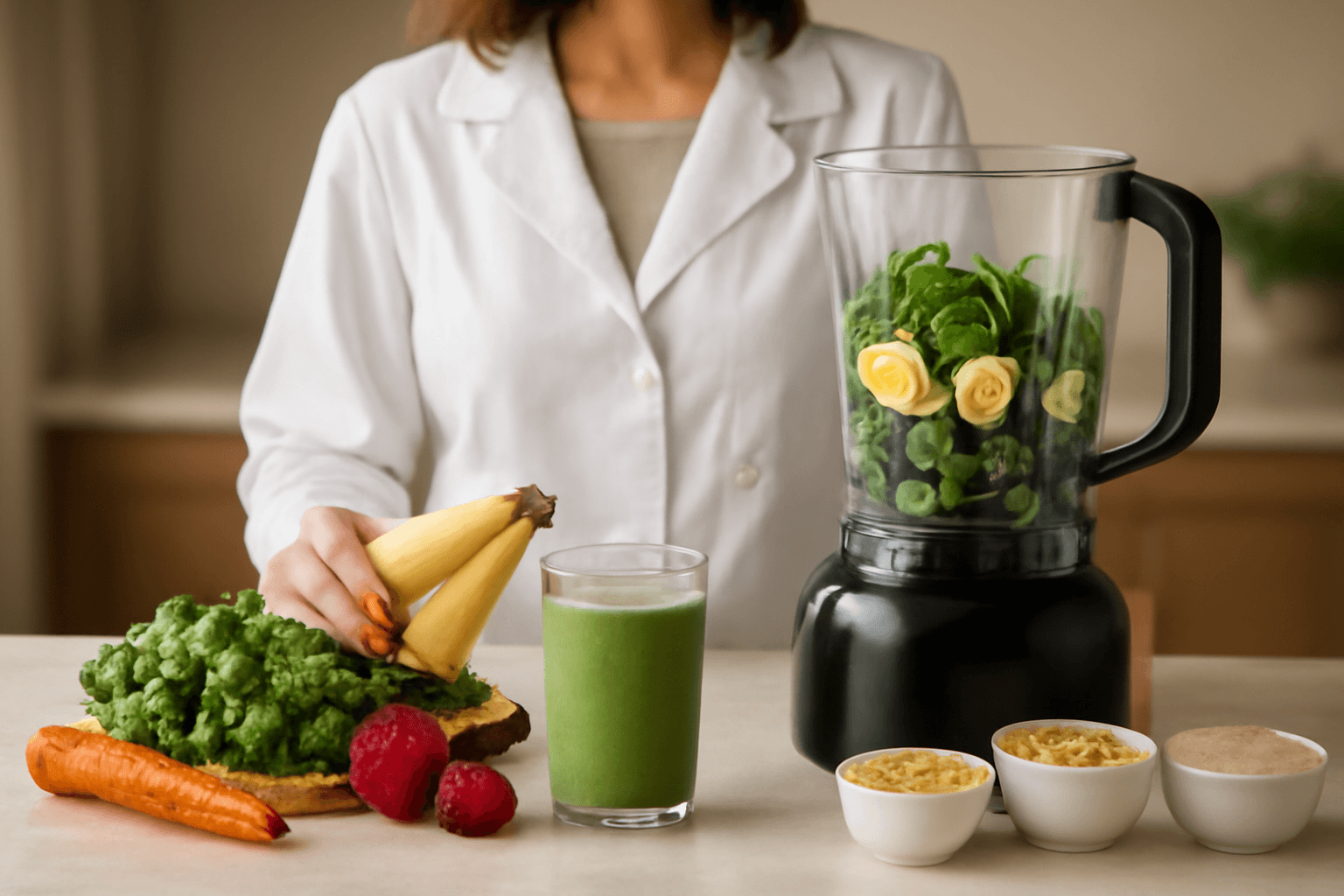
Selecting fruits and vegetables that form the foundation of your smoothie should account for glycemic index (GI). While bananas are familiar, berries (blueberries, strawberries, raspberries) are optimal for a well-rounded smoothie. They contain an average of 50–100 mg of anthocyanins per 100g, providing powerful antioxidant benefits.
Choose dark leafy greens such as spinach or kale for your vegetables. These are rich in vitamin K, with one cup (approximately 30g) of raw spinach containing about 141 mcg of vitamin K. Orange and red vegetables like carrots and beets provide beta-carotene and lycopene, which prevent cellular damage.
Recommended Basic Formula:
- Berries 50–70g (low glycemic index)
- A handful of dark leafy greens (approximately 30g)
- Half a ripe banana (for satiety and creamy texture)
- A handful of carrots or beets (for color and nutrition)
Caution: Tropical fruits (mango, pineapple) are high in natural fructose (12–16g per 100g) and can rapidly elevate blood sugar if consumed excessively. If you have existing diabetes, consult your doctor before consumption.
2. Choosing Protein: The Key to Muscle and Satiety
In a smoothie, protein is not merely a nutrient—it's essential for maintaining satiety and stabilizing blood sugar. Research shows that people who drink protein-rich beverages experience 37% lower hunger signals until their next meal compared to those who don't.
Protein Source Comparison:
- Greek yogurt: 10–12g protein per 100g, provides additional satiety
- Regular yogurt: 3–4g protein per 100g, easier to digest
- Soy milk: 8–10g protein per 240ml, contains omega-3 (derived from soybeans)
- Protein powder: 25–30g protein per scoop, rapid absorption
- Egg whites: 3.6g protein per egg, pure protein
When selecting protein powder, whey protein is recommended. It has the most complete amino acid profile, and its leucine content—essential for muscle recovery—is high at 11g per 100g. If you have dairy intolerance, blending pea protein or rice protein can supplement your amino acid spectrum.
Daily Recommendation: You need 1.6–2.2g of protein per kilogram of body weight. For someone weighing 70kg, consuming 20–25g of protein per smoothie is ideal.
3. Fat is an Essential Nutrient: Omega-3 and Satiety
The belief that low-fat diets are healthy has already been scientifically disproven. Healthy fats are essential for hormone production, vitamin absorption, and brain health. Adding fat to your smoothie slows protein absorption, helping you feel full longer.
Optimal Fat Sources:
- Flaxseed: 2.3g alpha-linolenic acid (ALA, plant-based omega-3) per tablespoon (10g)
- Chia seeds: 2.7g omega-3 per tablespoon, 5g soluble dietary fiber
- Nut butter: 8g monounsaturated fat per 2 tablespoons, contains vitamin E
- Coconut oil: 12g medium-chain fatty acids per tablespoon, provides quick energy
- Avocado: 6.7g monounsaturated fat per half, rich in potassium
Omega-3 rich flaxseed and chia seeds have been proven to reduce blood triglycerides and lower LDL cholesterol. In a 12-week clinical study, a group consuming 25g of flaxseed daily experienced an average 18% reduction in triglycerides.
Recommended Amount Per Smoothie: Limit fat to 10–15g (90–135 kcal), keeping it within 20–35% of your total daily energy intake.
4. Adding Health Supplements: Immunity and Antioxidants
Smoothies allow you to customize them to meet specific health goals through additional supplements. However, indiscriminate additions can lead to vitamin overdose, so caution is necessary.
Immunity Boost (Cold Season):
- Cordyceps: 500–1,000mg daily, promotes energy
- Ginger powder: 1–2g, anti-inflammatory effect
- Turmeric: 1/2–1 teaspoon, contains curcumin to reduce inflammation
Antioxidant Enhancement:
- Beet powder: 1 tablespoon, contains nitrates to improve blood pressure
- Cocoa powder: 2 tablespoons, 250mg polyphenols
- Spirulina: 1–2g, concentrated chlorophyll and antioxidants
Adding Collagen: Collagen peptides, a recent health trend, effectively improve skin elasticity when consumed at 10g daily. In a 4-week randomized controlled trial, the collagen supplementation group experienced a 28% increase in skin moisture content. However, collagen is not a protein source, so use it alongside other proteins.
Caution: If you're taking blood thinners, avoid high-dose turmeric. If you have thyroid disease, don't over-consume cruciferous vegetables (kale, broccoli). Consult your doctor before adding any supplements.
5. Choosing Liquid: Balancing Taste and Nutrition
The base liquid of your smoothie determines your final nutritional profile. Choosing solely for taste is easy to miss hidden sugars and calories.
Liquid Comparison by Nutrition (240ml basis):
- Water: 0 calories, 0g sugar (most neutral)
- Unsweetened almond milk: 30 kcal, 0g sugar, 1g protein
- Low-fat milk: 100 kcal, 12g lactose, 8g protein, 300mg calcium
- Unsweetened coconut drink: 45 kcal, 1g sugar, 0.5g protein
- Unsweetened oat drink: 60 kcal, 0g sugar, 2g protein
- Yogurt drink: 150–200 kcal, 20–25g sugar (highest)
Optimal Choice: A blend of 200ml unsweetened milk and 100ml water provides the best balance. This gives you about 100 kcal and 6g protein from the liquid while minimizing blood sugar burden.
If you plan to drink your smoothie right after yoga or exercise, consider white milk or natural fruit juice to ensure quick absorption of simple sugars. For muscle recovery, the optimal ratio of protein to carbohydrates is 1:3 or 1:4 within 30 minutes of exercise.
6. Unleashing Creativity: Seasonal Recommended Recipes
Spring/Summer Energy Boost:
- 100g strawberries + 150g Greek yogurt + 1 tablespoon flaxseed + 150ml unsweetened almond milk + a handful of fresh mint leaves
- Nutritional Profile: 20g protein, 4g fat, 5g fiber, 220 calories
Fall/Winter Immunity Boost:
- 80g blueberries + 30g spinach + 150g Greek yogurt + 1/4 teaspoon turmeric + 1/2 teaspoon ginger + 150ml milk + 1 teaspoon coconut oil
- Nutritional Profile: 18g protein, 6g fat, high antioxidants, 240 calories
Post-Workout Recovery Smoothie:
- 1 banana + 50g blueberries + 25g whey protein powder + 240ml milk + 1 tablespoon nut butter
- Nutritional Profile: 40g protein, 45g carbohydrates, 8g fat, 380 calories (ideal post-exercise)
You can make smoothies with different combinations every day. By using seasonal fruits and vegetables, you can achieve maximum nutrition and freshness simultaneously.
Summary: 5 Essential Checklist Items for the Perfect Smoothie
When combining all elements, a truly healthy smoothie must include these five essentials:
- 20–30g protein: Essential for maintaining satiety and muscle health. Choose Greek yogurt, soy milk, or protein powder
- Low glycemic index fruits/vegetables: Berries and dark leafy greens are top priority. Prevents rapid blood sugar spikes
- Healthy fat 10–15g: Omega-3 rich nuts, flaxseed, or avocado supports satiety and hormonal health
- Optional supplements: Turmeric, ginger, spirulina, etc., enhance immunity and antioxidant capacity (avoid overdose)
- Liquid calorie management: Base on unsweetened milk to minimize hidden sugars
Final Advice: The perfect smoothie varies based on individual health goals, physical condition, and existing health conditions. If you have diabetes, kidney disease, digestive issues, or are taking certain medications, consult a nutritionist or doctor to develop a customized recipe. A smoothie complements a healthy diet but cannot replace balanced meals.