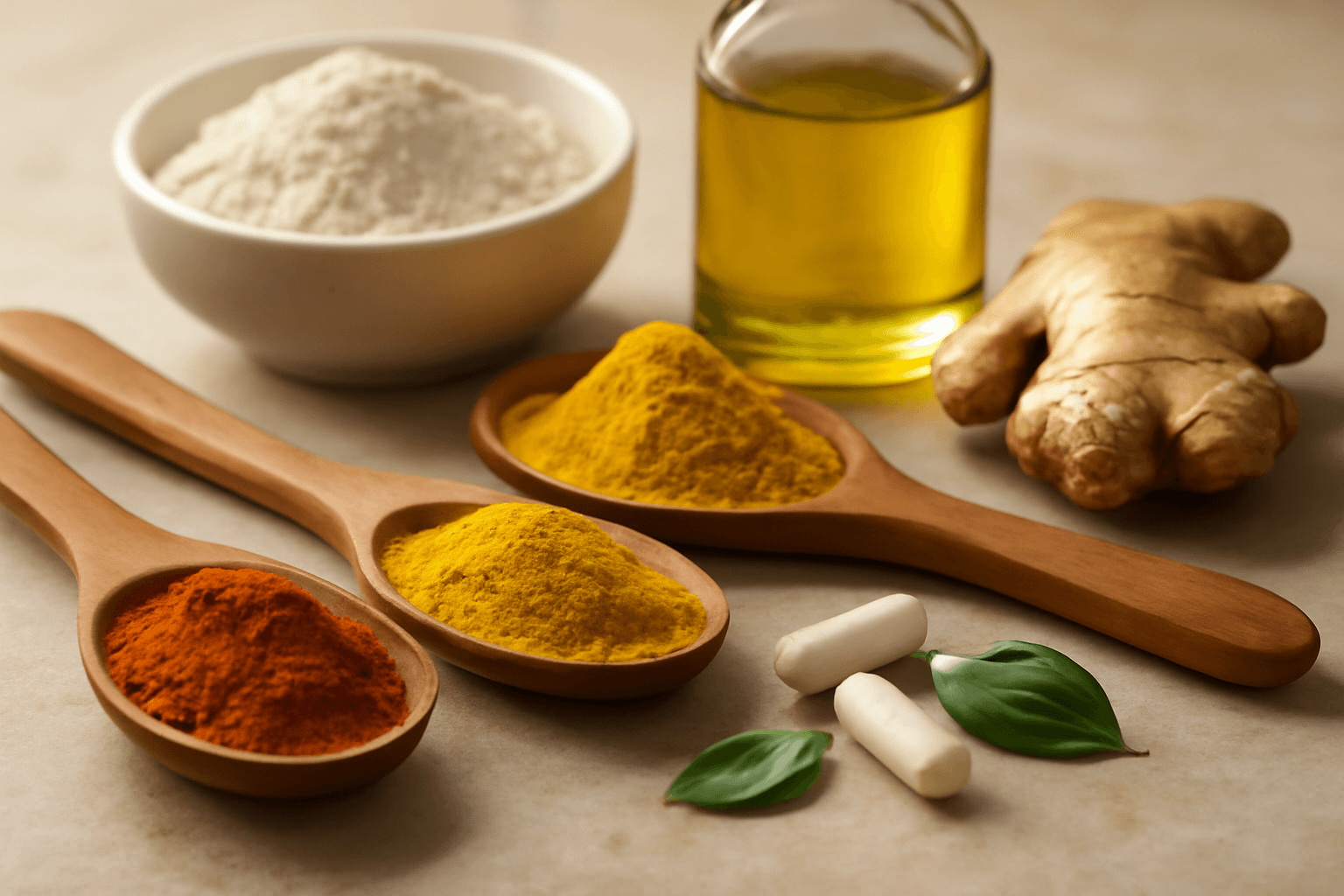
Spices serve as powerful health-promoting tools that go far beyond simply flavoring food. In particular, spices like cayenne pepper, turmeric, and ginger are rich in compounds that regulate inflammatory responses and provide antioxidant benefits. These spices offer various health advantages including blood sugar management, improved digestion, enhanced heart health, and relief from joint pain, while also promoting energy metabolism and protein absorption. This article provides science-based information ranging from the mechanisms of inflammation to the specific benefits of particular spices.
Comparing Herbs and Spices
Herbs and spices are extracted from different parts of plants and possess distinct characteristics. Herbs are primarily derived from the leaves and stems of plants and include fresh ingredients like basil, parsley, and mint. In contrast, spices come from more concentrated parts of plants such as roots, seeds, fruits, and bark, and are generally processed in dried or powdered form.
Spices contain significantly higher concentrations of active compounds compared to herbs. For example, the anti-inflammatory effects of curcumin found in turmeric are dozens of times more potent than the same compounds in fresh herbs. Additionally, because water is removed during the drying process of spices, their active ingredients become more concentrated, meaning smaller quantities can provide greater health benefits.
From a nutritional perspective, one teaspoon of spice often contains more antioxidants and minerals than one tablespoon of fresh herbs. According to data from the International Antioxidant Research Institute, clove, cinnamon, and oregano rank highest in the antioxidant ORAC index, far surpassing fresh fruits and vegetables. Therefore, adding spices to your daily diet is highly effective for providing antioxidants, suppressing inflammation, and preventing chronic diseases.
What is Inflammation?
Inflammation is a natural immune response of the body, but when it persists chronically, it becomes the root cause of disease. Acute inflammation is a normal defense mechanism against infection or injury and is temporary and necessary. However, chronic inflammation persists for months or years, leading to cellular damage and tissue destruction.
Chronic inflammation is triggered by various lifestyle habits. High glycemic index foods (refined carbohydrates, sugar), unhealthy fats (trans fats), excessive alcohol consumption, chronic stress, sleep deprivation, and lack of physical activity are major contributing factors. Additionally, in leaky gut conditions, damage to the intestinal barrier allows harmful substances to enter the bloodstream, triggering systemic inflammation.
Chronic inflammation is closely associated with the following conditions:
- Cardiovascular disease - Inflammation damages arterial walls and promotes plaque formation
- Type 2 diabetes - Inflammation causes insulin resistance
- Arthritis - Progressive destruction of joint tissue
- Alzheimer's disease - Neuroinflammation damages nerve cells
- Cancer - Chronic inflammation provides an environment for cancer cell growth
- Depression and anxiety - Neuroinflammation causes neurotransmitter imbalances
An anti-inflammatory diet significantly reduces the risk of these chronic diseases. Regular consumption of antioxidant-rich foods, particularly spices containing inflammation-suppressing compounds, can meaningfully lower the levels of inflammatory markers in the body (such as C-reactive protein and TNF-alpha).
Cayenne Pepper
Cayenne pepper is a spicy condiment containing an active alkaloid called capsaicin and has been used in traditional medicine for thousands of years. The health benefits of cayenne pepper primarily stem from capsaicin's ability to promote metabolism, dilate blood vessels, and modulate nerve signals. Per 100 grams, cayenne pepper has an ORAC antioxidant score of approximately 6,700-8,600, ranking it among the top antioxidant foods.
Energy Metabolism and Weight Management: Capsaicin increases thermogenesis, raising the rate at which the body burns energy. Clinical research shows that capsaicin supplementation increases resting metabolic rate by 4-5% and can increase post-meal energy expenditure for up to 30 minutes. Additionally, cayenne extends satiety, preventing overeating and promoting fat oxidation.
Blood Sugar Control and Insulin Sensitivity: Cayenne pepper reduces blood sugar spikes and improves insulin sensitivity. In studies of type 2 diabetes patients, consuming 4 milligrams of capsaicin daily decreased fasting blood glucose by an average of 6% and normalized insulin secretion. This occurs because cayenne alters gene expression involved in blood sugar regulation.
Heart Health Enhancement: Capsaicin improves vascular endothelial function, increasing blood flow and lowering blood pressure. Regular cayenne consumption prevents LDL cholesterol oxidation and reduces blood clot formation risk. According to American Heart Association data, consumers of spicy foods containing capsaicin have approximately 13% lower risk of cardiovascular disease.
Inflammation Suppression and Joint Health: Capsaicin depletes substance P, a neurotransmitter that transmits pain signals, through TRPV1 receptors in the nervous system. This reduces pain and suppresses inflammation in arthritis patients. In studies of osteoarthritis patients, applying a cayenne topical cream reduced pain by 43% after four weeks and improved movement limitations. Additionally, capsaicin suppresses the production of inflammatory cytokines (IL-6, TNF-α).
Improved Digestion and Gut Health: Counterintuitively, cayenne normalizes gastric acid secretion and promotes intestinal motility. Capsaicin activates protective mechanisms in the stomach through TRPV1 receptors and promotes the growth of beneficial bacteria. This increases gut microbiome diversity and improves protein absorption.
Women's Health and Menstrual Cycle: The vasodilating effects of cayenne pepper alleviate menstrual cramps (dysmenorrhea) by improving blood flow to the uterus. It also promotes hormone metabolism, helping improve menstrual irregularities. In traditional Chinese medicine, cayenne has been used as a warming spice to promote the flow of "qi," which modern medicine interprets as vasodilation and improved circulation.
Neurological Health and Cognitive Function: Capsaicin promotes the production of nerve growth factor (NGF), supporting the growth and survival of nerve cells. In animal studies, capsaicin reduced neuroinflammation and inhibited the accumulation of proteins associated with Alzheimer's disease. While human studies are ongoing, capsaicin's neuroprotective effects are associated with reduced risk of cognitive decline.
Usage and Dosage: For effective health benefits, daily consumption of 1/4 to 1/2 teaspoon of cayenne powder is recommended. This corresponds to approximately 0.5-1.5 grams and provides approximately 10-50 milligrams of capsaicin. It can be added directly to food, mixed into warm water, or taken as a capsule supplement. If you have a sensitive stomach, consume it with meals and gradually increase the dosage.
Precautions: Excessive consumption may cause stomach irritation, heartburn, and digestive discomfort. Those with stomach ulcers, acid reflux disease, or stomach sensitivity should consult with a healthcare professional before use. Additionally, if taking certain blood pressure medications or anticoagulants, potential drug interactions should be verified. Excessive consumption during pregnancy should be avoided, and since capsaicin is secreted in small amounts in breast milk during nursing, seek medical advice.
Summary
Spices, particularly cayenne pepper, are functional foods that provide multifaceted health benefits beyond simply adding flavor. Here are the key points:
- Spices contain active compounds that are dozens of times more concentrated than herbs, providing powerful anti-inflammatory and antioxidant effects even in small quantities.
- Chronic inflammation is the root cause of modern diseases and is closely linked to heart disease, diabetes, cancer, and arthritis.
- Capsaicin in cayenne pepper directly acts on metabolism promotion, blood sugar control, blood pressure reduction, pain relief, and gut health improvement.
- Daily consumption of 1/4 to 1/2 teaspoon of cayenne pepper can increase the body's energy expenditure by 5% and reduce the risk of chronic diseases.
- Appropriate dosage adjustments and consultation with a healthcare professional based on individual health status are necessary.
An anti-inflammatory diet begins with food, not medicine. Regularly incorporating spices like cayenne pepper into your daily meals is a cost-effective and safe way to invest in long-term health. However, please consult thoroughly with consideration of your personal medical history and current medications before beginning.