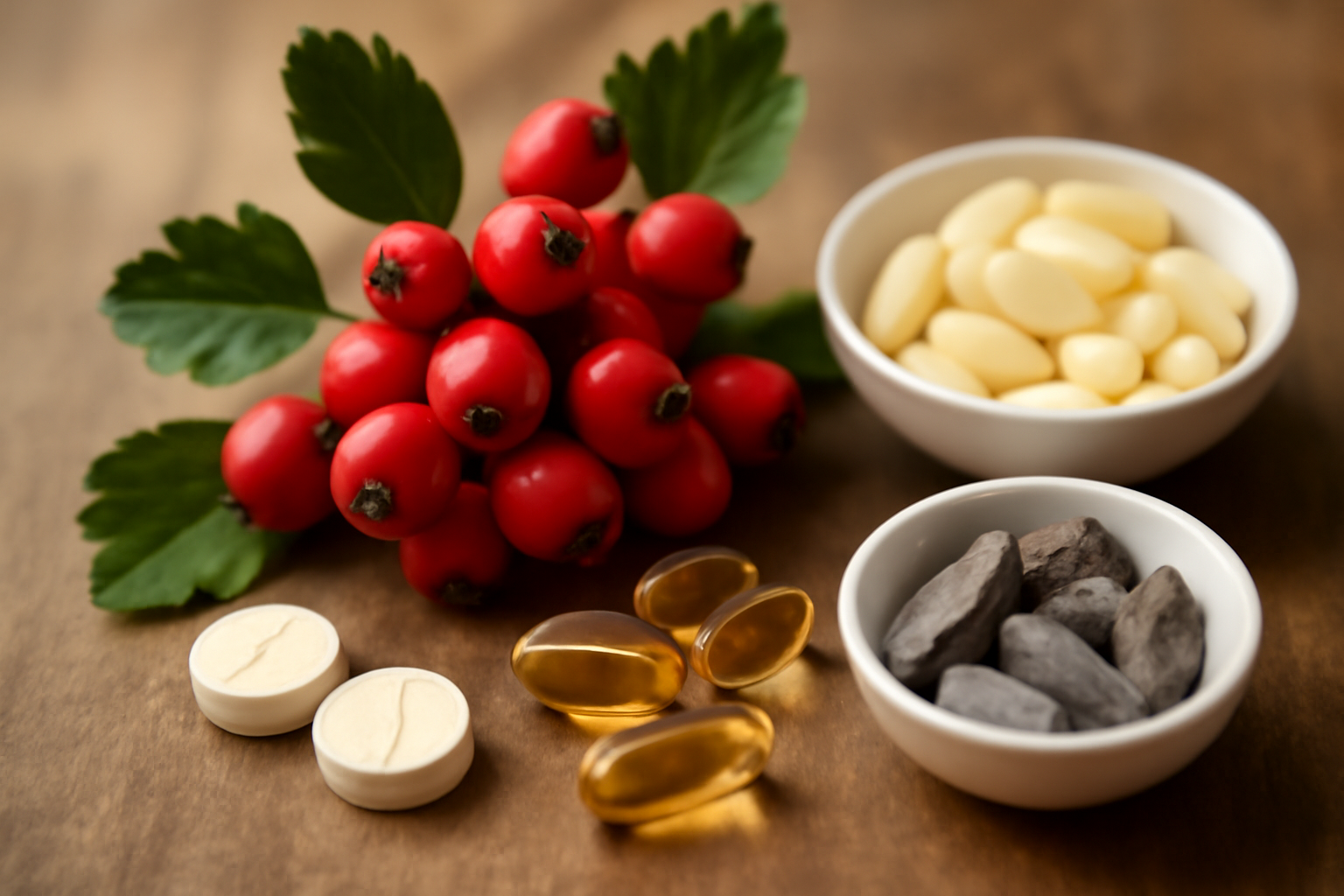
Hawthorn (Crataegus) is a deciduous broadleaf tree belonging to the Rosaceae family and has long been used in traditional medicine as a treatment for cardiovascular diseases. The physiologically active compounds found in hawthorn's fruits, flowers, and leaves—including flavonoids, proanthocyanidins, and polyphenols—provide various health benefits such as improved heart health, reduced anxiety, anti-inflammatory effects, and free radical scavenging. This article introduces the specific benefits of hawthorn and practical applications based on recent scientific research.
What is Hawthorn?
Hawthorn is widely distributed throughout temperate regions of the Northern Hemisphere and has traditionally been cultivated, particularly in Europe and East Asia. It is characterized by small white or pink flowers and small red berries. In traditional Chinese medicine, these berries are called "Shan Zha" (山楂) and are used as a digestive aid.
Hawthorn contains a diverse range of physiologically active compounds. The main components include:
- Flavonoids: Antioxidant and anti-inflammatory effects
- Proanthocyanidins: Improved vascular elasticity
- Polyphenols: Prevention of cell damage
- Vitamin C: Enhanced immune function
- Iron: Support for blood production
- Magnesium: Regulation of muscle and nerve function
In Europe, hawthorn extract has been approved as a pharmaceutical and is prescribed as a supplementary treatment for heart failure patients. The U.S. Food and Drug Administration (FDA) has also classified hawthorn as a general food ingredient, recognizing its safety.
Heart Health
The most widely recognized benefit of hawthorn is improved cardiovascular health. A study published in the European Journal of Heart Failure in 2008 found that the group taking hawthorn extract experienced a 33% improvement in heart failure symptoms compared to the placebo group, with significantly increased cardiac contractile force.
The mechanisms by which hawthorn supports heart health are as follows:
- Improved coronary blood flow: Flavonoids enhance endothelial cell function and promote vasodilation
- Blood pressure regulation: Magnesium relaxes vascular smooth muscle, lowering blood pressure
- Cholesterol management: Polyphenols inhibit oxidized LDL cholesterol accumulation
- Antiarrhythmic effects: Potassium normalizes heart rhythm
Notably, a meta-analysis conducted in 2018 on chronic heart failure patients found that daily hawthorn extract intake of 400–900 mg improved left ventricular ejection fraction by an average of 8% and reduced fatigue by 50%. However, those with heart disease must consult with a physician before using it as a supplementary treatment only, and potential interactions with blood pressure medications and cardiac drugs must be verified.
Anxiety Relief
The nerve-calming effects of hawthorn have long been recognized in traditional medicine and are increasingly being validated by recent scientific research. A 2010 German study of 264 menopausal women with depression and anxiety who took hawthorn extract for 12 weeks showed a 44% reduction in anxiety symptoms and a 20% improvement in sleep quality.
Hawthorn is effective at relieving anxiety because:
- Neurotransmitter regulation: Proanthocyanidins act on serotonin and dopamine receptors, stabilizing mood
- Reduced stress hormones: Magnesium lowers cortisol levels
- Heart-brain axis stabilization: Cardiac rhythm stabilization transmits nerve relaxation signals to the brain
Unlike chemical anxiolytics, hawthorn has the advantage of being non-addictive with minimal side effects. However, in cases of severe anxiety, hawthorn alone may not be sufficient, and consultation with a psychiatrist is recommended for potential concurrent drug therapy.
Anti-inflammatory Effects
The polyphenols and flavonoids found in hawthorn exert powerful anti-inflammatory effects. A study published in Inflammation Research in 2015 found that hawthorn extract inhibited major pro-inflammatory cytokines such as TNF-α and IL-6 by 35–42%, respectively, a level comparable to some nonsteroidal anti-inflammatory drugs (NSAIDs).
Chronic inflammation is a root cause of major diseases including heart disease, diabetes, cancer, and Alzheimer's disease. The anti-inflammatory mechanisms of hawthorn include:
- NF-κB pathway inhibition: Blocks inflammatory signal transduction
- Reduced oxidative stress: Antioxidants prevent inflammation caused by free radicals
- Improved gut microbiota: Promotes the growth of beneficial bacteria and reduces intestinal inflammation
Particularly concerning gut health, hawthorn contains prebiotic compounds that promote the proliferation of beneficial bacteria. A 2017 study found that the hawthorn consumption group experienced a 38% increase in beneficial bacteria such as Bifidobacterium, which led to improved intestinal permeability and subsequent reduction in systemic inflammation. However, consultation with a physician is essential for those with digestive disorders or those taking immunosuppressive medications.
Free Radical Inhibition
Reactive oxygen species (ROS) cause cell damage, accelerate aging, and lead to cancer development. Hawthorn is a food with very high antioxidant capacity, recording approximately 2,400 μmol TE per 100g on the ORAC (Oxygen Radical Absorbance Capacity) scale, equal to or higher than blueberries (approximately 2,400).
The main antioxidant compounds in hawthorn and their actions:
- Catechin: Neutralizes intracellular free radicals and particularly prevents mitochondrial damage
- Quercetin: Blocks free radical generation at an early stage
- Rutin: Protects vascular endothelial cells and inhibits the progression of arteriosclerosis
A 2016 Chinese study found that elderly subjects administered hawthorn extract experienced a 31% decrease in blood 8-OHdG (a DNA oxidative damage marker) levels after 8 weeks, while simultaneously increasing the activity of antioxidant enzymes SOD and catalase by 28% and 25%, respectively. This indicates that the body's intrinsic antioxidant defense system was strengthened.
Particularly for smokers, those frequently exposed to air pollution, and athletes engaged in intense exercise, the consumption of antioxidant-rich foods like hawthorn can prevent the accumulation of free radicals. However, for cancer patients, antioxidants may reduce the effectiveness of certain chemotherapy drugs, making consultation with an oncologist absolutely essential.
Use as a Food Ingredient
Hawthorn can be consumed not only as a medicinal extract but also in various food forms. In particular, hawthorn berries are excellent for promoting digestion and improving protein absorption, and have been widely used in Eastern medicine as a digestive aid after meat consumption.
Characteristics by hawthorn consumption form:
- Fresh fruit: Rich in vitamin C and enzymes, but has a strong sour taste making direct consumption difficult
- Dried hawthorn: Traditional herbal medicine ingredient effective for indigestion and bloating. Recommended daily intake of 6–12g
- Hawthorn tea: Steep 5–10g of dried hawthorn in boiling water for 3–5 minutes. One to two cups per day
- Hawthorn juice/concentrate: Allows for rapid absorption and easy consumption, but sugar content should be verified
- Hawthorn extract supplement: Standardized flavonoid content (daily dose of 450–900mg) ensures consistent efficacy
The versatility of hawthorn as a food ingredient is quite high. In Chinese cuisine, hawthorn is preserved in sugar as a dessert, and hawthorn jam maximizes probiotic effects when consumed with yogurt or grains. The malic acid and tannic acid contained in hawthorn promote the activity of protein digestive enzymes, quickly alleviating abdominal discomfort after meat consumption.
Generally, healthy adults can safely consume 400–900mg daily based on hawthorn extract, 50–100g based on fresh fruit, or 6–12g based on dried form. However, those with low blood pressure, those taking blood pressure-lowering medications, those who are pregnant or nursing, and those with kidney disease should consult a physician before consumption.
Summary
Hawthorn is a plant where thousands of years of traditional medicine experience meets modern scientific research. Its efficacy in improving heart health, relieving anxiety, and providing anti-inflammatory and antioxidant effects has been clearly established, and its accessibility as a food ingredient is excellent.
Key Points:
- Hawthorn is rich in physiologically active compounds such as flavonoids and proanthocyanidins, providing various health benefits
- Supplementary therapeutic effects have been demonstrated for heart failure, chronic anxiety, and coronary artery disease
- Powerful anti-inflammatory and antioxidant effects help prevent chronic diseases
- Promotes probiotic growth, strengthening gut health and overall immune function
- Can be consumed in various forms including extracts, tea, and fresh fruit
- Physician consultation is essential for those with heart disease, low blood pressure, or during pregnancy
- The recommended daily intake is 400–900mg based on extract or 50–100g based on fresh fruit
Hawthorn is not merely a health food but a therapeutically-supported food ingredient with medical evidence. To prevent cardiovascular disease and chronic inflammation caused by modern stress, sedentary lifestyles, and irregular eating habits, incorporating hawthorn as a supplementary addition to regular exercise and healthy eating habits can help achieve a healthier life. However, individual responses may vary depending on personal health conditions and medications being taken, so consultation with a healthcare professional before starting is strongly recommended.