Vegetable powder has gained attention as an efficient way to obtain nutrients that are often lacking in the busy lifestyles of modern people. Made by drying and pulverizing fresh vegetables, these products contain various nutritional components such as vitamin A, vitamin C, probiotics, and omega-3. This post systematically analyzes the actual benefits of vegetable powder, its scientific evidence, and side effects to be mindful of.
What is Vegetable Powder?
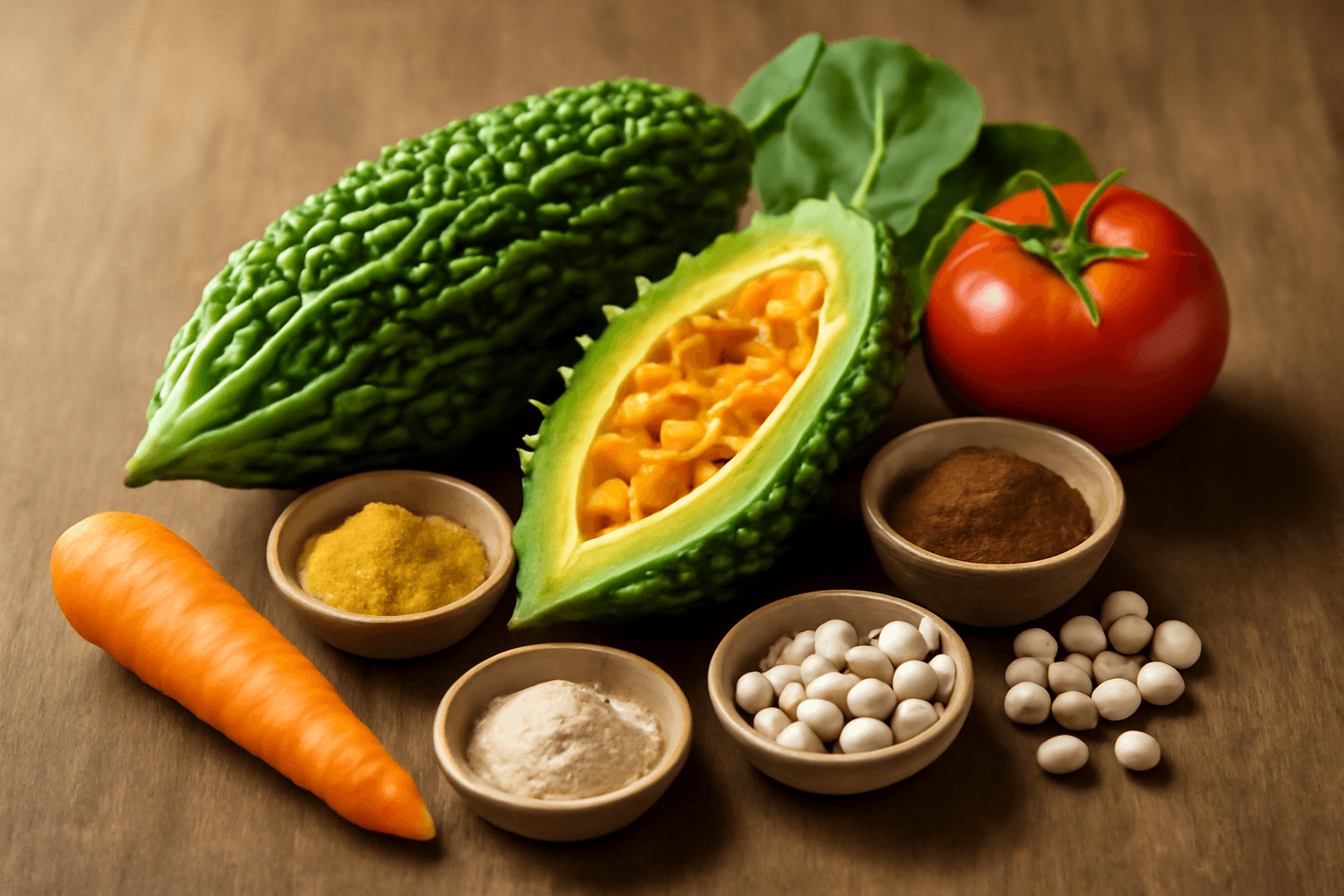
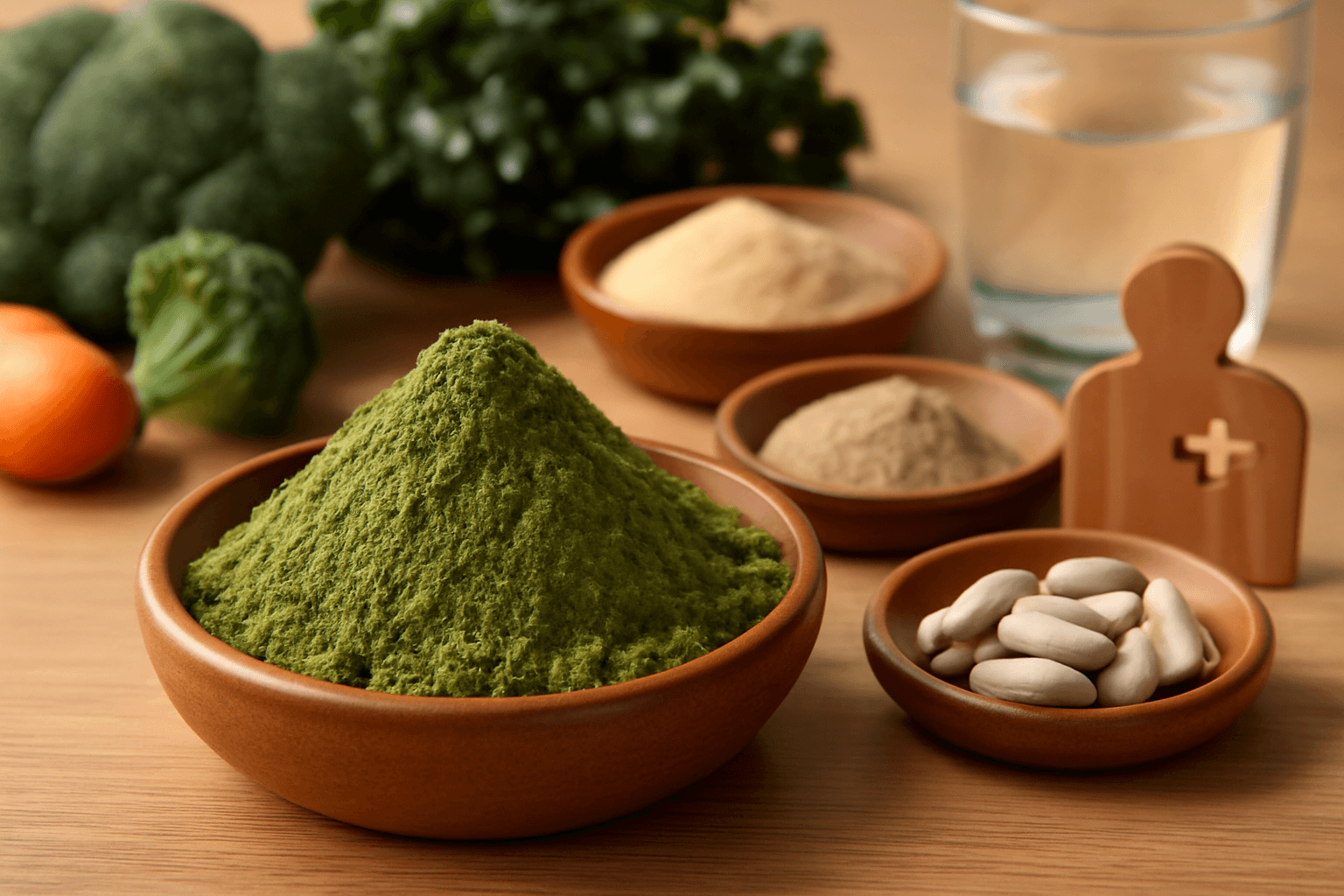
Vegetable powder is made by low-temperature drying or freeze-drying fresh vegetables and then grinding them into powder form. Various vegetables such as lettuce, kale, broccoli, spinach, and carrots are used, and the powder is consumed mixed into water or milk or added to food.
The main characteristics of vegetable powder are as follows. First, it has a long shelf life. Frozen vegetables have a shelf life of 6-12 months, and dried vegetables last 12-24 months, allowing for planned consumption. Second, it offers excellent portability. Because it's in powder form, it can easily be carried in a small container at work or when traveling, allowing for convenient nutritional supplementation.
Third, it has a high concentration of nutrients. It provides 5-10 times more concentrated nutrition compared to fresh vegetables. For example, 100g of fresh spinach and 10g of spinach powder can contain similar levels of iron. Fourth, it offers high convenience in preparation. With short preparation time, you can quickly obtain nutrition even during busy mornings or work hours.
However, it's important to note that some water-soluble vitamins (vitamin C, B vitamins) may be lost during the manufacturing process. The low-temperature freeze-drying method preserves approximately 70-80% of nutrients, while typical hot air drying preserves about 40-60%.
Does Vegetable Powder Actually Work?
Validating the health benefits of vegetable powder based on scientific evidence shows the following.
Immune System Boosting: Vitamin C and beta-carotene (vitamin A precursor) contained in vegetables act as antioxidants and support immune cell function. According to the American Journal of Clinical Nutrition, consuming 200mg or more of vitamin C daily reduces cold incidence by 50%. Vegetable powder typically contains 30-50mg of vitamin C per serving (about 10g).
Improved Digestive Health: The dietary fiber included in vegetable powder has positive effects on gut health. Dietary fiber serves as food for beneficial intestinal bacteria, indirectly supporting probiotic effects. The recommended daily dietary fiber intake is 25-30g, and 20g of vegetable powder provides approximately 3-5g of dietary fiber. According to research from Granada University in Spain, consuming 30g or more of dietary fiber daily reduces colorectal cancer risk by 30%.
Protein Supplementation: Cruciferous vegetable powders like broccoli and kale contain approximately 25-35g of protein per 100g. However, vegetable powder alone makes it difficult to balance essential amino acids, so it's best consumed together with animal protein or complete protein foods.
Stress Reduction: Magnesium, potassium, and B vitamins contained in vegetables contribute to nervous system stabilization. In particular, spinach powder contains about 80mg of magnesium per 100g, which can fulfill part of the daily recommended amount (320-420mg). Magnesium is involved in neurotransmitter regulation and stress hormone reduction.
Omega-3 Content: Some seaweed-based vegetable powders and leafy greens (especially kale) contain plant-based omega-3 (ALA, alpha-linolenic acid). Providing approximately 0.5-1.5g of ALA per 100g, this helps improve blood circulation and reduce inflammation.
The Role of Vitamin A: The beta-carotene in yellow and orange vegetable powders (carrots, pumpkin) is converted to vitamin A in the body. Vitamin A is essential for improving vision, maintaining skin health, and protecting epithelial cells. The daily recommended intake is 700-900mcg, and 10g of carrot powder provides approximately 300-400mcg.
Side Effects
Although vegetable powder is a natural food product, it is not completely free of side effects. Various side effects can occur depending on an individual's health status and consumption method.
Digestive Discomfort: Excessive dietary fiber intake can cause abdominal bloating, gas, and diarrhea. When first consuming vegetable powder, it's recommended to start with 5-10g daily and gradually increase the amount over 2-3 weeks. The American Gastroenterological Association advises against suddenly increasing dietary fiber intake by more than 50%.
Excessive Potassium Intake: Some vegetable powders such as spinach and kale are rich in potassium. Individuals with kidney disease, especially those with end-stage renal disease, may develop hyperkalemia from potassium accumulation. Those with kidney disease should consult with a healthcare professional before consumption.
Drug Interactions: Vegetable powder, particularly vitamin K-rich foods like kale, can reduce the effectiveness of warfarin (anticoagulant). If taking anticoagulants, it's important to maintain consistent vitamin K intake and avoid sudden increases.
Allergic Reactions: People with oral allergy syndrome (OAS) to vegetables may experience itching or swelling of the lips, mouth, and throat when consuming vegetable powder. Those with pollen allergies should also be cautious.
Heavy Metal Accumulation: Vegetables can absorb heavy metals such as cadmium and lead from soil. Since the powder form concentrates nutrients, heavy metals may also become concentrated. It's important to choose products from reputable manufacturers and regularly check test results.
Lack of Digestive Enzymes: Digestive enzymes included in raw vegetables are destroyed during the heat treatment process. This can slightly reduce digestive efficiency, so individuals with weak digestive capacity should start with small amounts and adjust systematically.
Side Effects from Fortified Ingredients: Some products may contain artificial sweeteners, emulsifiers, or additional minerals. Read ingredient labels carefully and choose products with minimal unnecessary additives.
Does Vegetable Powder Actually Work?
On a comprehensive basis, vegetable powder provides tangible health benefits under specific conditions.
Cases where it's effective: First, it's effective for people whose vegetable intake is insufficient. Since Korean adults' vegetable consumption tends to be lower than the recommended amount (400g/day), vegetable powder is a practical way to supplement this deficit. Second, it's useful for maintaining consistent nutritional intake amid busy lifestyles. It offers high nutritional efficiency relative to preparation time. Third, it helps when there's a specific nutrient deficiency. If medical test results confirm a deficiency in vitamins A, C, or iron, it can be used as a supplementation method.
Cases where effectiveness is limited: First, for people who already consume adequate fresh vegetables, additional effects are minimal. Fresh vegetables contain far more water, enzymes, and trace nutrients than powder. Second, it cannot be used as a sole treatment. Vegetable powder serves to complement a healthy diet and lifestyle—it is not a substitute for disease treatment. Third, some nutrients are lost during the manufacturing process. In particular, heat-sensitive vitamin C and probiotics can be significantly lost.
Practical tips to maximize effectiveness:
- Ensure Variety: Products mixing multiple types of vegetables provide a wider range of nutrients than single vegetable powders.
- Adjust Timing: Consuming mixed with warm water in the morning places less burden on the stomach and improves digestive absorption.
- Combine with Fresh Vegetables: Since vegetable powder is supplementary, it should not completely replace fresh vegetable consumption.
- Personalize: Decide on consumption based on your health status, medications you're taking, and existing conditions.
- Regular Evaluation: After regular consumption for 4-8 weeks, observe body changes (energy, digestion, skin condition) to determine personal effectiveness.
Scientific evidence shows that vegetable powder is an efficient means of supplying specific nutrients. However, it doesn't provide equal effects for everyone, and the degree of effectiveness varies depending on individual dietary habits, health status, and living environment.
Summary
Key Points:
- Vegetable powder is made from fresh vegetables that are dried and pulverized with concentrated nutrients.
- Containing various nutrients such as vitamins A and C, dietary fiber, magnesium, and potassium, it can help boost immunity, improve digestion, and reduce stress.
- Excessive consumption can cause side effects such as digestive discomfort, excess potassium, and drug interactions, so initial consumption should start with small amounts (5-10g).
- It provides tangible benefits for people with insufficient vegetable intake and those with difficulty maintaining regular nutritional intake due to busy schedules.
- People who already consume adequate fresh vegetables or those with certain conditions should consult with a healthcare professional before deciding whether to consume it.
- Vegetable powder is a product that complements a healthy diet and cannot be a substitute for disease treatment.
Recommendation to Consult a Healthcare Professional: If you have chronic diseases (kidney disease, heart disease), are taking anticoagulants or other medications, are pregnant or breastfeeding, or have a history of allergies, you must consult with a healthcare professional before deciding to consume vegetable powder.
"Vegetable powder is a tool that can effectively supplement nutritional deficiencies amid the busy lifestyles of modern people. However, since it cannot be a perfect substitute for fresh vegetables, it's important to make wise choices by using it in balance with fresh foods while considering your individual health status."