Vitamin K is a fat-soluble vitamin essential for blood clotting and bone metabolism, playing an important role in maintaining overall body health. There are two forms of vitamin K: K1 (phylloquinone) and K2 (menaquinone), each with different physiological functions. This vitamin, which is involved in cardiovascular health, bone strength, and blood sugar regulation, can lead to serious health problems if deficient. This article will explain in detail the functions of vitamin K, deficiency symptoms, the best food sources, and specific health benefits.
What is Vitamin K?
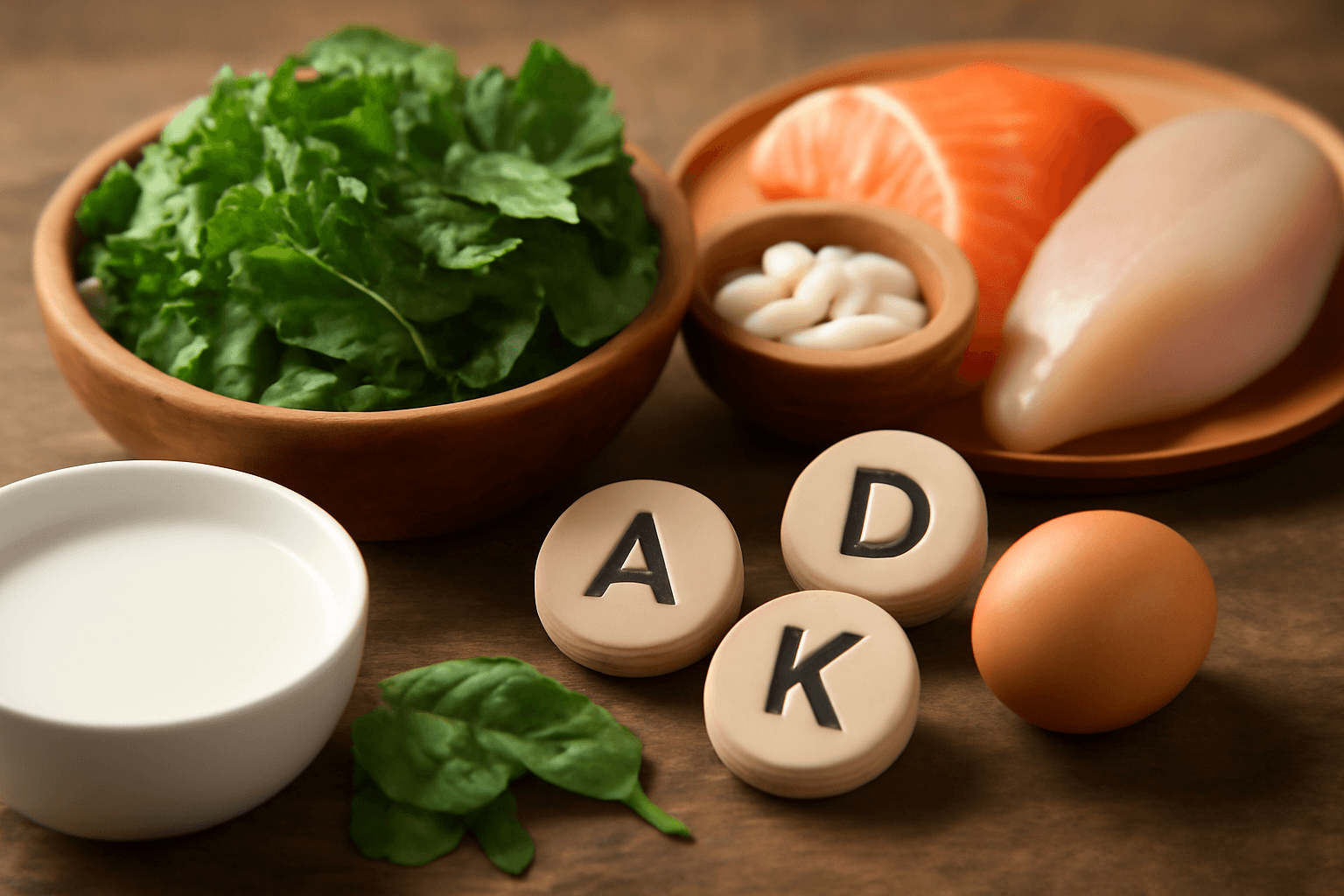
Vitamin K is an essential nutrient for the synthesis of 12 blood clotting factors, including prothrombin. Vitamin K1, which is produced in the body, is primarily obtained from green leafy vegetables and is absorbed in the small intestine before being stored in the liver. Vitamin K2 is a form produced by intestinal bacteria and certain fermented foods, and directly affects bone and vascular health.
Vitamin K is more than just a blood clotting substance. According to recent research, it increases bone mineral density through the activation of a protein called osteocalcin, and activates MGP (Matrix Gla-protein) to prevent vascular calcification. The daily recommended intake is 120μg for adult men and 90μg for women.
Vitamin K Deficiency
Vitamin K deficiency is more common than you might think. The main causes include a decrease in intestinal bacteria due to prolonged antibiotic use, absorption disorders, and an insufficient diet. In particular, patients taking anticoagulants (warfarin) and those with biliary disease may experience reduced vitamin K absorption.
The early symptoms of vitamin K deficiency are easily overlooked. Nosebleeds, gum bleeding, excessive bruising (hematoma) after minor trauma, heavy menstrual bleeding, and delayed wound healing may occur. In severe cases, internal bleeding, muscle hematomas, and even brain hemorrhage can develop. In newborns, vitamin K deficiency bleeding (VKDB) can occur and be life-threatening, so vitamin K injection is recommended immediately after birth.
It is also related to blood sugar management. According to research, vitamin K deficiency is associated with reduced insulin secretion capacity and can increase the risk of developing diabetes.
Foods Rich in Vitamin K
The best sources of vitamin K1 are dark green leafy vegetables. Based on the content per 100g:
- Kale: approximately 500-700μg (550-780% of daily recommended intake)
- Spinach: approximately 145-483μg (160-536% of daily recommended intake)
- Broccoli: approximately 102-141μg (113-156% of daily recommended intake)
- Cabbage: approximately 145μg (161% of daily recommended intake)
- Parsley: approximately 1640μg (1822% of daily recommended intake)
- Green tea: approximately 308μg (342% of daily recommended intake)
Vitamin K2 is abundant in fermented foods. It is found in cheese (especially hard cheeses), miso, natto (fermented soybeans), yogurt, and butter from grass-fed cattle. Natto is the most abundant source of vitamin K2, containing approximately 870μg per 100g.
Since vitamin K is fat-soluble, absorption is maximized when consumed with healthy fats. Bioavailability can increase up to five-fold when consumed with olive oil, avocado, and nuts.
Health Benefits of Vitamin K2
Vitamin K2 is responsible for more than just blood clotting. This vitamin affects the entire body through protein post-translational modification. By activating the MGP protein, it directly prevents calcium accumulation in the blood vessel wall. According to the Rotterdam Study, people with low vitamin K2 intake had a 52% higher incidence of coronary heart disease compared to those with high intake.
Vitamin K2 also plays a role in immune system regulation. It promotes T cell differentiation and the formation of regulatory T cells (Treg), suppressing excessive inflammatory responses. This can be useful in managing autoimmune diseases and chronic inflammatory conditions.
Beyond bone health, vitamin K2 can slow down the aging process. It appears to reduce the expression of p16 and p21, which are cellular senescence markers. In Japanese research, those taking vitamin K2 supplements experienced greater increases in bone density and reduced fracture risk compared to the control group.
Vitamin K's Benefits for Cardiovascular Health
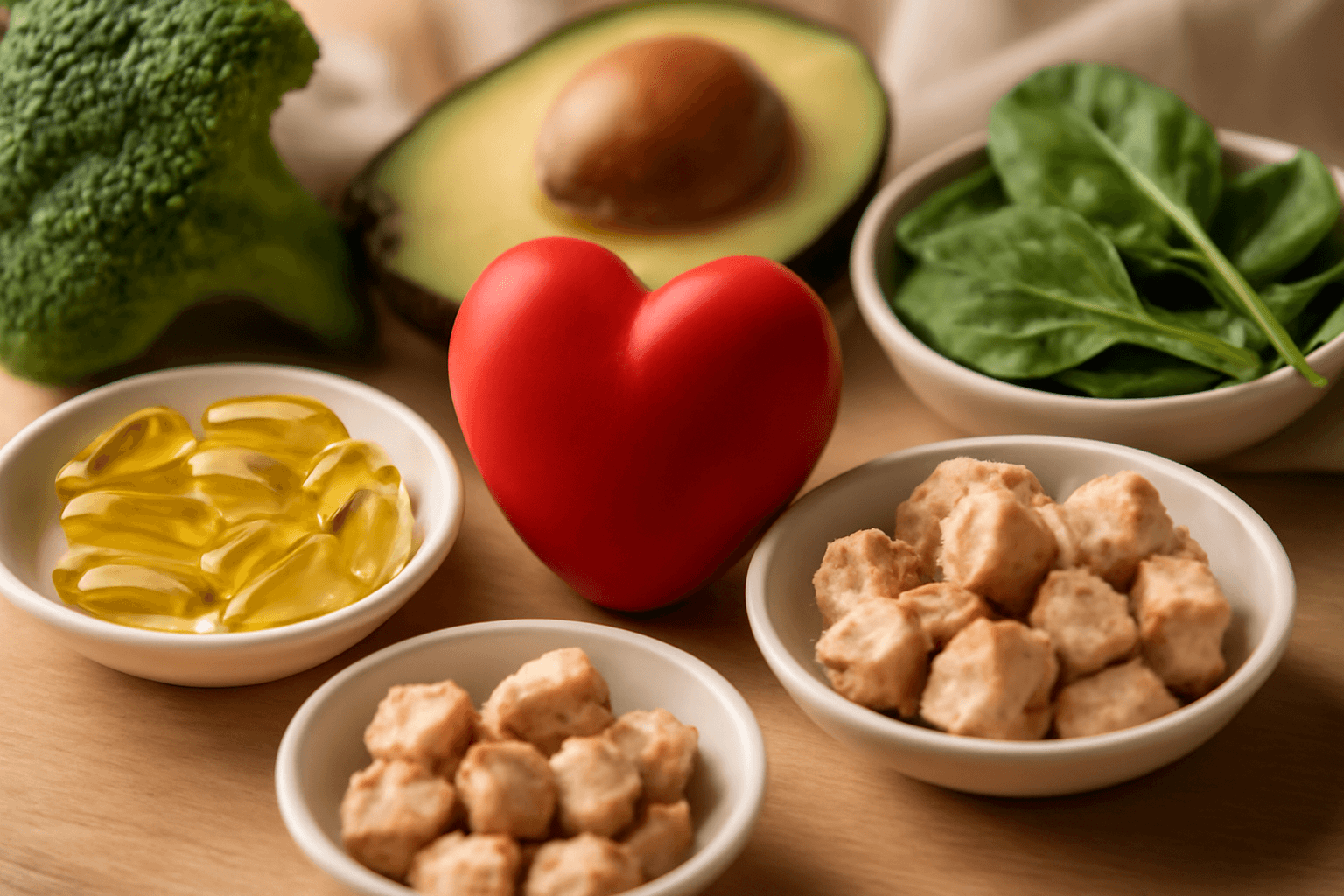
Vitamin K is a key element of vascular health. As age increases, calcium accumulation in blood vessels (vascular calcification) is a major risk factor for cardiovascular disease. The activation of MGP by vitamin K directly inhibits this calcification process.
According to a 2019 European Society of Cardiology study, people with sufficient vitamin K intake had significantly lower arterial stiffness than those with deficient intake. Arterial stiffness is an independent risk factor for hypertension, directly affecting systolic blood pressure and pulse pressure.
Vitamin K also regulates thrombosis risk. It prevents excessive clotting while properly activating necessary clotting factors. However, patients taking warfarin should consult with healthcare providers to maintain a consistent level of vitamin K intake. Rapid changes in vitamin K levels can destabilize INR (International Normalized Ratio).
It also contributes to reducing cardiovascular stress. It is known to decrease CRP (C-reactive protein) and TNF-α, which are inflammation markers.
Vitamin K's Benefits for Bone Health
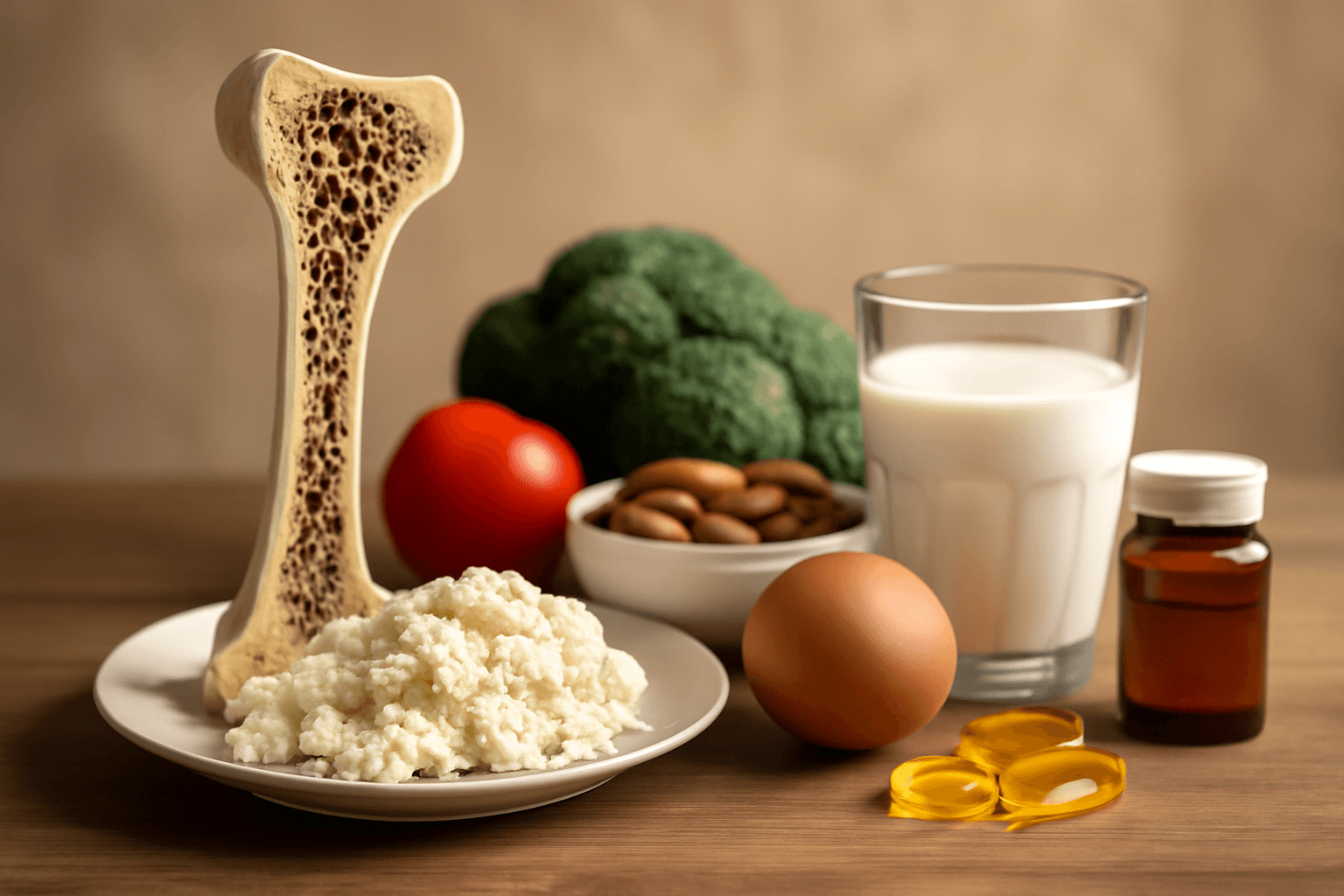
Vitamin K is essential for the activation of osteocalcin, a bone matrix protein. Vitamin D and calcium alone are not sufficient. Without vitamin K, osteocalcin remains in an inactive state and bone mineralization does not occur properly.
Several clinical trials have demonstrated that vitamin K2 supplements produce the following effects:
- Increased spinal bone mineral density: 1.4% increase compared to placebo group after 2 years of treatment
- Reduced fracture risk: 60% reduction in vertebral fracture risk and 77% reduction in hip fracture risk
- Slowed bone loss rate: 50% average reduction in bone loss in postmenopausal women
- Normalized bone turnover: Improvement in bone formation marker P1NP and bone resorption marker CTX
It also has a direct impact on joint health. Vitamin K is necessary for the normalization of protein matrix responsible for cartilage formation. Patients with osteoarthritis showed a tendency toward low vitamin K levels, and joint pain and function improved after supplementation.
The benefits are maximized when it works with vitamins A and D, and calcium. These nutrients play complementary roles to maintain optimal bone health. Especially for postmenopausal women and elderly populations, all these nutrients must be sufficient.
Summary
Key functions of vitamin K:
- Activation of blood clotting factors (12 clotting factors)
- Activation of bone matrix proteins (osteocalcin)
- Prevention of vascular calcification (MGP activation)
- Immune regulation and inflammation reduction
Groups at risk of deficiency:
- Long-term antibiotic users
- People with absorption disorders (Crohn's disease, celiac disease, etc.)
- Warfarin users (medical consultation required)
- People with liver disease
Best food sources:
- K1: kale, parsley, spinach, broccoli
- K2: natto, hard cheese, grass-fed animal products
- Fat-soluble vitamin, so consume with healthy fats
Health recommendations:
Daily recommended intake for adults: 120μg for men, 90μg for women. If you have a specific condition or are taking medications, be sure to consult with a healthcare professional. Patients taking anticoagulants must maintain a consistent level of vitamin K intake.
Vitamin K is not simply a blood clotting factor but an essential nutrient with broad effects on the cardiovascular, skeletal, and immune systems. The best strategy is to maintain adequate intake through green leafy vegetables and fermented foods while seeking guidance from healthcare professionals when dealing with specific health conditions or medication use. Balanced intake with other nutrients such as vitamins A and D, and calcium forms the foundation of overall health.