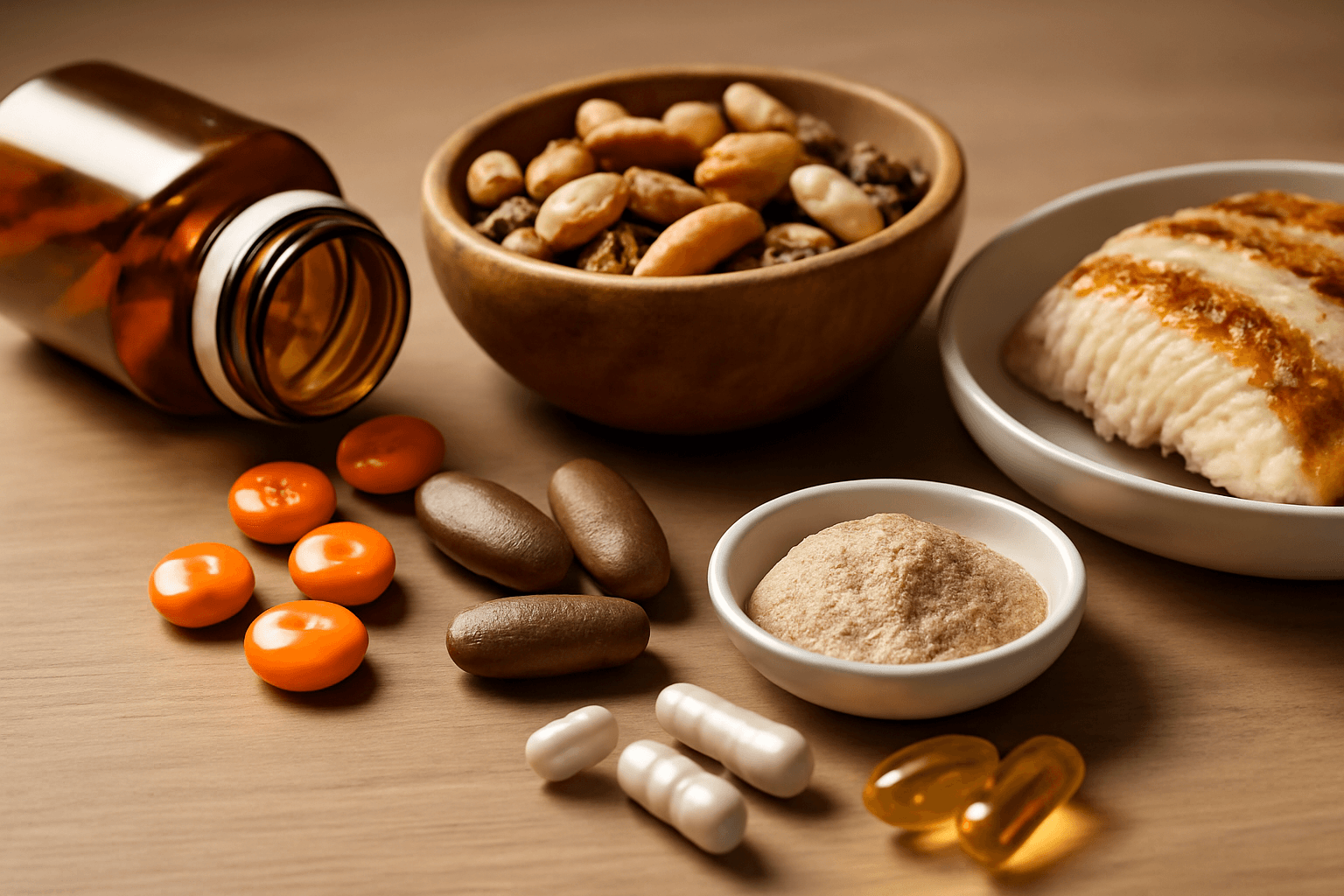
The circulatory system, which pumps blood from the heart to deliver oxygen and nutrients to cells throughout the body, is essential to sustaining our lives. However, the sedentary lifestyles, irregular eating habits, and chronic stress of modern people impair circulatory function. This article explains how the circulatory system works, what warning signs to watch for, and practical methods to improve circulation through nutrients such as protein, iron, vitamin B, and electrolytes.
How the Circulatory System Works
The circulatory system is a closed system composed of the heart, blood vessels, and blood. The left ventricle of the heart beats an average of 70 times per minute, pumping approximately 5 liters of blood, which is distributed through the aorta to capillaries throughout the body. The primary functions of blood are oxygen transport, carbon dioxide removal, nutrient delivery, temperature regulation, and immune defense.
For blood to circulate normally, blood vessel elasticity is essential. Blood vessel endothelial cells secrete a substance called nitric oxide, which relaxes blood vessels and smooths blood flow. Additionally, the viscosity (concentration) of blood must be appropriate, which requires adequate water intake and electrolyte balance. If hemoglobin (iron-containing protein) concentration in the blood is low, oxygen transport capacity drops sharply, and the balance of platelets and clotting factors must be maintained to prevent blood clots from forming.
During sleep, the parasympathetic nervous system becomes dominant in the body, blood vessels relax, and blood pressure decreases. This is the prime time for normal circulatory system regeneration. In contrast, chronic stress excessively activates the sympathetic nervous system, constricting blood vessels and raising blood pressure.
Warning Signs of Circulatory Problems
Early signs of circulatory insufficiency are often overlooked. Frequent cold or numb hands and feet indicate reduced blood flow to peripheral blood vessels. Pale skin or frequent bruising is also a signal of abnormal blood supply. Shortness of breath when climbing stairs or rapid heart rate means your heart is working excessively to supply oxygen.
Chronic fatigue, reduced concentration, and dizziness are related to insufficient blood flow to the brain. On an adult basis, the brain requires 15–20% of total blood volume, and when this is insufficient, cognitive function declines. Swelling in the legs, especially worsening in the evening, suggests problems with venous return (the process of blood returning to the heart).
Reduced digestive function is also associated with circulatory problems. When blood flow to the intestines decreases, nutrient absorption declines and intestinal motility weakens. Reduced immunity leading to frequent infections or slow wound healing is also due to insufficient blood supply to tissues. If these symptoms persist for more than two weeks, you should see a healthcare professional.
Ways to Improve Circulation in Your Body
Improvement Through Dietary Nutrients
Protein is the foundation of blood components. Albumin, a plasma protein, maintains the osmotic pressure of blood and regulates appropriate fluid transfer from blood vessels to tissues. The daily protein requirement for adults is 0.8–1.2g per kilogram of body weight, and for circulatory health, lean proteins (fish, chicken breast, eggs, tofu) are recommended. Salmon and mackerel contain omega-3 fatty acids, which reduce blood vessel inflammation.
Iron is a key mineral for hemoglobin formation. Anemia caused by iron deficiency directly impairs oxygen transport capacity. Adult men need 8mg of iron per day, and premenopausal women need 18mg. Heme iron from meat shows 3 times higher absorption rate than plant-based iron. To improve iron absorption, vitamin C intake (oranges, paprika, broccoli) is important.
B vitamins, particularly B6, B12, and folate, lower homocysteine levels. Homocysteine is a byproduct of amino acid metabolism, and elevated blood levels damage blood vessel endothelium and promote atherosclerosis. 100g of spinach contains 141mcg of folate, and 100g of mackerel contains 9.4mcg of B12.
Electrolytes (sodium, potassium, magnesium, calcium) are essential for blood viscosity and blood pressure regulation. Potassium in particular promotes sodium excretion, lowering blood pressure, and adults should consume at least 3,500mg per day. One banana contains 422mg of potassium, and 100g of spinach contains 558mg of potassium.
Improvement Through Lifestyle Habits
Regular aerobic exercise is the most effective way to improve circulation. 150 minutes per week of moderate aerobic exercise (brisk walking, cycling, swimming) improves blood vessel endothelial function by 33% and increases nitric oxide production. Exercise intensity should be at 50–70% of maximum heart rate. For adults in their 40s, this is approximately 119–157 beats per minute.
Adequate sleep is the golden hour for circulatory system regeneration. Adults need 7–9 hours of sleep per day, and sleep deprivation increases blood inflammation markers. During sleep, the body activates the glymphatic system to remove toxic proteins through brain blood vessels. A consistent sleep schedule (sleeping and waking at the same time daily) normalizes melatonin secretion, a circadian rhythm hormone.
Stress management is an overlooked factor in improving circulation. Chronic stress causes excessive secretion of cortisol and adrenaline hormones, continuously constricting blood vessels. Meditation, yoga, breathing exercises, and music listening activate the parasympathetic nervous system to promote blood vessel relaxation. Three 20-minute meditation sessions per week can decrease blood pressure by 8mmHg.
Water intake is fundamental to regulating blood viscosity. In a dehydrated state, blood becomes concentrated and flow slows. The recommended water intake for adults is 2–3 liters per day, adjusted according to individual activity level, climate, and health status. Adequate hydration also improves kidney function in removing waste products, indirectly improving circulation.
Regulating caffeine and alcohol intake is also important. Excessive caffeine (more than 400mg per day) constricts blood vessels and increases heart rate. Conversely, moderate wine consumption (150ml per day) provides antioxidants such as anthocyanins and resveratrol. Alcohol should be limited to no more than 2 drinks per day.
Smoking is the greatest enemy of the circulatory system. Nicotine in tobacco smoke causes blood vessel constriction, and carbon monoxide decreases blood's oxygen transport capacity. Within 3 months of quitting smoking, blood circulation improves by 25%.
Supplements
When choosing supplements for circulatory health, it is important to first identify individual deficiency status. Blood tests should be conducted to check iron, B12, folate, and vitamin D levels before taking necessary supplements.
Iron supplements: If iron-deficiency anemia is confirmed, ferrous sulfate 200mg is taken 1–2 times per day. Iron is well absorbed in an acidic environment, so taking it 30 minutes before meals or with orange juice increases absorption rate by 30%. Excessive consumption can cause constipation or abdominal discomfort.
Vitamin B complex: A complex containing B6 (pyridoxine) 50mg, B12 (cobalamin) 1,000mcg, and folate 400mcg effectively lowers homocysteine. In particular, adults over 50 have reduced B12 absorption capacity, so supplements or fortified foods are recommended.
Magnesium supplements: Magnesium is a natural vasodilator that relaxes vascular smooth muscle. The daily requirement for adults is 400–420mg for men and 310–320mg for women. Magnesium glycinate (chelated form) has high absorption and minimal laxative effects.
Coenzyme Q10 (CoQ10): An essential coenzyme for mitochondrial energy production, particularly important for those taking statin medications. Daily intake of 100–300mg is typical.
Omega-3 fatty acid supplements: Choose products containing EPA (eicosapentaenoic acid) 1,000mg and DHA (docosahexaenoic acid) 500mg. They lower blood triglycerides and reduce blood vessel inflammation.
Medical professional consultation is essential: When taking supplements, you must check for interactions with existing medications. For example, vitamin K supplements can reduce the effectiveness of anticoagulants (warfarin). Those who are pregnant, breastfeeding, or have specific medical conditions must take supplements under a doctor's guidance.
Summary: Key Strategies for Circulatory Health
Circulatory health cannot be improved through short-term efforts. Optimal results are achieved when consistent dietary management, exercise, sleep, and stress management are combined.
- Nutritional approach: Adequate protein intake (0.8–1.2g per kilogram of body weight), iron (8mg for men, 18mg for women), B vitamins, and electrolytes (especially potassium 3,500mg or more per day)
- Exercise program: 150 minutes per week of moderate aerobic exercise (50–70% of maximum heart rate) to improve blood vessel endothelial function by 33%
- Sleep optimization: 7–9 hours of regular daily sleep to promote body regeneration and circulatory system recovery
- Stress management: Three 20-minute meditation sessions per week to achieve an 8mmHg decrease in blood pressure
- Water intake: 2–3 liters of water daily to regulate blood viscosity and improve kidney function
- Patient-specific supplement selection: Choose supplements matching individual deficiency status after blood tests
- Smoking cessation and alcohol limitation: Circulation improves within 3 months of quitting smoking; limit alcohol to no more than 2 drinks per day
Important Medical Precautions: If you experience symptoms such as increased heart rate, chest pain, shortness of breath, or sudden dizziness, please call 911 immediately. If you are taking circulation-related medications (anticoagulants, antiplatelet agents, blood pressure medications), you must consult with your doctor before taking supplements. The contents of this article do not replace medical diagnosis or treatment.