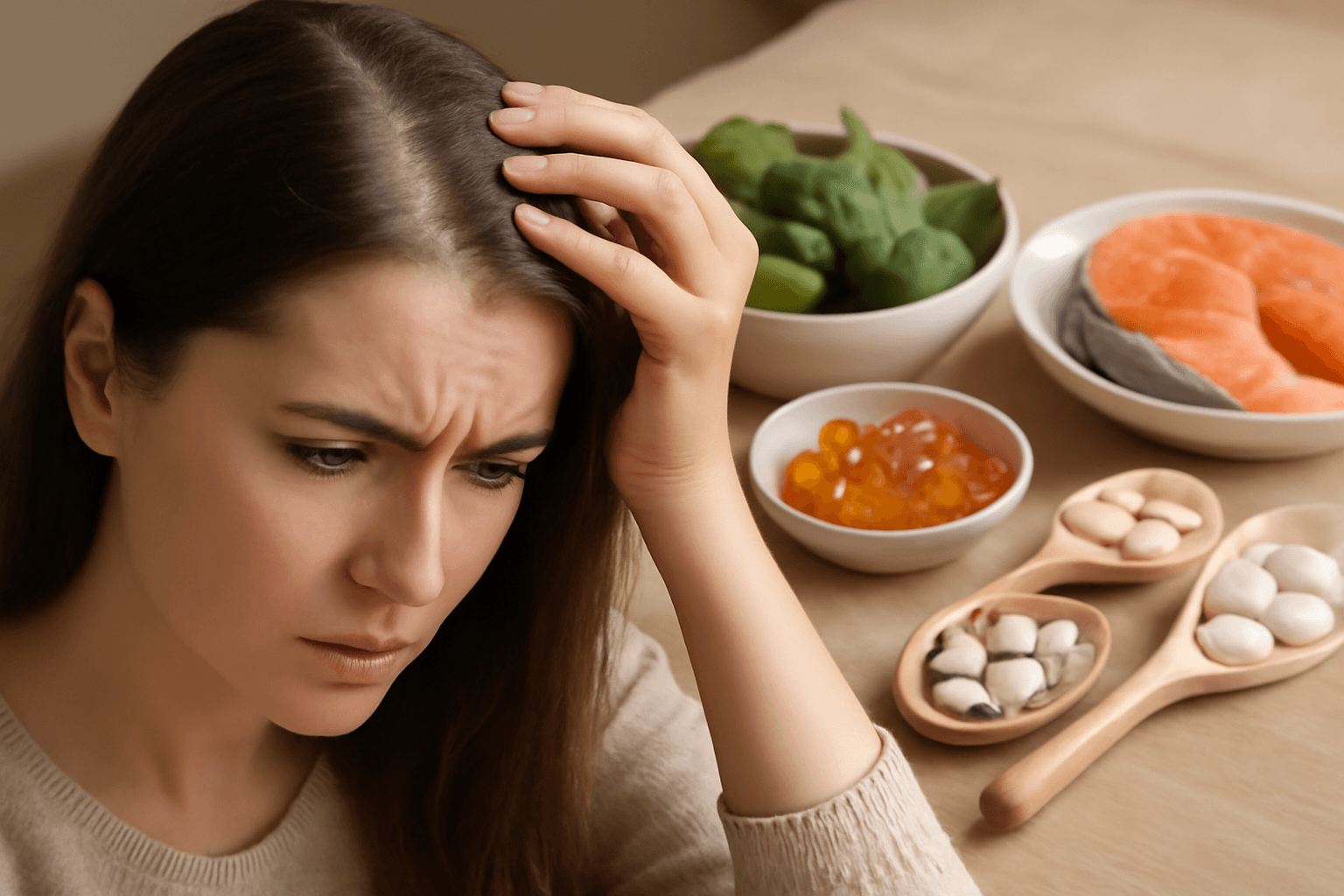
Female hair loss goes beyond a cosmetic concern and serves as a signal of your body's health status. It develops through the complex interaction of various causes including hormonal changes, nutritional deficiencies, autoimmune diseases, and infections. This article identifies the primary causes of female hair loss and presents effective methods for improvement through nutritional supplementation, lifestyle modifications, and medical treatments.
Causes of Female Hair Loss
Female hair loss differs from male pattern baldness in that it stems from diverse causes. The most common cause is hormonal changes. When ovarian function declines or cortisol levels rise due to stress, hair rapidly transitions from the growth phase to the telogen phase, a condition called "telogen effluvium."
Additionally, metabolic disorders such as thyroid dysfunction, iron deficiency anemia, and vitamin B12 deficiency can trigger hair loss. Women are particularly vulnerable to iron deficiency because of monthly blood loss from menstruation. Poor gut health that impairs nutrient absorption also directly causes hair loss.
Stress and sleep deprivation over-activate the sympathetic nervous system, reducing blood flow to the scalp. This results in insufficient oxygen and nutrient supply to hair follicles, weakening hair and causing it to fall out. Excessive dieting and rapid weight loss also stress the body nutritionally, exacerbating hair loss.
Nutrition and Hair Loss
Hair health is directly linked to adequate nutrient intake. Hair follicles are the second fastest-growing tissue in the body and require more micronutrients than other body parts.
Iron is a key nutrient for transporting oxygen to hair follicles. When iron levels drop below 20 ng/mL ferritin, hair loss occurs. Consume iron-rich foods such as seafood, red meat, and spinach. When taken with vitamin C, iron absorption can increase up to threefold.
Iodine is essential for thyroid hormone production. When the thyroid doesn't function properly, metabolism slows and hair growth becomes sluggish. You can obtain iodine from seaweed, eggs, and dairy products. The daily recommended iodine intake is 150mcg.
B vitamins, particularly B12 and folate, play important roles in cell division and protein synthesis. B12 deficiency leads to pernicious anemia and causes severe hair loss. Vegetarians should consider B12 supplements. A weekly intake of 2-3 times 1000mcg B12 is recommended.
Omega-3 fatty acids reduce scalp inflammation and improve blood flow to hair follicles. It's beneficial to consume 1000-2000mg of omega-3 daily through salmon, mackerel, flaxseed, and nuts.
Vitamin A maintains scalp health through sebum regulation. However, excessive intake can cause toxicity, so avoid exceeding 3000mcg daily.
Vitamin D is necessary for immune regulation and calcium absorption. Vitamin D deficiency is linked to autoimmune hair loss conditions such as alopecia areata. Maintaining serum vitamin D levels at 30-50 ng/mL helps prevent hair loss.
Collagen is a major component of hair follicle structure, and collagen production decreases with age. Taking 10-20g of collagen daily along with 1000mg vitamin C can increase hair elasticity and strength.
Postpartum Hair Loss
High estrogen levels during pregnancy keep hair in the growth phase, resulting in fuller hair. However, 3-6 months after delivery, estrogen drops sharply, causing many hairs to simultaneously enter the telogen phase. This is called "postpartum telogen effluvium."
Postpartum hair loss is a physiological phenomenon that typically resolves naturally within 6-12 months after delivery. However, iron intake is essential to promote recovery, as blood loss from pregnancy and delivery significantly depletes iron stores.
The recommended iron intake for postpartum women is 27mg daily. During breastfeeding, additional calories and protein are needed, so consume adequate protein foods such as chicken breast, eggs, soy milk, and lentils. Probiotics also help by normalizing the altered gut microbiome during pregnancy, improving nutrient absorption.
Postpartum stress and sleep deprivation also worsen hair loss. Getting adequate rest when possible and reducing stress through family support is important. If hair loss persists beyond 12 months or is severe, consult an endocrinologist or dermatologist.
Thyroid Dysfunction
The thyroid is the most important endocrine gland regulating metabolism. When thyroid function is low, metabolism slows and hair follicle growth is delayed, resulting in hair loss. According to the American Endocrine Society, approximately 20% of women have hypothyroidism, and many experience hair loss.
Signs of thyroid dysfunction besides hair loss include fatigue, weight gain, cold sensitivity, and dry skin. If hair loss occurs alongside these symptoms, thyroid function should be assessed through TSH, T3, and T4 testing.
Iodine is essential for normalizing thyroid function. However, if you have autoimmune thyroiditis (Hashimoto's disease), excessive iodine intake can worsen symptoms, so caution is needed. Since seaweed contains very high iodine levels, those with Hashimoto's disease should regulate iodine intake under medical guidance.
Selenium is also important for maintaining thyroid function. Daily selenium intake of 55mcg reduces thyroid peroxidase (TPO) antibodies and improves thyroid function. Selenium is abundant in Brazil nuts, eggs, and fish.
If hypothyroidism is confirmed, hormone replacement therapy such as levothyroxine (Synthroid) is necessary. Hair loss may continue 3-6 months after starting medication, so it's important to be patient and continue treatment consistently.
Autoimmune Diseases
Autoimmune diseases such as alopecia areata, lupus, and thyroiditis cause hair loss when the body's immune system attacks its own cells. In alopecia areata, immune T cells attack hair follicles, creating coin-shaped bald patches. Approximately 1-2% of the population experiences this condition, and it's more common in women.
Restoring gut health is essential for improving autoimmune-related hair loss. Gut barrier damage, called "leaky gut," worsens autoimmune responses. Probiotics increase beneficial bacteria in the gut, strengthening the intestinal lining. Daily intake of 5-10 billion CFU of high-quality probiotics containing Lactobacillus and Bifidobacterium is effective.
Vitamin D is the most important nutrient for managing autoimmune diseases. Many studies show that patients with alopecia areata have lower vitamin D levels than the general population. Maintaining serum vitamin D at 40-50 ng/mL can suppress autoimmune responses. During winter or when spending much time indoors, daily vitamin D supplementation of 2000-4000 IU is necessary.
An anti-inflammatory diet is also important. Salmon and mackerel rich in omega-3, flaxseed, and curcumin in turmeric provide powerful anti-inflammatory effects. Conversely, diets high in vegetable oils, processed foods, and sugar increase systemic inflammation and worsen autoimmune responses.
If diagnosed with alopecia areata, consultation with a dermatologist or immunologist is necessary. Medical intervention such as intralesional steroid injections, oral steroids, or biologic therapeutics may be required.
Bacterial and Fungal Infections
Bacterial or fungal infections of the scalp cause inflammation leading to hair loss. Fungi like Malassezia produce irritant substances when breaking down scalp sebum, causing seborrheic dermatitis and hair loss. Overgrowth of bacteria such as Propionibacterium intensifies scalp inflammation.
Hair loss from scalp infections is accompanied by symptoms such as itching, dandruff, red rash, and odor. If you experience these symptoms, get tested by a dermatologist to confirm infection.
Gut microbiome balance is important for preventing and improving infections. Probiotics increase beneficial bacteria in the gut, strengthening intestinal immunity, which leads to improved scalp immunity. Certain strains like Lactobacillus rhamnosus (L. rhamnosus) have been reported to be effective for skin health improvement.
Scalp care is also necessary. Excessive hair washing damages the scalp's protective barrier, increasing infection risk. Gently cleanse the scalp with warm water only 2-3 times weekly. When shampooing, dry with cool air to promote scalp blood flow and inhibit fungal growth.
Reducing sugar in your diet is also important. Fungi and pathogenic bacteria overgrow using sugar as a nutrient source. Limiting refined carbohydrates, sugary drinks, and sweets while consuming adequate fiber-rich vegetables, whole grains, and protein creates a healthy scalp environment.
Summary
Female hair loss results not from a single cause but from the complex interaction of multiple factors including hormones, nutrition, immunity, and infection. An integrated approach is necessary to effectively improve hair loss:
- Nutritional supplementation: Intake of essential nutrients for hair follicle health including iron, iodine, B vitamins, vitamin D, omega-3, and collagen
- Thyroid testing: Confirm and treat thyroid function through TSH, T3, and T4 testing
- Gut health improvement: Enhance nutrient absorption and boost immunity through probiotic intake
- Anti-inflammatory lifestyle: Consume omega-3 rich foods, limit sugar, and manage stress
- Scalp care: Appropriate scalp cleansing and improved scalp blood flow
- Professional consultation: If hair loss persists or is severe, consult with dermatologists, endocrinologists, or immunologists
Precautions: Nutritional supplementation may not be appropriate depending on individual health status. Women with thyroid disease, those taking medications, and pregnant or nursing women must proceed with nutritional supplementation under medical guidance. The information in this article cannot replace medical diagnosis or treatment, and persistent hair loss requires professional consultation.