Rosacea is a chronic skin condition characterized by facial redness and blood vessel dilation that many people mistakenly confuse with sensitive skin. However, rosacea stems from complex internal factors including damaged skin barrier, impaired digestive function, and chronic inflammation. Since topical treatments alone cannot provide a fundamental solution, an approach from within the body is essential—including nutrient intake, improved gut health, and stress management. This article identifies the causes of rosacea and presents comprehensive healing methods ranging from topical product selection to dietary changes and lifestyle improvements.
Differences Between Rosacea and Sensitive Skin
Rosacea and sensitive skin appear similar on the surface, but their mechanisms of development are completely different. Sensitive skin is a condition where a weakened skin barrier reacts temporarily to external stimuli, whereas rosacea is a disease caused by chronic dysfunction of the vascular nervous system.
Rosacea is characterized by persistent facial flushing, prominent blood vessel dilation (telangiectasia), papules and pustule formation, and nasal thickening (phymatous rosacea). While sensitive skin's main symptoms are itching or stinging, rosacea features burning sensations and skin thickening.
Clinically, rosacea is classified into four types. Type 1 features erythema and telangiectasia as primary symptoms, Type 2 presents with papules and pustules, Type 3 shows skin thickening, and Type 4 involves ocular symptoms. A consultation with a dermatologist is absolutely necessary for accurate diagnosis.
Root Causes of Rosacea
The causes of rosacea are not singular; genetic predisposition, environmental factors, and internal physiological conditions work together. It occurs more frequently in people with high vascular reactivity, particularly those of Celtic descent, and risk increases with age.
Major trigger factors include extreme temperature changes, spicy foods, alcohol (especially wine and beer), caffeine, stress, and intense exercise. According to research, 79% of rosacea patients experienced symptom exacerbation related to food, while extreme temperature changes affected 88% of patients.
Among internal factors, the most notable is increased intestinal permeability (leaky gut). When the intestinal wall weakens, microbial endotoxins enter the bloodstream and trigger systemic inflammation. This leads to excessive dilation of skin blood vessels. Additionally, reduced stomach acid, insufficient digestive enzymes, and dysbiosis (overgrowth of harmful gut bacteria) impair nutrient absorption and weaken immune response. Excessive cortisol secretion from stress hormones increases vascular reactivity and reduces antioxidant capacity.
Healing Rosacea With Topical Products
Topical treatment is the first step in rosacea management, and choosing the right products is crucial. Ingredients to avoid include alcohol, strong fragrances, highly acidic or alkaline substances, synthetic dyes, and powerful exfoliants. These further damage the skin barrier and worsen inflammation.
Effective ingredients include:
- Azelaic Acid: Possesses antibacterial, anti-inflammatory, and antioxidant properties simultaneously. At 15-20% concentration used twice daily, significant improvement is observed after 8-12 weeks.
- Niacinamide: Strengthens skin barrier, stabilizes blood vessels, and regulates sebum. A concentration of 4-5% is appropriate.
- Peppermint Extract: Reduces redness through vasoconstriction effects.
- Chamomile and Aloe Vera: Provide soothing and anti-inflammatory effects.
- Green Tint Cream: Offers immediate cosmetic effects through color correction that neutralizes red tones.
Medical creams (metronidazole, sulfacetamide-sulfur) act as antibiotics, and doctor's prescription is essential in severe cases. Laser therapy (IPL, KTP laser) directly removes dilated blood vessels, requiring multiple sessions at 1-3 month intervals with a success rate of approximately 60-70%.
Healing Rosacea From Within
To fundamentally improve rosacea, dietary changes and nutritional supplementation are essential. Restoring gut health is the most important first step.
Probiotics and Prebiotics: Lactic acid bacteria and bifidobacteria strengthen the intestinal wall and reduce inflammation. In clinical research, patients who took specific lactic acid bacteria (Lactobacillus rhamnosus GG, Bifidobacterium longum) for 12 weeks showed an average 41% reduction in rosacea symptoms. Consume fermented foods like kimchi, yogurt, and kefir along with prebiotics such as artichokes, garlic, and onions.
Omega-3 Fatty Acids: Omega-3, abundant in fish (salmon, mackerel, sardines), flaxseeds, and chia seeds, is a powerful anti-inflammatory. Daily intake of 1,000-2,000mg of omega-3 reduces vascular inflammation and improves blood flow. Green leafy vegetables (spinach, kale) contain compounds that aid omega-3 absorption.
High-Quality Protein and Glutamine: Glutamine is a primary energy source for intestinal cells and improves intestinal permeability. Bone broth contains glutamine, collagen, and gelatin and is beneficial when consumed 3-4 times weekly. Chicken breast, eggs, and legumes provide additional protein sources.
Antioxidants: Anthocyanins in berries (blueberries, raspberries, blackcurrants), sulforaphane in broccoli, and curcumin in turmeric reduce oxidative stress. Curcumin is recommended at 500-1,000mg daily due to its anti-inflammatory effects.
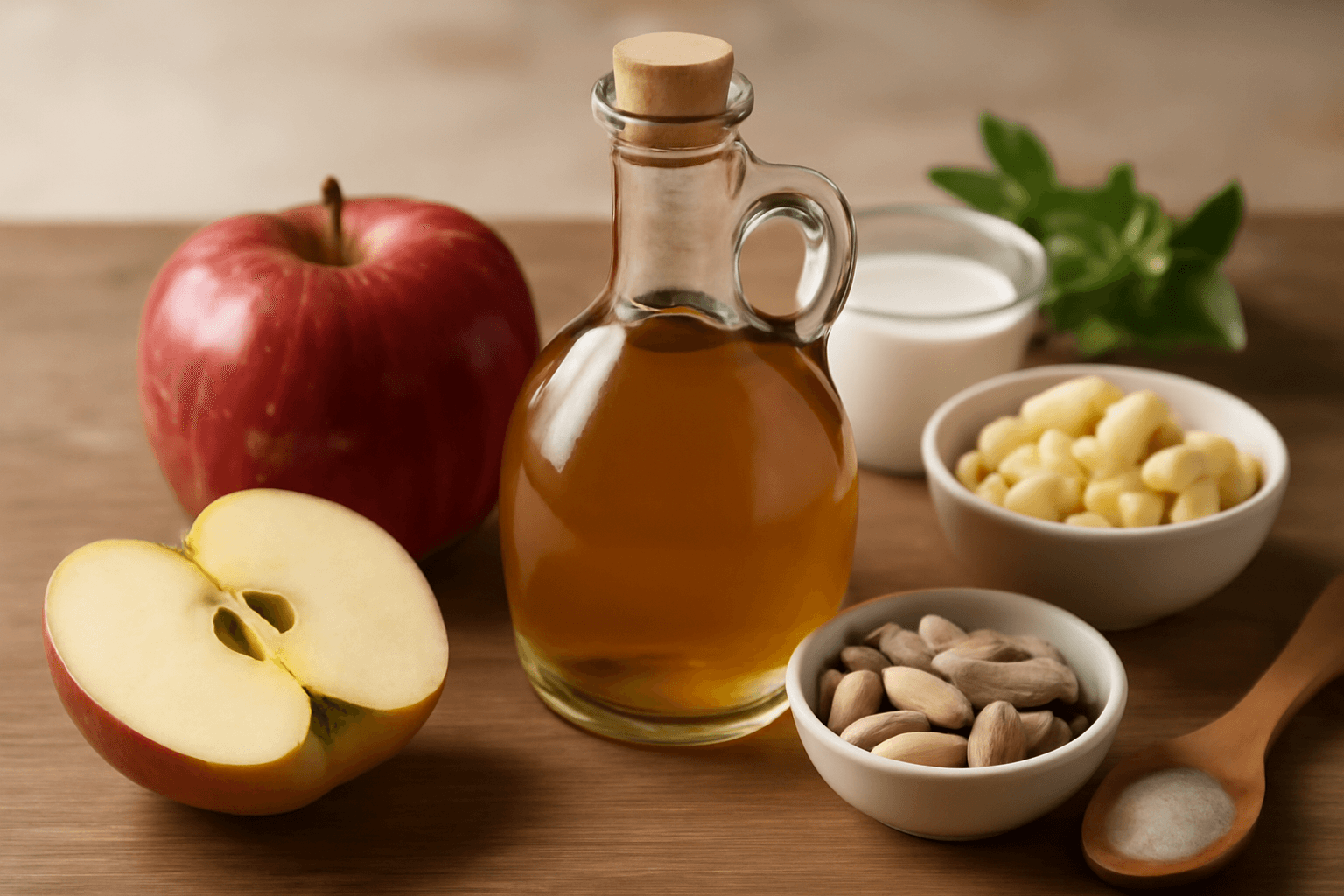
Improving Stomach Acid and Digestive Enzymes: As age increases, stomach acid secretion decreases, impairing nutrient absorption. Drinking warm water with squeezed lemon during meals or diluting one tablespoon of apple cider vinegar in water helps. Raw papaya and pineapple (containing bromelain) provide natural digestive enzymes.
Stress Management: Chronic stress elevates cortisol, increasing vascular reactivity. Meditation (10-20 minutes daily), yoga, and deep breathing exercises are scientifically proven stress reduction methods. Moderate-intensity aerobic exercise for 30 minutes or more, 3-5 times weekly, improves endothelial function and enhances vascular health. However, avoid high-intensity exercise as elevated body temperature can worsen rosacea.
Hydration: At least 2-3 liters of water daily improves skin hydration and circulation. Limit caffeine and alcohol as they cause skin dehydration.
Covering Rosacea
Managing visible symptoms while the healing process takes time is also important. Proper use of color-correcting products is key.
Green Color Correction: The most effective way to neutralize red tones. Apply green primer or concealer thinly to flushed areas, then cover with foundation. Foundation one shade lighter than your skin tone provides natural coverage.
Product Selection: Mineral-based foundations (iron oxides, titanium dioxide) offer excellent coverage with minimal irritation. Silicone-based products provide smooth finish but can clog pores, so cleanse thoroughly at night. Physical sunscreen (SPF 30 or higher) is essential. Inadequate SPF is a major factor in rosacea exacerbation.
Application Tips: Gently tap and blend products with your fingers, minimizing friction. Avoid brush application as it increases skin irritation. At night, thoroughly remove makeup with cleansing oil (chamomile, argan, jojoba) or mild cleanser.
Summary
Key Points for Improving Rosacea:
- Rosacea is a chronic vascular disease different from sensitive skin, and dermatologist diagnosis is essential.
- Choose topical products primarily with azelaic acid, niacinamide, and soothing ingredients, while strictly avoiding irritating components.
- Restore gut health with foods containing probiotics (10 billion CFU daily), omega-3 (1,000-2,000mg daily), and glutamine.
- Reduce inflammation with antioxidants (berries, turmeric) and high-quality protein.
- Stress management (meditation, yoga, appropriate exercise) and adequate hydration increase vascular stability.
- Identify and avoid personal triggers such as extreme temperature changes, spicy foods, and alcohol.
- Use green color correction and physical sunscreen (SPF 30+) for cosmetic coverage.
- Topical care combined with internal nutritional improvement is most effective. Improvement may take 8-12 weeks or longer.
Important Note: If rosacea symptoms are suspected, consult a dermatologist rather than self-treating. Severe cases may require prescription medications (metronidazole, sulfacetamide) or laser therapy. Consult your physician or nutritionist before starting new supplements or making dietary changes. Especially if taking anticoagulants, medical professional approval is necessary before high-dose omega-3 intake.