Human aging is a natural process in which bodily functions decline as cellular damage gradually accumulates. However, through scientifically-grounded lifestyle improvements, we can meaningfully slow this process. Antioxidants, healthy mitochondrial management, and inflammation suppression are three key factors that control the rate of aging. This article presents specific anti-aging strategies including protein intake, sleep, and stress management, backed by scientific evidence.
What is Aging?
Aging is a biological process in which the function of cells and tissues gradually declines over time. During this process, cellular DNA sustains damage with each division, and the ability to repair it decreases. In particular, the ends of chromosomes called telomeres shorten with each cell division, eventually preventing cells from dividing further.
Nine key characteristics of aging include genomic instability, telomere shortening, epigenetic changes, loss of protein homeostasis, mitochondrial dysfunction, cellular senescence, stem cell exhaustion, altered intercellular communication, and immune aging. Managing multiple of these factors simultaneously is the key to an effective anti-aging strategy.
Interestingly, genes alone do not determine the rate of aging. According to the Harvard Adult Development Study, lifestyle and eating habits have a greater impact on the rate of aging than genes do. People of the same age can have biological age differences of up to 15-20 years depending on their lifestyle.
Antioxidants and Anti-Aging Benefits
Antioxidants are molecules that neutralize free radicals, a major cause of cellular damage. Free radicals are generated through normal metabolic processes in the body and external environmental factors (ultraviolet radiation, pollution, smoking). When they accumulate, they trigger oxidative stress, which initiates DNA damage, protein denaturation, and cell death, accelerating aging.
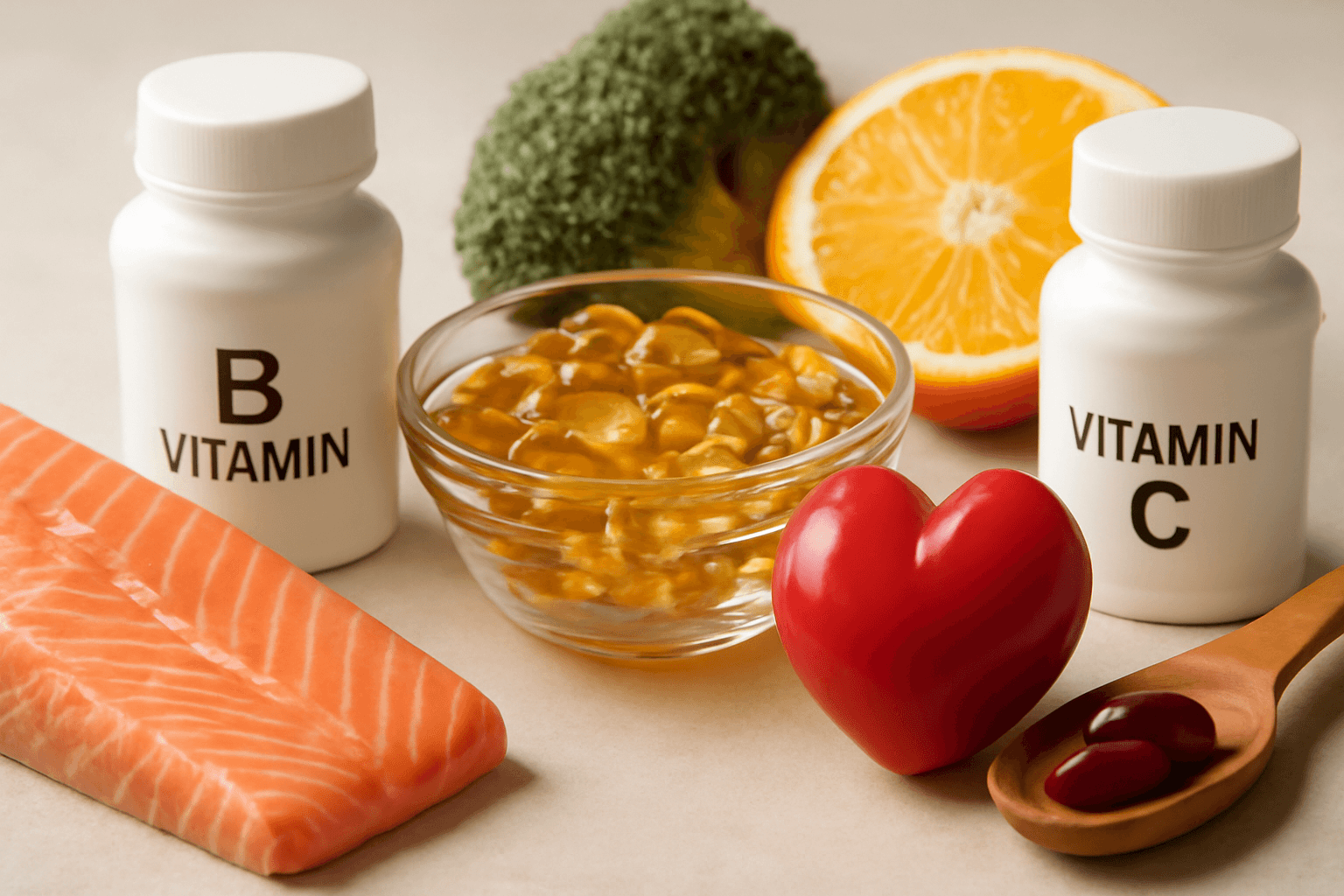
Vitamin C is the most powerful water-soluble antioxidant. While the daily recommended amount is 90mg for men and 75mg for women, it is more effective to consume 200-500mg divided into multiple doses to maximize antioxidant effects. It is abundant in oranges, kiwis, bell peppers, and broccoli, and it is best consumed raw since heat destroys its potency.
Vitamin E is a fat-soluble antioxidant that protects the lipids in cell membranes. The daily recommended amount of 15mg is contained in 23 almonds, 1 tablespoon of sunflower oil, or 2 cups of spinach. It is noteworthy that when vitamins C and E are consumed together, they work synergistically by mutually restoring each other's antioxidant effects.
Polyphenol compounds are also powerful antioxidants. EGCG in green tea activates antioxidant genes in cells, anthocyanins in berries have neuroprotective effects, and resveratrol in red wine activates SIRT1, a longevity gene. Consuming a variety of colored fruits and vegetables daily allows you to obtain a diverse range of antioxidant compounds.
- Vitamin C-rich foods: Oranges, bell peppers, broccoli, kiwis (recommended daily intake of 200-500mg)
- Vitamin E-rich foods: Almonds, sunflower oil, spinach (15mg daily)
- Polyphenol-rich foods: Green tea, berries, red wine, dark chocolate (70% or higher)
- Tips for consuming antioxidant foods: Fresh, in multiple colors, minimally cooked
Healthy Mitochondria and Slowing Aging
Mitochondria are the energy factories of cells, producing 90% of the body's total energy. When mitochondrial function deteriorates during aging, decreased ATP production, increased free radicals, and accelerated cellular damage occur. In fact, people over 80 have 20-30% lower mitochondrial function compared to those in their 30s.
Protein intake is key to mitochondrial health. Muscle is a major storage site for mitochondria, and as we age, the ability to synthesize protein decreases, resulting in sarcopenia. After age 50, muscle mass decreases by 3-8% annually. To prevent this, you should consume 1.0-1.2g of protein per kilogram of body weight. For someone weighing 60kg, a daily protein intake of 60-72g is necessary.
When consuming protein, digestive efficiency is also important. As we age, stomach acid secretion and digestive enzyme activity decrease, reducing protein absorption. Therefore, it is helpful to divide protein intake into multiple servings and consume fermented foods (yogurt, kimchi, miso) alongside it to facilitate digestion. High-quality proteins like eggs, fish, and tofu have a high satiety index, preventing overeating while providing adequate nutrition.
Sleep is the most important condition for mitochondrial regeneration. During deep sleep, the brain activates the glymphatic system, expanding the space between cells by 35% and removing metabolic waste. Insufficient sleep can reduce mitochondrial function by 30-40%. Adults need 7-9 hours of continuous sleep daily, and maintaining a consistent sleep schedule is most effective.
Exercise is also essential for mitochondrial health. High-intensity interval training (HIIT) can increase mitochondrial production by up to 50% in half the time of regular exercise. A combination of 30 minutes of resistance and aerobic exercise 3-4 times per week is ideal.
Mitochondrial Health Management Checklist:
✓ Daily protein: 1.0-1.2g per kilogram of body weight
✓ Sleep: 7-9 hours of consistent sleep daily
✓ Exercise: Resistance and aerobic exercise 30 minutes, 3-4 times per week
✓ Digestive health: Consume fermented foods
✓ Antioxidant foods: Colorful fruits and vegetables daily
Inflammation and Slowing Aging
Chronic low-grade inflammation, called "inflammaging," is one of the key causes of aging. As we age, inflammatory markers throughout the body (IL-6, TNF-α, CRP) gradually increase, reducing immunity and increasing disease risk. A C-reactive protein (CRP) level of 3mg/L or higher in a standard blood test indicates a high-risk group.
Stress management is the most direct means of inflammation suppression. Chronic stress elevates cortisol levels, inhibiting immune cell function and triggering inflammatory responses. Ten minutes of meditation can reduce stress hormones by 23%, and deep breathing exercises activate the parasympathetic nervous system to alleviate inflammatory responses within 5-10 minutes. Practicing mindfulness meditation 5 times per week for 10 minutes can reduce inflammatory markers by approximately 15-20% after about 8 weeks.
The dietary inflammatory index is also important. Ultra-processed foods, refined carbohydrates, and excessive sugar trigger inflammation, while the following foods have anti-inflammatory effects:
- Omega-3 fatty acids: Salmon, mackerel, flaxseed, walnuts - reduce IL-6 by 25%
- Turmeric (curcumin): The active ingredient in turmeric provides anti-inflammatory effects at the level of NSAIDs
- Ginger: Consuming 1-2g of fresh ginger reduces muscle pain inflammation by 25%
- Olive oil: Oleuropein in extra virgin olive oil protects the intestinal lining and suppresses inflammation
- Cruciferous vegetables: Sulforaphane in broccoli, cabbage, and cauliflower directly blocks inflammatory signaling pathways
Strengthening immunity also leads to inflammation suppression. The greater the diversity of intestinal microbiota, the stronger the immunity and lower the inflammation. Consuming probiotics (yogurt, kimchi, kombucha) together with prebiotics (onions, garlic, asparagus, whole grains) promotes beneficial gut bacteria, strengthens the intestinal lining, and lowers inflammation levels.
Sleep deprivation significantly increases inflammation. Less than 6 hours of sleep increases inflammatory markers by 40-50%, and this increases the risk of cardiovascular disease and cancer more than threefold. Maintaining a consistent sleep schedule, avoiding screens for one hour before bed, and maintaining a dark environment improve sleep quality and lower nighttime inflammation levels.
Summary
The key strategy for slowing aging can be summarized into three principles:
- Strengthen antioxidant defense: Daily consumption of vitamin C (200-500mg), vitamin E (15mg), and polyphenol foods minimizes free radical damage.
- Maintain mitochondrial function: Optimize cellular energy production through 1.0-1.2g of protein per kilogram of body weight, 7-9 hours of consistent sleep, and 3-4 times weekly exercise.
- Suppress chronic inflammation: Prevent inflammaging through stress management (meditation, deep breathing), anti-inflammatory food consumption, and gut health management.
These three strategies interact and work synergistically. An antioxidant-rich diet improves digestion and strengthens gut health, while adequate sleep enhances antioxidant defense capacity and suppresses inflammatory responses. Regular exercise strengthens mitochondrial function while simultaneously reducing stress.
Consultation with healthcare professionals: If you have any health conditions, particularly cardiovascular disease, diabetes, or chronic inflammation, or before starting a new diet or exercise program, please consult with a doctor or nutritionist. In particular, high-dose antioxidant supplements can interact with certain medications, so it is safer to choose them under professional guidance.
Aging is inevitable, but it is controllable. Small lifestyle improvements accumulate and can slow your biological age by years. If you implement just one change today, your health status 10 years from now will be significantly different.