Sea moss is a marine plant that has long been consumed as a traditional food in coastal regions around the world. Recently gaining attention as a superfood, sea moss contains over 80 minerals including protein, iodine, iron, zinc, and omega-3, making it effective for supplementing nutritional deficiencies in modern diets. This article will examine in detail the specific health benefits and nutritional value of sea moss, as well as safe consumption methods.
What is Sea Moss?
Sea moss (also known as Carrageenan Moss) is a red algae that inhabits reef areas in the Atlantic and Pacific oceans. Its scientific name is Chondrus crispus, and it is primarily harvested in Ireland, Jamaica, and Peru. Traditionally, people in Ireland and the Caribbean have steeped sea moss in milk and consumed it like a tonic, and it has also been widely used in African traditional medicine for treating infections and coughs.
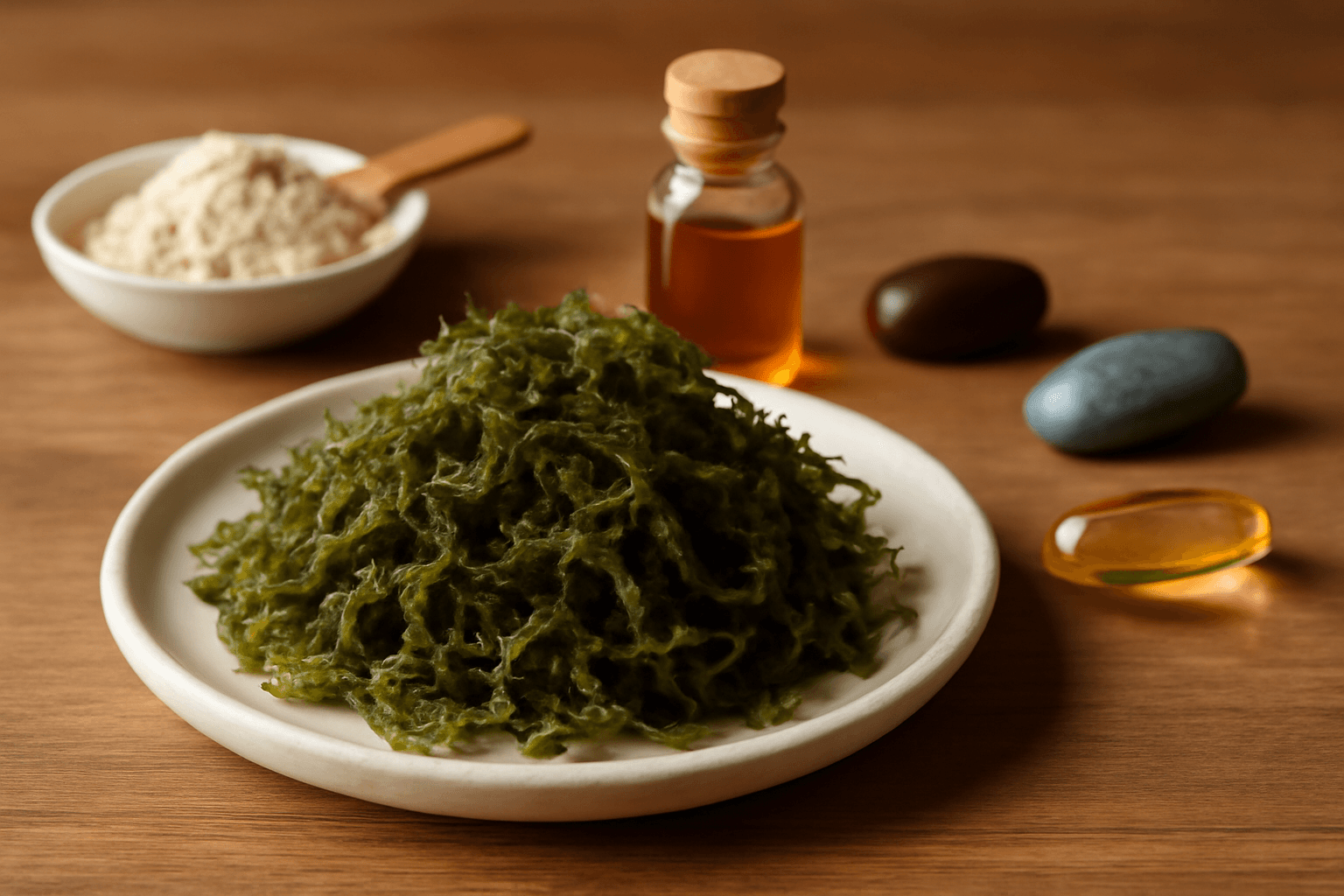
The most distinctive characteristic of sea moss is that it is rich in carrageenan, a water-soluble polysaccharide. This component forms a gel-like substance in the digestive system, providing several health benefits. In modern times, it is sold in various forms including powder, gel, capsules, and dried form, and can be consumed by adding it to smoothies, soups, tea, and jellies.
1. Rich in Nutrients Beneficial to Health
A single serving of 30g (dry weight) of sea moss contains a remarkable amount of essential nutrients. It includes 1.5g of protein, 9% of the recommended daily iron intake, 7% of the recommended calcium intake, and 6% of the recommended potassium intake. Notably, iodine is present in amounts reaching 475% of the daily recommended value, which is a very important figure for maintaining thyroid health.
Sea moss is also a good source of omega-3 fatty acids, providing alpha-linolenic acid, a plant-based omega-3. It also contains vitamins such as vitamin A, vitamin K, and folate, making it possible to supplement various nutritional deficiencies with a single food. Zinc, an essential mineral for immune system enhancement, is present in appropriate amounts in sea moss.
It is particularly noteworthy that the nutritional value of sea moss varies depending on the region and harvest time. Sea moss harvested in winter tends to have higher mineral content than products harvested in summer, so it is advisable to check the country of origin and harvest period when selecting products.
2. Thyroid Health Benefits
The high level of iodine contained in sea moss directly participates in the production of thyroid hormones. The thyroid regulates essential bodily functions including metabolism, energy production, and body temperature regulation. Iodine deficiency can cause hypothyroidism and goiter. In particular, iodine deficiency during pregnancy can have serious effects on fetal brain development, requiring careful attention.
However, caution is necessary for those with thyroid disease. Excessive iodine intake can worsen hyperthyroidism or autoimmune thyroiditis. If you have thyroid-related conditions, you should consult a healthcare professional before determining your intake amount. Generally, the daily recommended iodine intake for healthy adults is 150mcg, so excessive consumption should be avoided when consuming sea moss.
It is also important to note that marine plants can concentrate contaminants from their environment. It is wise to select verified products from reliable suppliers and purchase products that have undergone heavy metal testing.
3. Gut Health Benefits
The carrageenan in sea moss acts as a prebiotic fiber that promotes the growth of beneficial bacteria in the gut. This contributes to improving gut microbiome balance and strengthening digestive health. Gut microbiota provide a wide range of health benefits including enhanced immune function, reduced inflammation, and improved nutrient absorption.
The gelatinous nature of sea moss helps soothe and protect the digestive tract. This can help alleviate symptoms of irritable bowel syndrome (IBS) and inflammatory bowel disease. Additionally, carrageenan acts as a natural laxative, promoting healthy bowel movements and relieving constipation.
However, some research has suggested that carrageenan may cause gut inflammation at high concentrations, making appropriate intake important. Generally, 1-2 tablespoons of sea moss gel per day (approximately 5-10g) is considered a safe intake amount. If you have intestinal conditions or sensitive digestion, start with a small amount and observe your body's response before adjusting the amount.
4. Skin Health Benefits
The abundant vitamins A and K and antioxidant components in sea moss provide multifaceted benefits for skin health. Vitamin A promotes collagen production and accelerates skin cell regeneration, reducing wrinkles and fine lines. Antioxidants prevent skin aging caused by free radicals and maintain skin elasticity.
Mineral components in sea moss, particularly sulfur, are effective in treating dermatitis and acne. Sulfur works through antibacterial and anti-inflammatory action to prevent skin infections and reduce inflammation. It also contains amino acids that support collagen and elastin production, improving skin firmness and flexibility.
For skin health, topical application is effective along with oral consumption. Sea moss gel can be used as a facial mask or mixed into homemade skincare products. For those with sensitive skin, it is advisable to perform a patch test first to check for allergic reactions.
5. Brain Health Benefits
The omega-3 fatty acids and mineral components in sea moss are essential for maintaining brain function. Omega-3s are a structural component of brain cells (neurons) and play an important role in neural signal transmission and the maintenance of the brain's neural membrane. Alpha-linolenic acid (ALA), a plant-based omega-3, is partially converted to EPA and DHA in the body to support brain health.
Potassium regulates nerve transmission and improves cerebral blood flow, contributing to enhanced cognitive function. Iron supports brain energy production through oxygen transport, and magnesium regulates neural excitability and alleviates stress responses. The combined action of these components can improve memory, concentration, and neuroprotective function.
Additionally, the anti-inflammatory action of sea moss can reduce neuroinflammation and decrease the risk of neurodegenerative diseases. However, promoting brain health requires more than just sea moss consumption; comprehensive lifestyle improvements including regular exercise, adequate sleep, and mentally stimulating activities are necessary.
Summary: Key Points for Consuming Sea Moss
Sea moss is a nutrient-dense food containing over 80 minerals and essential nutrients. The main benefits are as follows:
- Thyroid Health: High iodine content supports thyroid hormone production (medical consultation is essential for those with thyroid disease)
- Gut Health: Prebiotic fiber improves gut microbiome balance and promotes digestion
- Skin Health: Antioxidant components and vitamin A promote collagen production and prevent aging
- Brain Health: Omega-3 and minerals support neural function and cognitive ability
Safe Consumption Methods:
- Daily recommended amount: 1-2 tablespoons (dry weight) or 5-10g in gel form
- Select verified products from reliable suppliers
- Purchase products that have undergone heavy metal testing
- Medical professional consultation is essential if you have thyroid disease, are taking medications, or are pregnant
- Start with a small amount when consuming new foods and observe your body's response
Sea moss, as a natural superfood, offers many health benefits, but it is not suitable for everyone. Since marine plants can concentrate environmental contaminants, verifying product quality is very important. When consumed wisely according to health status and individual circumstances, sea moss can be an effective supplementary food for overall health improvement.