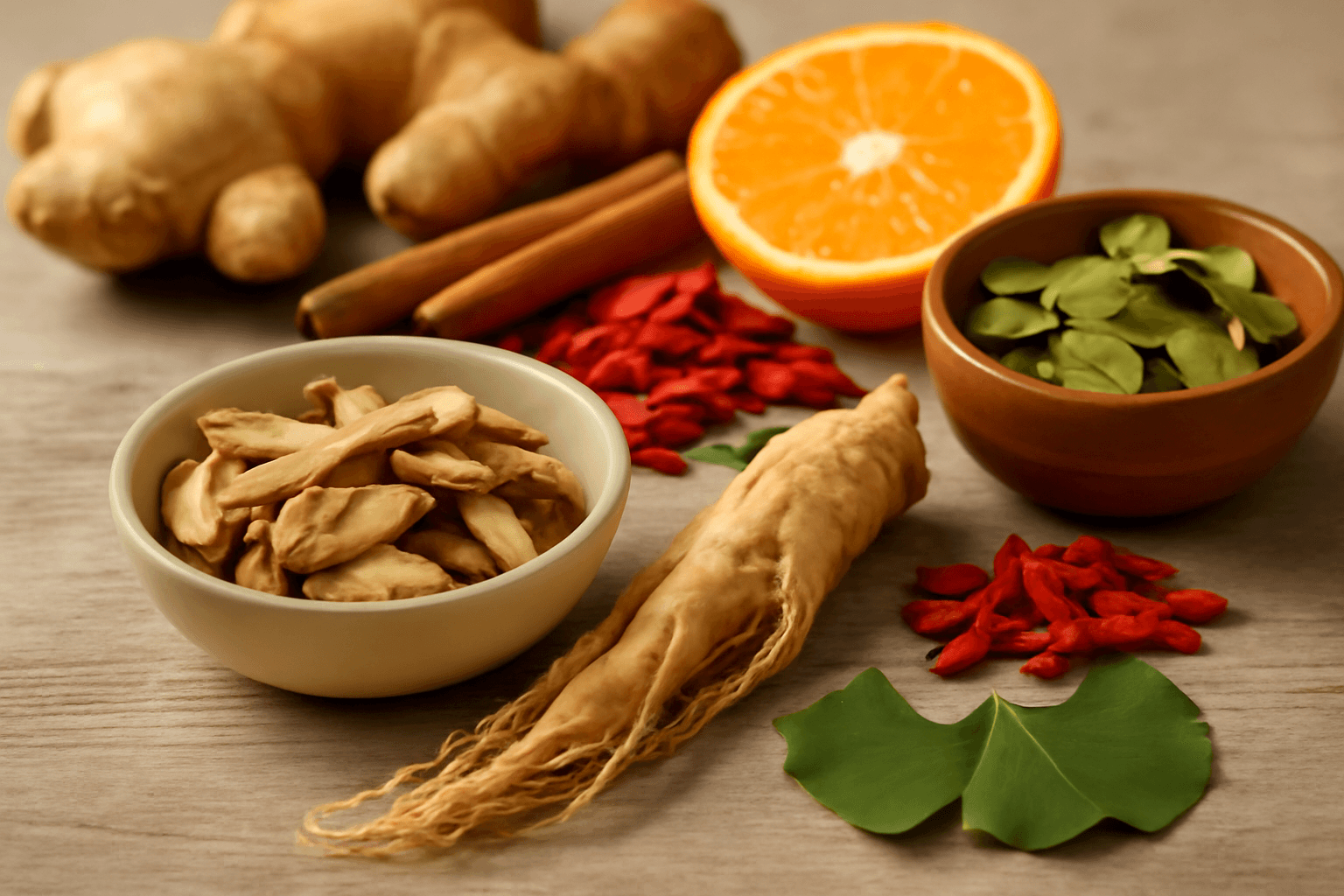
Breastfeeding provides the best nutrition for newborns, but a mother's health status directly impacts the quality and quantity of breast milk. Adequate protein intake, regular sleep, blood sugar management, and strengthened immunity, along with essential nutrients like iron, vitamin B, and omega-3, are all crucial for milk production. This article introduces practical methods to maximize breast milk health based on medical evidence.
Ways to Increase Milk Supply
Breast milk production follows the principle of supply and demand. The more frequently a baby breastfeeds, the more prolactin hormone is secreted from the pituitary gland, increasing milk production. Frequent nursing at least 8 times a day is ideal, and nighttime nursing (10 p.m. to 6 a.m.) in particular increases prolactin levels by 40-50%.
Adequate fluid intake is also key. Since breast milk is approximately 87% water, nursing mothers should consume 3 to 3.5 liters of fluids daily. Research shows that drinking an additional 500-1000mL beyond typical fluid intake increases milk supply by 15-20%.
Protein is a core component of breast milk. Nursing mothers need at least 71g of protein daily, and consuming a variety of eggs, fish, tofu, and nuts increases the immunoglobulin content in breast milk. Foods rich in omega-3 fatty acids (eating fish 2-3 times per week) are especially essential for supporting baby's brain development.
Stress management cannot be overlooked. High cortisol levels interfere with oxytocin secretion, suppressing the milk letdown reflex. Daily meditation for 20-30 minutes, regular walks, and adequate sleep (at least 6 hours) maintain hormonal balance and keep milk supply stable.
Herbal Galactagogues and Milk Supply
Several herbs traditionally used in traditional medicine have been scientifically validated for their milk-promoting effects. These herbs are called galactagogues and work by increasing prolactin hormone secretion or sensitivity of breast tissue. However, these are supplementary aids and cannot completely replace frequent nursing and proper nutrition.
When using herbs, always consult with a healthcare professional. Some herbs can interact with certain medications or trigger allergic reactions, and side effects may occur depending on individual health conditions. Extra caution is necessary if pregnant or if you have specific medical conditions.
Fenugreek
Fenugreek is the oldest and most extensively researched galactagogue. This plant's seeds, which have a maple scent, contain a compound called diosgenin that acts similarly to estrogen. In clinical trials, women who consumed fenugreek 3-4 times daily experienced an average 27.5% increase in milk supply.
The standard method is to take 610-1830mg of fenugreek seed extract daily, divided into 3 doses. Effects typically begin within 2-3 days, with maximum benefits achieved after at least 3 weeks of continuous use. However, since fenugreek lowers blood sugar, consultation with healthcare providers is essential if taking diabetes medications.
Side effects include diarrhea, abdominal bloating, and changes in urine odor to maple scent. It should be avoided during pregnancy due to preterm labor risk, and caution is needed for those with tree nut allergies.
Shatavari
Shatavari (Asparagus racemosus) was called "a woman with one hundred husbands" in Ayurvedic traditional medicine, indicating its important role in women's health. Modern research shows that the steroidal saponin compounds in this plant activate prolactin receptors to promote milk production.
In clinical research, nursing mothers who took 5g of shatavari extract twice daily experienced an average 32% increase in milk supply after 4 weeks. It has more sustained effects than fenugreek and has minimal impact on blood sugar, making it safe for diabetic patients. Its high iron and B-vitamin content also helps prevent anemia in nursing mothers.
The advantage of shatavari is the safety of long-term use. Few side effects have been reported even with use longer than 3 months. However, since the milk-increasing effects appear more gradually than fenugreek, patient and consistent use is necessary. Use during pregnancy is not recommended, and medical consultation is needed if there's a history of dysbiosis.
Milk Thistle
Silymarin, the main active component of milk thistle (Silybum marianum), is well known as an antioxidant that supports liver health. When the liver is healthy, hormone metabolism becomes smooth, which ultimately leads to efficient regulation of milk-producing hormones. Additionally, silymarin has anti-inflammatory properties that help prevent mastitis.
The milk-increasing effect is milder than other galactagogues, but it excels at improving breast milk composition. The antioxidants in milk thistle increase the antioxidant capacity of breast milk, enhancing newborn immunity. In an 8-week study, women taking 420mg of milk thistle extract three times daily showed an average 38% increase in breast milk antioxidant index.
In terms of safety, milk thistle is one of the safest galactagogues for breastfeeding. It has almost no side effects and limited drug interactions. However, people with allergies to plants in the daisy family should exercise caution, and those with a history of estrogen-sensitive cancer must consult with healthcare providers.
Moringa oleifera (Malunggay)
Moringa oleifera is called the "tree of life" and has been traditionally used as food for nursing mothers, particularly in Southeast Asia. The leaves and seeds of this plant are extremely rich in protein, calcium, iron, vitamins A, B, C, and omega-3.
What makes moringa special is that it goes beyond simple galactagogue action to increase the nutritional value of breast milk itself. In a Philippine study, mothers who consumed 5g of moringa leaf powder daily showed an average 23% increase in breast milk protein concentration and 34% higher iron content. This directly supports newborn immunity and cognitive development.
Another advantage of moringa is its antioxidant capacity. With very high vitamin E and polyphenol content, it significantly increases the antioxidant index of breast milk. Babies of mothers who consumed moringa for the first 6 months showed 24% lower incidence of infectious diseases compared to those whose mothers didn't.
Moringa can be consumed in leaf, seed, or powder form. Fresh leaves can be cooked like spinach and added to meals, while powder can be added to smoothies or soups. A safe daily dose is 5-15g of moringa powder, with effects typically appearing within 2 weeks. Since it has blood-sugar-lowering effects, medical consultation is necessary if taking diabetes medications.
Summary: Key Strategies to Maximize Breast Milk Health
1. Prioritize basics: Frequent nursing (8+ times daily), adequate fluid intake (3-3.5 liters), sufficient protein (71g+), and regular sleep (6+ hours) form the foundation of all strategies.
2. Focus on key nutrients: Protein, iron, B vitamins, and omega-3 are direct components of breast milk. Consume meat, fish, eggs, nuts, and vegetables daily to maximize breast milk nutritional density.
3. Understand the role of herbs: Fenugreek provides the fastest effect (2-3 days), shatavari offers the most sustained effect, milk thistle enhances antioxidants, and moringa improves overall nutrition.
4. Personalized approach: Choose appropriate herbs based on individual health conditions such as diabetes, medication use, and allergies. Always consult with an obstetrician-gynecologist or lactation specialist before starting herbs.
5. Stress and hormones: Activities like meditation, walks, and massage that lower cortisol levels help promote oxytocin secretion, which triggers the milk letdown reflex.
Medical consultation is essential: Always consult with an obstetrician-gynecologist, lactation consultant, or pharmacist before taking any health supplements or herbs while breastfeeding. This is especially important if you have existing conditions or are taking medications. The information in this article is for educational purposes and cannot replace medical advice.