Irritable bowel syndrome (IBS) is a common digestive disorder experienced by 10-15% of the global population. While it causes significant daily inconvenience through chronic abdominal pain, diarrhea, and constipation, it does not cause long-term tissue damage. This article provides a detailed explanation of IBS symptoms, types, diagnostic methods, and six natural supplements that can help relieve symptoms.
What Are the Symptoms of Irritable Bowel Syndrome?
IBS symptoms vary greatly from person to person but are typically characterized by chronic symptoms lasting three months or longer. The most common symptom is abdominal pain and discomfort, which temporarily improves after bowel movements.
- Changes in bowel habits: Diarrhea, constipation, or alternating between the two
- Abdominal symptoms: Cramping, bloating, gas production
- Mucus in stool: White or clear mucus noticed during bowel movements
- Post-meal worsening: Symptom intensification after consuming certain foods
- Systemic symptoms: Fatigue, sleep disturbances, headaches
Symptom severity fluctuates based on stress, menstrual cycles, and dietary changes. Some patients experience natural symptom relief over years, while others require ongoing management. If symptoms persist for three months or longer, medical evaluation is necessary.
How Is Irritable Bowel Syndrome Diagnosed?
IBS cannot be definitively confirmed through specific biomarkers or imaging tests, so diagnosis is based on clinical symptoms. The Rome IV Criteria serves as the internationally recognized standard diagnostic framework. According to these criteria, patients must have experienced abdominal pain on at least three days per month over the past three months, along with at least two of the following: symptom relief related to bowel movements, changes in bowel movement frequency, or changes in stool form.
During diagnosis, physicians conduct a detailed medical history, physical examination, and blood tests. Normal inflammatory markers (CRP, ESR), normal thyroid function, and negative celiac serological testing support an IBS diagnosis. When necessary, colonoscopy is performed to exclude other conditions such as inflammatory bowel disease or colorectal cancer.
After diagnosis, healthcare providers recommend keeping a symptom diary. Tracking the relationships between meals, stress, and symptoms helps identify individual triggers and establish a personalized management plan.
Types of Irritable Bowel Syndrome
IBS is classified into four types based on bowel habits. Each type requires different management approaches, so accurate classification is key to successful treatment.
IBS-D (Diarrhea-Predominant)
Accounts for approximately 30-40% of all IBS patients, with over 75% of bowel movements being loose or watery. It is characterized by sudden urges to defecate and frequent bowel movements, significantly limiting daily activities. The diarrhea-predominant type shows high sensitivity to stress and caffeine.
IBS-C (Constipation-Predominant)
Accounts for approximately 25-35% of all patients, with over 75% of bowel movements being hard or lumpy. Bowel movement frequency decreases to fewer than three times weekly, and defecation requires significant straining and effort. Patients with this type experience notable abdominal bloating and discomfort.
IBS-M (Mixed)
Accounts for approximately 30-40% of all patients, with loose and hard bowel movements alternating. This type involves significant variability, making management complex and triggering factors difficult to identify. It is known as the most difficult type to treat.
IBS-U (Unclassified)
This applies when bowel habits do not meet the diagnostic criteria for IBS. Patients should be observed until symptoms meet the criteria or alternative diagnostic frameworks should be applied.
Triggers of Irritable Bowel Syndrome
The pathogenesis of IBS is complex, involving interaction between biological and psychosocial factors. Research indicates that small intestinal bacterial overgrowth (SIBO), intestinal dysbiosis, and increased intestinal permeability are key biological mechanisms.
Dietary factors include high FODMAP foods. FODMAP stands for fermentable oligosaccharides, disaccharides, monosaccharides, and polyols. These components are not absorbed in the small intestine and draw water through osmosis while producing gas through fermentation. Onions, garlic, wheat, dairy, excessive fat, and caffeine worsen symptoms.
Psychological factors such as stress, anxiety, and depression alter intestinal motility and sensitivity through the gut-brain axis. IBS patients show greater neural reactivity to psychological stress compared to healthy individuals.
Other factors include infection (bacterial gastroenteritis increases IBS risk fourfold), antibiotic use causing microbial damage, hormonal changes (women have over twice the prevalence of men), and genetic predisposition.
Comorbid Conditions with Irritable Bowel Syndrome
IBS patients have a higher probability of concurrent functional disorders such as gastroesophageal reflux disease, functional dyspepsia, and overactive bladder. Between 50-90% of all IBS patients receive a diagnosis of at least one additional condition.
Mental health disorders show high association with IBS. Depression is three times more common in IBS patients than in the general population, and anxiety and panic disorders are frequent. These psychological conditions can be both cause and consequence of IBS, making mental health management important in treatment.
Sleep disorders occur in over 50% of IBS patients, creating a vicious cycle through nighttime symptoms disrupting sleep and stress worsening symptoms. Fibromyalgia and chronic fatigue syndrome frequently co-occur with IBS, suggesting they may share common neurobiological mechanisms.
Prescription Medications for Irritable Bowel Syndrome
The first step in IBS treatment is dietary improvement, stress management, and exercise. If symptoms persist despite these lifestyle modifications, pharmacological treatment begins.
For IBS-D (diarrhea-predominant) treatment, loperamide (Imodium) is the first-line agent, with alosetron (Lotronex), a more potent selective 5-HT4 receptor antagonist, also used. Bile acid sequestrants also show efficacy.
For IBS-C (constipation-predominant) treatment, secretory agents such as lubiprostone (Amitiza) and linaclotide (Linzess) are effective. These increase fluid secretion in the intestines, promoting stool passage. Osmotic laxatives such as polyethylene glycol (PEG) are also used safely.
For abdominal pain, tricyclic antidepressants (amitriptyline, nortriptyline) are used at low doses, providing both neuropathic pain control and depression treatment benefits. The anticonvulsant pregabalin also shows efficacy.
Important note: All medications have side effects and contraindications, requiring thorough consultation with a healthcare professional before use. Alosetron in particular carries a risk of ischemic colitis and should only be used under strict monitoring.
Six Natural Supplements to Help Relieve Irritable Bowel Syndrome
Beyond medications, clinically supported natural supplements may help relieve IBS symptoms. Before using any supplement, consult a healthcare professional and verify interactions with existing medications.
1. Probiotics
Probiotics are live beneficial bacteria that improve intestinal dysbiosis in IBS patients. According to meta-analyses, probiotics improve overall IBS symptoms by approximately 25%, with particular effectiveness for abdominal bloating and gas symptoms.
Effective strains include Bifidobacterium longum, Lactobacillus plantarum, and Saccharomyces boulardii. Generally, 50 billion to 100 billion CFU (colony-forming units) daily for at least eight weeks shows benefit.
Probiotics increase intestinal microbial diversity, strengthen the intestinal mucosal barrier, and reduce inflammatory cytokines. Refrigerated storage is essential, and when selecting products, choose those containing clinically validated strains.
2. Prebiotics
Prebiotics are non-digestible food components that promote beneficial bacterial growth. Inulin and oligofructose are primary forms, selectively stimulating the growth of Bifidobacterium and Lactobacillus.
Clinical research shows 25-30% improvement in IBS symptoms with prebiotic supplementation, with particular effectiveness for abdominal pain and constipation. However, IBS-D patients may initially experience increased bloating and gas, requiring titration starting with low doses and gradually increasing.
Prebiotics are naturally found in foods (onions, garlic, bananas, asparagus) but supplemental forms provide higher concentrations. Effect evaluation after 8-12 weeks of supplementation is recommended.
3. Omega-3 Fatty Acids
Omega-3 fatty acids (particularly EPA and DHA) have potent anti-inflammatory effects, reducing intestinal inflammation in IBS patients. Research shows omega-3 supplementation inhibits inflammatory cytokines such as prostaglandin E2 and tumor necrosis factor-alpha.
Supplementing 2-3g of omega-3 fatty acids weekly (containing 1.5-3g EPA and 1-2g DHA) for at least 12 weeks significantly improves abdominal pain and diarrhea symptoms. Various forms exist including fish oil supplements, algae-derived omega-3, and flaxseed oil.
High-dose omega-3 has anticoagulant effects, requiring medical supervision for patients taking blood thinners. Some patients may experience gastrointestinal discomfort, so starting with low doses is advisable.
4. Magnesium
Magnesium participates in over 300 enzyme reactions and plays important roles in intestinal motility, neurotransmission, and muscle relaxation. IBS patients have high rates of magnesium deficiency, and supplementation can normalize intestinal motility and improve constipation.
Magnesium supplementation is particularly effective for constipation-predominant IBS, with 300-500mg daily divided into doses. Magnesium malate, glycinate, and bisglycinate have high bioavailability and minimal gastrointestinal side effects. Magnesium oxide and sulfate may cause diarrhea and should be avoided in diarrhea-predominant IBS.
Magnesium regulates stress response and normalizes cortisol secretion, particularly beneficial for IBS patients experiencing significant psychological stress. Patients with renal dysfunction should use magnesium under medical guidance.
5. Vitamin A and Vitamin C
Vitamin A is essential for intestinal epithelial cell differentiation and regeneration, enhancing mucosal immunity. IBS patients often have low vitamin A levels, and supplementation improves intestinal barrier integrity. Daily vitamin A in the 10,000-25,000 IU range is safe, though excessive supplementation (especially in pregnant women) carries teratogenic risk.
Vitamin C is a potent antioxidant that eliminates free radicals and prevents intestinal cell damage. Oxidative stress markers are elevated in IBS patients, and vitamin C supplementation (1-3g daily) reduces inflammation. However, high-dose vitamin C can cause diarrhea, requiring caution in IBS-D patients.
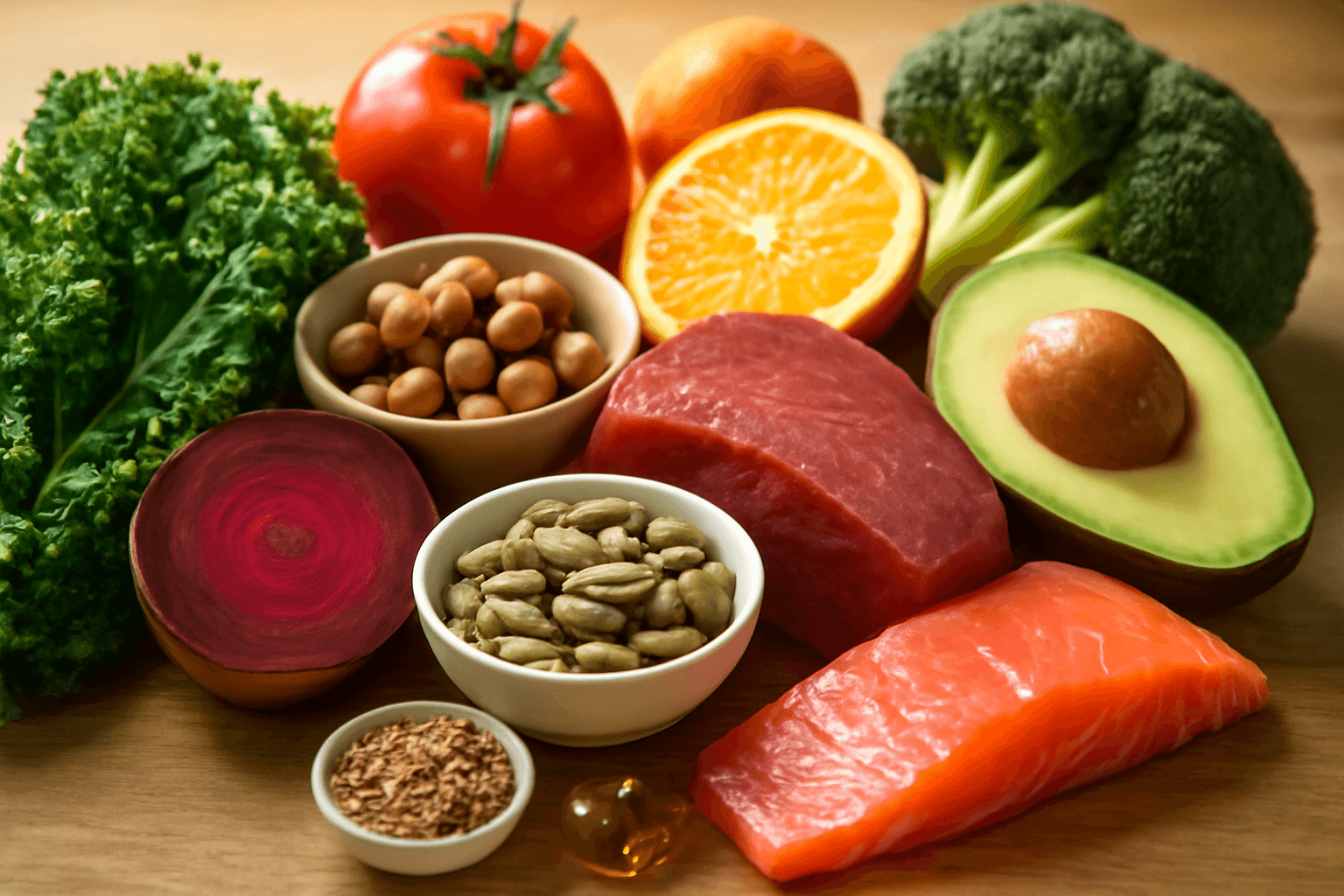
Vitamins A and C work synergistically to maximize antioxidant capacity. Adequate intake from natural foods (carrots, kale, oranges, bell peppers) is possible, but supplemental forms may be considered in severe cases.
6. Vitamin K
Vitamin K exists in two forms. Vitamin K1 (phylloquinone) is found primarily in leafy greens, while vitamin K2 (menaquinone) is produced by intestinal bacteria and found in fermented foods. Research shows vitamin K2 improves intestinal permeability and strengthens tight junction proteins.
Vitamin K deficiency is common in IBS patients, especially when antibiotic use has damaged the microbiota. Vitamin K2 supplementation (menaquinone-7, 45-180 mcg daily) reduces intestinal inflammation and improves microbial diversity.
Vitamin K2 can naturally be obtained from fermented foods such as natto (fermented soybeans), sauerkraut, and fermented cheese. Patients taking anticoagulants such as warfarin should supplement vitamin K only with medical consent.
Summary
Irritable bowel syndrome is a chronic but manageable condition. Accurate diagnosis and understanding of your IBS type is the first step toward effective treatment. Lifestyle modifications (dietary management, stress reduction, exercise) are fundamental treatment principles for all IBS patients, and medication or supplements are added under medical guidance if symptoms persist.
Probiotics and prebiotics improve the intestinal microbial environment, while omega-3, magnesium, and vitamins A/C/K strengthen intestinal inflammation reduction and mucosal integrity. Each supplement should be selected based on individual symptom type and health status, and always used after consulting a healthcare professional.
Professional medical consultation is essential: This information is for educational purposes and cannot replace medical diagnosis or treatment. If you have IBS symptoms, seek professional medical evaluation, and consult a pharmacist or physician before using any supplements. This is especially important if you are taking existing medications or have underlying medical conditions.