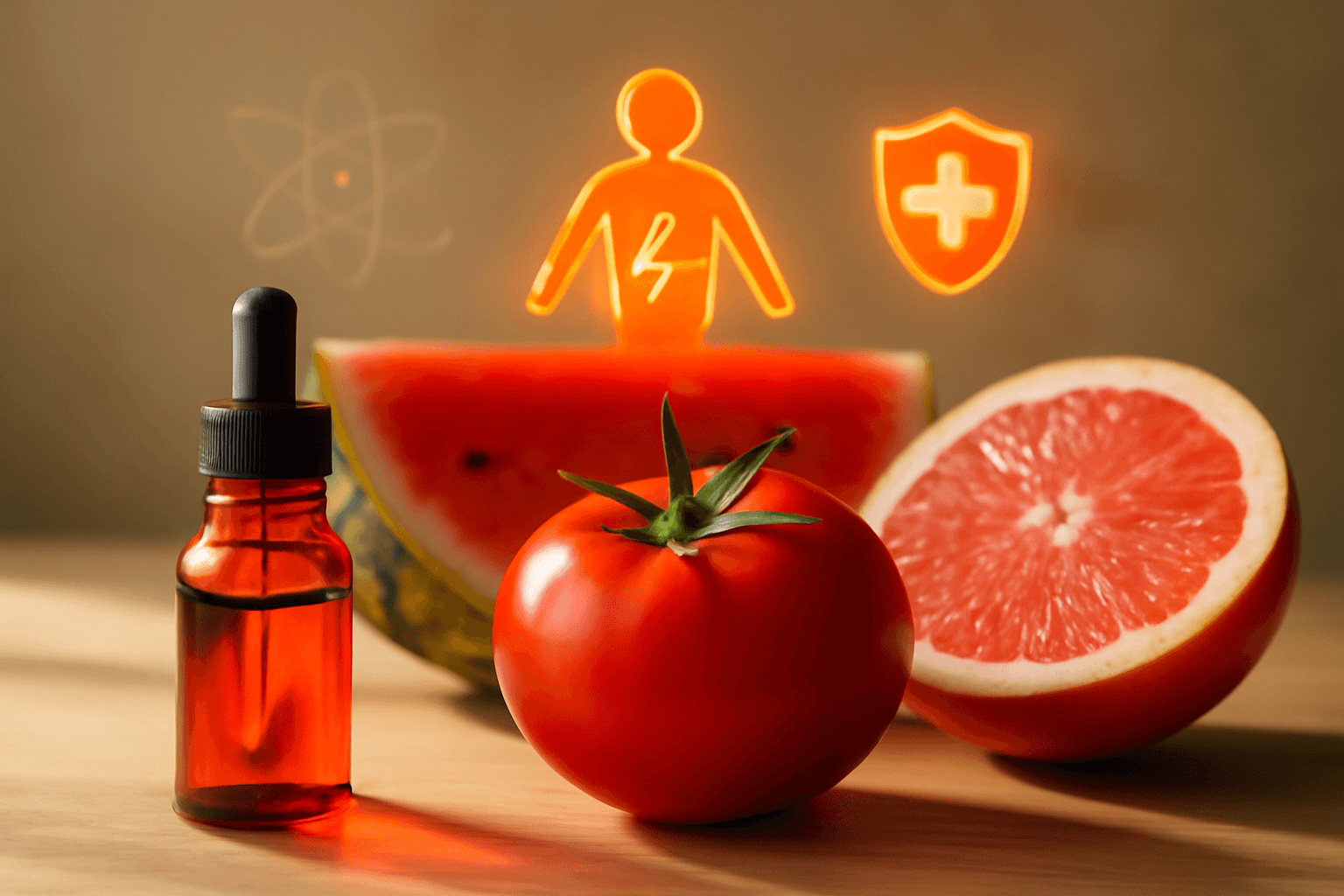
Lycopene is a powerful antioxidant found abundantly in red and orange fruits like tomatoes, watermelon, and pink grapefruit. This substance is more than just a pigment—it plays a crucial role in preventing cellular damage, protecting heart health, and strengthening immunity. It's particularly effective at protecting your body from oxidative stress that modern life creates, and sufficient daily intake can lead to long-term health improvements. This post will comprehensively cover what lycopene is, its specific health benefits, proper consumption methods, and whether you should take supplements.
What is Lycopene?
Lycopene is a natural pigment in the carotenoid family that plants produce to protect themselves from sunlight. Although similar in molecular structure to beta-carotene, lycopene's antioxidant ability is about twice as powerful as beta-carotene. Because lycopene is a fat-soluble substance, its absorption rate in the body increases up to four times when consumed with fat.
Interestingly, tomatoes have higher bioavailability of lycopene when cooked with heat compared to consuming them raw. You can actually absorb more lycopene from processed foods like tomato paste, tomato sauce, and tomato juice. Due to these characteristics, cooking methods and timing are important for efficient lycopene consumption.
Since lycopene is not synthesized in the human body, it must be obtained through food or supplements. It also accumulates in the body, so maintaining stable blood lycopene levels through consistent intake is key to health management.
What Are Lycopene's Benefits?
Heart Health Protection
Lycopene's best-known benefit is promoting cardiovascular health. According to a 2021 European Society of Cardiology study, people with high blood lycopene levels had a 26% lower risk of heart attack. Lycopene prevents the oxidation of LDL cholesterol (bad cholesterol) to prevent atherosclerosis. It also improves endothelial function in blood vessels, stabilizing blood pressure and improving blood flow.
Antioxidant and Anti-inflammatory Effects
Lycopene is a highly efficient antioxidant that removes free radicals from the body. Free radicals cause cellular damage and increase the risk of developing cancer, diabetes, and neurodegenerative diseases. Lycopene's antioxidant capacity is 100 times that of vitamin E and 10 times that of vitamin C. Simultaneously, it reduces C-reactive protein (CRP), a marker of inflammation in the body, alleviating chronic inflammation.
Immune System Enhancement
Lycopene activates the function of T cells and B cells that manage the immune system. Regular lycopene intake reduces the frequency of viral infections like colds and flu by 15-20%. It also promotes the phagocytic action of white blood cells, increasing resistance to bacterial infections.
Energy and Stress Improvement
Lycopene's anti-inflammatory effects also help alleviate chronic fatigue syndrome. When body inflammation decreases, energy metabolism becomes more active, lowering fatigue. Additionally, lycopene regulates cortisol (stress hormone) levels, accelerating recovery from mental stress.
Cancer Prevention
Multiple large-scale clinical trials have shown that regular lycopene intake reduces the risk of developing prostate cancer, breast cancer, and lung cancer. Specifically for prostate cancer, men who consumed tomato products at least twice a week had a 21-35% lower risk of developing the disease.
How Much Lycopene Do You Need Daily?
Currently, there is no officially established Recommended Dietary Allowance (RDA) for lycopene. However, numerous clinical studies have confirmed health benefits at a dosage of 15-30mg per day. This is equivalent to about two medium-sized tomatoes, or 2-3 tablespoons of tomato paste, or 200ml of tomato juice.
Lycopene content by food type is as follows:
- Tomato paste: 37.9mg per 100g
- Tomato sauce: 27.3mg per 100g
- Tomato juice: 9.3mg per 100ml
- Fresh tomato: 3.0mg per 100g
- Watermelon: 4.9mg per 100g
- Pink grapefruit: 3.6mg per 100g
- Papaya: 1.8mg per 100g
If you have a health improvement goal, it's ideal to consume a variety of these foods in combination to reach 15-30mg daily. Particularly if your goal is cardiovascular disease prevention or enhanced antioxidant protection, maintaining a level close to the 30mg upper limit consistently is effective.
What Lycopene Foods Should You Consume?
Tomato-Based Foods
Tomatoes are the richest natural source of lycopene. Fully ripe red tomatoes contain particularly high lycopene levels. When cooked with olive oil or butter, bioavailability increases significantly. Dishes like tomato sauce pasta, stew with tomato paste, and tomato soup maximize lycopene absorption.
Watermelon and Other Fruits
Watermelon contains about 5mg of lycopene per 100g. Consuming 200-300g of watermelon per serving provides 10-15mg of lycopene. Pink grapefruit is also a good source, and exotic fruits like papaya and guava also contain lycopene.
Diet to Maximize Lycopene Absorption
To maximize lycopene absorption, follow these principles:
- Always consume tomato products with fat (olive oil, nuts, cheese, etc.)
- Prioritize heat-cooked tomato products (three times higher absorption than raw tomatoes)
- Include tomato products as part of a complex meal rather than consuming alone
- Spread daily lycopene intake across 2-3 meals rather than concentrating in one meal
- Consume regularly (body accumulation effect maintains long-term health)
Is It Safe to Consume Too Much Lycopene?
Lycopene is a fat-soluble substance that may accumulate in the body with excessive consumption. Fortunately, toxic cases are very rare, but consuming extremely high doses (over 100mg daily for extended periods) can cause lycopenemia, a mild condition. This involves the skin turning orange and resolves when lycopene intake stops.
It's almost impossible to consume excessive amounts from tomato-based foods alone. You would need to consume 500g of tomato paste daily to reach 100mg. However, caution is necessary when using lycopene supplements concurrently or taking high-dose products.
Drug interactions should also be considered. If you're taking blood thinners (anticoagulants like warfarin), consult your healthcare provider before starting high-dose lycopene supplements. Similarly, if you have digestive disorders or are taking certain medications, professional medical guidance is advisable.
Should You Take Lycopene Supplements?
Food vs. Supplements
Nutritionists generally recommend prioritizing lycopene intake through food. Whole tomatoes contain dozens of bioactive compounds beyond lycopene, including potassium, vitamin C, dietary fiber, and flavonoids. When these components work together, they produce stronger health effects than the single compound alone.
However, supplements are practical in certain situations. If you have a tomato allergy, lack access to fresh tomatoes, or have a specific health condition (for example, being in a high-risk group where prostate cancer prevention is important), temporary use of lycopene supplements may be considered.
Supplement Selection Criteria
When selecting supplements, verify the following:
- Lycopene content: 10-15mg per serving is recommended
- Form: Fat-soluble capsule form has higher absorption
- Additives: Choose products without artificial colors or preservatives
- Certification: Products with GMP certification and third-party testing completed
- Source: Tomato extract-based products are superior to synthetic ones
If you're beginning a lycopene supplement, start with a low dose (10mg), observe for side effects, then adjust the dosage as needed. Particularly if you have digestive sensitivity, take it with meals to minimize gastrointestinal irritation.
When Supplements Aren't Necessary
As a healthy adult who regularly consumes fresh tomatoes or tomato-based foods, supplements are not essential. The lycopene requirement for general health maintenance (15-30mg/day) can be adequately met through food. Consider supplements only as an auxiliary option in special circumstances where food intake is limited.
Summary: Key Points for Lycopene Consumption
What lycopene is: A powerful antioxidant found in red fruits and vegetables with antioxidant ability twice as strong as beta-carotene.
Main health benefits: Heart health protection (26% reduction in heart attack risk), powerful antioxidant and anti-inflammatory effects, immune enhancement, cancer prevention, energy boost, and stress relief.
Daily recommended amount: 15-30mg, achievable with about two medium tomatoes, 2-3 tablespoons of tomato paste, or 300g of watermelon.
Optimal consumption method: Bioavailability increases up to four times when consuming cooked tomato products with fat. Tomato sauce, tomato soup, and tomato paste are more efficient than fresh tomatoes.
Safety: Side effects are rare at typical food consumption levels. Caution is needed only when taking high-dose supplements, and medical consultation is recommended if taking certain medications.
Supplement necessity: If you regularly consume tomato-based foods, supplements are not essential. Consider them supplementarily only if food access is limited or if preventing a specific disease is your goal.
Professional medical consultation: If you're already taking blood thinners, diabetes medications, or other chronic disease treatments, always consult your doctor or pharmacist before starting lycopene supplements. Individual professional guidance is particularly necessary if you have digestive or kidney disease.