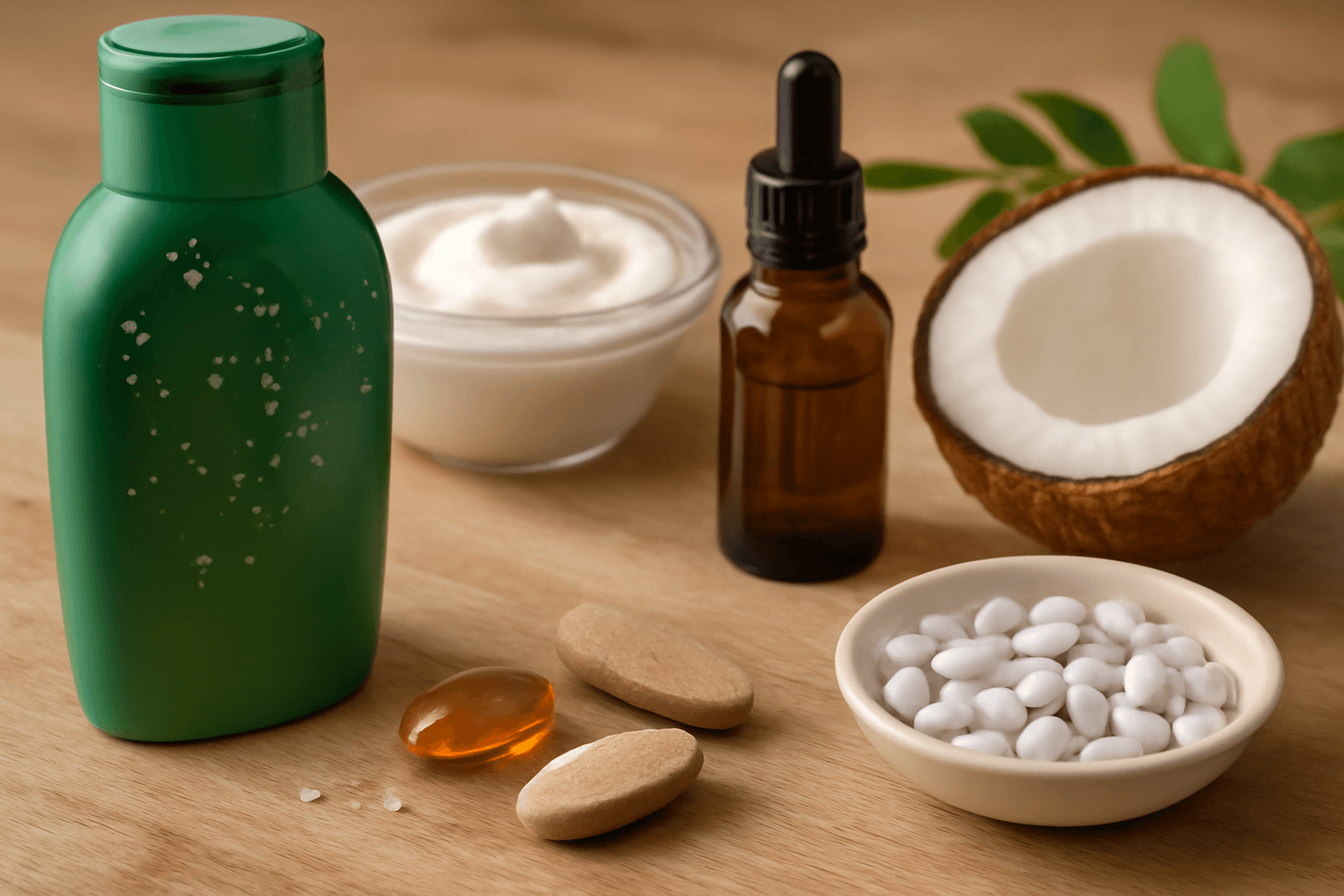
Oil pulling is a traditional wellness practice originating from Eastern medicine, particularly Ayurveda. It is known as a method of removing toxins, improving oral health, and strengthening overall immunity by using oil in the mouth. This method, which involves rinsing natural oils such as coconut oil in the mouth for a certain period, has recently gained attention in the wellness community, and many people are incorporating it into their daily routines.
What is Oil Pulling?
Oil pulling is a natural health practice that began approximately 3,000 years ago in Ayurvedic traditional medicine in India. It works by rinsing pure oil in the mouth for 15-20 minutes to remove harmful bacteria and toxins from the oral cavity. During this process, the oil combines with microorganisms in the mouth and is removed without being swallowed but rather spit out.
Traditionally, sesame oil and sunflower oil were used, but in modern times, coconut oil is the most popular choice. Coconut oil contains approximately 48-50% lauric acid, a component known to have antibacterial and anti-inflammatory properties. Additionally, coconut oil is solid at room temperature but converts to a liquid due to body heat in the mouth, allowing for effective rinsing.
In the modern wellness industry, oil pulling is promoted as a means of boosting overall immunity and eliminating body toxins, beyond simple oral cleansing. However, scientific evidence remains limited, and some claims require further verification.
How to Practice Oil Pulling
Oil pulling is a very simple procedure. Traditionally, it is performed every morning on an empty stomach, particularly before brushing your teeth. Place one tablespoon (approximately 15ml) of coconut oil in your mouth and slowly spread it throughout your oral cavity. Starting with vigorous rinsing from the beginning can tire the jaw muscles, so it is important to maintain a gentle and natural rhythm.
The typical duration is 15-20 minutes, though beginners should start with 5-10 minutes and gradually increase the time. During this process, the oil gradually becomes thinner and takes on a white color. This is a sign that the oil has combined with bacteria in the mouth. When the time is up, spit the oil into the sink, rinse your mouth several times with warm water, and then brush your teeth normally.
- Materials needed: High-quality coconut oil (organic, virgin oil recommended), measuring spoon
- Optimal timing: Morning on an empty stomach, before consuming any food
- Process: Gentle rinsing → maintain for 15-20 minutes → spit into sink → rinse with warm water → brush teeth as usual
- Frequency: 3-5 times per week or daily (adjust according to personal preference)
The most important thing to avoid during oil pulling is swallowing the oil. Since the oil has absorbed toxins from your mouth, it must be spit out. Even if you accidentally swallow it, there is no serious harm, but it can burden your digestion. Additionally, if you dispose of the oil in the toilet, it can damage your pipes, so you should wrap it in tissue and throw it in the trash, or spit it in the sink and rinse thoroughly with plenty of water.
Benefits of Coconut Oil Pulling
The most direct benefit claimed by oil pulling is improved oral health. There are reports that the lauric acid in coconut oil inhibits the growth of harmful oral bacteria, particularly Streptococcus mutans, a major cause of cavities and gum disease. Some studies have shown that four weeks of oil pulling reduced plaque formation and relieved gum inflammation. However, these effects cannot completely replace traditional brushing and flossing but rather serve a supplementary role.
The second claim is enhanced immunity. Oil pulling advocates argue that by reducing the microbial burden in the oral cavity, the body's immune system can function more efficiently. The mouth is one of the areas in the body with the highest concentration of microorganisms and can be a pathway for pathogens to enter the bloodstream. Therefore, the logic that improved oral hygiene can positively affect systemic health is fundamentally sound. However, scientific evidence that oil pulling is more effective than regular brushing is still lacking.
The third claimed benefit is body detoxification. In Ayurvedic tradition, oil pulling is explained as acting on the lymphatic system beneath the tongue to remove toxins from the body. However, modern medical evidence for the direct detoxification of the entire body through oral oil rinsing is limited. Body detoxification mainly occurs in the liver, kidneys, and lymphatic system, and adequate water intake, a balanced diet, and regular exercise are more important for supporting these processes.
Some additional reported benefits include:
- Improved bad breath: Direct effect from reduced oral bacteria
- Teeth whitening: Relative reduction in discoloration from plaque removal (different from professional whitening)
- Improved skin condition: Hypothesis that improved oral health leads to reduced systemic inflammation
- Improved sleep quality: Secondary effect from anti-inflammatory effects
Many of these benefits are based on personal anecdotes, and not many have been validated through large-scale clinical research. Therefore, it is wise to approach oil pulling as a complementary wellness practice while following basic oral hygiene care (brushing, flossing, regular checkups) rather than relying on it as a primary health management tool.
How Long Does It Take to Experience Results?
The time for experiencing results from oil pulling varies greatly from person to person. Some users report improvement in bad breath within the first week, but this may also be a placebo effect. More objective results, such as reduced plaque or relieved gum inflammation, generally appear after 3-4 weeks of consistent practice.
If the goal is to improve periodontal health, at least 2 months of continuous practice is recommended. One study showed that a group performing oil pulling daily had significantly reduced plaque index and gum bleeding after four weeks. However, it is difficult to clearly separate this from the effects of regular brushing and flossing.
What is particularly interesting is the importance of consistency. Regular practice of 5 or more times per week is much more effective than sporadic practice of 1-2 times per week. This suggests that the oral microbiome ecosystem responds to consistent stimulation. If you expect broad benefits such as enhanced immunity or improved systemic health, it is realistic to set a period of at least 3 months or more.
To objectively measure results, you can use the following methods:
- Dental professional diagnosis: Compare plaque and gum health status during regular checkups
- Personal observation: Record changes in bad breath, gum color, and bleeding
- Photo documentation: Take monthly photos of your tongue and gums to compare
- Health journal: Record changes in overall fatigue, sleep quality, and skin condition
An important caution is not to set excessive expectations. Oil pulling cannot cure cavities or completely resolve gingivitis. If you have oral disease, you must prioritize diagnosis and treatment from a dental professional, and use oil pulling only as a supplementary care method.
Conclusion
Oil pulling is a natural wellness practice with thousands of years of tradition and has some scientific evidence, particularly for improving oral health. The antibacterial properties of coconut oil are proven, and regular oil pulling can play a supplementary role in reducing plaque and improving gum health. Additionally, considering that oral health is connected to systemic immunity, this practice can be considered a reasonable wellness activity.
However, it must be clear that oil pulling cannot replace traditional oral hygiene care (brushing, flossing, professional checkups) but rather serves a supplementary role. Current scientific research is limited, and some claims (such as systemic detoxification) require further verification.
Key points for practicing oil pulling:
- Practice daily in the morning on an empty stomach with one tablespoon of high-quality coconut oil for 15-20 minutes
- Continue consistently for at least 3-4 weeks, ideally 2-3 months or longer
- Regular practice of 5 or more times per week is more effective than sporadic practice
- Prioritize basic oral hygiene care and regular dental checkups
- If you have oral disease, be sure to consult with and receive treatment from a professional
- Use dental professional evaluation to objectively track results
Oil pulling is an activity that can be safely practiced as part of a healthy lifestyle. However, rather than thinking of it as a cure-all, it is most effective when approached as part of overall wellness practices including a balanced diet, adequate water intake, regular exercise, and stress management. Especially if you have oral health problems or specific health conditions, consulting with a healthcare professional for personalized health management tailored to your individual needs is strongly recommended.