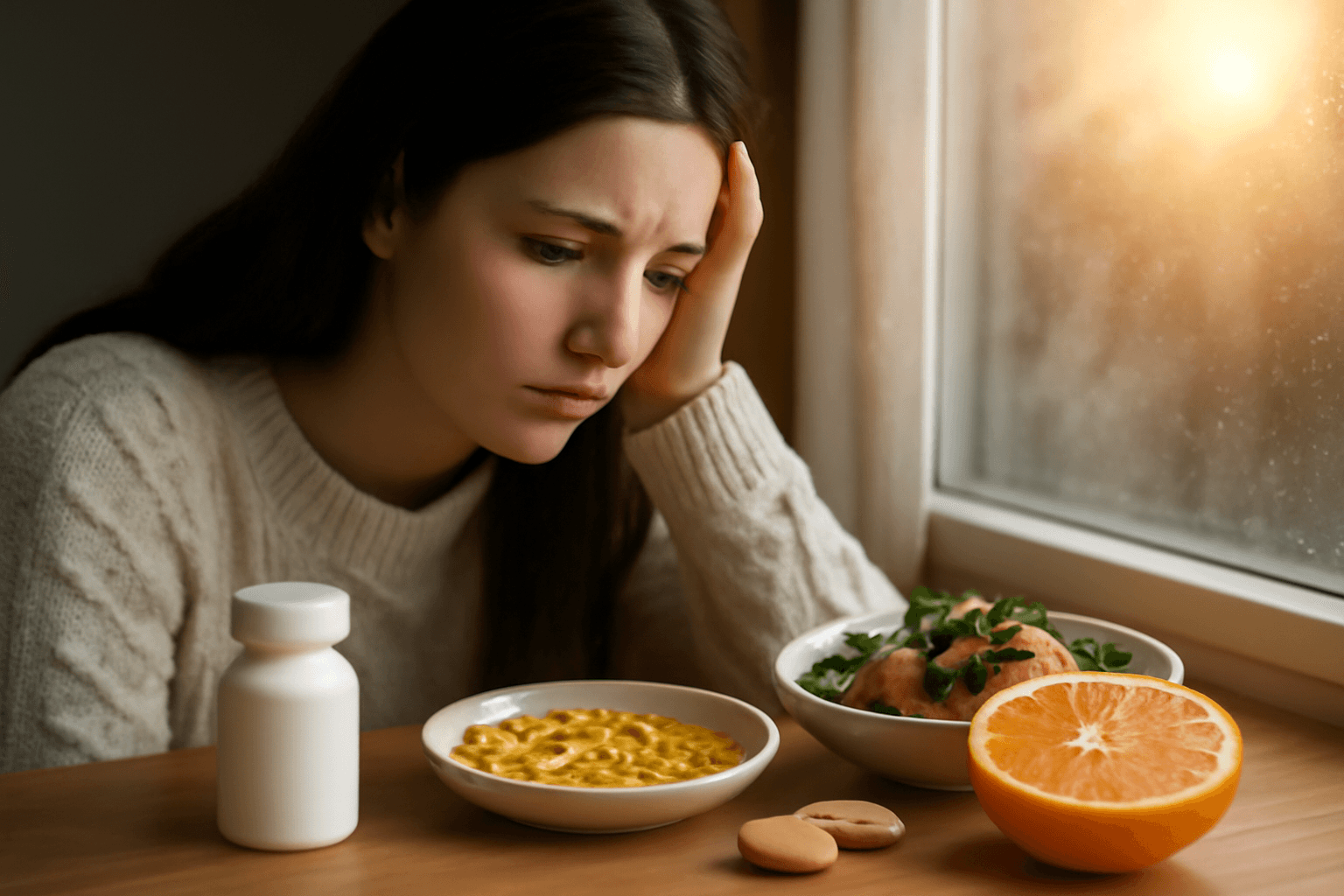
Do you experience a dip in mood or a drop in energy as winter arrives? This might be more than just a temporary emotional issue. Seasonal Affective Disorder (SAD) is a mental health condition that appears repeatedly during specific seasons, affecting an estimated 5-10% of the global population. This post explores the causes of seasonal depression and introduces 11 practical strategies to alleviate symptoms through natural methods. With proper nutrition, improved lifestyle habits, and professional support, you can look forward to a brighter and healthier season.
What is Seasonal Affective Disorder?
Seasonal Affective Disorder is a mood disorder that appears repeatedly during specific seasons, particularly in winter. Symptoms typically occur between October and April and naturally improve once spring arrives. People experiencing SAD often feel extreme fatigue, increased sleep duration, cravings for specific foods (particularly carbohydrates), difficulty concentrating, and a desire for social isolation.
The primary cause of this condition is reduced sunlight exposure. When sunlight exposure decreases during winter, serotonin production in the brain diminishes, and melatonin secretion becomes imbalanced. Serotonin is a crucial neurotransmitter for mood regulation, while melatonin regulates sleep cycles. An imbalance between these two substances leads to depression, sleep disorders, and low energy.
Seasonal Affective Disorder is not simply a mood problem but a real health issue caused by biochemical changes. If symptoms persist for more than two weeks or significantly impact daily life, it's important to consult with a healthcare professional. Fortunately, many natural methods and medical treatments can alleviate and manage symptoms.
Establishing Basic Self-Care Habits
The first step in overcoming seasonal depression is maintaining a consistent routine. Waking up at the same time each day, eating meals at set times, and going to bed at the same time each night are essential for normalizing your body's circadian rhythm. When your circadian rhythm remains stable, the cycles of melatonin and serotonin secretion also become more regular.
The second step is stress management. Relaxation activities such as meditation, deep breathing exercises, and yoga lower cortisol (stress hormone) levels. Research shows that just 10-15 minutes of daily meditation can reduce anxiety by more than 20%. When stress decreases, your body is better positioned to recover in a more stable state.
The third step is maintaining social connections. Isolation caused by seasonal depression worsens symptoms. Regular meetings with family and friends, participating in online communities, and group activities directly improve mood through sustained social interaction.
11 Natural Ways to Alleviate Seasonal Affective Disorder
1. Maximize Morning Light Exposure
The most important treatment for managing seasonal depression is light therapy. Exposure to bright light (especially 10,000 lux or higher) for at least 30 minutes daily stimulates serotonin production. If possible, spend time outdoors between 8 and 10 a.m., as this is most effective. If you can't go outside, using a light therapy lamp is a good alternative. This method alone can improve depression symptoms within 3-5 days.
2. Recover Energy Through Regular Exercise
Moderate-intensity exercise for 30 minutes or more, 3-5 times per week, stimulates your body to release endorphins. Endorphins are natural mood enhancers that provide immediate mood improvement after exercise. Outdoor exercise is ideal (combining the benefits of sunlight exposure and physical activity), but indoor exercise is also highly effective. For winter especially, swimming or cycling are recommended as they place minimal stress on knees and joints. Regular exercise can increase energy levels by 30-40% and improve sleep quality.
3. Vitamin D Intake and Supplementation
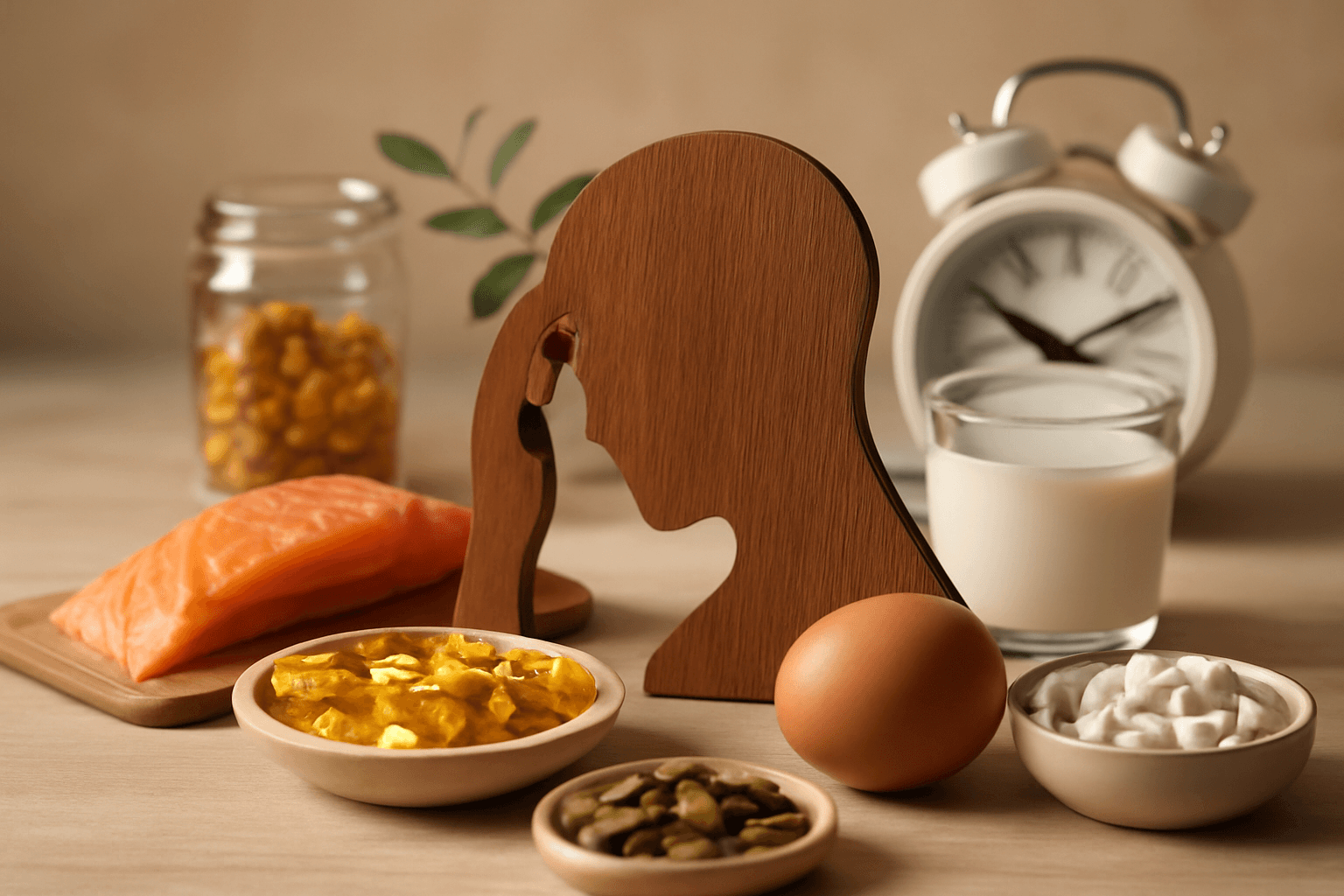
Vitamin D is directly involved in serotonin production. Due to reduced sunlight during winter, approximately 60% of people develop vitamin D deficiency. Research shows that when blood vitamin D levels fall below 30 ng/mL, the risk of depression increases fourfold. Taking 1,000-2,000 IU of vitamin D supplements daily or consuming vitamin D-rich foods (salmon, eggs, butter, fortified milk, etc.) can substantially alleviate symptoms. It's important to consult with a healthcare professional to determine the appropriate dosage for your individual needs.
4. Omega-3 Fatty Acid Intake
Omega-3 fatty acids support brain health and neurotransmitter function. Several clinical trials have reported that omega-3 supplements reduced depression symptoms by approximately 30%. Consume fatty fish (salmon, mackerel, sardines) 2-3 times per week or add plant-based omega-3 sources such as flaxseed, walnuts, and chia seeds. If you don't eat fish, consider taking 1,000-2,000 mg of omega-3 supplements (EPA/DHA) daily.
5. B Complex Vitamins Enhancement
B vitamins are essential for nerve function and energy metabolism. Deficiency in B6, B12, and folate (B9) in particular is directly linked to depression. B12 deficiency is common during winter due to reduced activity. Include foods such as brown rice, eggs, chicken breast, spinach, and broccoli in your diet, or take a B complex supplement once daily. B vitamin supplementation can significantly improve energy levels within two weeks.
6. High-Quality Protein Intake
Protein is a source of amino acids that create serotonin and dopamine. Essential amino acids such as tryptophan and tyrosine cannot be produced by your body and must be obtained through food. Consuming 20-30 grams of quality protein at each meal (chicken, fish, eggs, tofu, Greek yogurt, legumes, etc.) stabilizes your blood sugar index and maintains sustained energy. Including protein at breakfast especially enhances mood and energy stability throughout the day.
7. Improved Digestive Health
Recent research emphasizes the gut-brain axis relationship. Healthy gut microbiota produce approximately 95% of serotonin. Consuming probiotics (fermented foods, yogurt, kefir, kimchi, kombucha) and prebiotics (garlic, onions, bananas, whole grains) increases gut microbiome diversity, which in turn promotes the production of mood-enhancing neurotransmitters. Regular probiotic consumption can reduce depressive symptoms by 15-25% within 3-8 weeks.
8. Optimize Your Sleep Environment
Seasonal Affective Disorder severely compromises sleep quality. Keep your bedroom completely dark (even residual light impairs melatonin production), maintain an indoor temperature of 15-19°C (59-66°F), and limit blue light exposure one hour before bed. Restrict caffeine intake after 3 p.m. to fall asleep before 11 p.m. Sufficient sleep (7-9 hours) strengthens immune function and aids neurotransmitter recovery, directly alleviating depression symptoms.
9. Limit Refined Carbohydrates
White rice, white bread, and sugar-laden foods cause rapid blood sugar spikes followed by sharp drops, intensifying mood fluctuations. Instead, choose complex carbohydrates such as whole grains, oats, quinoa, and sweet potatoes. Complex carbohydrates digest slowly, maintaining sustained energy and stable blood sugar levels. This change alone can reduce energy crashes by over 50%.
10. Magnesium Supplementation
Magnesium is an essential mineral for nerve stability and stress response regulation. Magnesium deficiency shows a strong correlation with depression, anxiety, and sleep disorders. Consume pumpkin seeds, dark chocolate, almonds, spinach, and cashews, or take 200-400 mg of magnesium supplements daily (magnesium glycinate has the highest absorption rate). Magnesium supplementation shows benefits in improving sleep quality and reducing anxiety within 2-3 weeks.
11. Aromatherapy and Nature Exposure
The scent of essential oils such as lavender, lemon, and peppermint calms the nervous system and improves mood. Using a diffuser or soaking in a scented bath reduces stress hormones by 20%. Additionally, placing several indoor plants in your home improves air quality, and even this small connection to nature increases psychological stability. A 10-20 minute park walk or forest bathing on weekends significantly lowers cortisol levels.
Seeking Help
If the above natural methods are insufficient or symptoms are severe, seek help from a healthcare professional. Cognitive Behavioral Therapy (CBT) is the most effective psychological treatment for seasonal depression, focusing on changing negative thought patterns. Clinical trials show CBT produces meaningful symptom improvement in 70-80% of patients.
If necessary, your doctor may consider prescribing antidepressants. SSRI (Selective Serotonin Reuptake Inhibitor) medications are effective for treating seasonal depression, and starting them in early October and continuing through April can prevent symptoms from developing. Medication decisions should only be made through consultation with a specialist.
Ongoing consultation with a mental health professional (psychologist or psychiatrist) also helps with symptom management. A professional can develop a treatment plan tailored to your specific situation and respond quickly in emergencies. If symptoms persist for more than two weeks or you have thoughts of self-harm, consult a specialist immediately.
Summary
Seasonal Affective Disorder is common but not inevitable. Implementing the strategies above comprehensively can significantly alleviate symptoms:
- Light therapy - Stimulate serotonin with 30+ minutes of bright light exposure in the morning
- Regular exercise - Promote endorphin release with 3-5 weekly workouts
- Key nutrient supplementation - Vitamin D, omega-3, B complex, magnesium, protein
- Improved sleep environment - Get 7-9 hours of quality sleep in darkness
- Enhanced digestive health - Support the gut-brain axis with probiotic foods
- Stabilized lifestyle habits - Consistent routines, stress management, social connection
- Professional help - Psychotherapy or medical consultation when needed
The most important factor is early intervention. Taking preventive measures starting in September when symptoms begin can significantly reduce symptom severity. Listen to your body and mind, seek professional help when needed, and approach winter with good health. Seasonal changes are natural, but depression resulting from them is entirely manageable and overcome.