Vitamin C is an essential nutrient that your body cannot produce on its own, playing a vital role in various physiological functions including immune enhancement, skin health improvement, and antioxidant activity. This article explores the nature of vitamin C, its rich food sources, and examines its multifaceted roles—from collagen production and skin health to cold recovery and immune system support.
What is Vitamin C?
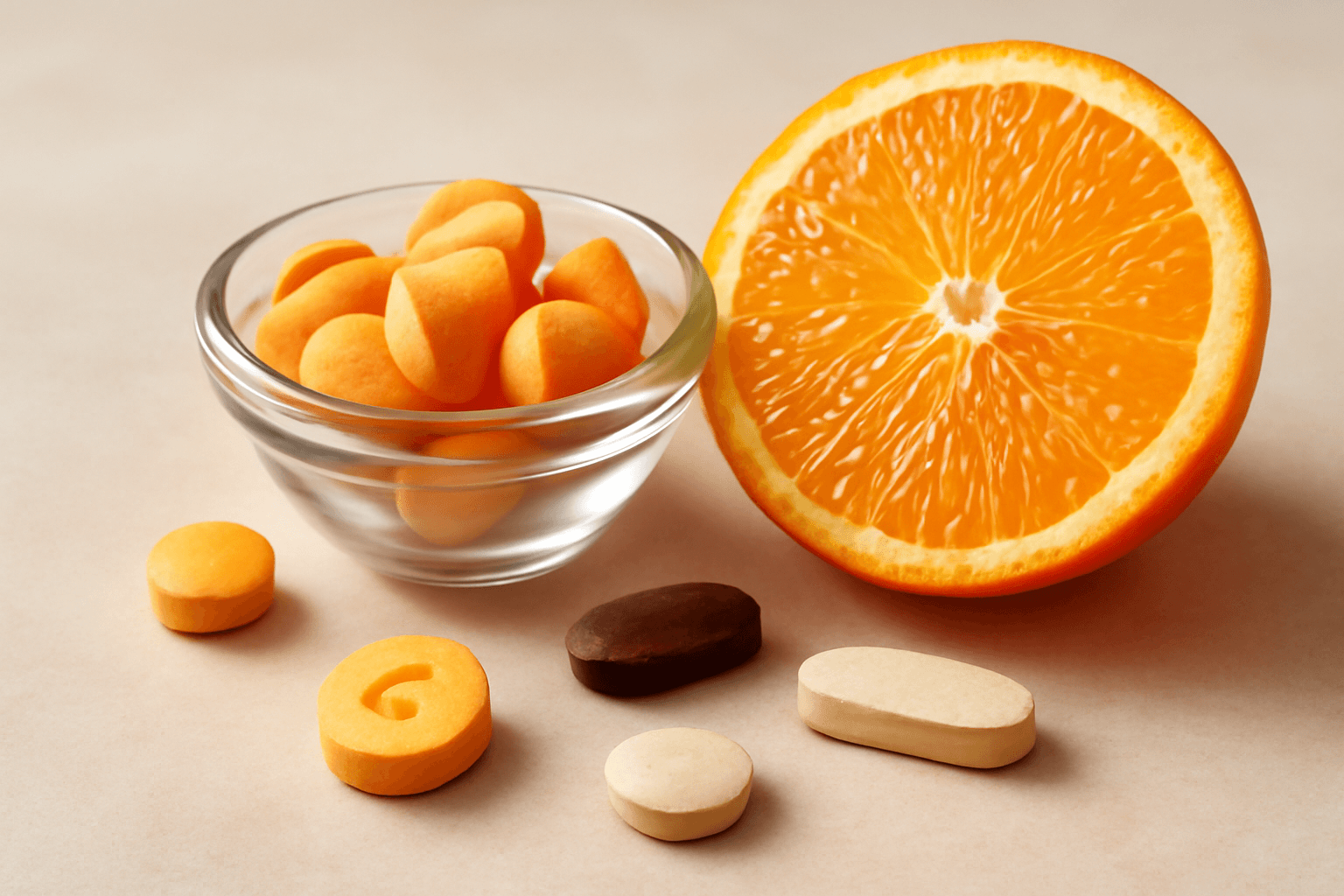
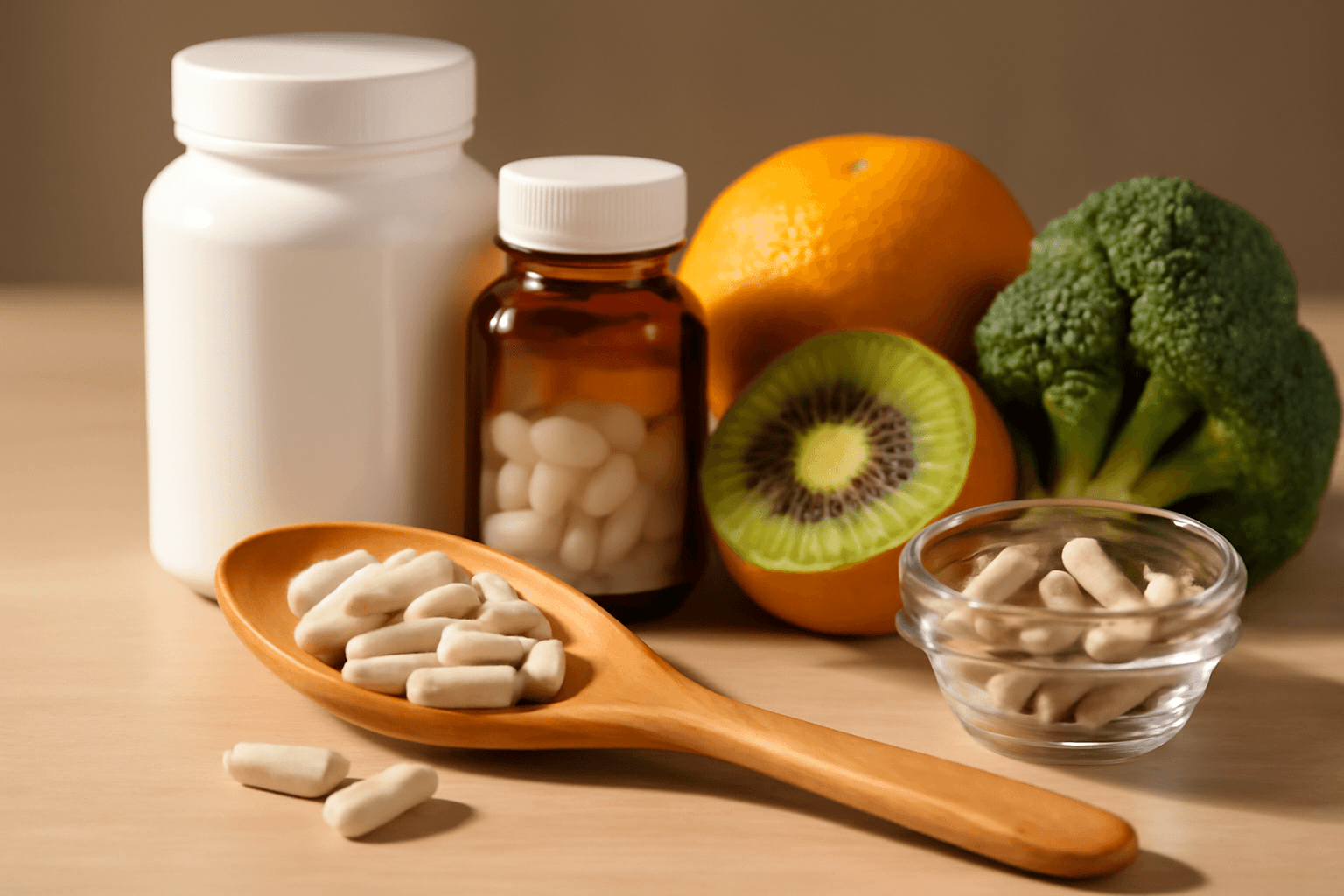
Vitamin C, also known as ascorbic acid, is a water-soluble vitamin. Since it is not produced in the human body, it must be obtained through food or supplements. Adult males are recommended to consume 75mg daily, while women should aim for 65mg per day. Smokers are advised to consume an additional 35mg compared to non-smokers.
As a powerful antioxidant, vitamin C neutralizes free radicals and plays an important role in preventing cellular damage. Additionally, it participates in over 100 biochemical reactions, including collagen synthesis, iron absorption, and neurotransmitter production. Since it is water-soluble, excess vitamin C is excreted through urine and does not accumulate in the body.
Scurvy, a vitamin C deficiency disease, was historically common among sailors on long voyages. While rare in modern times, it can occur when there is severe malnutrition or absorption disorders.
Foods Rich in Vitamin C
Fresh fruits and vegetables are the best sources of vitamin C. Oranges contain approximately 53mg of vitamin C per medium fruit (about 131g), while bell peppers provide 128mg per 100g—more than twice the amount of the same quantity of orange.
Major vitamin C-rich foods include:
- Kiwi: 64mg per medium fruit (about 69g)—also rich in soluble dietary fiber
- Pineapple: 47.8mg per 100g—promotes digestion together with bromelain enzyme
- Broccoli: 89.2mg per 100g—retains maximum vitamin C content when consumed raw
- Kale: 120mg per 100g—also contains lutein for improved eye health
- Parsley: 133mg per 100g—achieves high vitamin C intake in small amounts
- Chili peppers: 190mg per 100g of red pepper—yellow peppers contain 184mg
- Strawberries: 57.0mg per 100g—antioxidant benefits combined with anthocyanins
Pay attention to cooking methods. Vitamin C is highly unstable when exposed to heat, oxygen, and ultraviolet light, so significant amounts are lost during cooking. For example, boiling broccoli destroys approximately 50% of its vitamin C content, while microwave cooking causes about 40% loss. Consuming fresh raw foods or using minimal heat processing is key to preserving vitamin C.
Essential Role in Collagen Production
Collagen is a major structural protein in human tissues such as skin, bones, tendons, and blood vessels, comprising approximately 30% of total protein. Vitamin C plays an essential role in the hydroxylation of proline and lysine amino acids, ensuring the stability and functionality of collagen.
Without vitamin C, collagen molecules cannot form proper cross-links, resulting in a weak structure. Research shows that people who consume 150mg or more of vitamin C daily have 23% fewer skin wrinkles compared to those who do not.
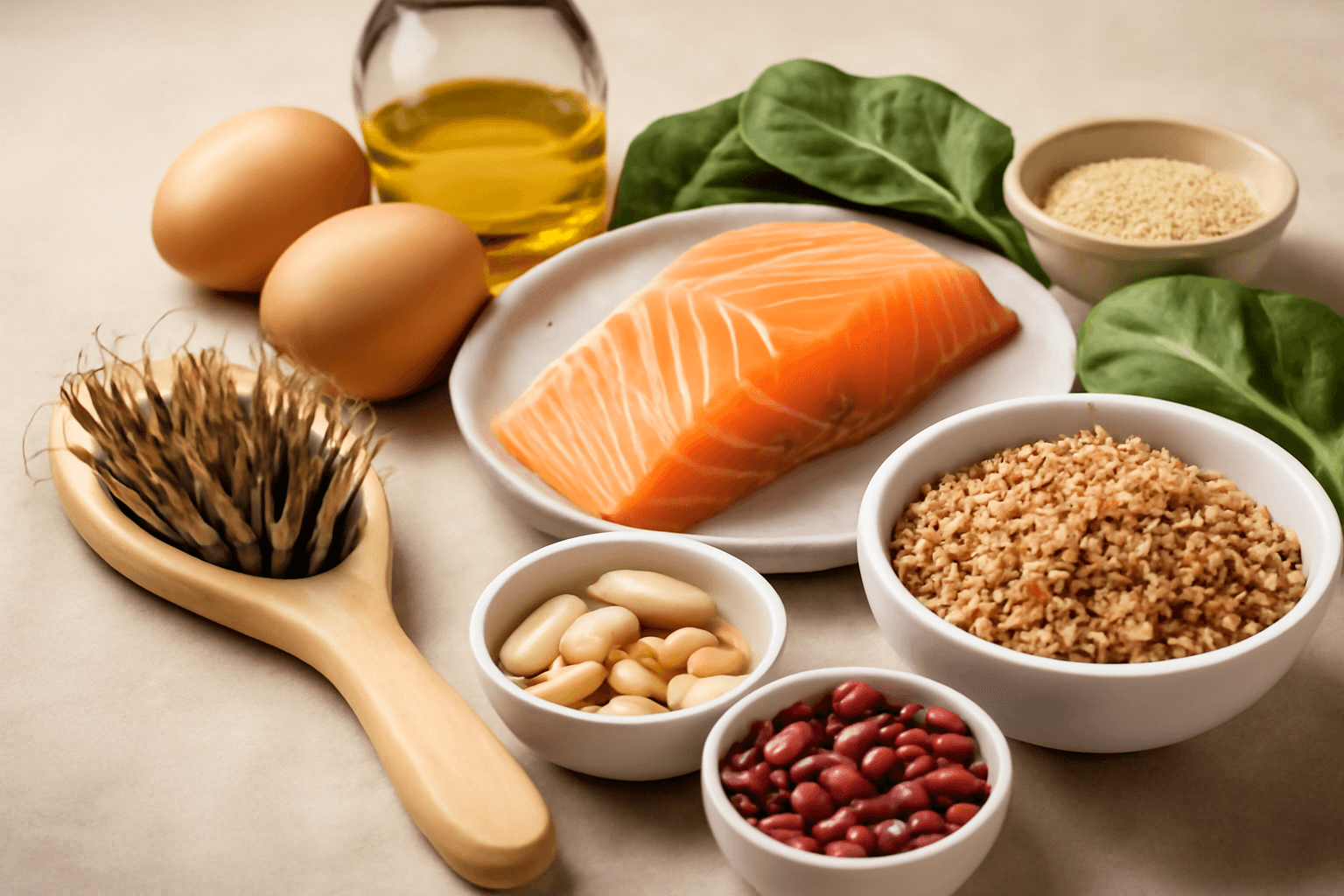
Optimizing collagen production requires more than just vitamin C. Protein, zinc, iron, and vitamin E are also necessary. Zinc, in particular, serves as a cofactor for collagen synthesis enzymes, while iron is essential for forming collagen cross-links. Therefore, balanced nutritional intake is key to skin health.
Skin Health Benefits
Vitamin C's skin health benefits extend beyond collagen production to multiple layers. Accumulating in the epidermis, vitamin C provides powerful antioxidant action that prevents damage from ultraviolet rays and neutralizes free radicals. This reduces photoaging, a major cause of skin aging.
Research shows that test subjects who used vitamin C-containing toners or serums daily for 12 weeks experienced the following improvements:
- Skin brightness increased by an average of 8-10%
- Wrinkle depth decreased by 20%
- Skin elasticity improved by 15%
- Age spot area reduced by 25%
Vitamin C also inhibits melanin production, making it effective for alleviating dark spots and freckles. When used together with whitening ingredients like alpha-arbutin, it shows synergistic effects. In addition to topical application, internal supplementation through oral intake is important, and consuming 200-500mg daily through food is recommended.
People with sensitive skin should exercise caution when using vitamin C products. Pure ascorbic acid has a low pH and can be irritating, so it is recommended to start with low-concentration products (10-15%), use them 2-3 times per week initially, and gradually increase usage.
Shortening Recovery Time from Colds
Contrary to popular belief, vitamin C supplements have been shown to not prevent colds from occurring in the first place. However, they are effective in shortening the duration of cold symptoms. According to meta-analysis, when vitamin C was taken after cold symptoms began, the symptom duration was shortened by an average of 8% (approximately 0.5-1 day for adults).
However, a more important finding concerns specific populations under physical stress. For those exposed to extreme cold environments or engaged in extreme exercise (marathon runners, skiers, etc.), consuming 200mg or more of vitamin C daily reduced the risk of catching a cold by 50%.
For vitamin C supplementation to be effective after early cold symptoms appear, an adequate dose is necessary. Generally, consuming 1,000-2,000mg daily divided throughout the symptom duration is effective. However, consuming more than 2,000mg at once can cause gastrointestinal side effects such as diarrhea and abdominal cramps, so caution is advised.
Immune System Support
Vitamin C enhances white blood cell function, protecting the body from infectious diseases. In particular, it promotes the differentiation, proliferation, and migration of neutrophils and lymphocytes, enabling immediate response to pathogens.
The main mechanisms of immune system support include:
- Antioxidant action: Protects immune cells from damage caused by excessive free radicals generated during infection
- Cytokine production: Increases the production of immune signaling molecules such as interferons and interleukins
- Complement system activation: Activates a family of proteins that enhance antibody effects
- Pathogen internalization: Enhances the phagocytic capacity of white blood cells, increasing pathogen elimination efficiency
When vitamin C is deficient, immune function declines rapidly. When blood vitamin C levels fall to 50% or below normal, the risk of infection increases approximately threefold. People with chronic diseases, the elderly, and smokers, in particular, should pay attention to consuming vitamin C above the recommended amounts to maintain immune function.
At the same time, a single nutrient alone is not sufficient. Optimal immune system function is achieved when vitamin C works together with other nutrients such as probiotics, zinc, selenium, vitamin D, and B vitamins. When vitamin C is consumed together with probiotics, beneficial bacteria in the gut proliferate, strengthening gut immunity.
Summary
Vitamin C is not a mere supplementary nutrient but a critical essential micronutrient. As an essential element in collagen synthesis, it maintains skin health and structural integrity. Through its antioxidant action, it prevents cellular damage and supports various immune functions. Its roles also include shortening cold symptoms and preventing infection in extreme environments.
Action Plan:
- Set a goal to consume the daily recommended amount (75mg for men, 65mg for women) or more
- Include fresh bell peppers, oranges, broccoli, and kiwis in your daily diet
- Minimize heat processing to prevent vitamin C loss
- Consume together with other nutrients such as protein, zinc, iron, and vitamin E
- With cold symptoms, increase intake (1,000-2,000mg divided doses); consult a healthcare provider if necessary
- For skin health improvement, combine oral intake with topical application
When to consult a healthcare professional: Those with a history of kidney stones, patients with hemochromatosis, those with glucose-6-phosphate dehydrogenase (G6PD) deficiency, and those taking certain medications should consult with a doctor or nutritionist before deciding to take vitamin C supplements.
Key Message: Vitamin C is most effective when obtained naturally through food, and its combined intake with diverse nutrients creates optimal health benefits.