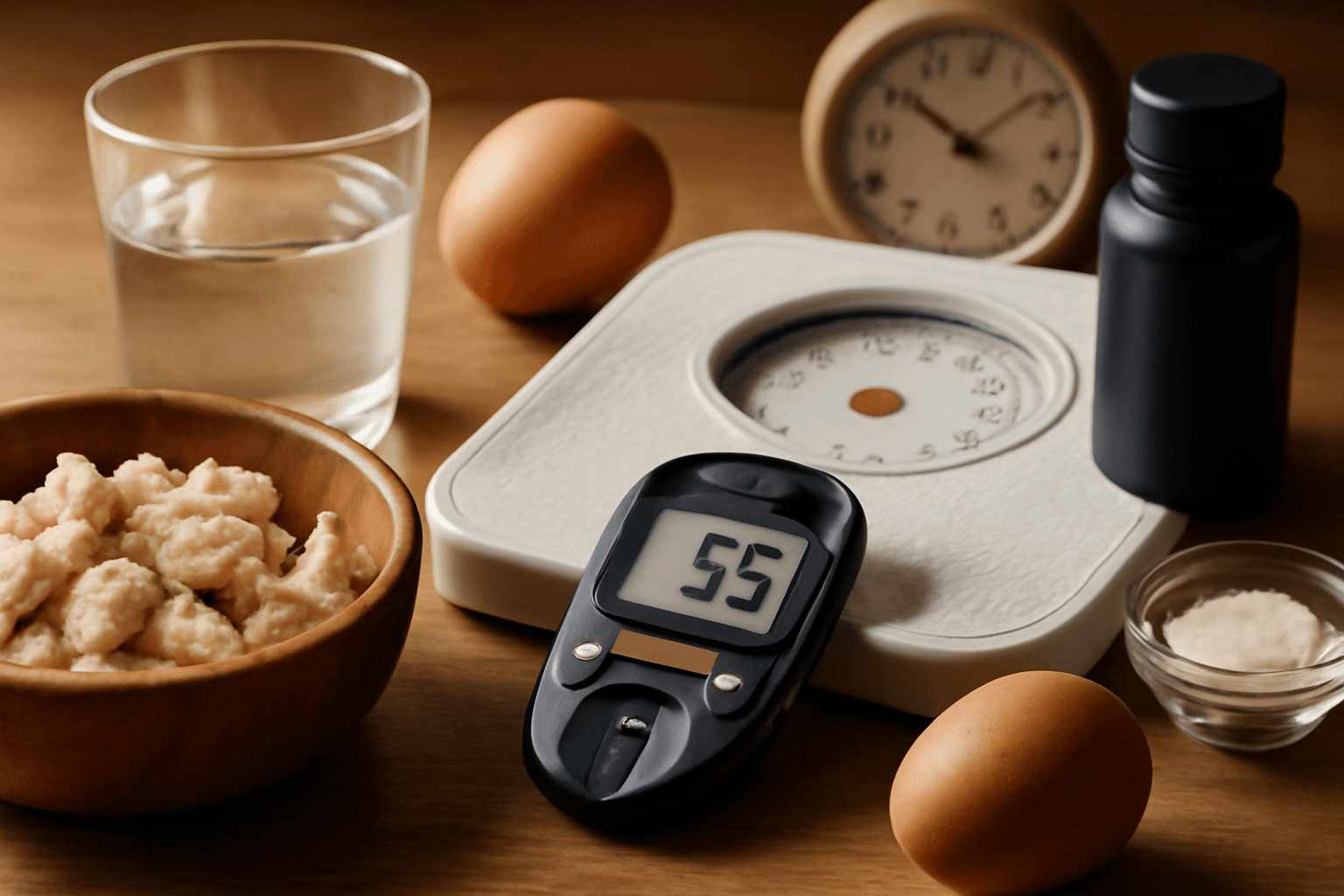
Autophagy is a self-cleaning mechanism by which our body's cells remove and recycle damaged or unnecessary parts. This process is not merely a biological phenomenon but a core system for maintaining a healthy life, affecting almost every function of our body from protein synthesis to energy metabolism and stress management. Quality sleep, regular exercise, and wise eating habits promote autophagy, improving metabolism and helping stabilize blood sugar. This article explores what autophagy is and examines specific ways to activate it in everyday life.
What is Autophagy?
Autophagy is a term derived from the Greek words "auto" (self) and "phagy" (to eat), referring to the process of breaking down and recycling damaged organelles and proteins within cells. Our body's approximately 37 trillion cells continuously produce energy and expel waste through metabolism, and autophagy acts as a cleaner that removes cellular "garbage" generated in this process.
Autophagy is activated when cells experience stress or enter a state of nutritional deficiency. Lysosomes, cellular organelles, surround and break down damaged mitochondria, denatured proteins, and foreign substances including pathogenic bacteria. The 2016 Nobel Prize in Physiology or Medicine was awarded to Dr. Yoshinori Ohsumi for elucidating the autophagy mechanism, demonstrating how highly modern medicine values this process.
If autophagy does not proceed efficiently, cellular damage accumulates, leading to accelerated aging, neurodegenerative diseases, and increased cancer risk. Conversely, when autophagy is active, cells maintain their self-cleaning ability and can remain healthy for longer. The role of autophagy is particularly important in high-energy tissues such as brain cells, heart muscle, and immune cells.
Quality Sleep Promotes Autophagy
Sleep is not merely rest but the time when autophagy occurs most actively. During deep sleep stages (NREM stage 3), the brain's glymphatic system becomes active, circulating cerebrospinal fluid and removing toxic substances such as amyloid-beta and tau proteins between nerve cells. According to a 2013 study by the National Institutes of Health, the space between brain cells increases by up to 60% during sleep, making brain cleaning proceed more efficiently.
Daily continuous sleep of 7-9 hours is essential for autophagy activation. Prolonged sleep deprivation reduces autophagy, increasing neuroinflammation and raising the risk of cognitive decline and metabolic disease. The golden hour sleep between 11 p.m. and 3 a.m. is particularly important, as growth hormone secretion peaks during this time, maximizing cellular recovery.
Practical strategies for quality sleep:
- Fixed sleep schedule: Go to bed and wake up at the same time daily (including weekends)
- Screen blackout 2 hours before bed: Blue light suppresses melatonin secretion
- Maintain room temperature: 16-19°C is optimal for sleep environment
- No caffeine in the evening: Limit caffeine consumption after 2 p.m.
- Bedroom ventilation: Circulate fresh air to increase brain oxygen supply
Natural sleep induction is far more effective than sleep medication in terms of autophagy activation. Medications can degrade sleep quality and actually inhibit autophagy.
Fasting and Time-Restricted Eating
Autophagy operates most actively in an energy-depleted state. By lowering insulin levels through fasting or intermittent fasting, the body promotes autophagy to utilize stored energy sources. Generally, autophagy begins 12 hours after the last meal and becomes most active during 24-48 hour fasts.
A representative time-restricted eating method is the 16:8 protocol, where all food is consumed within 8 hours and 16 hours of fasting occur. For example, eating only from noon to 8 p.m. A 2019 New England Journal of Medicine study reported that this method simultaneously achieves blood sugar stabilization, improved insulin resistance, and reduced body fat.
Precautions during fasting:
- Gradual start: Begin with 12 hours rather than sudden fasting and gradually increase
- Fluid intake: Water, unsweetened tea, and black coffee are permitted during fasting
- Electrolyte management: Sodium, potassium, and magnesium supplementation necessary for prolonged fasting
- Respect individual differences: Patients with diabetes or hypoglycemia must consult healthcare professionals
- Include rest days: Time-restricted eating 5 days per week, normal eating 2 days
Rapid blood sugar drops during fasting can cause hypoglycemic symptoms (dizziness, lethargy, reduced concentration), so it is important not to overdo it. Especially if you are taking diabetes medication, fasting should not be started without prior physician approval.
Exercise Induces Autophagy
Regular aerobic exercise is the most powerful stimulus for promoting autophagy. As muscles consume energy during exercise, energy sensors (AMP-activated protein kinase, AMPK) are activated, which directly suppress the mTOR pathway and increase autophagy signals. Sustained moderate-intensity aerobic exercise (heart rate at 50-70% of maximum heart rate) for 30 minutes or longer significantly increases autophagy markers.
Optimal exercise combination: 3-5 times per week of 30-60 minute aerobic exercise combined with 2-3 times per week of strength training is ideal for autophagy activation. Low-impact aerobic exercises such as brisk walking, jogging, swimming, and cycling are sustainable, while high-intensity interval training (HIIT) provides powerful autophagy effects in shorter periods. According to a 2018 meta-analysis in the Journal of Sports Medicine, HIIT has 1.5 times greater autophagy-inducing capacity than sustained aerobic exercise.
Yoga and meditation also play important roles. Yoga's slow movements and breathing techniques reduce cortisol, the stress hormone, and activate the parasympathetic nervous system to induce cellular repair mode. Inverted poses (headstand, shoulder stand) in particular increase blood flow to the brain, promoting cerebral autophagy.
Balancing exercise intensity and recovery:
- Post-exercise recovery: 24-48 hours of recovery time needed after intense exercise stimulus
- Avoid overtraining: Excessive exercise can increase oxidative stress and inhibit autophagy
- Gradual intensity increase: Increase weekly exercise volume by no more than 10%
- Pre- and post-exercise nutrition: Consume protein and carbohydrates 30-60 minutes after exercise to promote recovery
Stress management is directly connected to autophagy. Chronic stress suppresses autophagy through elevated cortisol, so 10-20 minutes daily of meditation, deep breathing exercises, and nature walks help reduce stress while simultaneously activating autophagy.
Summary
Autophagy is the body's fundamental mechanism for cells to clean up and recycle damaged parts, and operating it efficiently is key to longevity and health. High-quality sleep (7-9 hours), time-restricted eating (16:8), regular aerobic exercise (3-5 times per week), and stress management are the four pillars of promoting autophagy.
These four elements particularly create synergistic effects. Adequate sleep aids exercise recovery, time-restricted eating maximizes exercise benefits, and exercise induces deeper sleep. Rather than rapid changes over short periods, consistently maintaining small improvements in lifestyle habits is most effective for autophagy activation.
Medical disclaimer: If you have diabetes, heart disease, kidney disease, or are pregnant, consult your physician before starting fasting or extreme dietary changes. Professional guidance considering your personal health condition is also necessary when beginning a new exercise program.
Understanding the concept of autophagy and practicing it in daily life will allow you to experience healthy cellular aging beyond simple weight loss. Small actions starting today—increasing sleep by 30 minutes, beginning to exercise twice weekly, and moving dinner earlier—will accumulate into significant change.