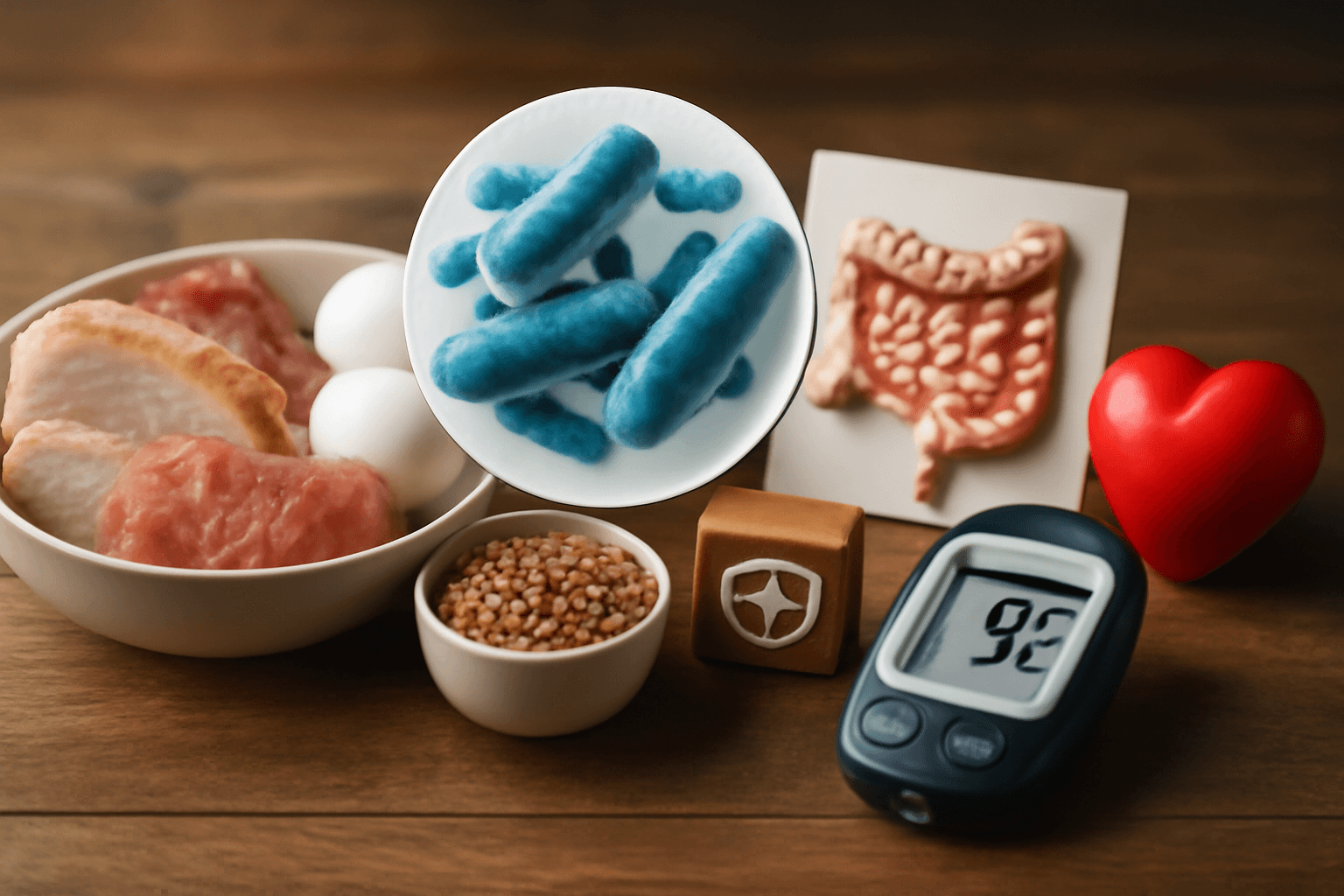
Prebiotic fiber is a special form of carbohydrate that feeds and promotes the growth of beneficial microorganisms in our gut. Unlike probiotics (beneficial bacteria), prebiotics work directly on our digestive system to improve digestive health and provide various benefits including blood sugar control, immune enhancement, and heart health promotion. In this article, we'll explore how prebiotic fiber protects our health and examine the synergistic effects with yoga, aerobic exercise, probiotics, and omega-3.
What is Prebiotic Fiber?
Prebiotic fiber is a special type of dietary fiber that our body cannot digest or absorb. Instead, it serves as a primary energy source for beneficial bacteria (lactic acid bacteria) that reside in our intestines. Through this selective nutrient supply mechanism, prebiotics play a key role in maintaining the balance of the intestinal microbial ecosystem.
The main characteristics of prebiotic fiber are as follows:
- Selectivity: Promotes the growth of only specific beneficial bacteria (Lactobacillus, Bifidobacterium), not all bacteria
- Acid resistance: Reaches the colon without being broken down in the stomach's strong acidic environment
- Non-absorptivity: Is not absorbed in the small intestine, allowing it to reach the colon where it becomes food for lactic acid bacteria
The most common forms of prebiotics are inulin, oligofructose, and galacto-oligosaccharide. They are naturally found in garlic, onions, asparagus, bananas, and whole grains, and are also added to processed foods.
Scientific Evidence for Improved Digestive Health
The mechanism by which prebiotic fiber improves digestive health is very specific. When prebiotic reaches the colon, it is fermented by beneficial bacteria, generating short-chain fatty acids (SCFA). In particular, butyrate is a primary energy source for colon epithelial cells and is essential for maintaining the structural integrity of the intestinal wall.
According to a meta-analysis from the International Journal of Gastroenterology in 2023, groups that regularly consumed prebiotics experienced a 33% increase in bowel movement frequency and a 34% improvement in stool softness. The effect was particularly pronounced in people suffering from constipation.
- Intestinal pH regulation: Acids produced during fermentation lower intestinal pH, inhibiting the growth of harmful bacteria
- Strengthening the intestinal mucosa: Butyrate improves energy metabolism in colon cells, preventing intestinal wall damage
- Reduced gas production: Proper bacterial balance reduces unnecessary gas production, alleviating abdominal bloating
When prebiotics are consumed together with probiotics, a 'synbiotic' effect occurs, improving the survival rate and activity of beneficial bacteria by up to 200%.
A New Approach to Blood Sugar Control
Prebiotic fiber significantly lowers the glycemic index (GI). As it moves slowly through the small intestine, it slows down the digestion and absorption of carbohydrates, preventing sharp spikes in blood sugar.
In a 2022 study published in the Journal of Diabetes Research, when 156 patients with type 2 diabetes consumed prebiotics for 12 weeks, fasting blood sugar decreased by an average of 18%, and hemoglobin A1c (HbA1c) decreased by 0.5%. This is comparable to the effect of some diabetes medications.
Blood sugar control mechanisms:
- Improved insulin sensitivity through butyrate production
- Increased secretion of satiety hormones (GLP-1, PYY) for appetite control
- Reduced glycemic index by 20-30% through slower digestion
In particular, consuming low glycemic index foods (brown rice, whole barley) together with prebiotics maximizes the blood sugar control effect.
Immune Enhancement and Intestinal Microbiota
Seventy percent of our immune system is concentrated in the intestines. The beneficial bacteria proliferated by prebiotics stimulate gut-associated lymphoid tissue (GALT), activating immune responses.
Beneficial bacteria specifically perform the following immune-enhancing functions:
- Production of anti-inflammatory substances: Probiotic bacteria secrete anti-inflammatory cytokines like interleukin-10, regulating intestinal inflammatory responses
- Suppression of pathogenic bacteria: Bacteriocins produced by lactic acid bacteria directly inhibit the growth of harmful pathogens such as Salmonella, Listeria, and pathogenic E. coli
- Strengthening the mucosal barrier: Improved tight junctions promoted by butyrate prevent leaky gut syndrome
In a 2021 epidemiological study, people who regularly consumed prebiotics showed a 21% reduction in cold incidence and an average shortening of cold duration by 2.2 days.
The Mechanism of Improved Heart Health
Heart disease is the leading cause of death worldwide. Prebiotics directly improve cardiovascular health through intestinal microbiota.
Prebiotic heart-protective mechanisms:
- Cholesterol improvement: Butyrate inhibits cholesterol synthesis in the liver, while beneficial bacteria reprocess bile acids, reducing LDL cholesterol by 20-25%
- Blood pressure control: Butyrate improves vascular endothelial function and promotes vasodilation, lowering blood pressure
- Reduced inflammation: Chronic inflammation caused by intestinal dysbiosis is a key cause of atherosclerosis, which prebiotics suppress
- TMAO reduction: TMAO (trimethylamine N-oxide) produced by harmful bacteria increases cardiovascular disease risk, and prebiotics reduce it by 36%
In a 2023 Circulation Journal paper, the prebiotic consumption group showed a 28% reduced risk of cardiovascular disease compared to the placebo group. When consumed together with omega-3 fatty acids (fish, flaxseed), the synergistic effect reduces triglycerides by an additional 40%.
Synergy with Exercise: Yoga and Aerobic Exercise
Prebiotic fiber is a hidden partner that maximizes exercise benefits. Regular exercise increases intestinal microbial diversity, which prebiotics enhance.
Combination with yoga: Abdominal stimulating yoga poses (twists, inversions) promote intestinal peristalsis. Prebiotics help the gut stimulated by these movements operate more efficiently. Meditation and stress reduction are also important, as yoga lowers the stress hormone cortisol, helping maintain intestinal microbial balance.
Interaction with aerobic exercise: 150 minutes per week of moderate-intensity aerobic exercise (brisk walking, jogging, swimming) increases beneficial intestinal bacteria by 31%. Prebiotics optimize the growth environment for these bacteria, producing the following effects:
- 30% faster post-exercise muscle recovery time
- Improved exercise capacity (VO2 max)
- Prevention of exercise-induced intestinal damage (exercise-induced leaky gut)
- Accelerated post-exercise energy recovery rate
In a 2022 Sports Medicine Journal study, the group that consumed prebiotics while doing aerobic exercise showed 24% improved endurance compared to the exercise-only group.
Interaction with Probiotics
Prebiotics and probiotics are the perfect pair. Probiotics are beneficial living microorganisms, and prebiotics are their food. Taking these two together is called a synbiotic, and is much more effective than taking either one alone.
Specific numbers for synbiotic effects:
- Probiotic supplement alone: 15% beneficial bacteria proliferation
- Prebiotic consumption alone: 35% beneficial bacteria proliferation
- Synbiotic combination: 62% beneficial bacteria proliferation
Effective synbiotic combinations:
- Yogurt (probiotic) + banana (prebiotic)
- Fermented kimchi (probiotic) + garlic (prebiotic)
- Unsalted cheese (probiotic) + onion (prebiotic)
- Miso (probiotic) + asparagus (prebiotic)
When choosing probiotic supplements, at least 1 billion CFU (colony-forming units) or more is necessary for effectiveness, and refrigeration is essential.
Healthy Combination with Omega-3 Fatty Acids
Omega-3 fatty acids (EPA, DHA) work with prebiotics to comprehensively improve brain and heart health.
Synergy mechanisms:
- Strengthening the gut-brain axis: Neurotransmitters produced from improved gut health promoted by prebiotics are delivered to the brain together with omega-3, improving depression and anxiety 30% more effectively
- Inflammation control: The anti-inflammatory action of omega-3 and prebiotic-promoted intestinal inflammation improvement work together, reducing systemic inflammatory markers (CRP, IL-6) by 45%
- Brain health: Omega-3 is essential for brain cell membrane composition, and short-chain fatty acids promoted by prebiotics facilitate crossing the blood-brain barrier, improving cognitive function
Recommended combinations:
- Salmon (omega-3) twice weekly + garlic and onion sauce (prebiotic)
- Flaxseed (omega-3) + oats and honey (prebiotic)
- Nuts (omega-3) + dried figs (prebiotic)
The recommended daily amount of omega-3 is 1000-2000mg, and when consuming prebiotics, digestive absorption improves, increasing the bioavailability of omega-3 by 22%.
Practical Dietary Strategies
Foods rich in prebiotics:
- Garlic: 17.5g inulin per 100g (highest content)
- Onion: 2.6-4.6g inulin per 100g
- Asparagus: 1.5g oligofructose per 100g
- Whole barley: 3-7g beta-glucan per 100g
- Banana (underripe): 12.5g resistant starch per 100g
- Legumes: 6-8g dietary fiber per 100g
- Chicory root: 35-40g inulin per 100g (most concentrated)
Recommended daily prebiotic intake: 5-20g per day
Phased consumption plan:
- Week 1: Start with 3-5g per day (too much can cause gas and bloating)
- Week 2: Increase to 8-10g per day
- Week 3 and beyond: Target 12-15g per day
Sample daily meal plan:
- Breakfast: Oats (prebiotic) + Greek yogurt (probiotic) + honey
- Snack: 1 banana + almonds (omega-3)
- Lunch: Roasted fish with onions and garlic (omega-3)
- Dinner: Whole barley rice + miso soup (probiotic) + boiled asparagus
Medical Precautions and Side Effects
Prebiotics are generally safe, but consultation with a healthcare professional is recommended in the following cases:
- Initial side effects: During the first 1-2 weeks, abdominal bloating, gas, and diarrhea may occur. This is a normal adaptation response and improves by gradually increasing intake
- FODMAP sensitivity: Some IBS patients may experience symptom worsening initially with prebiotic consumption and should start with low doses
- Drug interactions: Prebiotics can affect the absorption of some medications, so consult with a doctor before consumption if you take medications regularly
- Specific medical conditions: If you have inflammatory bowel diseases such as Crohn's disease or ulcerative colitis, or have recently taken antibiotics, you should start under professional medical guidance
- Pregnant and nursing women: Generally safe, but consult with a doctor before consumption depending on individual health status
If severe abdominal pain, persistent diarrhea, or vomiting occurs, contact a healthcare professional immediately.
Summary: Comprehensive Effects of Prebiotic Fiber
Key points summary:
- Digestive health: 33% constipation improvement, increased intestinal microbial diversity
- Blood sugar control: 18% fasting blood sugar reduction, 0.5% HbA1c improvement
- Immunity: 21% reduction in cold incidence, enhanced anti-inflammatory action
- Heart health: 28% cardiovascular disease risk reduction, 20-25% LDL cholesterol decrease
- Exercise efficiency: 24% improved endurance with aerobic exercise, 30% shorter muscle recovery
- Synbiotic effect: 62% bacterial proliferation when consumed with probiotics
- Omega-3 synergy: 45% inflammatory marker reduction, improved cognitive function
Prebiotic fiber is not simply a dietary component, but a biological tool for managing whole-body health from the digestive system to the brain. By consuming it daily through natural foods like garlic, onions, and asparagus, or together with fermented foods like yogurt and miso, you can maximize the synbiotic effect with probiotics. Furthermore, combining yoga and aerobic exercise with omega-3 foods exponentially increases health benefits.
Actions you can start today:
- Set a daily goal of consuming 5-10g of prebiotic fiber
- Prepare snacks of yogurt topped with banana and garlic
- Practice yoga or aerobic exercise at least 3 times per week
- Meet daily omega-3 intake with fish or nuts
- Set a minimum observation period of 4-6 weeks (effects appear gradually)
- Consult healthcare professional if side effects occur
Creating a healthy intestinal microbial environment is the first step toward a healthy life. We hope prebiotic fiber becomes a reliable partner in your health journey.